UIP questions Swiss FOT rail safety move
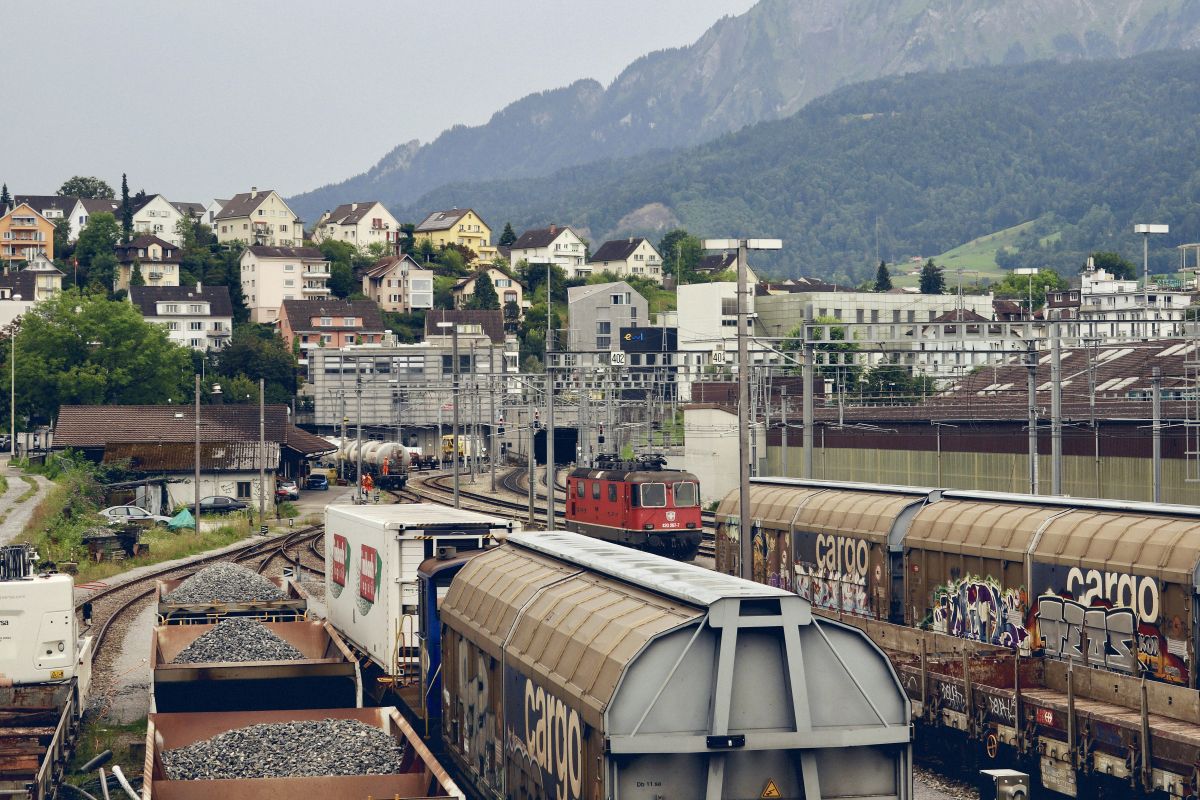
UIP has raised concerns over the Swiss Federal Office of Transport’s decision to maintain national rail safety measures, despite a jointly agreed European framework.
The finding updates the Court’s 2020 audit and shows a further deterioration in cost control and implementation schedules.
The organization calls for EUR 18bn EU funding to extend rail research programme
European combined transport association UIRR says insufficient terminal capacity remains a major barrier to shifting freight from road to rail. The assessment follows a new European Commission study and the updated TEN-T Regulation on multimodal terminals.
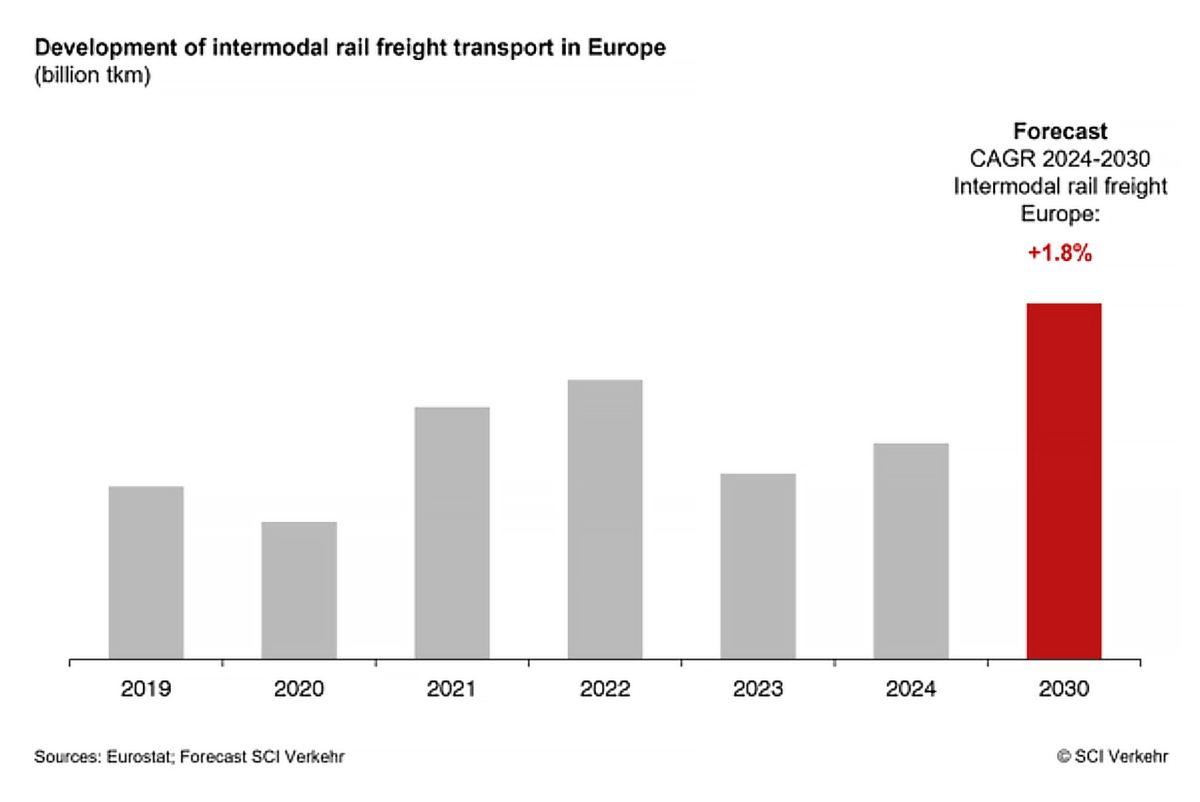
European intermodal rail freight remains a stabilising pillar of rail transport, but growth is no longer broad-based. New SCI Verkehr's market data show expansion concentrating on specific corridors, customers and business models.
The testing programme is intended to verify operational readiness ahead of the start of regular services.
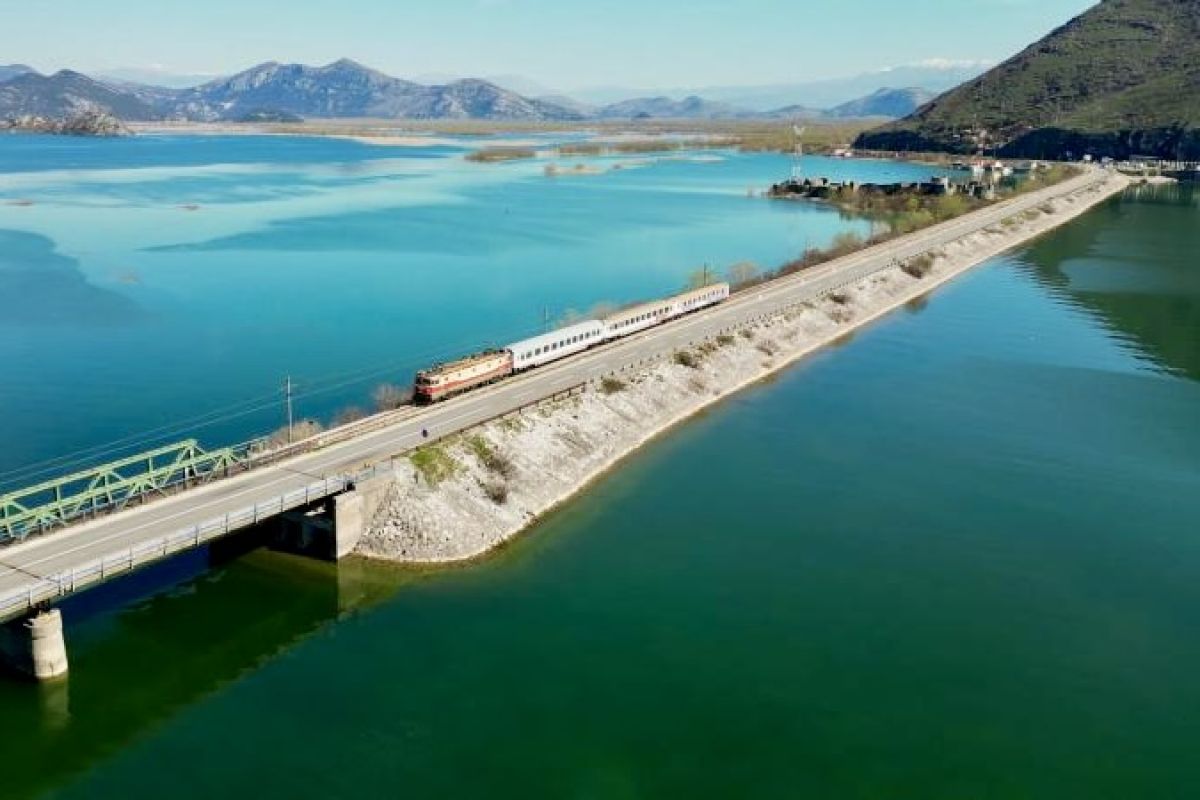
The European Union will invest €175 million to modernise the Bar–Golubovci railway line in Montenegro. The project targets higher speeds, improved capacity and better reliability on a key TEN-T corridor.
Why subsidies alone cannot save European rail freight's backbone — and what the American short line model teaches us.
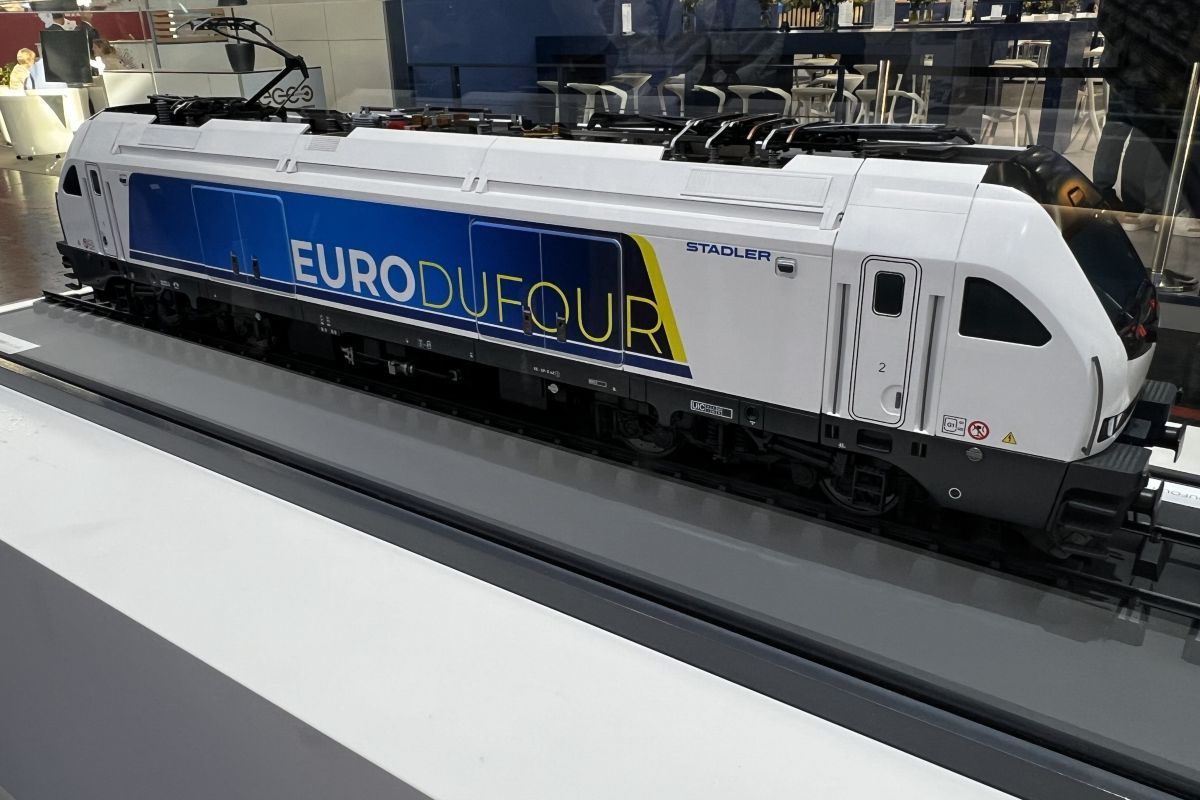
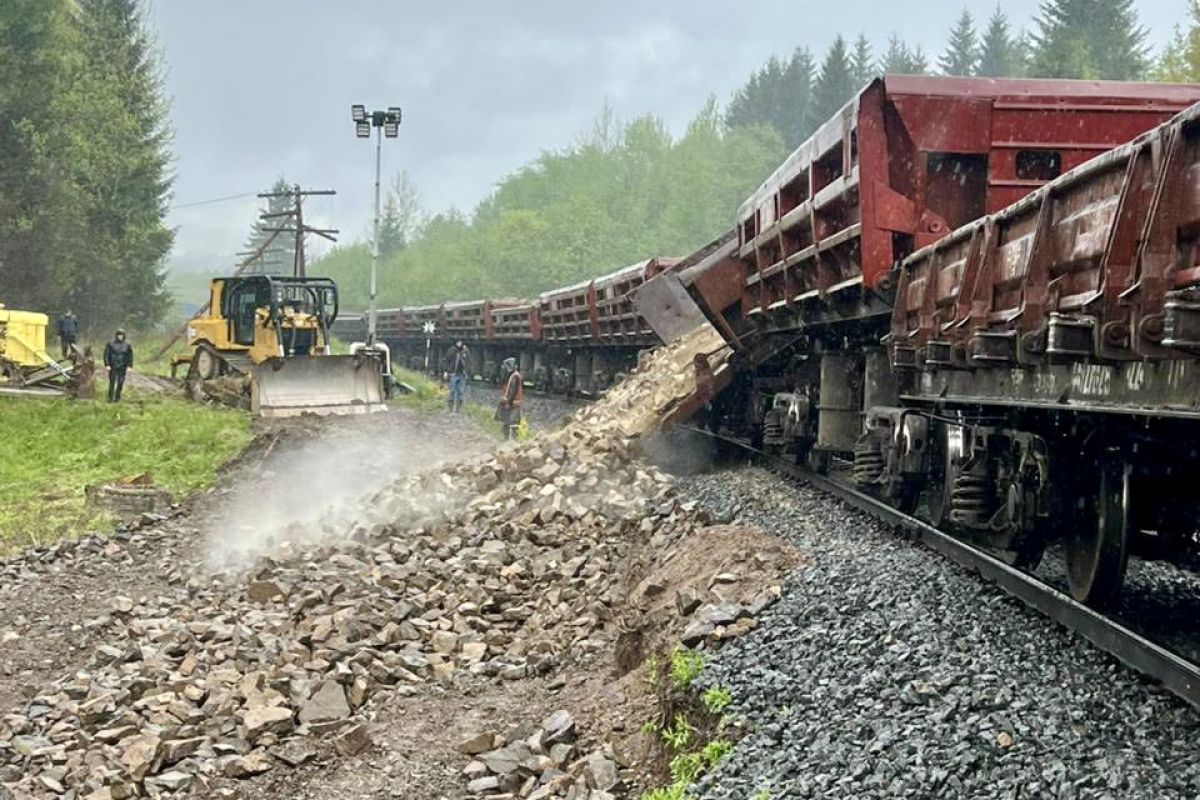
As 2025 draws to a close, we look back at the stories that captured your attention the most. From groundbreaking locomotive debuts to dramatic incidents and shifting geopolitical currents, here are the ten most-read articles on RAILMARKET this year.
Czech Transport Minister Ivan Bednárik has called for a European debate on the future of rail freight, arguing that current EU policies are accelerating its decline. In an interview with the Czech News Agency, he points to high electricity prices and distorted competition with road transport as key issues.
The EU has issued a €15 million tender under the Ukraine FIRST programme to prepare priority reconstruction projects across Ukraine. The 48-month contract includes major transport and rail infrastructure.
Ten European partners have launched the Pioneer DAC Train (PioDAC) project in Copenhagen, setting up the first large-scale commercial testing of the Digital Automatic Coupler. VERS will manage installation and maintenance monitoring.
The regulation will replace the current system, which is managed nationally, decided on an annual basis, and operated manually.
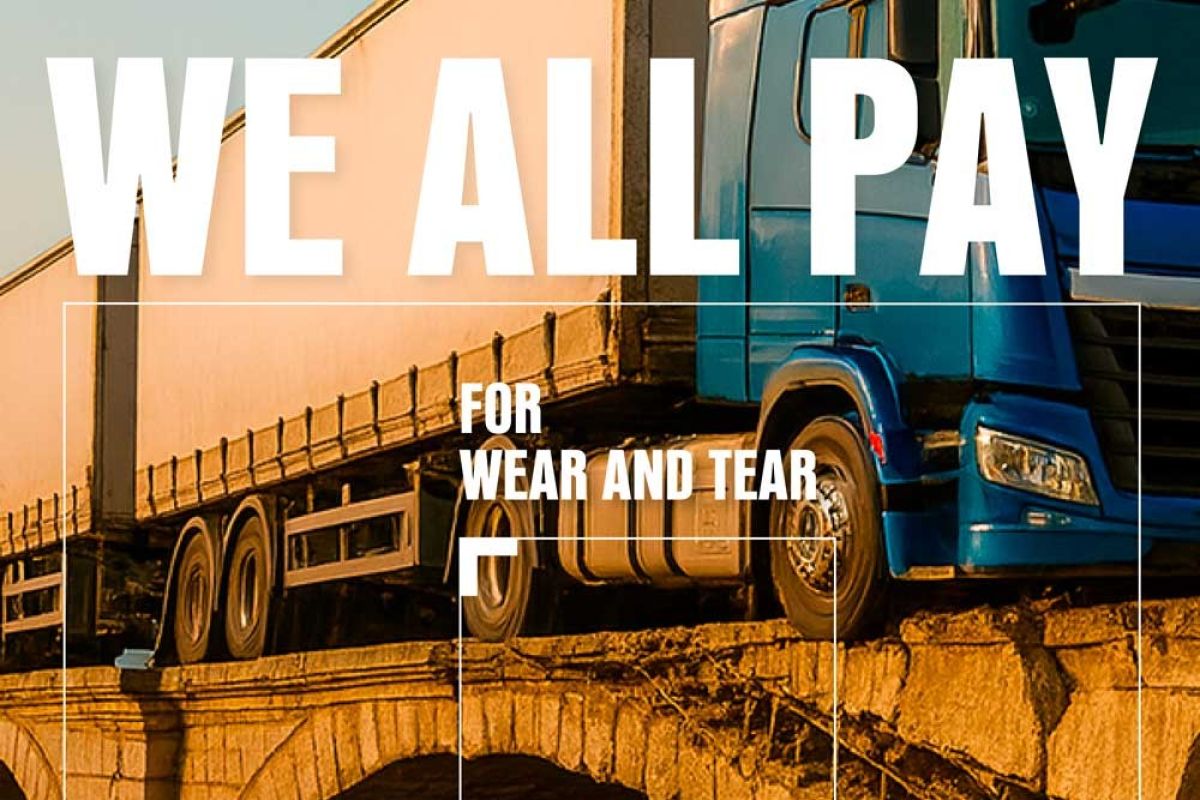
Rail Freight Forward (RFF) has launched a campaign opposing proposed EU regulations that would allow cross-border movement of longer and heavier vehicles (LHVs).
European Commission issued grant agreements under the Connecting Europe Facility (CEF) for transport infrastructure projects in Poland, Slovakia, Romania, Ukraine and Moldova.
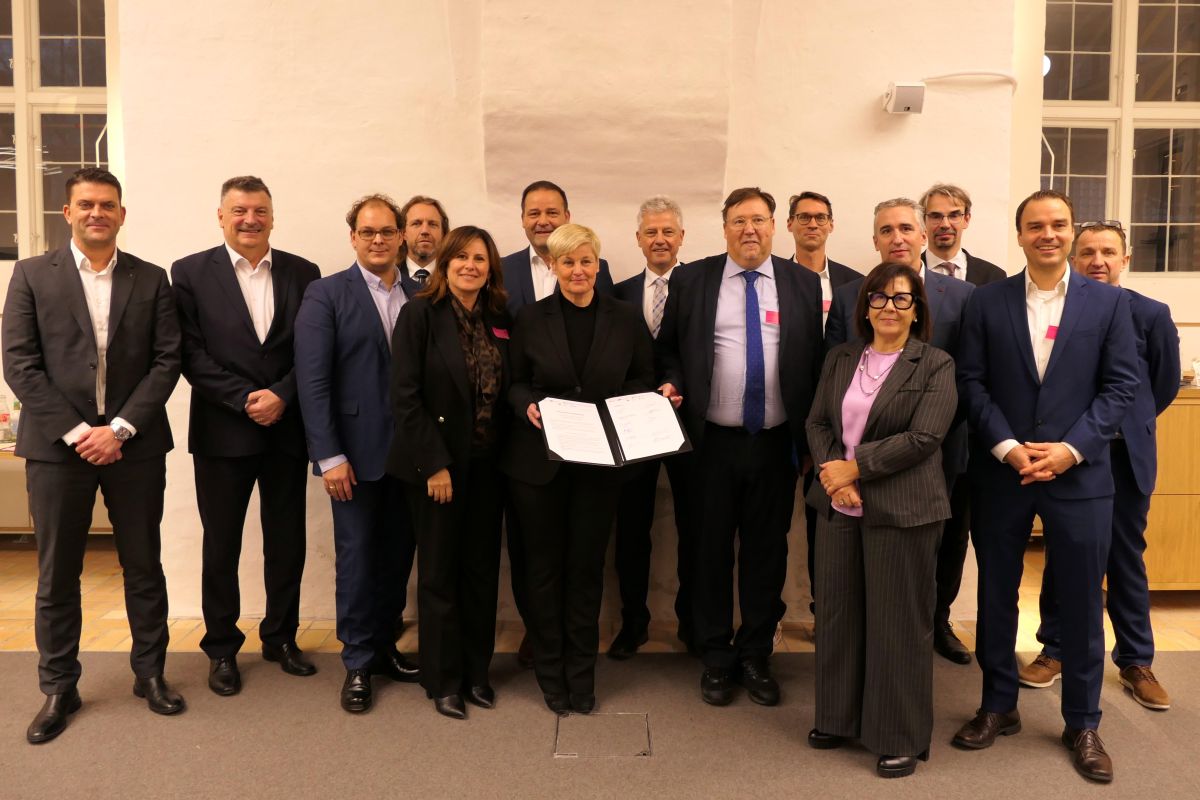
According to the signatories, the current draft fails to support a shift to rail and may reinforce fragmentation in the European railway network.
The European Commission has presented a comprehensive plan to deliver a unified high-speed rail network across the European Union by 2040.
Eurostat released data for volumes in passenger and freight rail in 2024.
The European Commission intends to withdraw its proposed amendment to the Combined Transport Directive, triggering criticism from UIRR and raising questions about the future of EU intermodal policy.
Ten railway associations from across Europe are calling for an increase in the EU’s proposed transport funding under the next phase of the Connecting Europe Facility (CEF), warning that the current proposal underestimates the financial needs of rail infrastructure.