Passenger transport by rail in the European Union rose to 443 billion passenger-kilometres in 2024, according to Eurostat data. This figure reflects a 5.8% increase compared to 2023, when the total stood at 419 billion pkm. It is also the highest recorded level since the start of data collection in 2004.
Germany recorded the largest volume of passengers carried, reaching 2.904 billion. France followed with 1.320 billion and Italy with 843 million. At the lower end, Lithuania moved 5 million passengers, Estonia 8 million, and Greece 14 million.

Hungary registered the sharpest year-on-year increase in passenger numbers, rising by 60.0%, followed by Latvia (+13.9%) and Ireland (+10.0%). Conversely, Romania saw a drop of 4.9% and Bulgaria 3.1%.
When measured per capita, Luxembourg reported the highest ratio at 32.8 passengers per resident, ahead of Denmark (31.0) and Germany (30.0). Greece and Lithuania shared the lowest ratio at 1.5, followed by Bulgaria and Romania at 3.6.
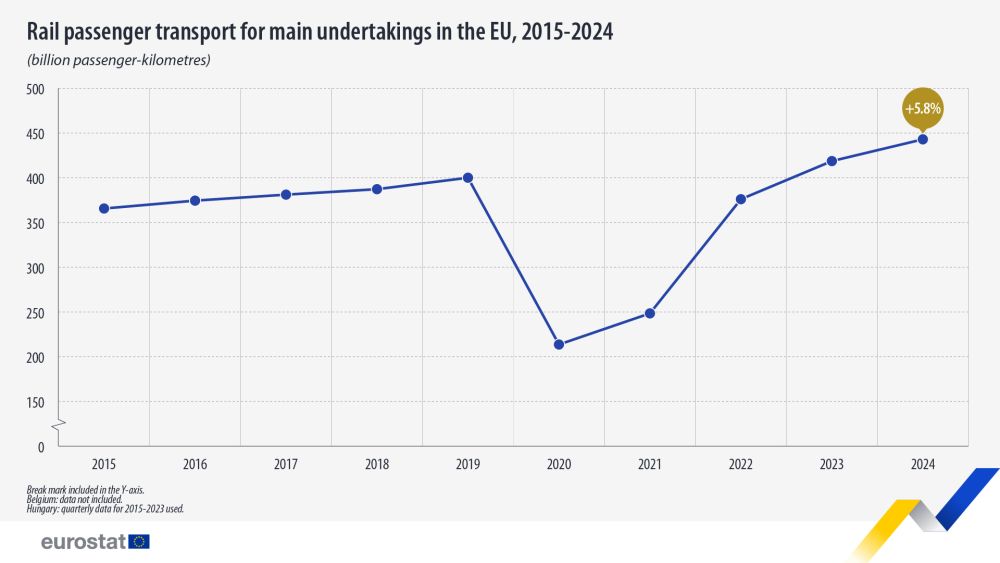
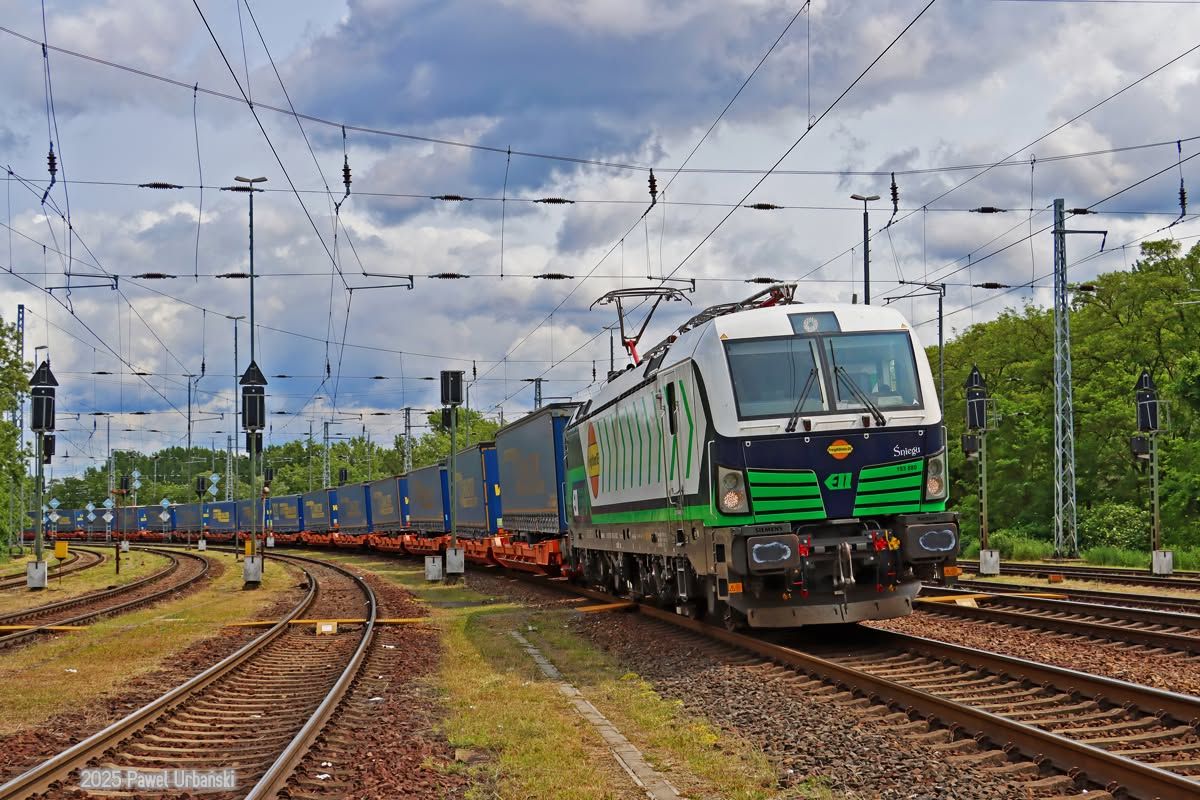
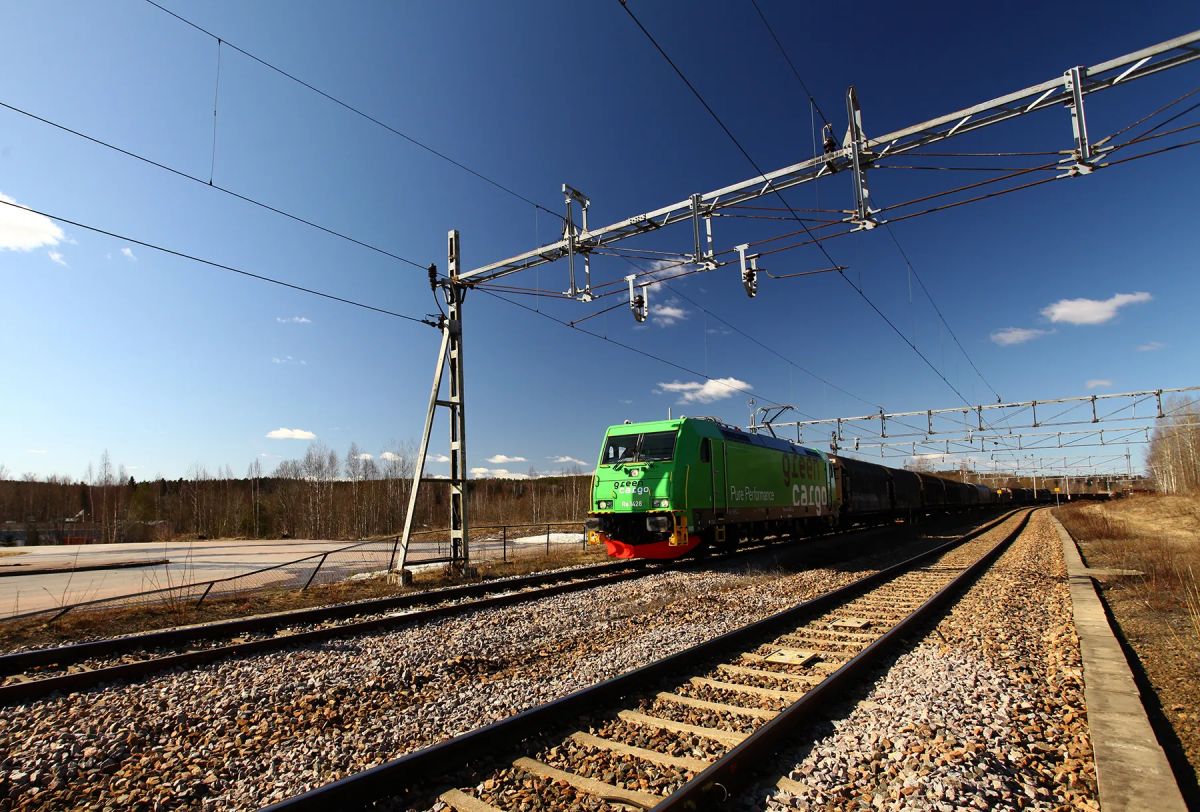
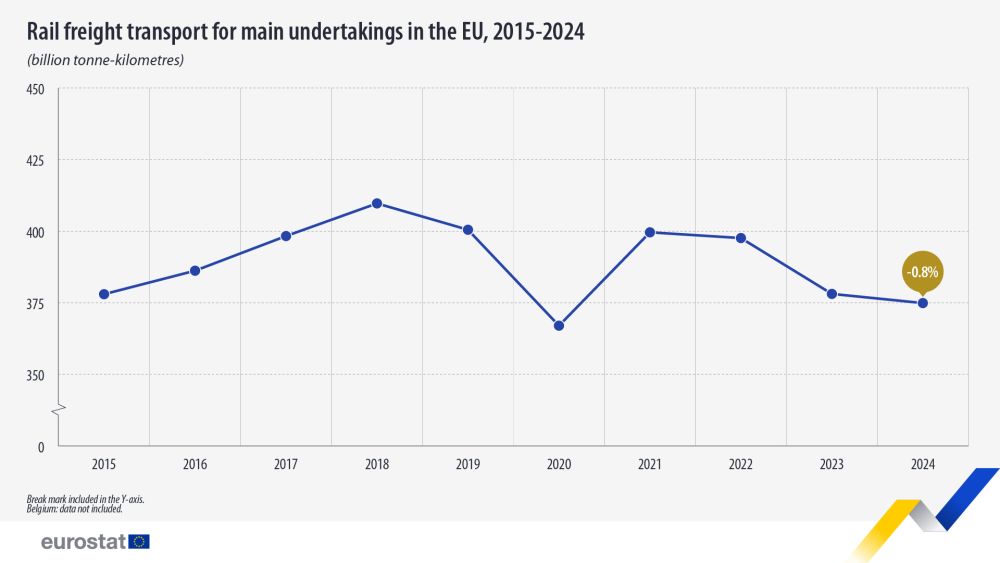
On the freight side, EU rail undertakings recorded 375 billion tonne-kilometres in 2024, slightly down from 378 billion in 2023, a decrease of 0.8%.
Germany remained the largest contributor to rail freight activity, with 126.32 billion tkm. Poland reached 56.713 billion tkm, while France accounted for 32.249 billion tkm. Ireland, Luxembourg, Greece and Estonia each reported freight volumes below 1 billion tkm.
In terms of commodity groups transported, metal ores made up the largest share with 12.2% of the total tonne-kilometres. This was followed by coke and refined petroleum products at 10.1%, and basic metals along with fabricated metal products at 8.9%.