EU ministers call for rail industry strategy
EU transport ministers have called on the European Commission to prepare a dedicated strategy for Europe’s rail supply industry, with public procurement reform also in focus.
Dávid Vitézy, a Hungarian transport policy figure and former state secretary for transport, said the trains could enter service from 2029 if the procurement is launched this year.
The change expands the regulatory framework for the corridor to eight countries: Poland, Czech Republic, Slovakia, Austria, Hungary, Slovenia, Croatia and Italy.
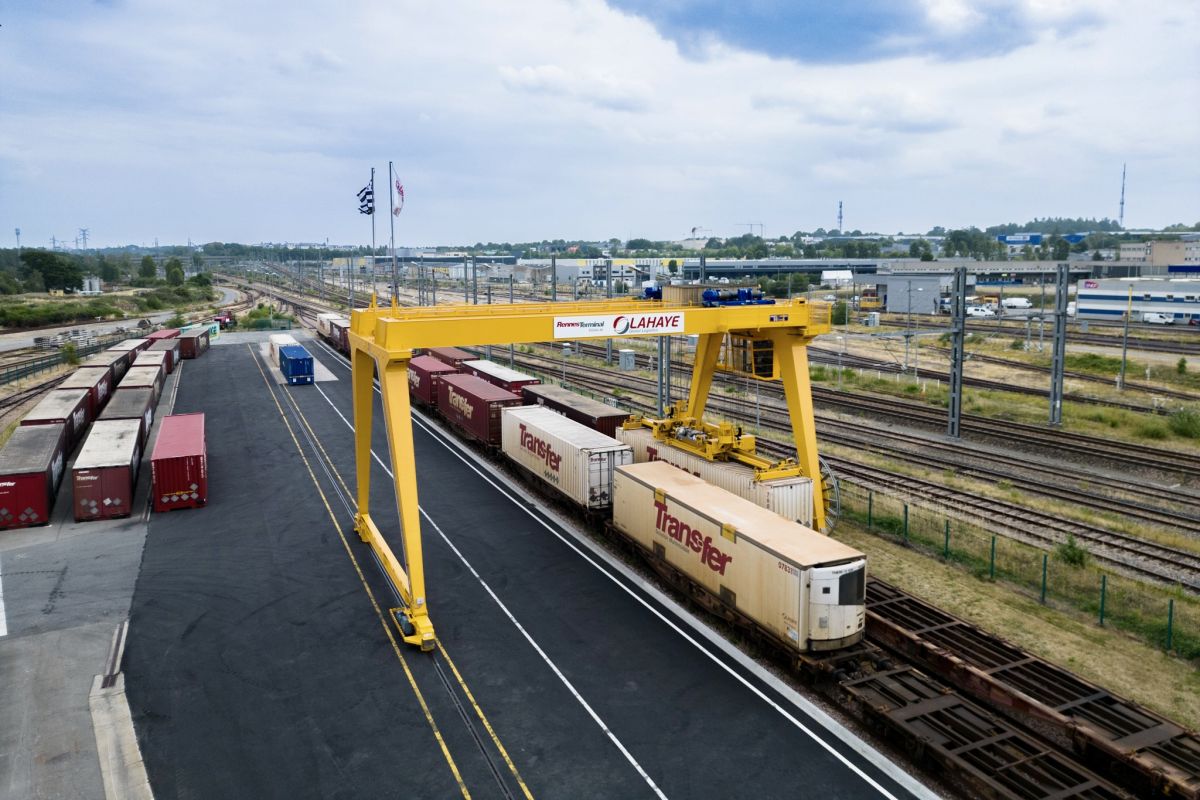
European combined transport grew in 2025 despite major disruption in Germany, with UIRR reporting higher consignments and tonne-kilometres.
This step is continuation of the modernisation of one of the country’s main freight corridors linking the southern Port of Algeciras with the national rail network.
Bednárik states that rail freight’s share of total freight transport in the EU has fallen to around 16%, moving the bloc further away from its modal shift objectives.
The package, presented on 14 May, targets regional, long-distance and cross-border rail travel within the EU.
Rail and logistics organisations are urging the EU to modernise the Combined Transport Directive to support multimodal freight and strengthen competitiveness.
The Czech transport minister has called for stronger EU funding for rail infrastructure and urgent measures to support rail freight competitiveness.
The group is seeking recognition of the scheme in the post-2027 Connecting Europe Facility programme.
ÖBB Rail Cargo Group will require European Waste Codes in rail freight documents from April, ahead of the EU’s new DIWASS system launch.
The framework applies from 30 March 2026; the TBER will remain in force until 31 December 2034, while the LMT Guidelines have no fixed end date.
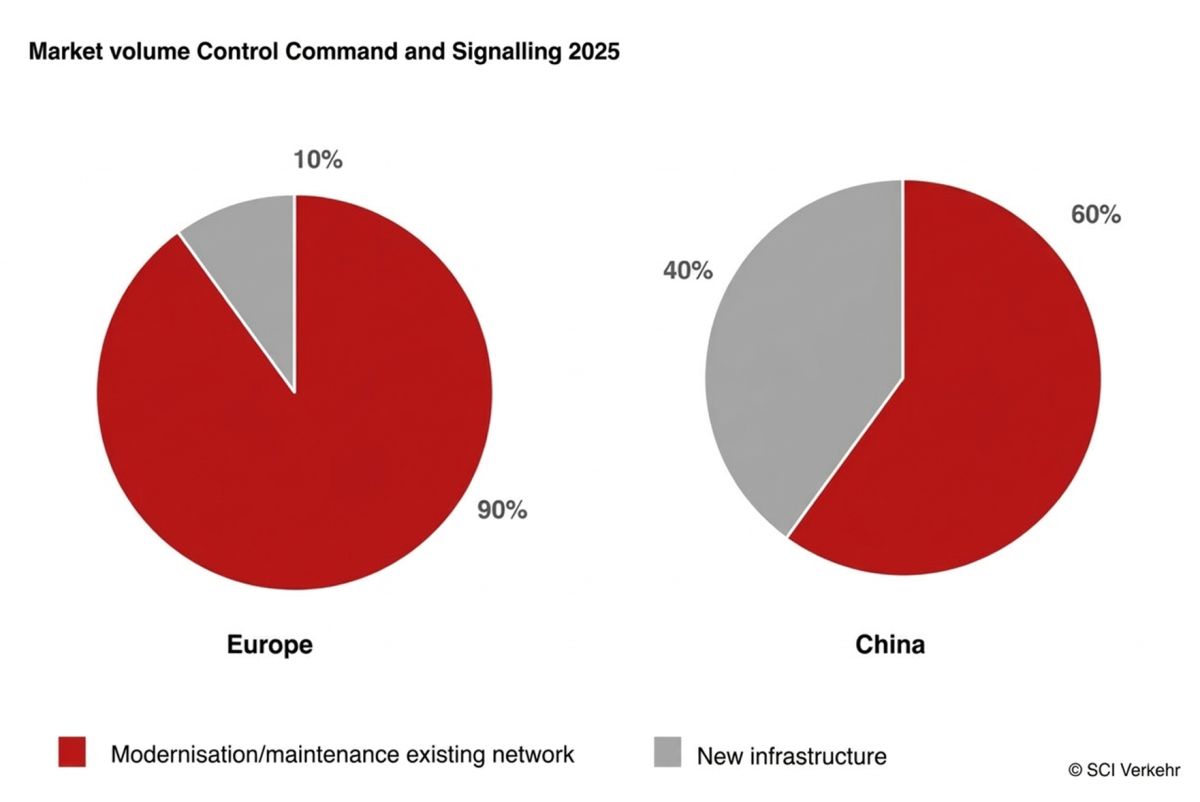
Europe is now the world’s largest market for control, command and signalling (CCS) technology, with modernisation of ageing rail networks driving growth ahead of China.
Rising oil prices linked to renewed geopolitical tension in the Middle East are increasing cost pressure on European road freight, reinforcing the case for rail and intermodal transport on longer distances.
As of February 2026, the EU-Ukraine Solidarity Lanes remain a core trade lifeline for Ukraine, supporting the majority of imports and a large share of non-agricultural exports.
UIRR is urging EU lawmakers to continue work on the Combined Transport Directive, arguing that road-rail intermodal freight could help Europe cut oil dependency and improve energy resilience.
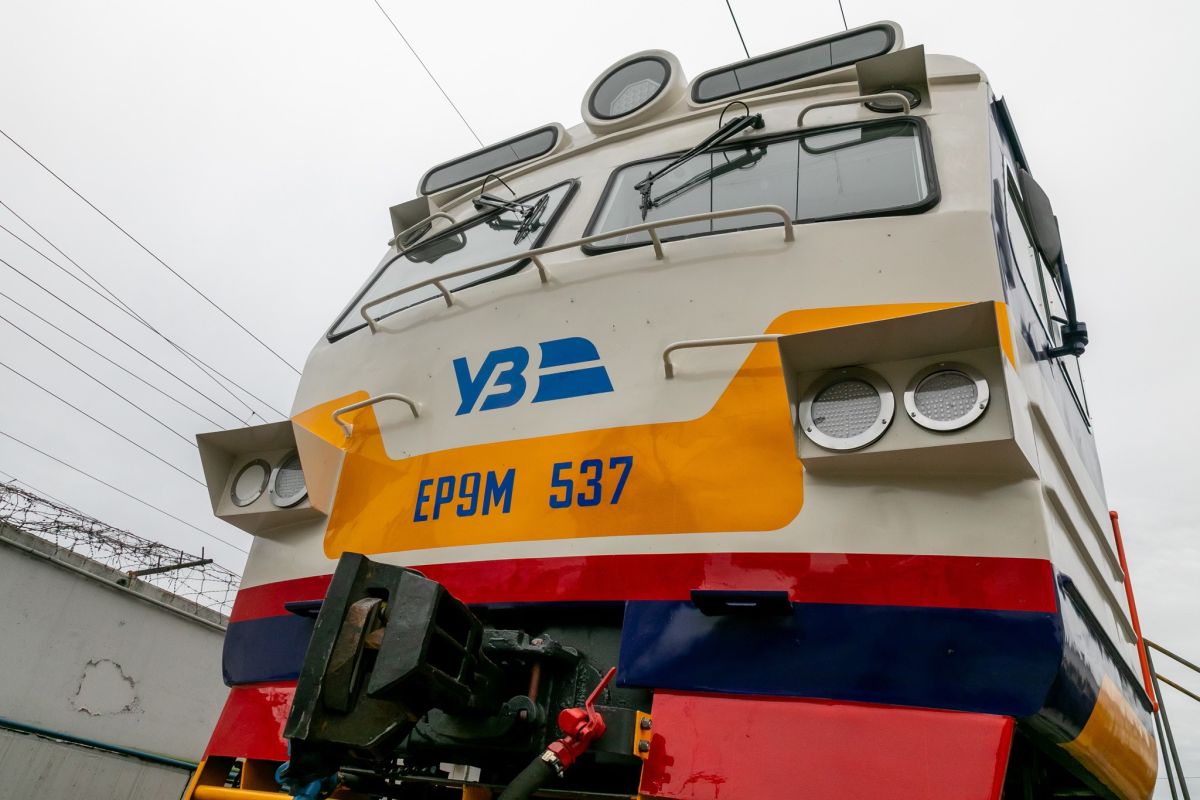
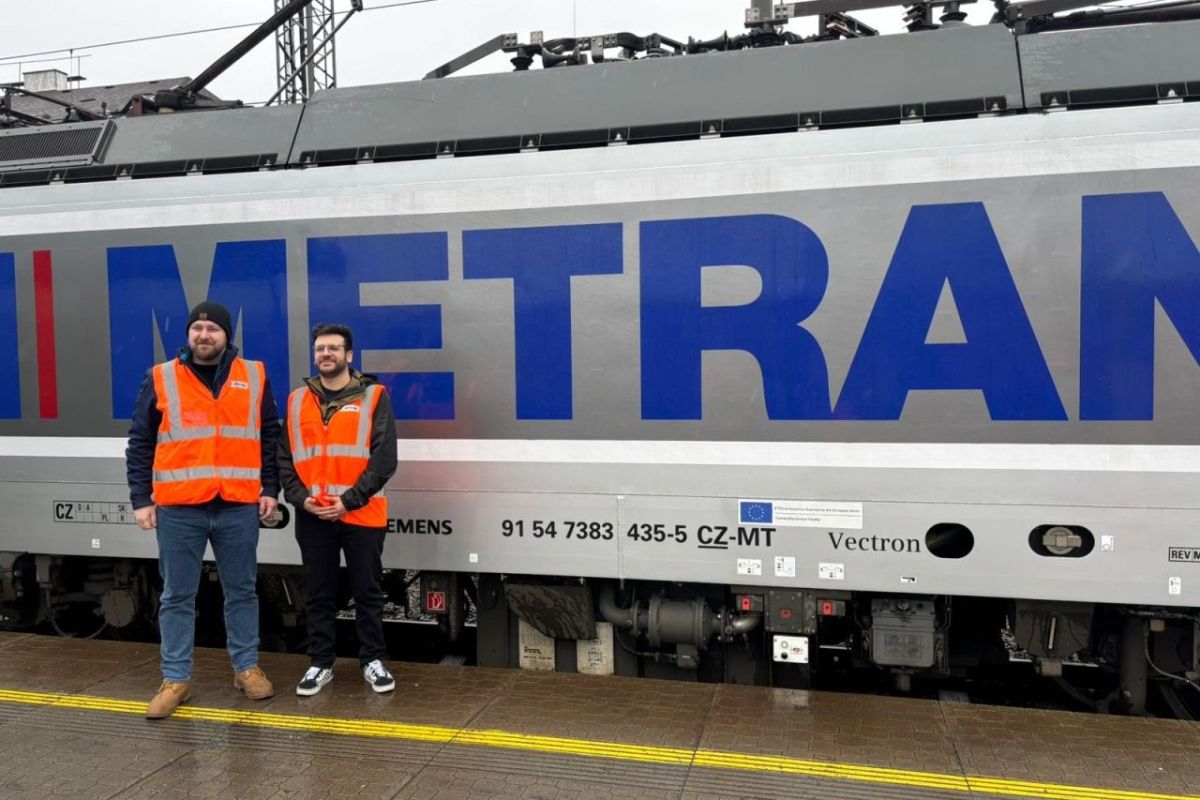
The locomotives have been deployed into regular operations since the end of 2022.
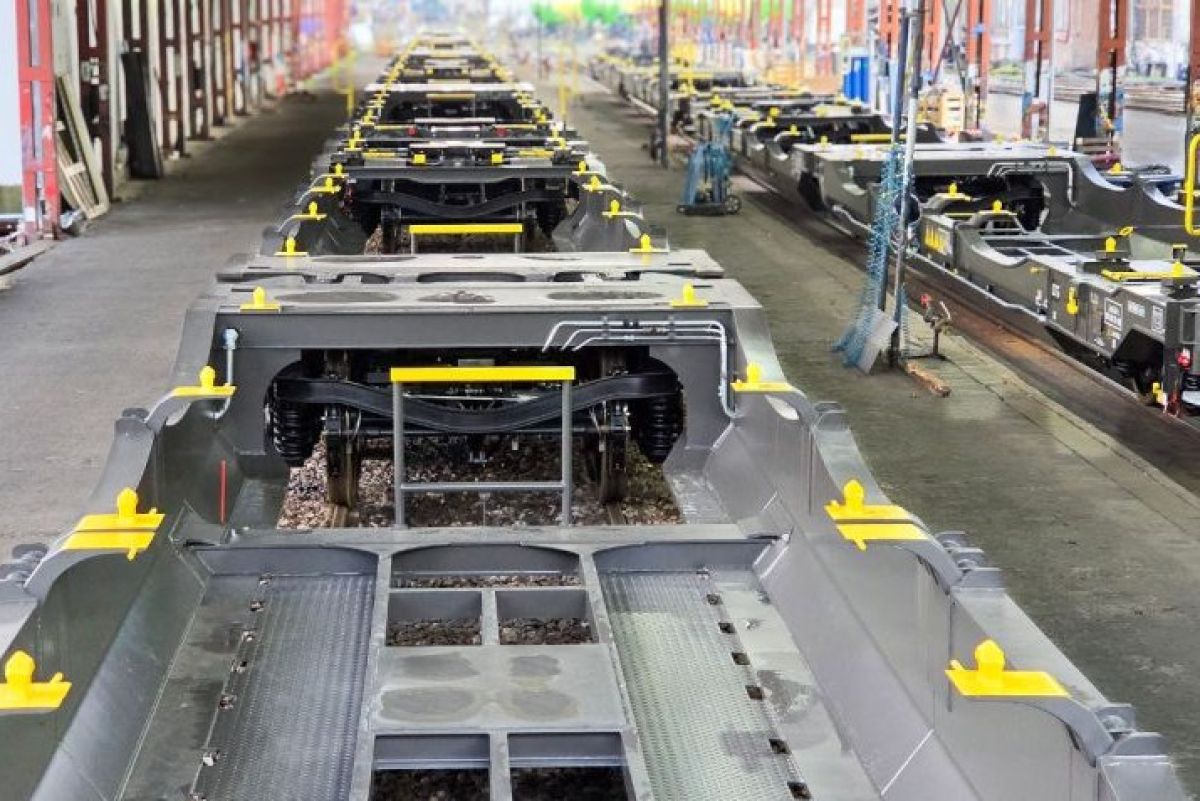
The wagons are intended for intermodal freight services on the Polish market.
The signatories urge General Affairs and Finance Ministers to safeguard a dedicated and strengthened EU transport budget within the future MFF.
In a joint statement dated 23 February 2026, the signatories warn that current trilogue positions could allow wider cross-border use of longer and heavier vehicles.