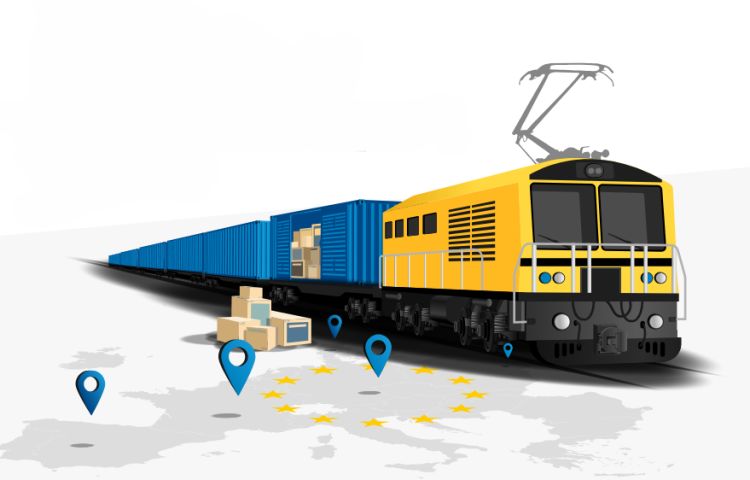
ERFA, UIRR, Die Güterbahnen and RailGood: Rail Freight Priorities for 2024-2029 Legislative Cycle
The initiative aims to address the European Commission's goal of increasing rail freight tonne-kilometres by 50% by 2030 and doubling them by 2050.
The Austrian mobility organization VCÖ compared which cities in the EU have the most night train connections.
Siemens Mobility has unveiled plans for a new fleet of battery-powered trains that promise to revolutionize the future of Britain's railways.
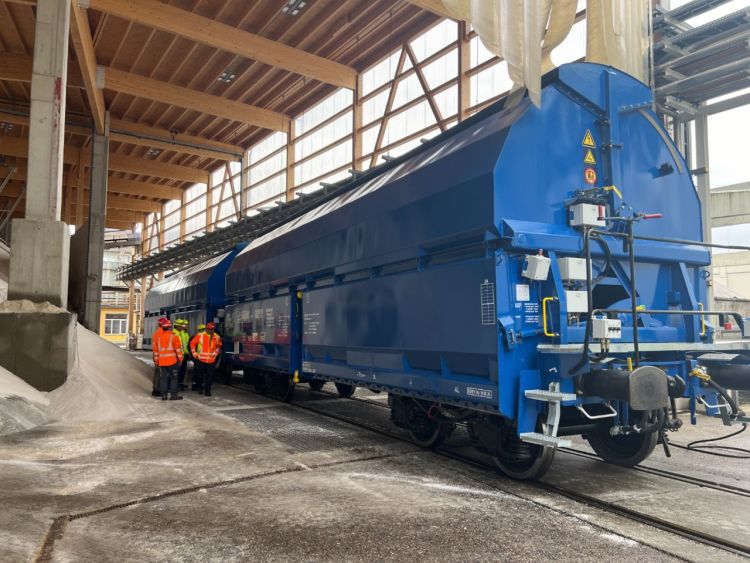
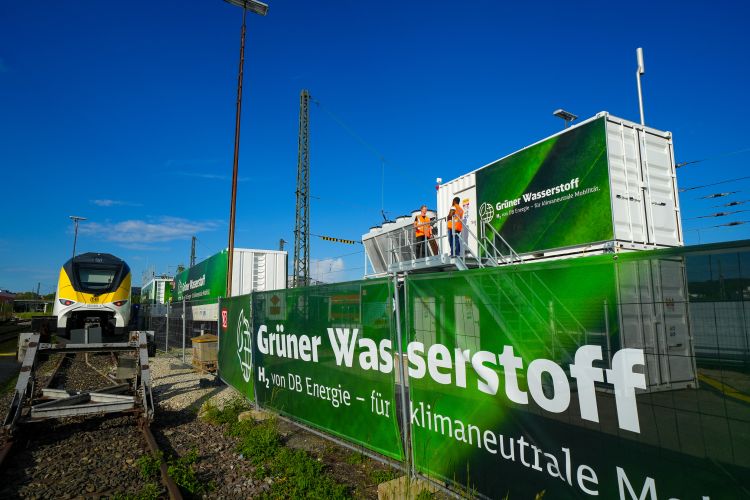
Wagons will provide salt needed for electrolysis process in a green way.
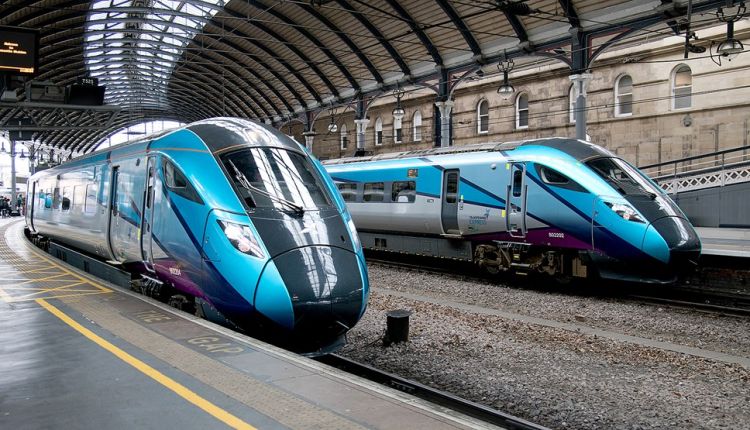
A new chapter in UK rail transport is beginning as the first-ever trial to add a battery on an intercity train gets underway.
Proposed industry-led masterplan will improve rail freight efficiency and introduce new warehousing, workspace, and leisure facilities.
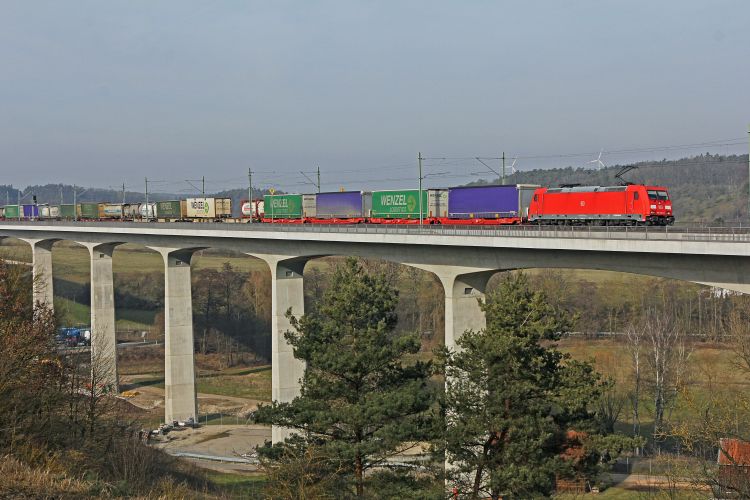
The financial year of European Combined Transport saw a 10.57% decrease in the number of consignments transported and a slightly smaller decrease of 9.39% in the tonne-kilometre performance.
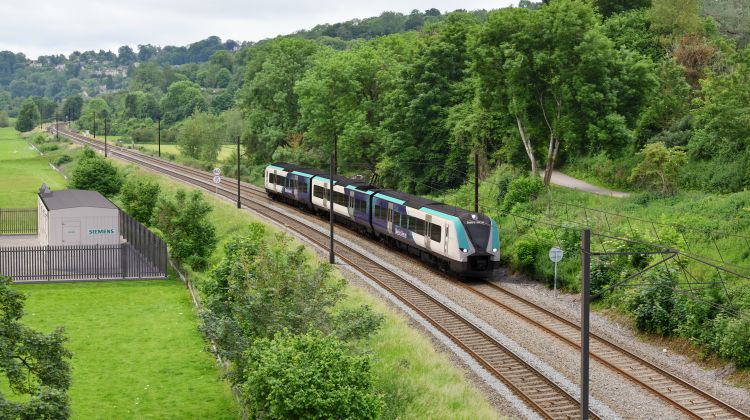
Developed by Stadler at €230 million, the vehicles combine electric, battery, and diesel power sources.
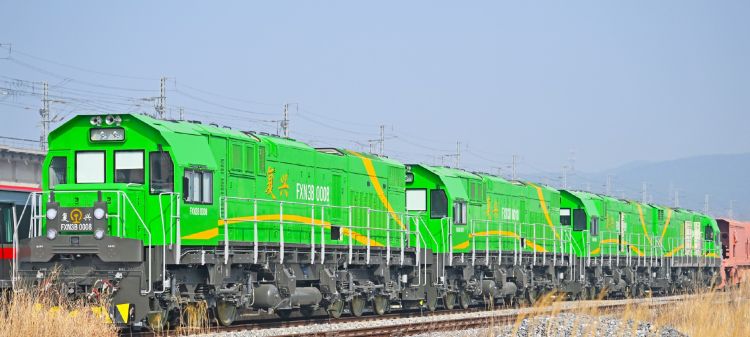
CRRC Dalian developed new FXN3B shunting locomotives for Beijing's major railway stations.
The company tests advanced technologies for feeding renewable energy directly into railway overhead lines.
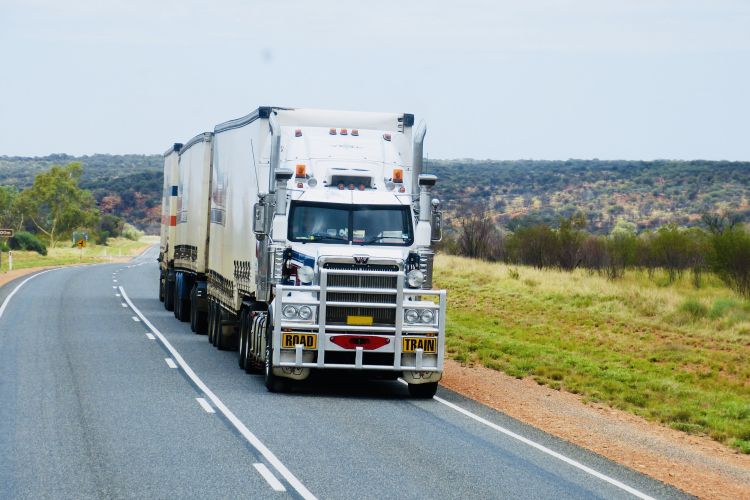
A survey carried out in April in 9 Member States (FR, DE, BE, AT, IT, PL, HU, ES and RO) and based on 8,037 online interviews has revealed that "mega trucks" (European modular vehicle combinations) are largely unknown to the majority of respondents (14% recognised the problem, 34% had a vague idea and 52% admitted not knowing).
This development has enabled VR, the Finnish railway company, and Yara, the global fertilizer specialist, to operate fully electric rail traffic between Yara’s factories across Finland.
Class I railroads, the largest freight rail operators in North America, are intensifying their focus on ecological initiatives.
The decrease in energy consumption is up to 40%.
The project involves the conversion of two locomotives to dual-fuel hydrogen and includes extensive research into the feasibility and environmental impact of the technology.
Three supplementing options were chosen as alternatives to the standard diesel.
The first BEMU, marked as 15 Ev3, arrived at the VUZ testing centre.
These changes could force rail operators to renegotiate existing contracts and increase prices, putting rail at a disadvantage compared to road transport.
This collaboration is a model for integrating renewable energy solutions in the rail industry.
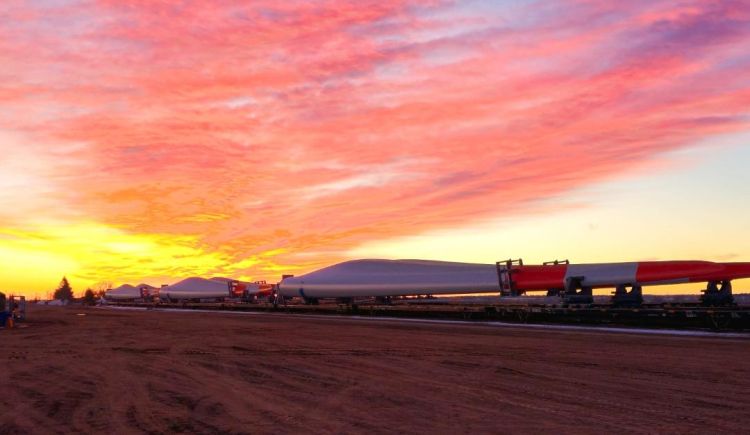
A single blade has a length of over 80 meters, over 48% longer than usual blades.