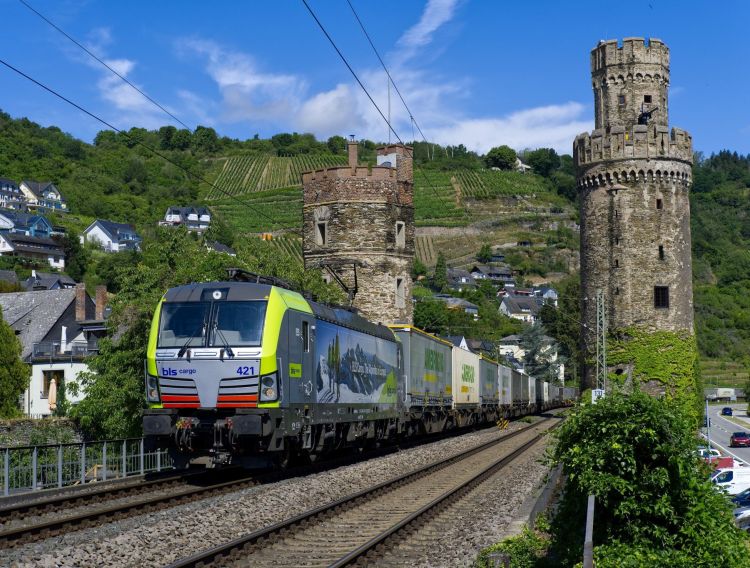
BLS Cargo is assessing the operational and logistical consequences of the early discontinuation of the Rollende Autobahn (Rola) service, which is now scheduled to end by December 2025.
Infrastructure strain prompts early termination
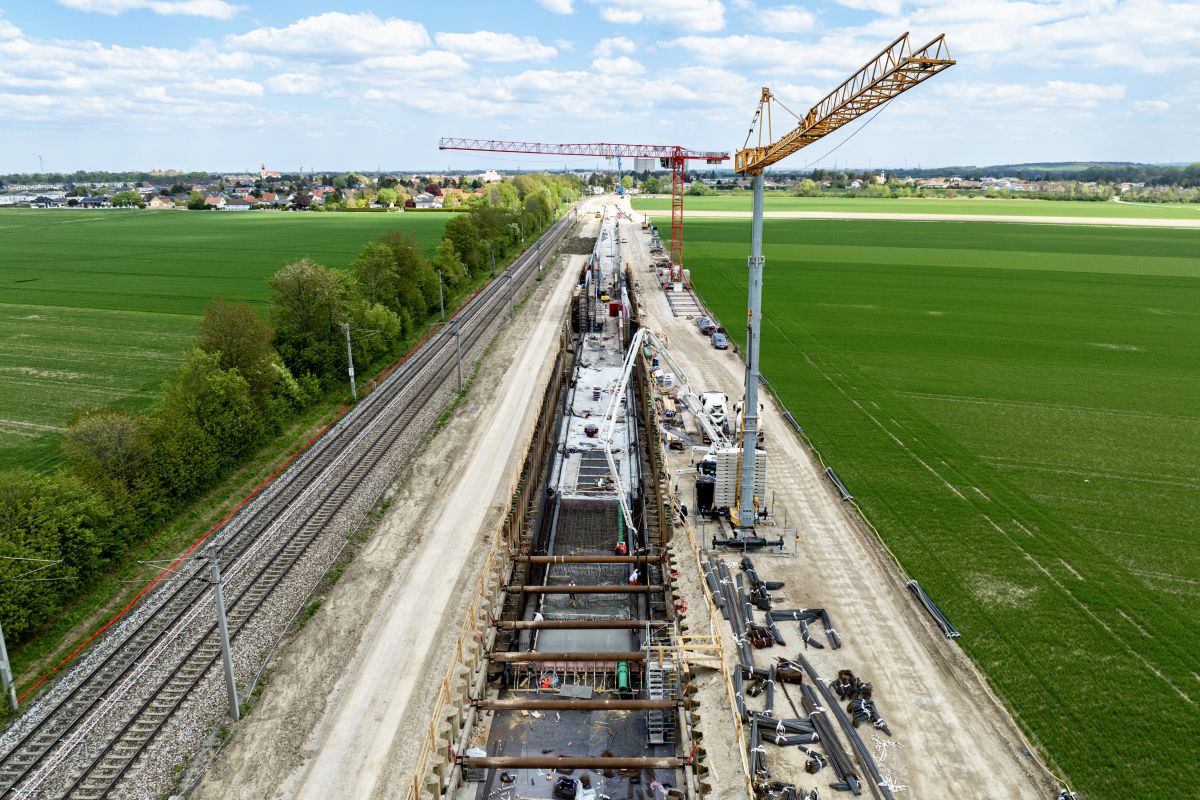
The Rola service, operated by RAlpin, has suffered from mounting disruptions on the rail network. These include planned and short-notice construction works and other operational constraints, contributing to a substantial drop in service reliability. In 2024, around 10% of scheduled trains were cancelled. The situation further deteriorated in the first quarter of 2025, with a 22% year-on-year reduction in train operations—794 trains were run compared to 1,018 in the same period of 2024.
The Swiss Parliament had previously extended federal support for the service until the end of 2028. However, despite continued customer demand and an average utilization rate of 80%, the service has become economically unsustainable. In 2024, RAlpin reported a financial loss of approximately EUR 2.25 million. After discussions with federal authorities, the decision was made to cease operations with the timetable change in December 2025.
Impact on modal shift objectives
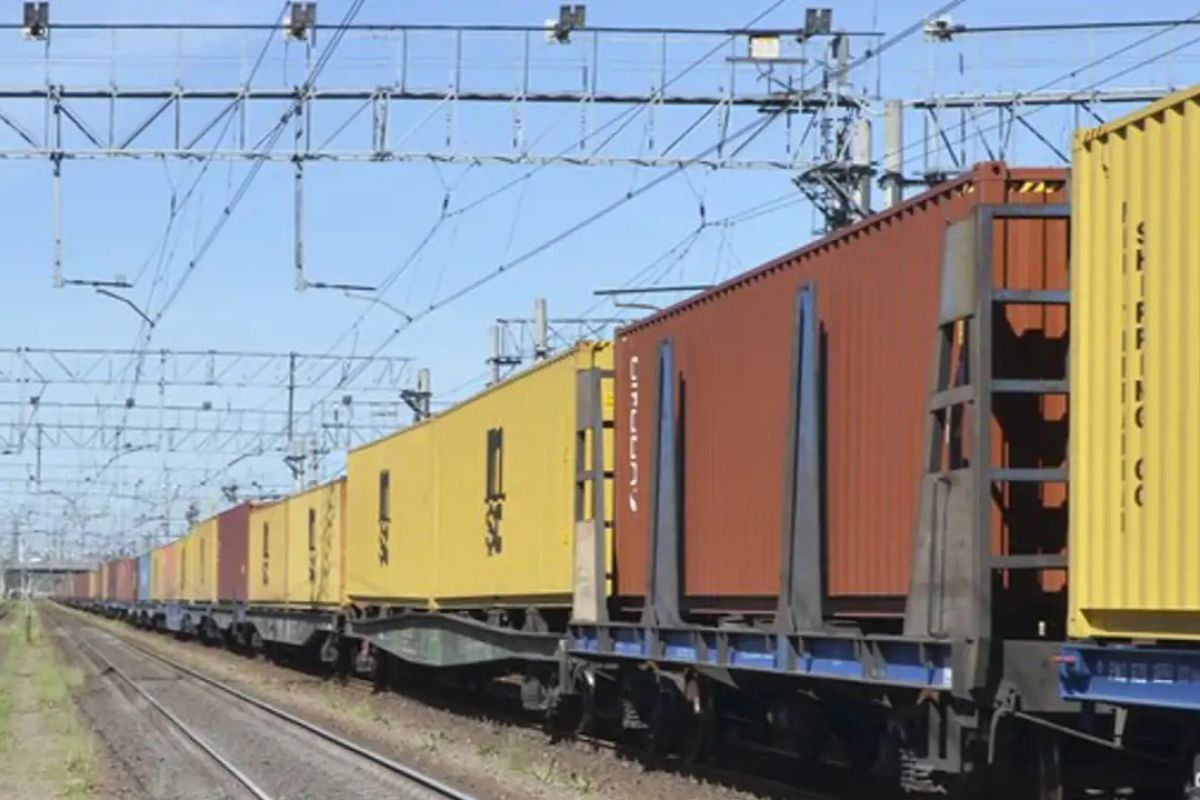
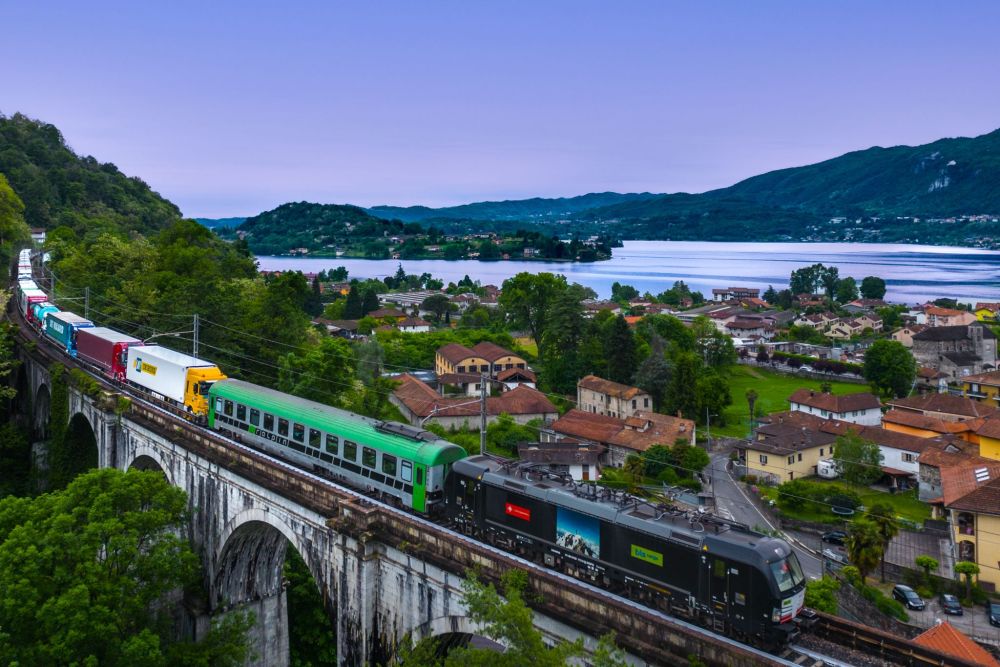
The closure affects RAlpin’s capacity to shift up to 80,000 trucks annually from road to rail via the Freiburg im Breisgau–Novara corridor. This capacity represented about 7% of all combined transport crossing the Swiss Alps. With the termination of Rola, there is a risk that a portion of this volume will revert to road transport, at least temporarily, until transporters adapt to unaccompanied combined transport solutions such as cranable semi-trailers.
BLS Cargo is currently coordinating with customers to examine alternatives that can retain freight volumes on rail. Efforts focus on finding ways to prevent backshifting to road and to restore profitability and operational sustainability in alpine freight rail transport.
Transition to unaccompanied combined transport
Originally conceived as a transitional solution dating back to the late 1960s and relaunched in 2001 under RAlpin AG—a joint venture between SBB, BLS, and Hupac—the Rola service allowed complete trucks to be loaded onto trains, with drivers accompanying their vehicles. With infrastructure developments like the NEAT and evolving intermodal technologies, attention has shifted toward unaccompanied transport of containers and cranable trailers.
RAlpin’s shareholders have committed to financing the Rola service through its wind-down phase to ensure orderly termination and fulfilment of contractual obligations. Meanwhile, political and industry discussions continue at Swiss and European levels to address broader infrastructure reliability issues and ensure long-term support for transalpine rail freight transport.