LTG Group has begun technological trials on Lithuania’s railway network, focusing on infrastructure scanning, artificial intelligence and automation tools.
The company said fully autonomous trains remain a long-term prospect. Its current approach is based on testing individual technologies that could later form part of a wider ecosystem for automated rail operations.
According to Vytautas Bitinas, LTG’s Chief Technology Officer, the priority is to identify reliable and cost-effective solutions. These include sensors, cameras and analytical systems able to assess areas around train doors, monitor obstacles on the track and support remote supervision of operations.
“The direction of travel is clear,” Bitinas said. “In the future, this could reduce the need for human intervention while maintaining the highest levels of safety.”
One of the main technologies now being introduced is a 3D railway infrastructure scanning system. It is designed to capture the geometry of the network in real time and create a detailed digital twin of railway infrastructure.
The system should help LTG assess infrastructure condition, detect small changes, predict potential failures and make maintenance planning more data-driven.
Lithuania’s railway network extends for more than 3,500 kilometres, making even partial automation of inspection and maintenance processes significant for one of the country’s largest infrastructure systems.
The technology is also expected to support the electrification of the Vilnius–Klaipėda corridor, where monitoring the power supply network and restoring service quickly will be important for reliable operations.
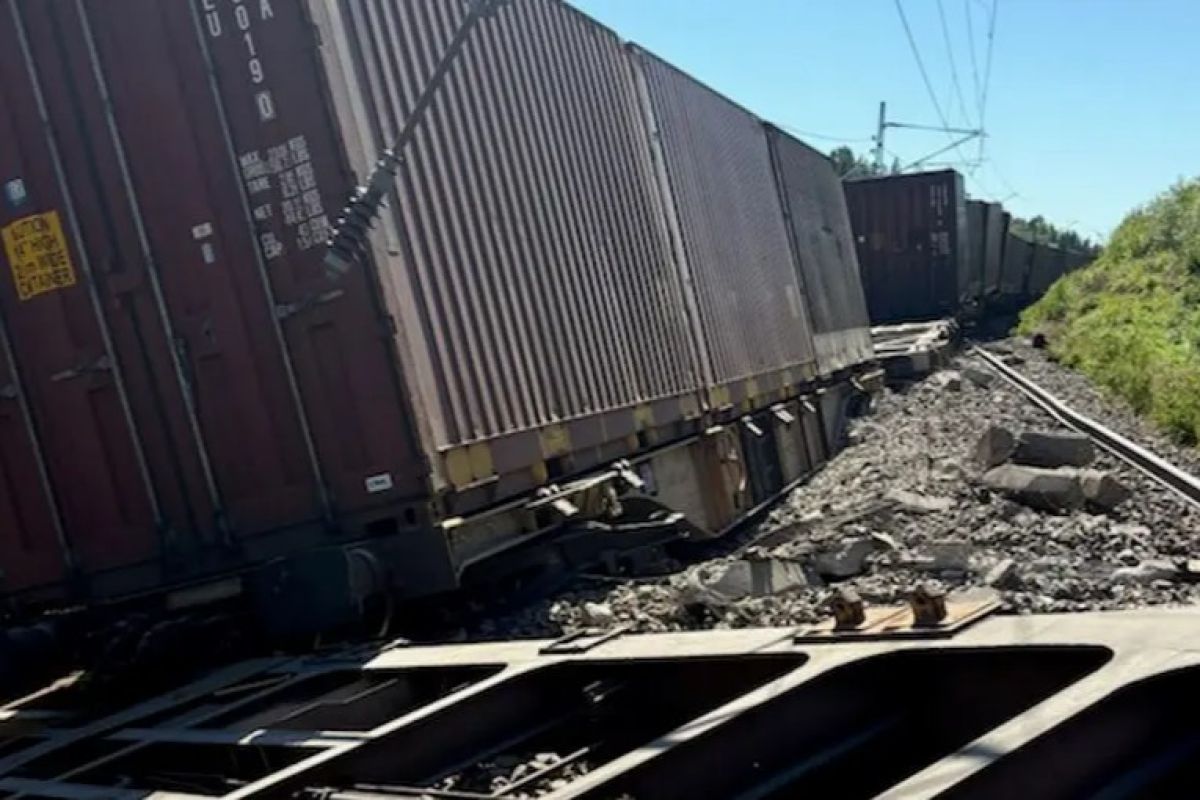
LTG is also testing AI-based environmental monitoring tools that can analyse railway sections in real time. The systems are intended to detect hazards such as fallen trees, vehicles or other objects on the tracks.
The company said new automation tools will be introduced gradually and only after testing in controlled and real operating conditions. This step-by-step approach is intended to ensure safety while creating the technological basis for more autonomous rail transport in the future.