Qatar–Saudi Arabia plan high-speed electric passenger railway linking Doha and Riyadh
Qatar and Saudi Arabia have presented plans for a high-speed electric passenger railway connecting their two capitals, Doha and Riyadh.
The scope of the contract includes the supply of the trainsets, maintenance services for each vehicle over a period of 30 years, and the delivery of a dedicated technical maintenance facility.
Vietnam is moving forward with its first high-speed rail projects after VinSpeed and Siemens Mobility signed a comprehensive cooperation agreement. Siemens is expected to act as technology partner for rolling stock, signalling and core rail systems.
Deutsche Bahn (DB) and Eurostar have signed a Memorandum of Understanding to explore a direct high-speed service between London and major German cities such as Cologne and Frankfurt, with operations targeted for the early 2030s.
The Hitachi Rail–Sistem consortium has secured a €126.5 million contract to install signalling and traffic management systems on the Talayuela–Plasencia section of the Madrid–Extremadura High-Speed Line. The deal also includes four years of maintenance.
DAL delivered the operating-lease framework underpinning the entire transaction.
If successful, the travel time between the two cities will be less than two hours.
The line is part of the Atlantic Corridor within the Trans-European Transport Network (TEN-T).
Siemens Mobility unveils Velaro high-speed train and Desiro HC regional fleet at TransMEA 2025, advancing Egypt’s 2,000 km HSR project.
The European Commission has presented a comprehensive plan to deliver a unified high-speed rail network across the European Union by 2040.
To mark the anniversary, the operators are releasing 25,000 additional discounted tickets for travel between the two countries. Fares start at EUR 19.99 and are available until mid-November.
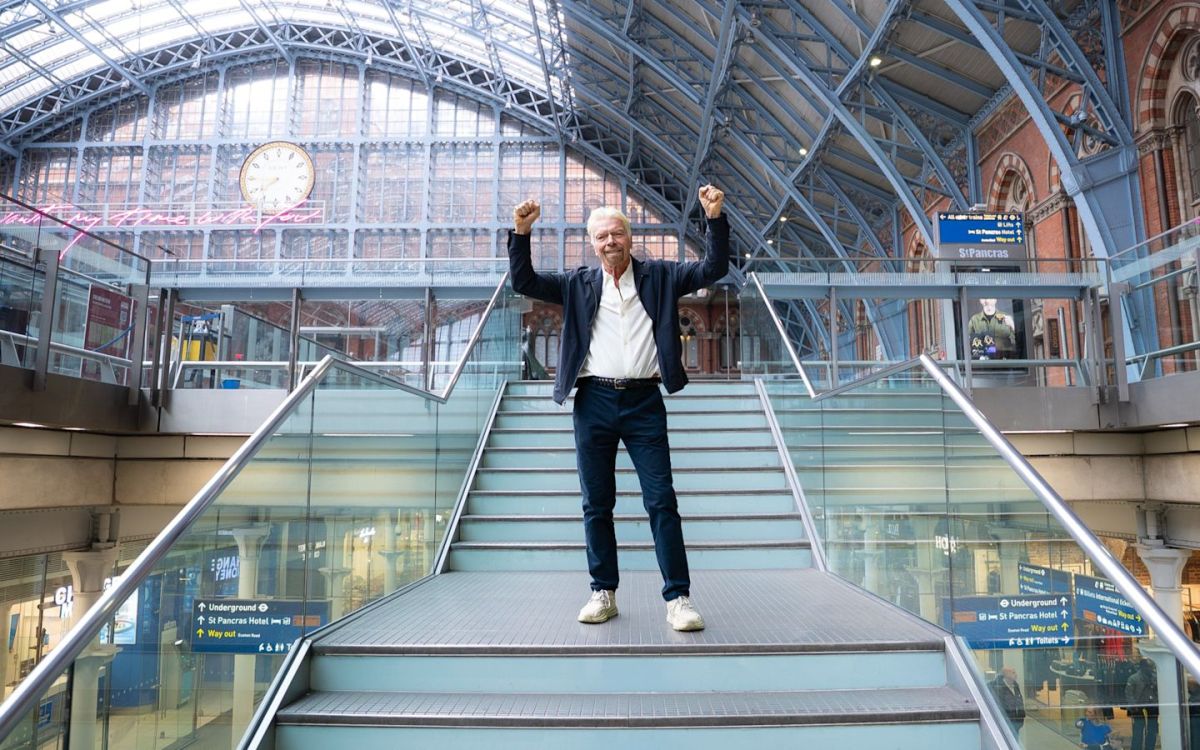
Virgin has received regulatory approval from the UK's Office of Rail and Road to access the Temple Mills International depot in East London. This development paves the way for a new open-access international train operator on the Channel Tunnel route, targeting launch by 2030.
The first commercial train will depart from Beograd Centar station and head to Subotica at a speed of 200 km/h.
Expanded competition should involve routes connecting Madrid with Galicia, Asturias/Cantabria, and Cádiz/Huelva, with a combined total of up to 72 new daily paths.
In an interview with French daily Les Échos, FS CEO Stefano Antonio Donnarumma outlined the group's ambition to reshape long-distance rail travel across Europe by expanding its cross-border high-speed network. The goal is to create a rail system that connects major urban centres with a frequency and convenience similar to a metropolitan service.
The new rolling stock is expected to replace part of the existing fleet and support services to destinations including France, Italy, and potentially Spain and the UK during the 2030s.
Iran’s Ministry of Transport has confirmed that a contract for the Tehran–Mashhad high-speed rail line is close to being finalised, with the signing expected during the Iranian president’s upcoming trip to Beijing.
The trains are configured to run at speeds of up to 257 km/h (160 mph), serving the route between Washington, D.C., New York City, and Boston.
Construction work on the connection between the Madrid–Barcelona and Madrid–Levante high-speed lines has passed the halfway stage, according to the Ministry of Transport and Sustainable Mobility.
Once operational, the network will link key urban centres and communities, reducing travel times and strengthening connectivity across the country.