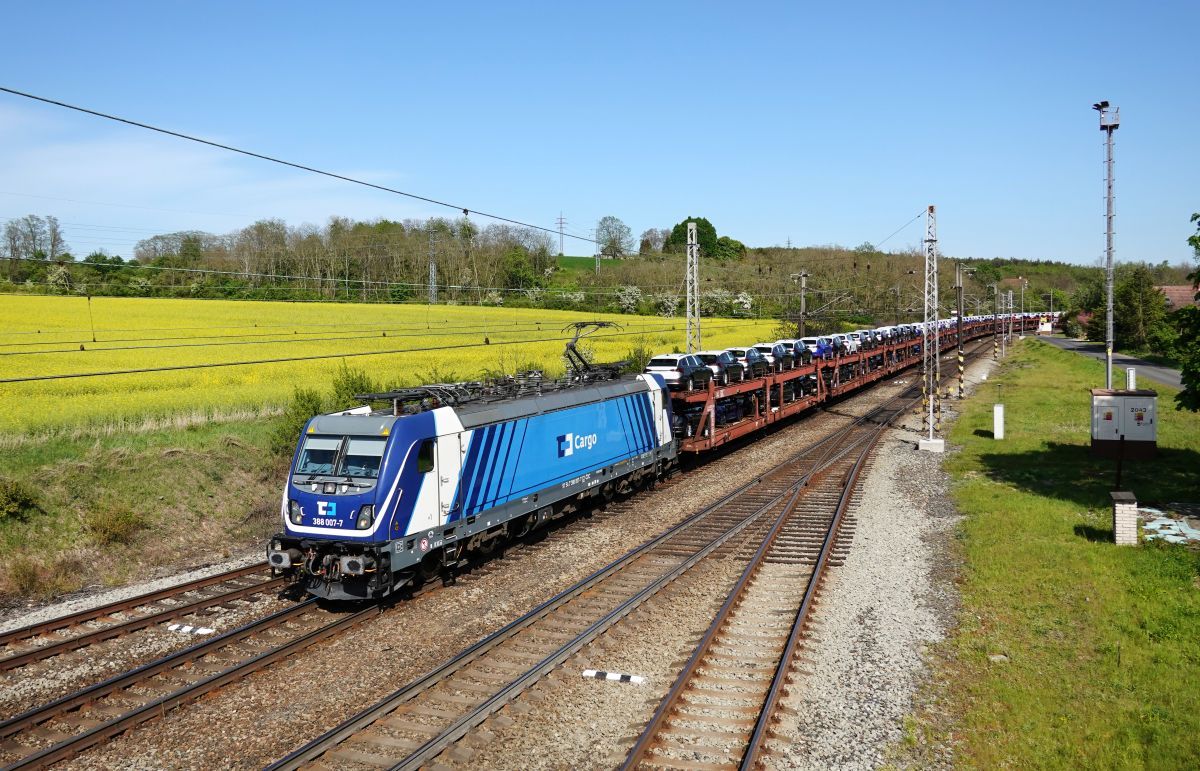
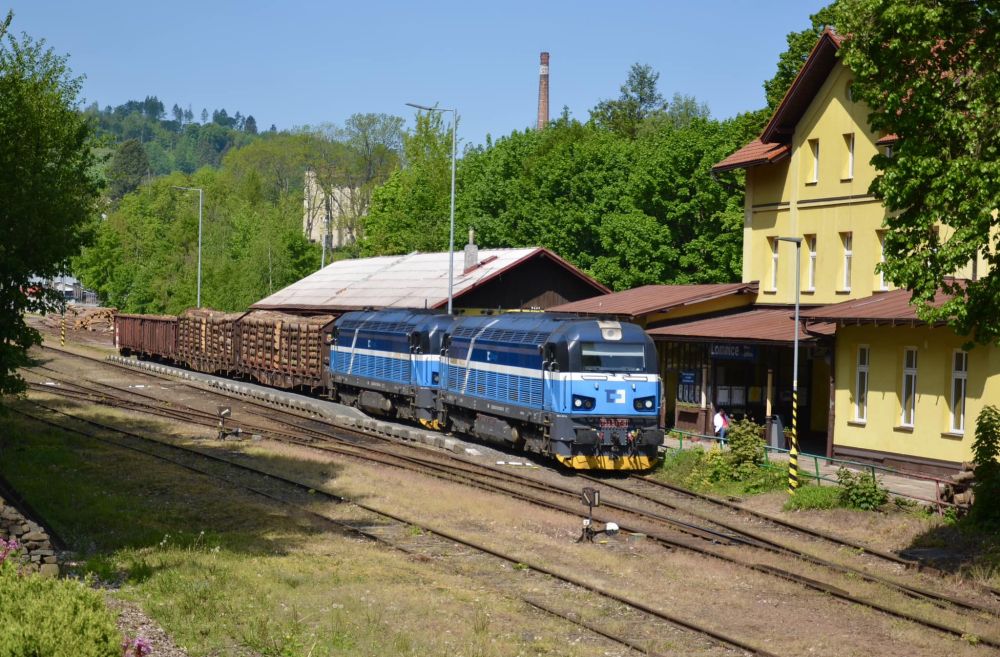
Discussions focus on concentrating loading operations into a limited number of stations and restructuring the system to improve cost-efficiency. The company is cooperating with Správa železnic to identify suitable locations for this purpose.
Timber is one of the key commodities within the single wagonload segment in Czechia. This product category is currently under review by ČD Cargo, which considers changes to its viability following prolonged losses and shifting demand. According to ČD Cargo data, the company transported approximately 450,000 tonnes less in the single wagonload segment during the first half of 2025 compared to the same period the previous year. The decline reflects reduced industrial output and pressure on operational efficiency.
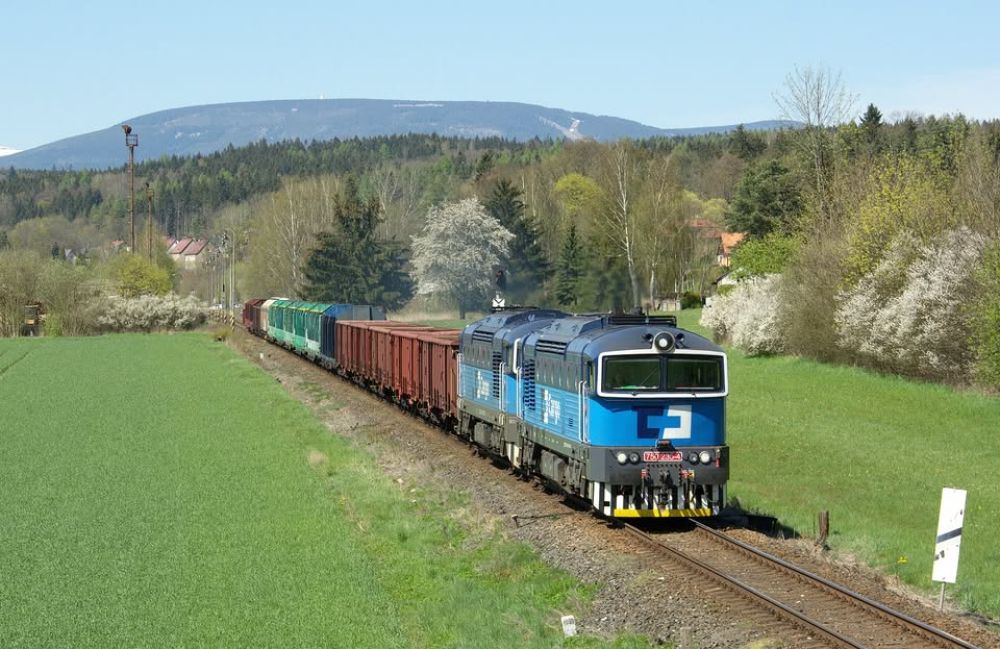
The discussion with the wood industry comes during a period of restructuring for ČD Cargo. The operator is facing overcapacity in its vehicle fleet and declining transport volumes across multiple sectors. Between 2022 and 2024, the company recorded an overall volume decrease of approximately 11 million tonnes, including a two-million-tonne decline in bark beetle-infested wood and a five-million-tonne reduction in shipments for the Liberty steel plant, now in insolvency proceedings.
As the CEO of ČD Cargo, Tomáš Toth, explained in an interview for Seznam Zprávy, the company reduced its freight wagon fleet by 520 vehicles last year and plans to remove at least another 1,400 wagons during 2025, many of which were used for coal transport. Similarly, around 80 locomotives are due for sale or decommissioning. The number of employees has dropped by 810 since early 2024 through attrition, unfilled positions, and layoffs.
ČD Cargo's single wagonload service competes directly with road freight operators and is considered unsustainable under current economic conditions. By centralizing timber loading points and coordinating operations with the infrastructure manager, the operator aims to identify whether this product can be maintained under revised terms. Company management has indicated that a decision regarding the future of wagonload services will be made by mid-2025 based on performance, pricing, and customer demand.
While ČD Cargo remains active in block train operations and continues its international expansion, domestic volumes are under pressure. The operator is adjusting its structure to reflect the lower demand for traditional commodities such as coal and steel. Despite a moderate increase in consumer goods volumes by approximately 800,000 tonnes, the shift is insufficient to compensate for industrial losses.
An example from Slovakia
ČD Cargo’s Slovakian counterpart, ZSSK CARGO, has been successfully deploying the strategy of accumulating timber shipments for several years. In three stations, one in the western part of the country, one in southern central and one in the eastern part, sees accumulation of single wagonload shipments as well as deliveries by trucks. In these three stations, block trains are the formed for transport of timber to Mondi SCP, the pulp and paper producer situated in Ružomberok, northern central Slovakia.
Dedicated timber terminals in Sweden
In other countries, such as Sweden, dedicated inland timber terminals (such as the one in Torsboda for example), see trucks shipments accumulating large volumes of timber and wood chips, which are then loaded onto block trains, predominantly pulled by Hector Rail, to many sawmills, pulp mills and ports situated mainly at the Swedish coast.