Double traction trials target heavier diesel operations
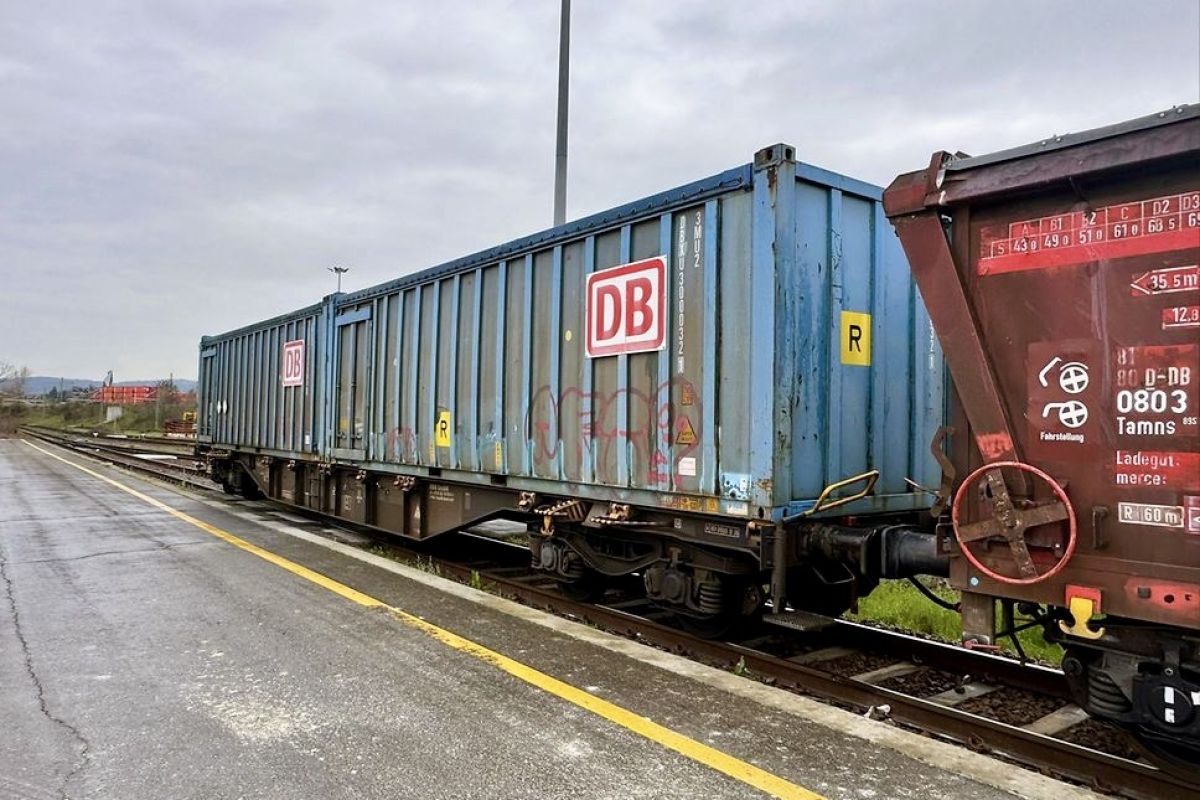
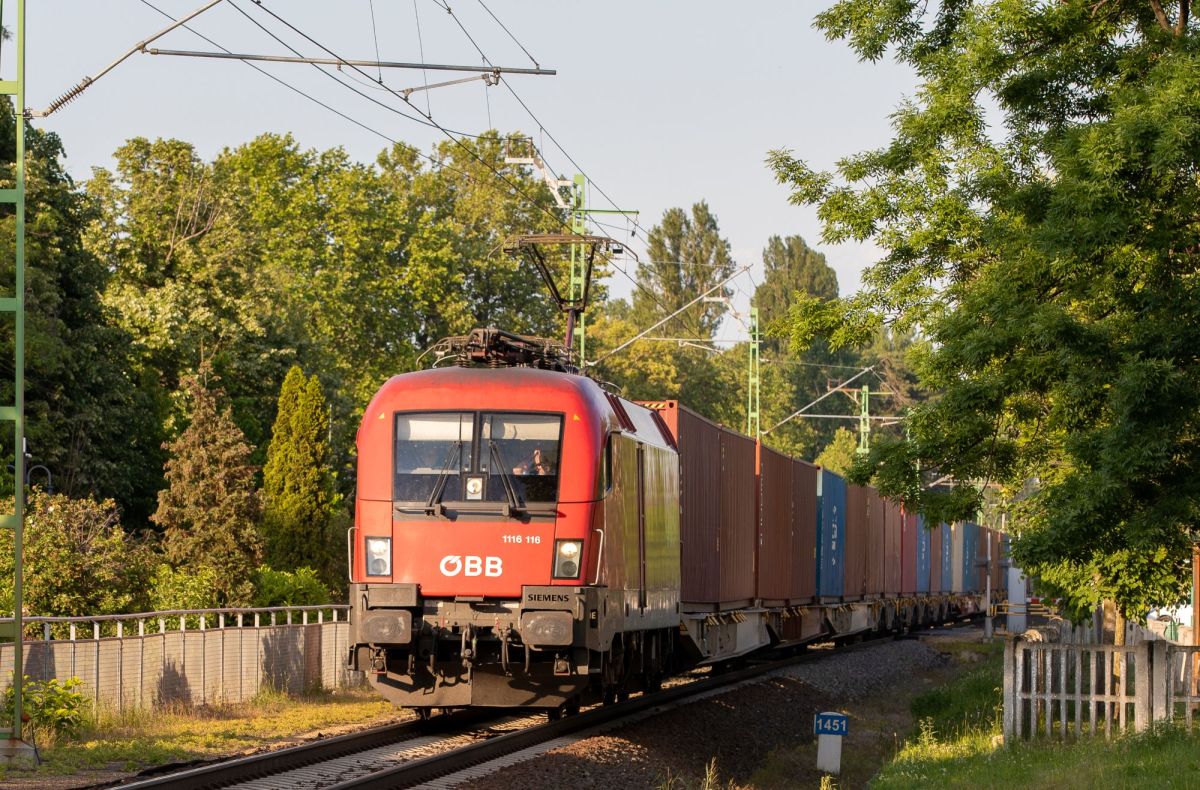
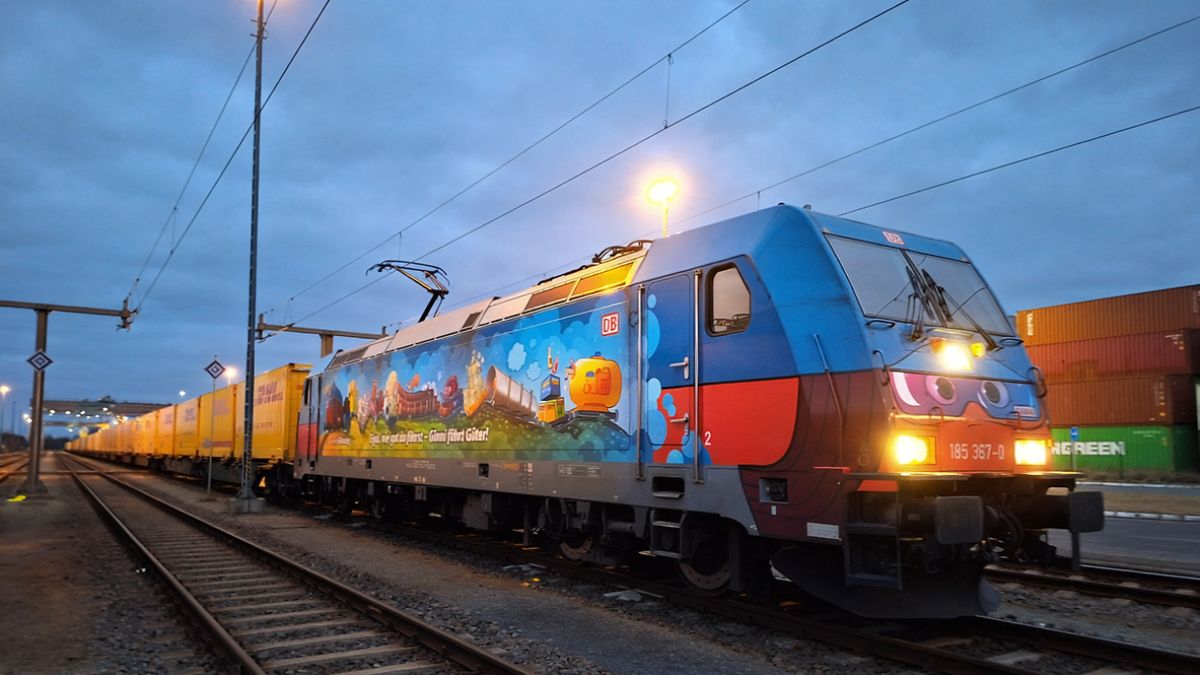
DB Cargo Hungária is trialling a diesel double traction setup designed to increase tractive effort and operational flexibility in freight transport.
The sector recorded its highest historical market presence despite a general decline in national freight volumes below 220 million tons.
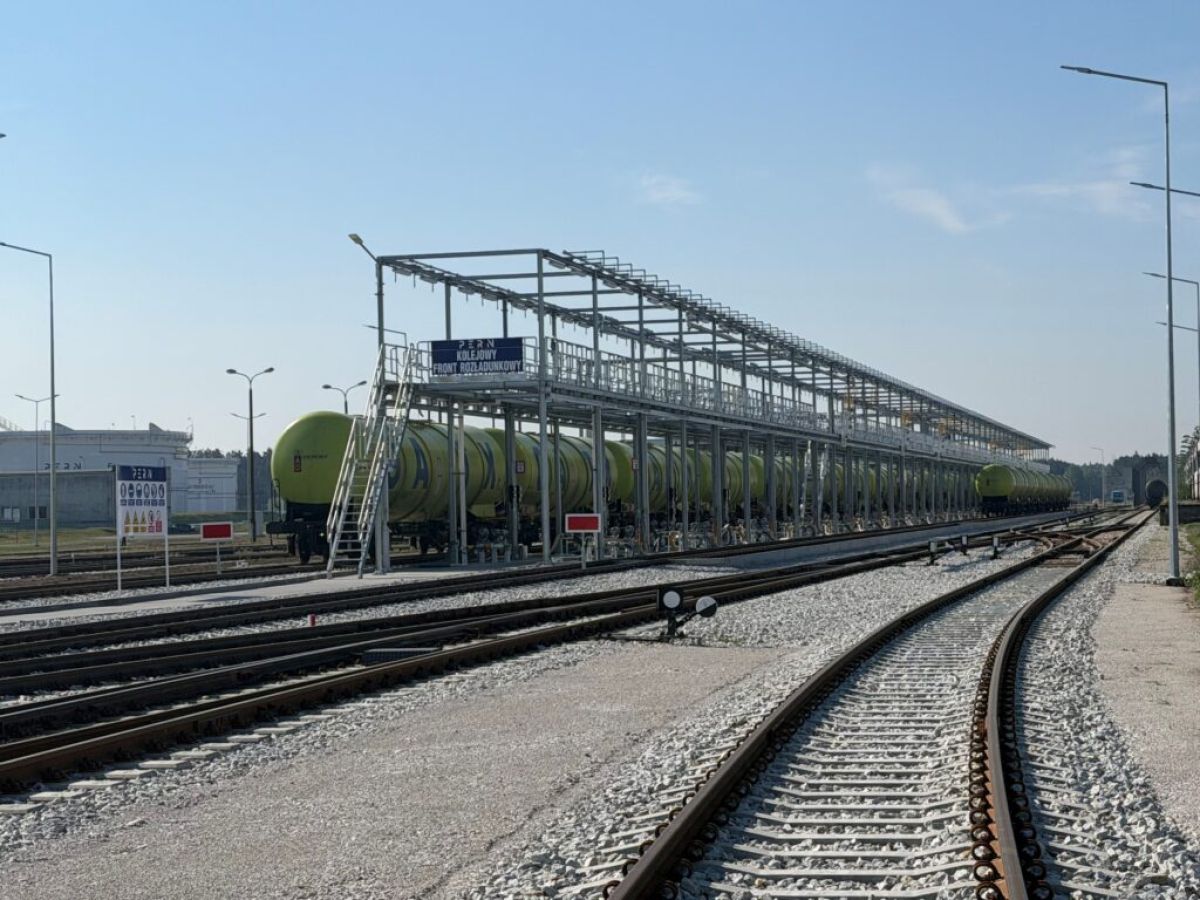
The facility is not restricted to on-site chemical producers; it is also open to external customers requiring reheating of rail-delivered products prior to onward distribution.
The agreement covers bulk china clay flows from local rail-connected sites in the South West of England.
Rail and logistics organisations are urging the EU to modernise the Combined Transport Directive to support multimodal freight and strengthen competitiveness.
The connection provides a scheduled alternative to road freight on the Balkan corridor.
A new China–Europe freight service from Wuhan to Baku has been launched via the Middle Corridor, strengthening Eurasian rail and multimodal logistics.
ÖBB Rail Cargo Group has increased frequency on its Villach–Desio service, strengthening rail freight links between Austria and northern Italy.
CargoBeamer has launched a new intermodal service between Stuttgart and Milan, strengthening rail freight capacity across the Alps.
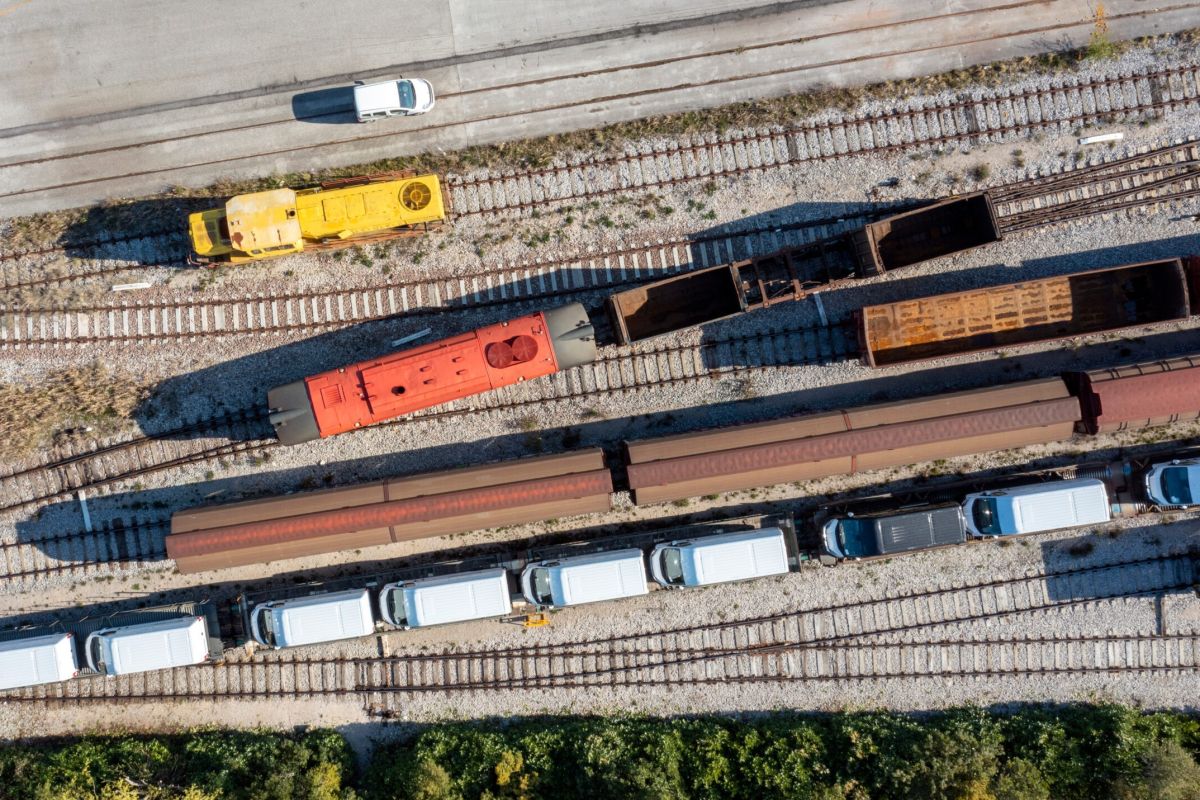
A time-critical rail operation led by Forwardis has delivered 30 donated buses from France to Ukraine, highlighting the role of rail in complex humanitarian logistics.
The milestone operation took place at Hodoš station, which was the locomotive’s debut on Slovenian infrastructure.
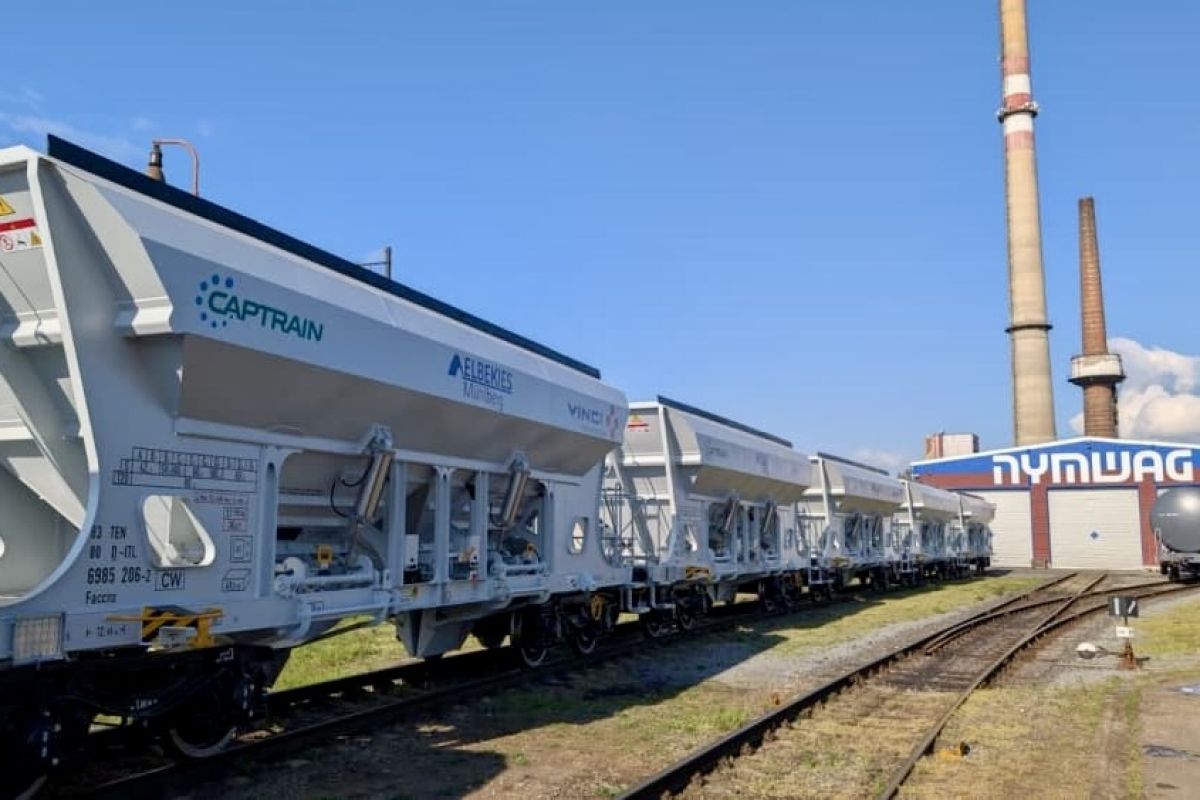
Agro trains now operate between Poland and Germany with Captrain traction.
The ranking is based on the increase in state aid received under the national rail freight funding framework.
The Bergen Line covers 461 km via Roa (483 km via Drammen) and is considered one of Norway’s most resilient freight corridors due to challenging mountain conditions that limit road transport reliability.
The initiative replaces more than 1,400 annual truck journeys with rail transport, equivalent to 1.2 million road kilometres and 1,500 tonnes of CO₂ savings each year.
Train movements are expected to begin later in April 2026.
The agreement extends a partnership of more than two decades and supports growing production at Halewood, where Jaguar Land Rover is investing in facilities for next-generation electric vehicles.
The partnership targets customers in the paper, steel and scrap sectors.
The integrated schedule utilizes the Lyon PEH hub to link Mediterranean ports with the North Sea-Baltic corridor via 18 weekly round trips.
The 213 km rail link connects the Campinas industrial hub to Brazil’s primary maritime gateway via a consolidation terminal in Paulínia.