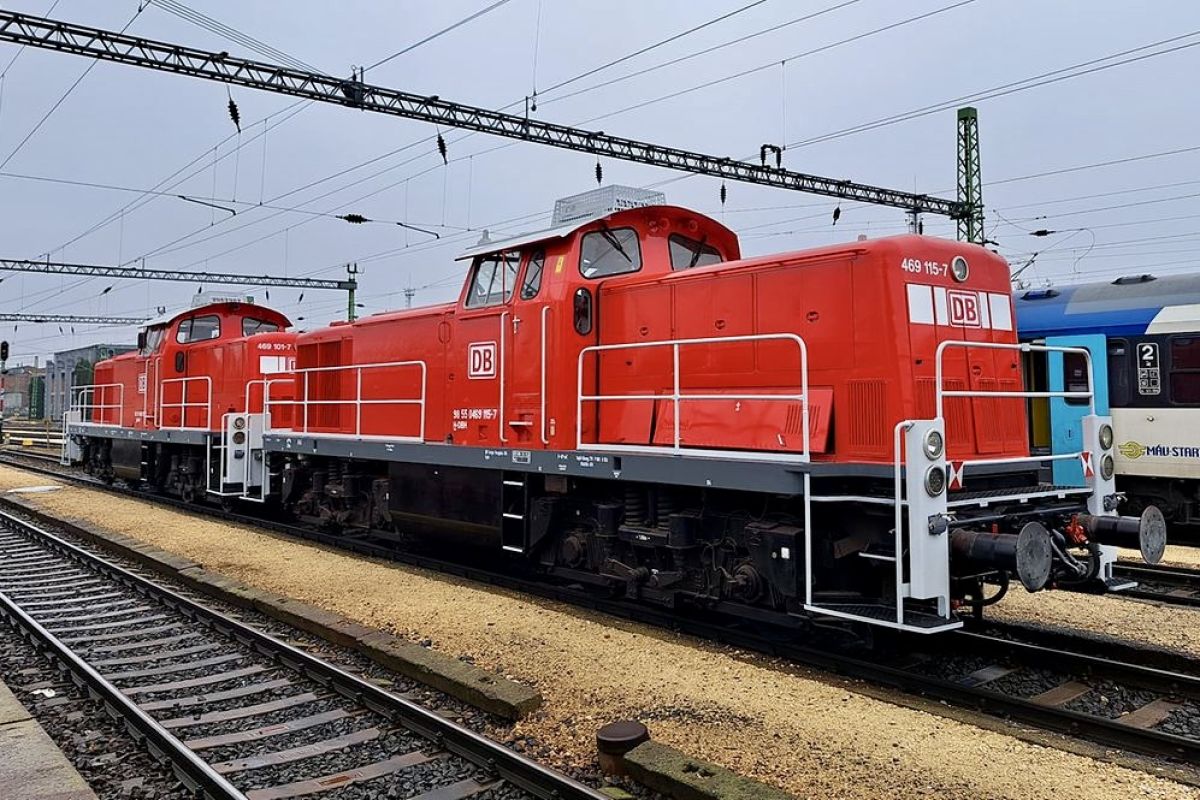
The test links two diesel locomotives into one functional unit through an electrical connection, allowing both vehicles to respond synchronously to control commands. In practice, this enables a single driver to operate both locomotives at the same time, combining their performance while using fewer operational resources.
The first test phase is focused on validating the system under real operating conditions. According to the company, key areas under review include control accuracy, synchronisation, power output and overall running behaviour, with the final goal of obtaining approval from the national safety authority.
From an operational perspective, the development could widen the role of diesel traction within DB Cargo Hungária’s fleet of 19 diesel locomotives. Potential applications include heavy shunting, special transport movements and selected traction tasks, while also offering an alternative for mainline operations where electrification is not available.
For freight operators, such a solution could provide additional resilience, particularly on sections of network where infrastructure constraints still limit the use of electric traction.
Alongside the testing programme, both locomotives involved have undergone significant technical upgrades, including full engine overhauls, a gearbox overhaul on one unit and the installation of new cab air conditioning systems.
For the wider rail freight sector, the trials reflect continued efforts to extract more flexibility and efficiency from existing diesel fleets, especially where operators need to balance performance, staffing and infrastructure limitations.