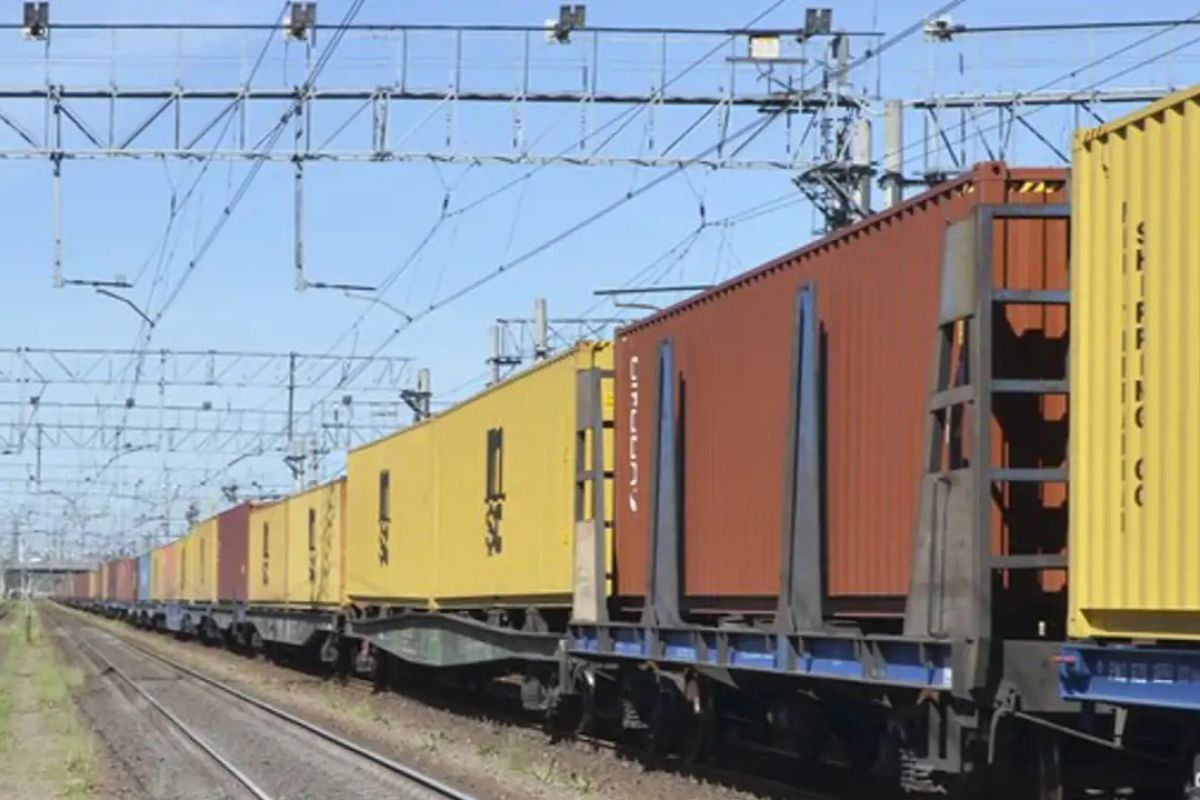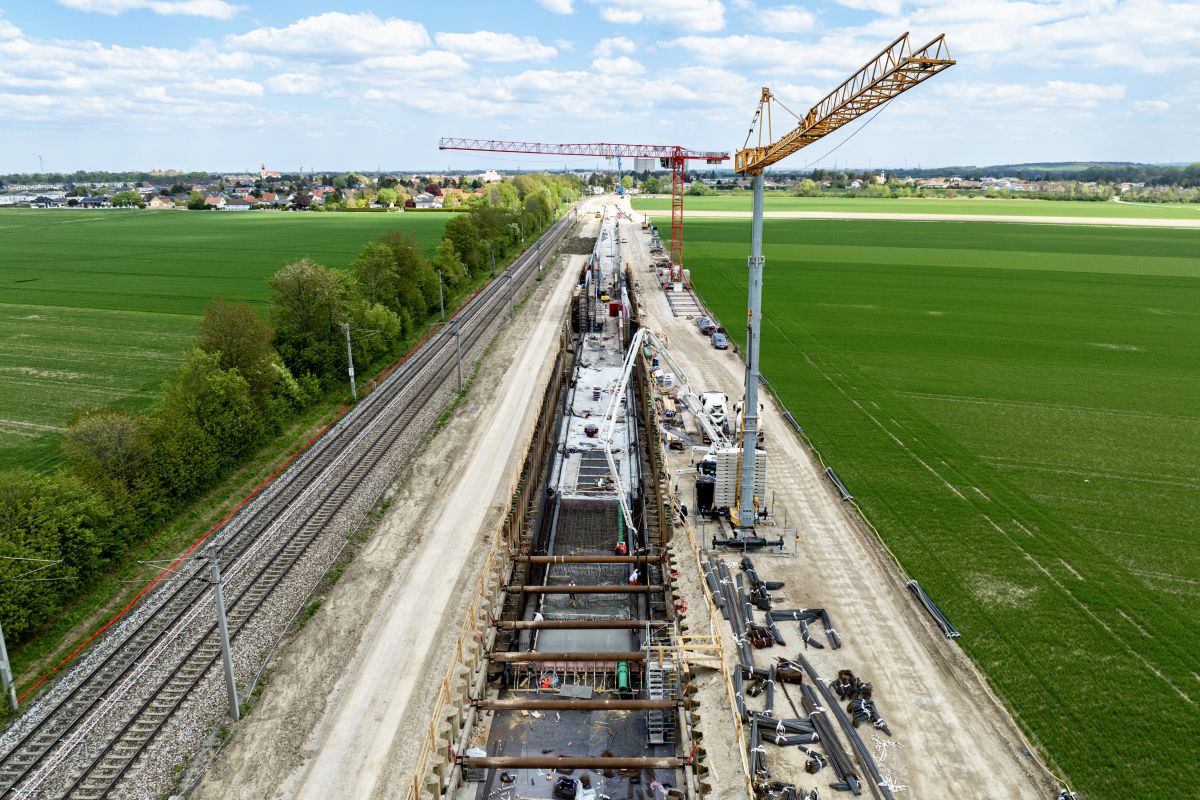
A newly released study commissioned by the Association of American Railroads (AAR) concludes that electrifying the U.S. freight rail network using overhead catenary systems is not a viable option. The analysis highlights financial, operational, and infrastructure challenges, estimating the cost of full electrification at $1.1 trillion—equivalent to nearly 50 years of combined net income from all six Class I freight railroads.
According to the study, electrification would introduce reliability risks, as catenary infrastructure could be vulnerable to extreme weather conditions and system failures that would disrupt freight operations. Additionally, the energy demand for an electrified network is estimated at 40–50 terawatt-hours annually, requiring extensive upgrades to the power grid, including new generation capacity from nuclear, solar, or wind sources.
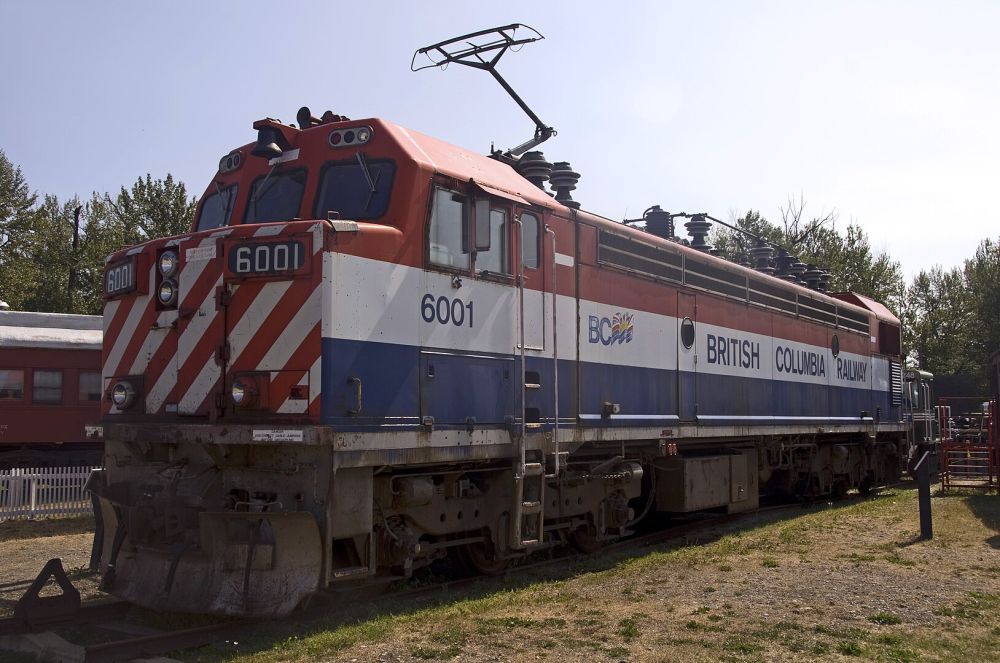
The report also points to regulatory and safety challenges. The permitting process for a nationwide electrification project would take years, and high-voltage infrastructure would add operational and maintenance complexities. Given these barriers, the study concludes that catenary electrification is not a feasible solution for U.S. freight rail.
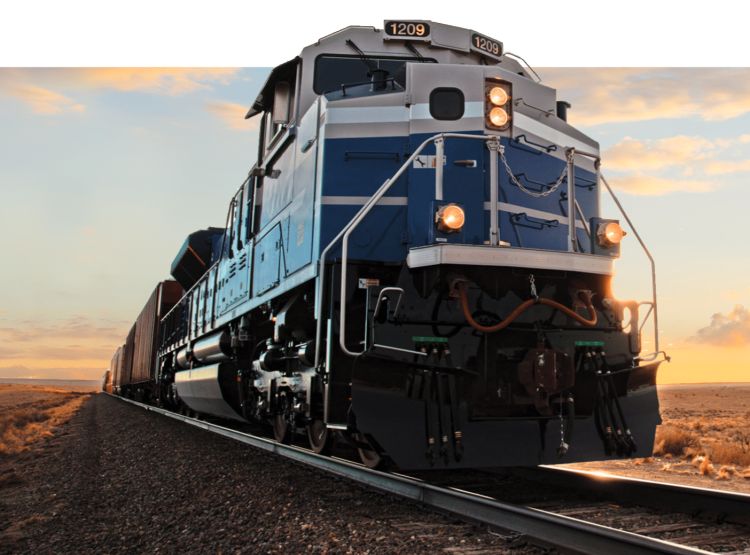
While no fully scalable zero-emission solution has been implemented, railroads are testing biodiesel and renewable diesel, deploying fuel optimization technologies, and upgrading locomotives to improve efficiency within existing infrastructure constraints.