Deutsche Bahn (DB) has announced a comprehensive security package and agreed a nationwide “Action Plan for More Safety on Rail” together with Germany’s federal government, state transport ministers, trade unions and transport industry representatives. The measures follow the fatal attack on DB employee Serkan Çalar in a regional train and signal a coordinated shift toward stronger prevention across the rail network.
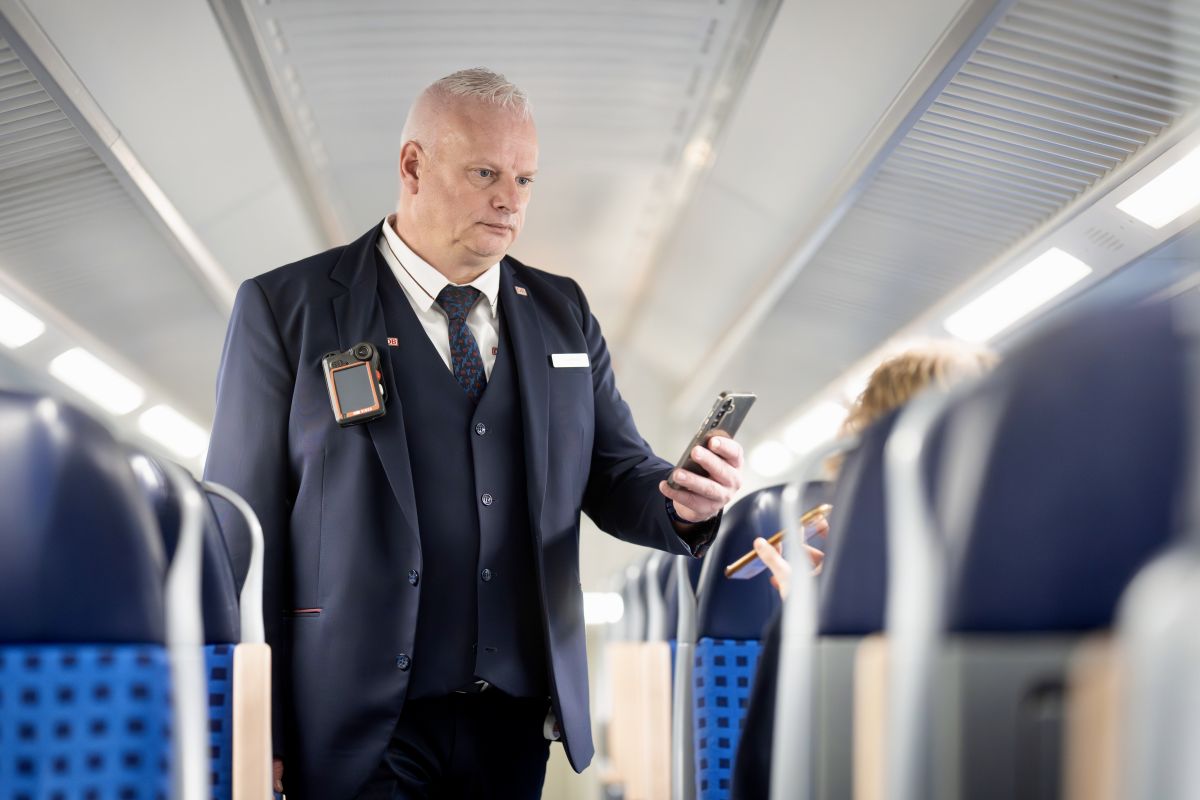
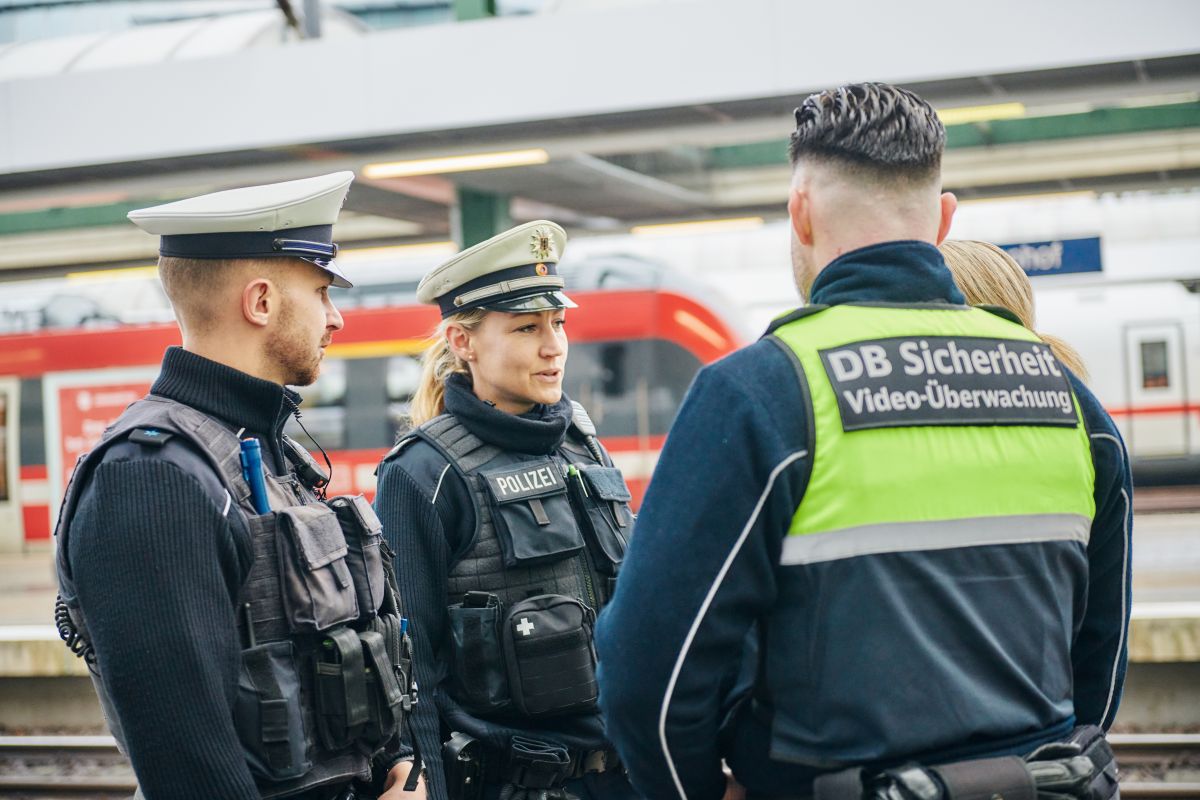
From 2026, all DB employees with direct customer contact in regional services, long-distance trains and stations will be equipped with bodycams. Their use will remain voluntary. In parallel, DB will deploy 200 additional security personnel at stations, enhance personal protective equipment, expand de-escalation training and further roll out its emergency alert system (“Prio-Ruf”) to ensure faster assistance in critical situations.
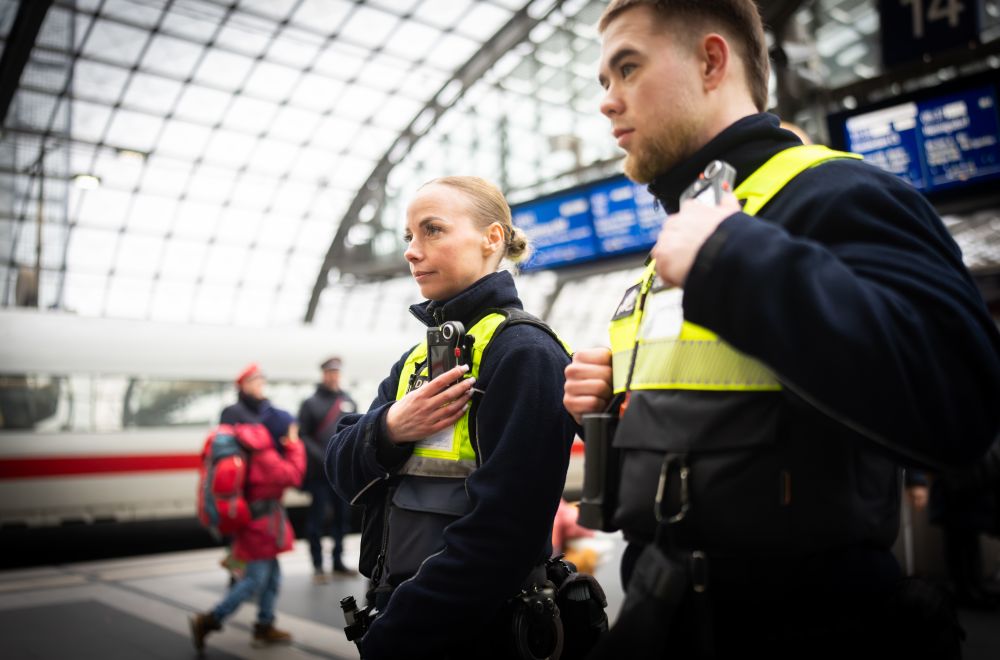
The measures respond to persistently high levels of violence against railway staff. In 2025, DB recorded 3,262 physical assaults on employees (attempted and completed cases). Although slightly below the previous year, the figure remains at a historically elevated level and represents a 37% increase compared with 2016. Severe bodily injuries account for only one to two percent of cases, but the long-term upward trend underlines growing operational pressure on frontline personnel.
Evelyn Palla, CEO of Deutsche Bahn, said:
"Our position is clear: safety requires a firm stance – in terms of personnel, technology and legislation. That is why we are acting decisively and sending a strong signal for greater security in rail transport with concrete measures. We are strengthening our employees through better equipment, additional support and targeted prevention programmes. Our guiding principle is prevention instead of reaction. At the same time, we pursue a strict zero-tolerance strategy towards any form of violence against our employees."
Beyond company-level actions, the joint plan foresees expanded video surveillance in trains and stations, stronger staffing presence on regional services and AI-supported evaluation of video and audio recordings for early risk detection. Legislative initiatives aimed at strengthening criminal-law protection for railway employees are also to be advanced. Concrete implementation steps are expected to be agreed by the end of April 2026.
Federal Transport Minister Patrick Schnieder emphasised the shared responsibility of authorities and operators:
"Stations and trains must be safe places. This applies equally to passengers and train staff. We must therefore do everything in our power to further increase security on board trains. I am confident that, based on the action plan, we can quickly implement improvements."
The topic will also be formally addressed at the upcoming Transport Ministers’ Conference at the end of March, where additional measures for regional passenger services are expected to be discussed.
Christian Bernreiter, Chair of the Transport Ministers’ Conference, underlined the role of the federal states in regional rail:
"Safety in trains and across the entire public transport system must be the highest priority – for employees just as much as for passengers. As contracting authorities for regional rail services, the federal states are extremely concerned about this issue and support stronger security-oriented personnel presence in regional trains."
For European rail operators, the German initiative reflects a broader debate on operational resilience, workforce protection and passenger security in increasingly busy public transport systems.