Greater Manchester plans more freight capacity in long-term rail strategy
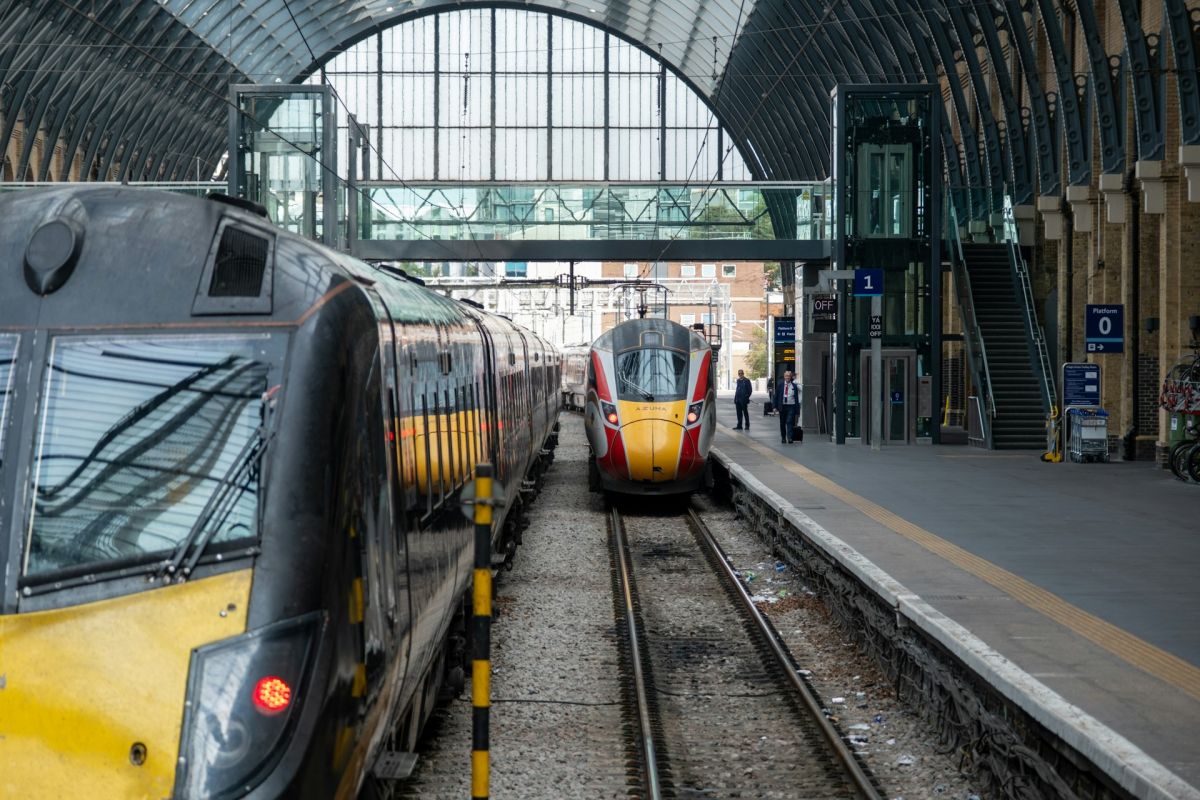
Greater Manchester’s 2050 rail plan includes measures to increase freight capacity across the region’s rail network.
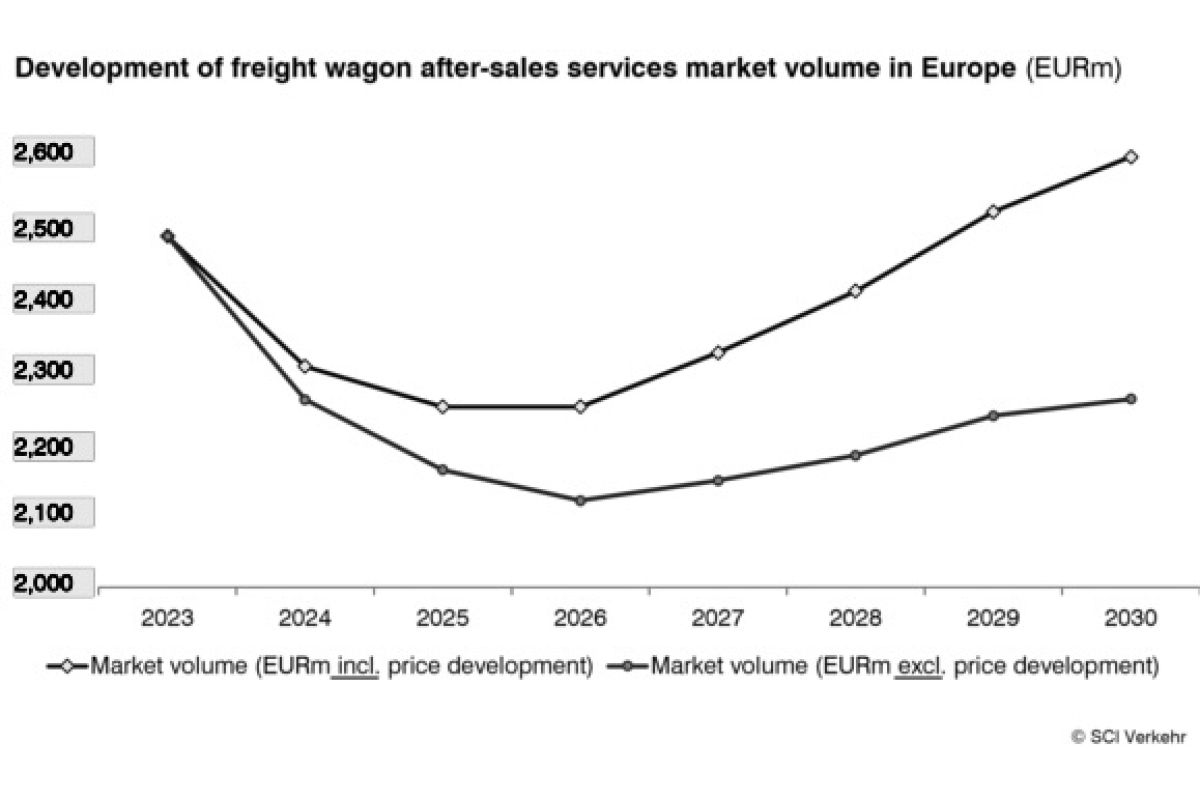
A new SCI Verkehr study shows that Europe’s freight-rail crisis has reached the rolling-stock maintenance sector. While the global MRO market continues to grow, European workshops serving locomotives and freight wagons face structural pressure.
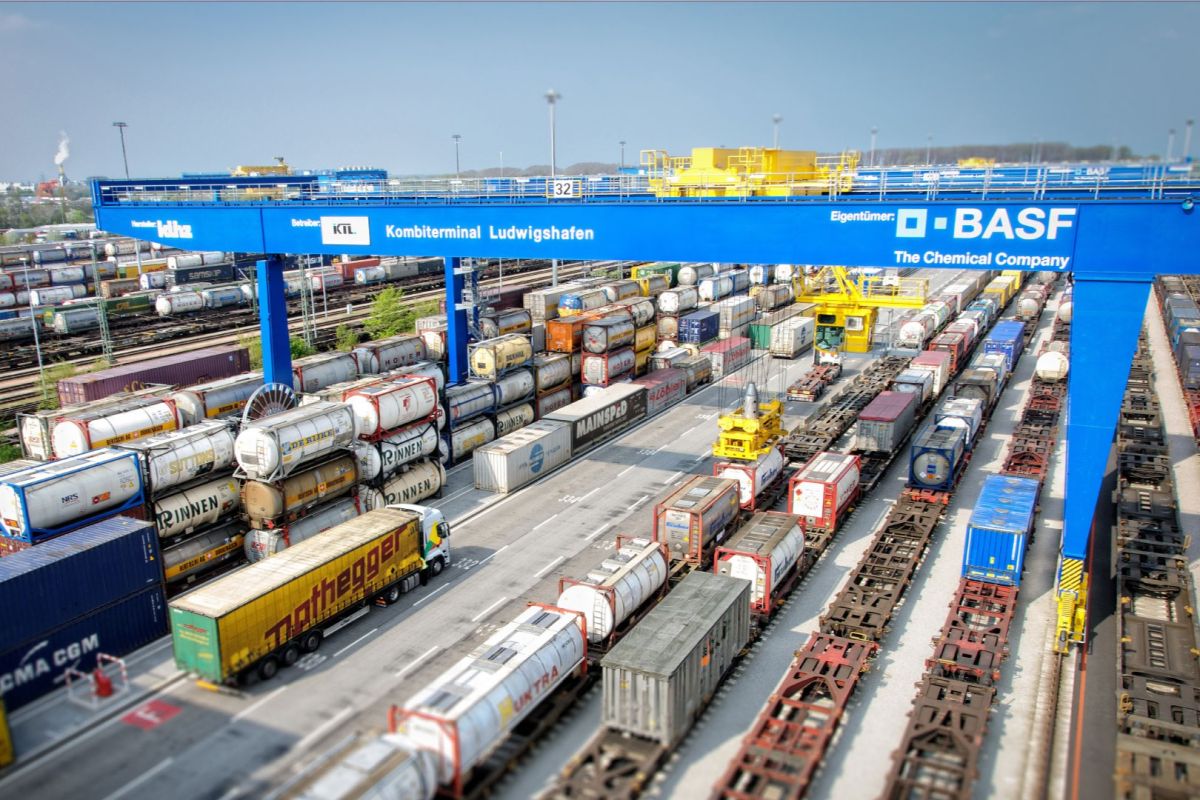
A recent in-depth analysis prepared for the European Parliament’s Committee on Transport and Tourism outlines a fragmented landscape of intermodal freight terminals across the European Union.
Prices in European road freight rose again in Q3 2025, according to the new Upply–IRU–Ti benchmark. Because road and rail cargo often compete for the same flows, the outlook on trucking costs is a crucial factor for rail freight operators planning their 2026 strategies.
The global rail freight market is expected to grow steadily over the next decade, with forecasts pointing to a total value of EUR 567.3 billion (USD 602.7 billion) by 2035.
According to the signatories, the current draft fails to support a shift to rail and may reinforce fragmentation in the European railway network.
The bill reflects a wider structural shift away from the privatised and heavily segmented model that has governed Britain’s railways for the past three decades.
Differences in national systems — from signalling and power supply to vehicle authorisation and communication regimes — continue to complicate rail movements across borders, especially in border sections connecting stations, yards, and facilities just beyond national lines.
A survey conducted by VCÖ shows that most experts do not expect Austria to reach its 2030 goal of a 34% rail freight share unless concrete policy changes are introduced.
New figures from Eurostat show a continuing decline in the share of rail in inland freight transport across the European Union.
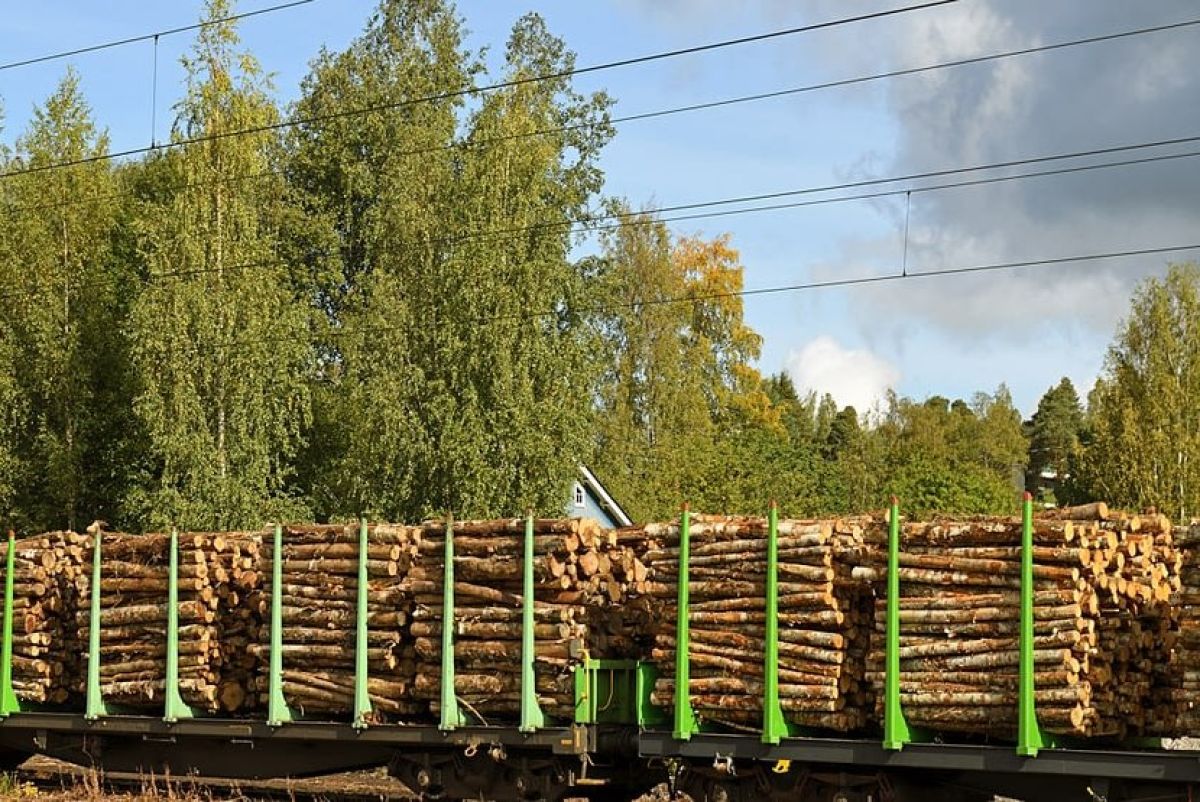
ČD Cargo has entered talks with the Association of Forestry and Wood Processing Enterprises regarding the organization of future timber transport.
In 2024, Austria’s rail freight market showed modest growth, as reported by Schienen-Control’s annual market review.
A new perception survey across the EU reveals high support for improving rail infrastructure between member states, with a clear preference for high-speed rail over air travel for short and medium distances.
The current debate focuses on the scope and method of data sharing within this system.
The European Commission has approved funding for 94 transport infrastructure projects under the Connecting Europe Facility (CEF) 2024 calls.
The global new rolling stock market peaked in 2024: total revenues of all manufacturers rose to EUR 65 billion, 11% more than in 2022.
In its new study, 'Railway Track Systems – Global Market Trends 2025', SCI Verkehr forecasts an average annual growth rate of 3.6% (including an inflation rate of around 2%) up to 2029. However, growth dynamics vary significantly by region.
The analysis identifies the modal shift of timber transport from road to rail as the most effective available measure in terms of cost-efficiency and emissions reduction potential.
The structure of rail freight transport in Poland continued to shift in 2024, with hard coal losing its leading position both in transported volume and transport work.
In an exclusive interview with RAILMARKET NEWS, Petr Rožek, Managing Director of the Association of Forwarding & Logistics of the Czech Republic, explains the global changes in the shipping industry, the role of Turkey and the future of the Ukraine in European logistics.