Rhine corridor upgrade boosts rail capacity
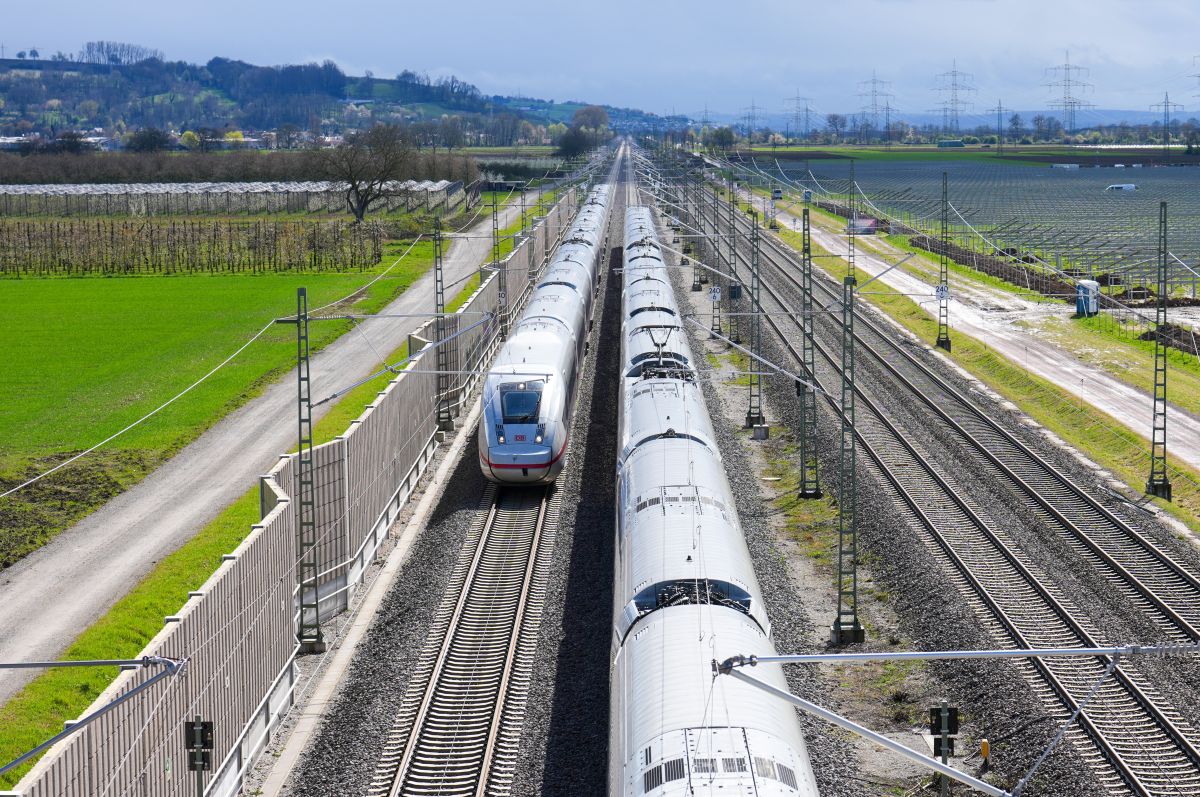
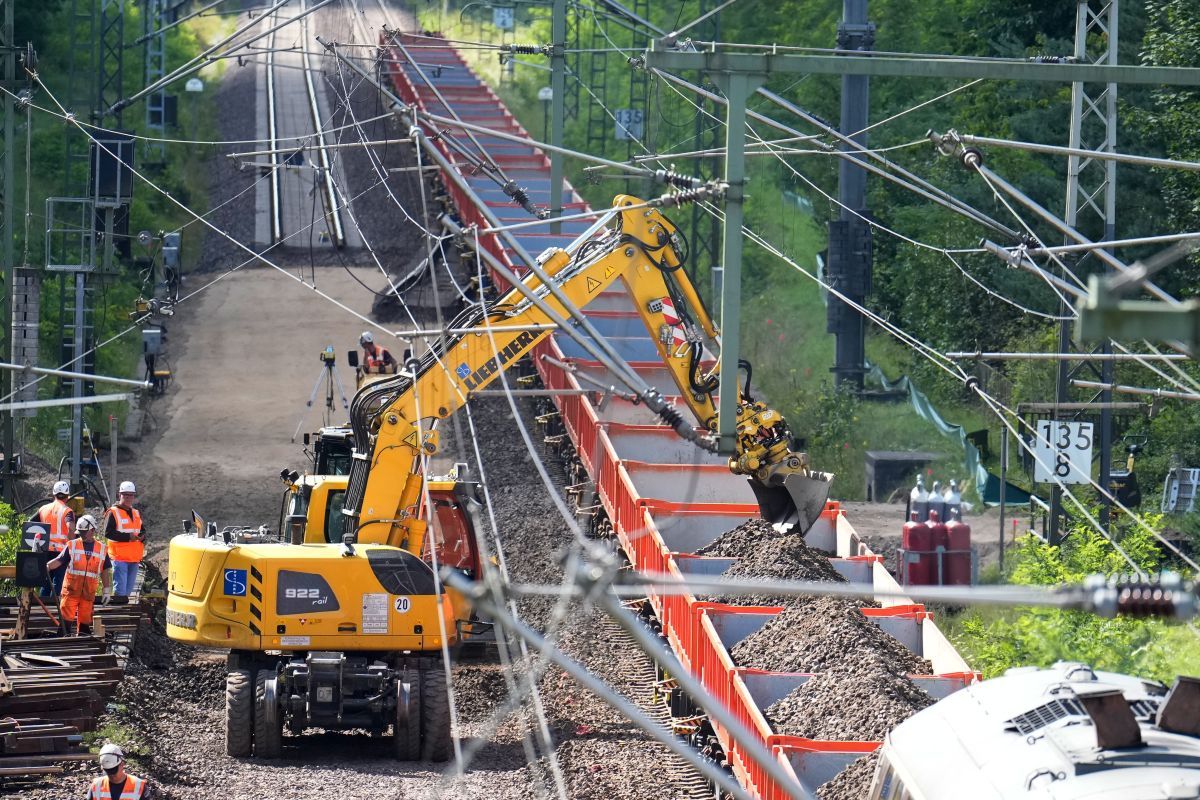
Germany has completed a key upgrade on the Rhine Valley line, increasing capacity and reliability on one of Europe’s busiest rail freight corridors.
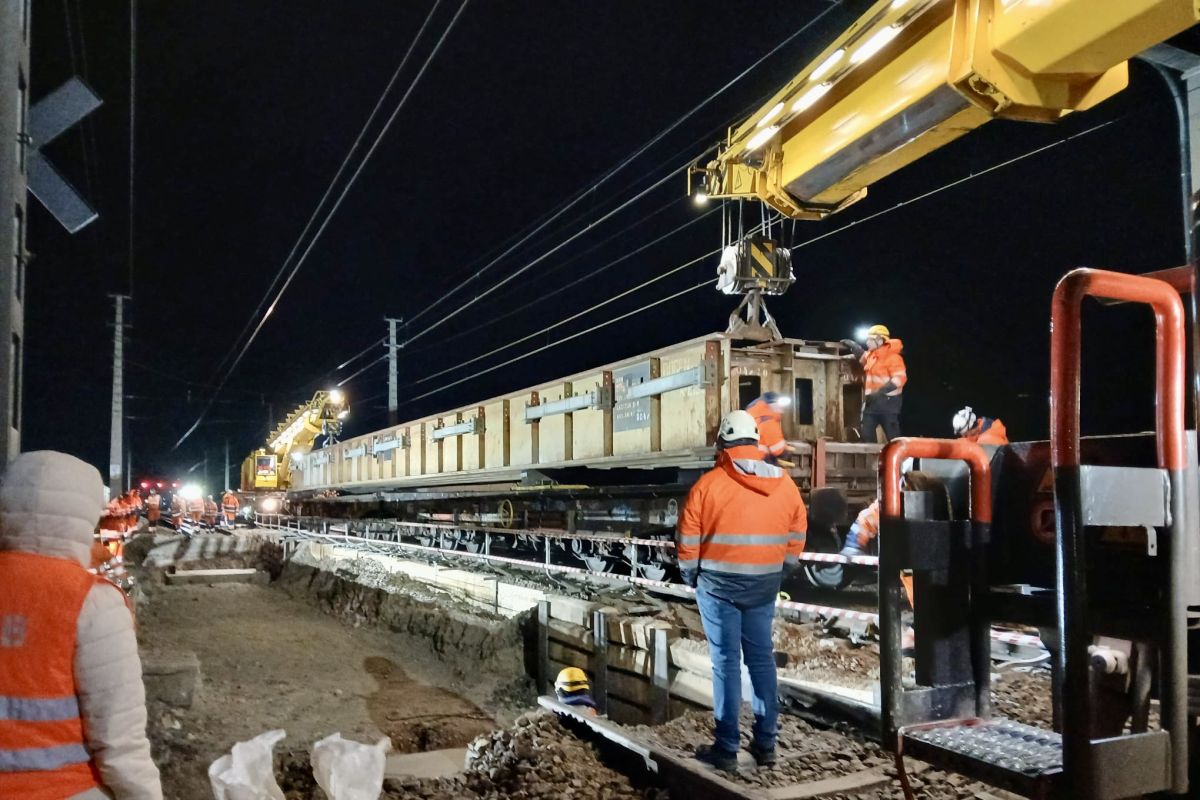
ÖBB is expanding Wiener Neustadt station to boost capacity on Austria’s key southbound rail corridor, with four tracks planned by 2029.
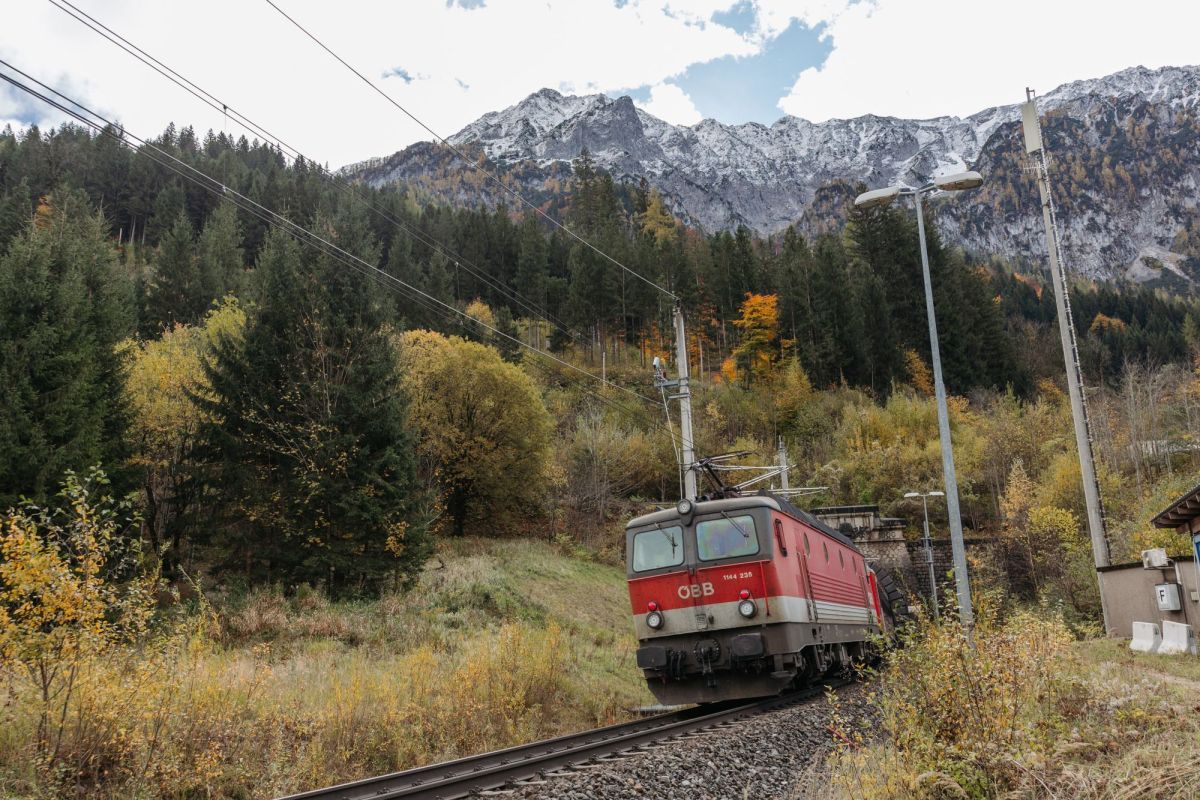
The new tunnel forms part of the modernisation of the Pyhrn line, a core corridor linking Upper Austria and Styria with Germany, Italy and Adriatic and North Sea ports.
The line will serve 11 passenger stations and forms part of the federal programme to modernise Mexico’s passenger rail infrastructure.
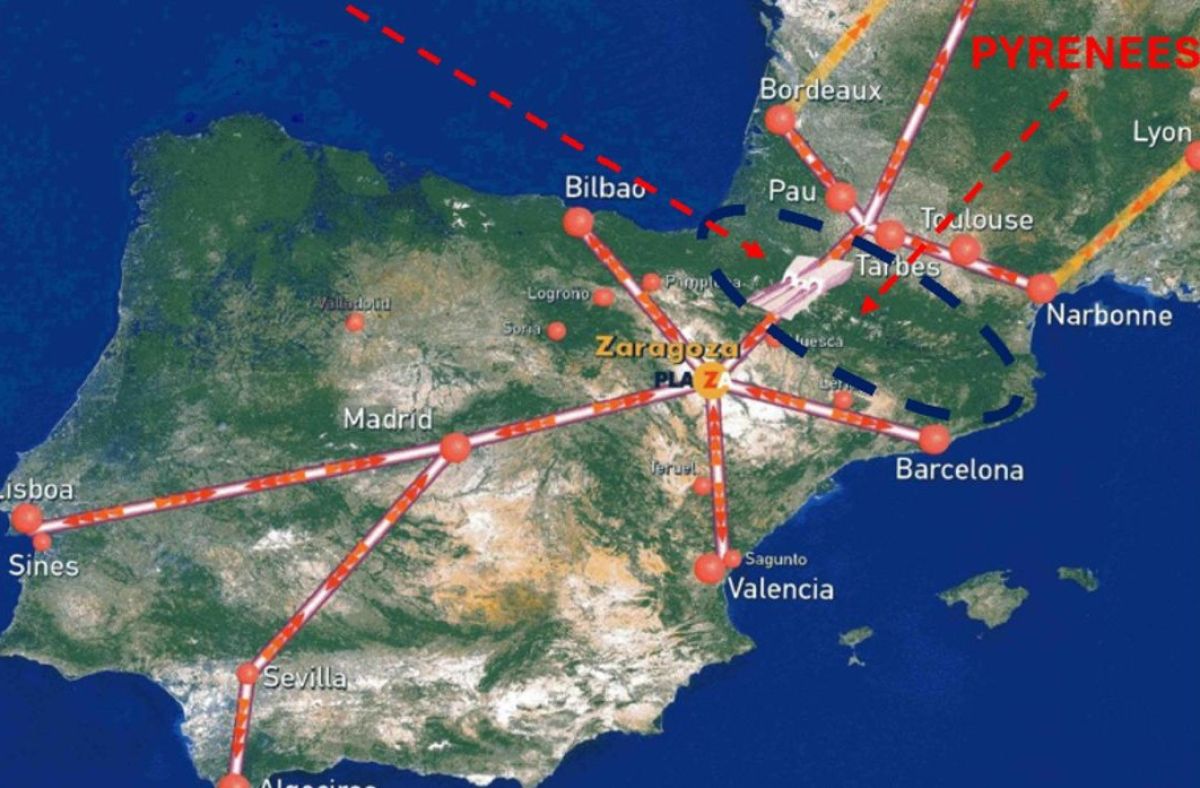
The group is seeking recognition of the scheme in the post-2027 Connecting Europe Facility programme.
The review will assess whether changes to the line’s 360 km/h design specification could save billions of euros and bring passenger services into operation earlier.
Work is scheduled to start in 2026 and conclude in 2029, with contract signature expected on 26 March 2026 if no appeals are lodged during the ongoing standstill period.
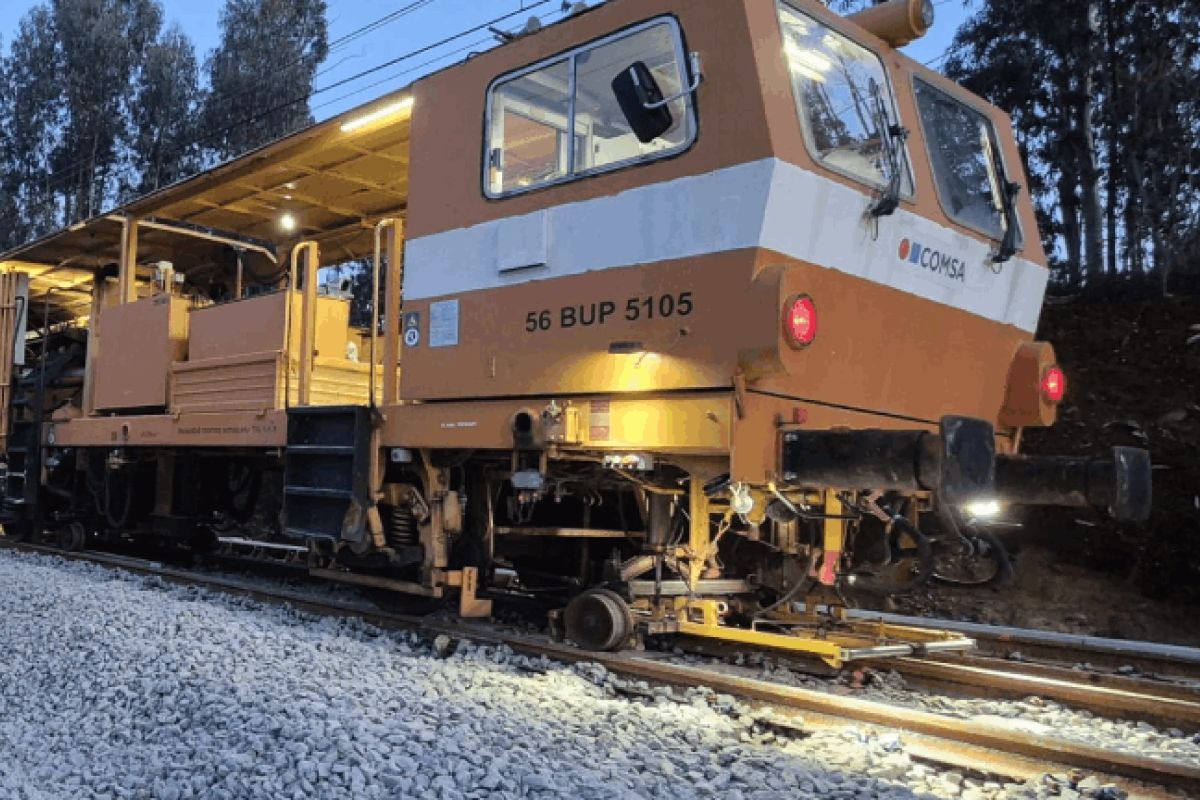
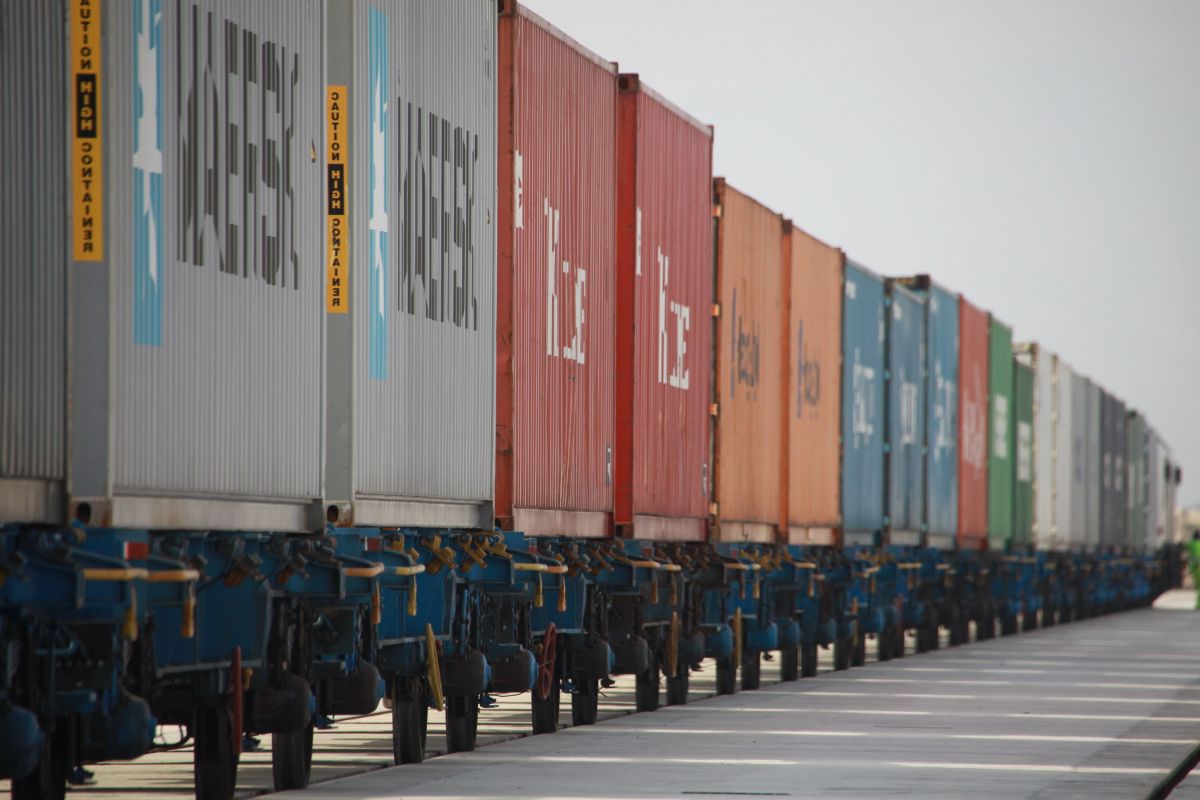
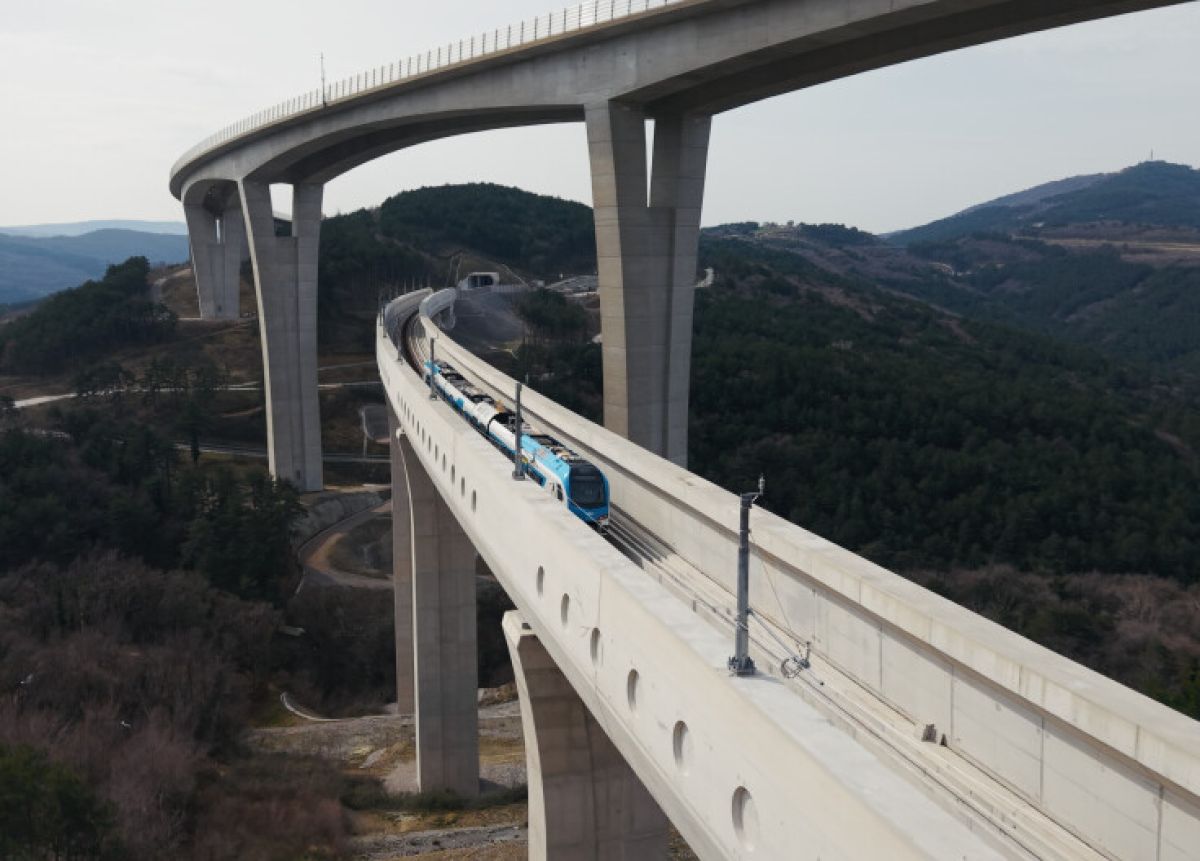
The first train has now operated on the new connection, enabling direct rail access to the logistics site in Galicia.
The project has a planned commissioning scheduled by the end of 2029.
The route would combine upgraded sections for speeds of up to 200 km/h with new double-track lines designed for 250 km/h.
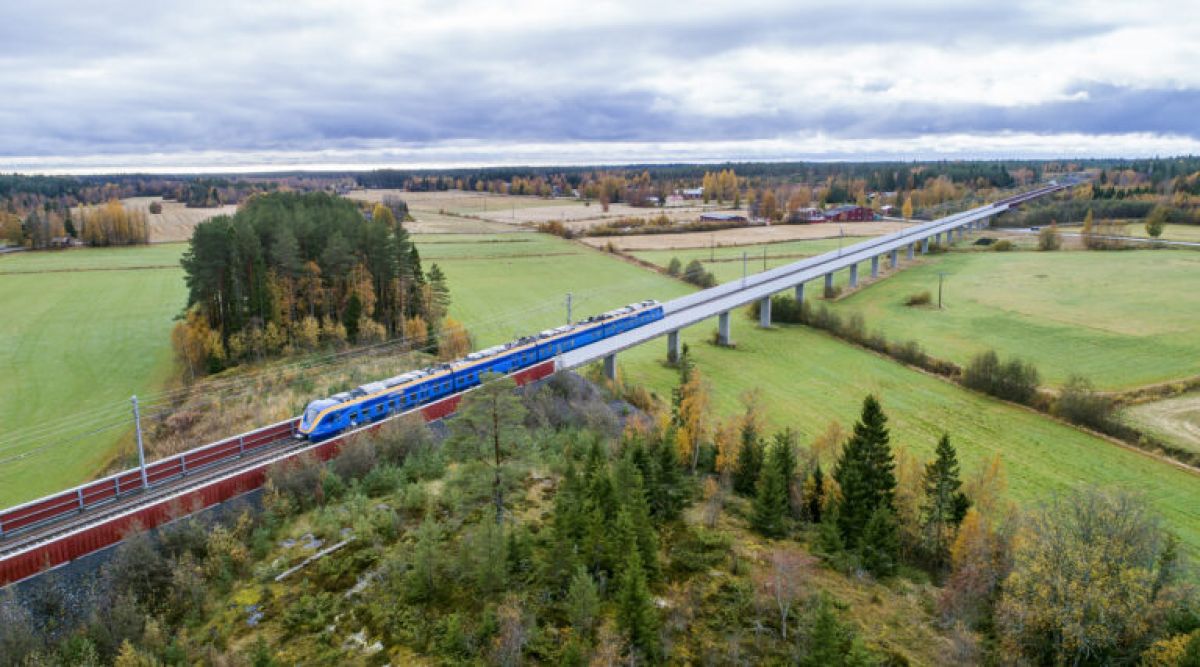
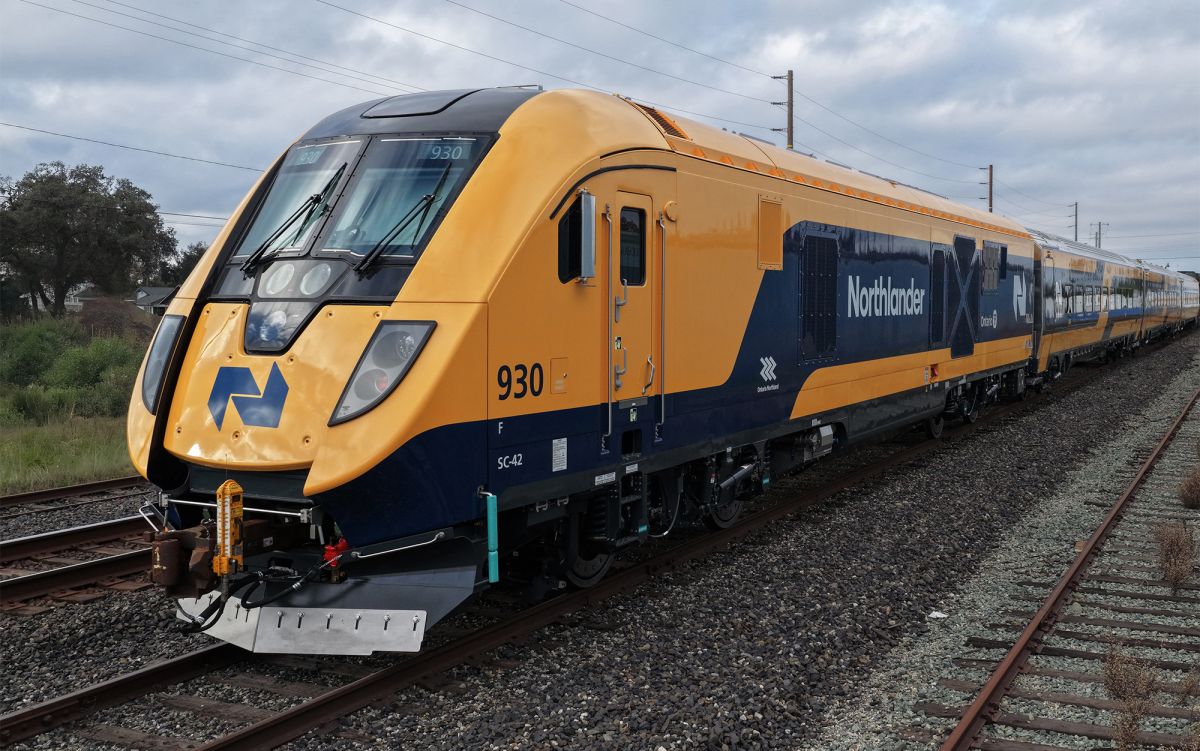
The section represents more than 25% of the full Northlander passenger corridor.
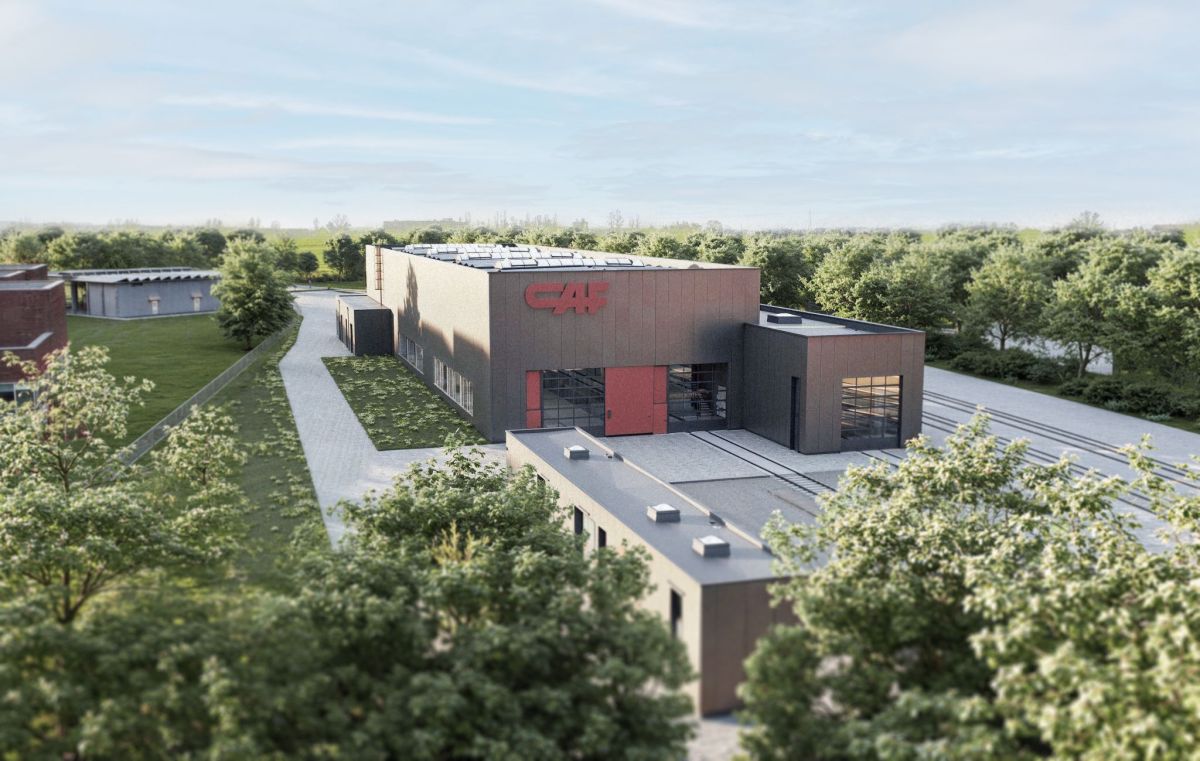
The Spanish manufacturer is investing a double-digit million euro amount in the project.
The preferred option carries a base budget of around EUR 62m.
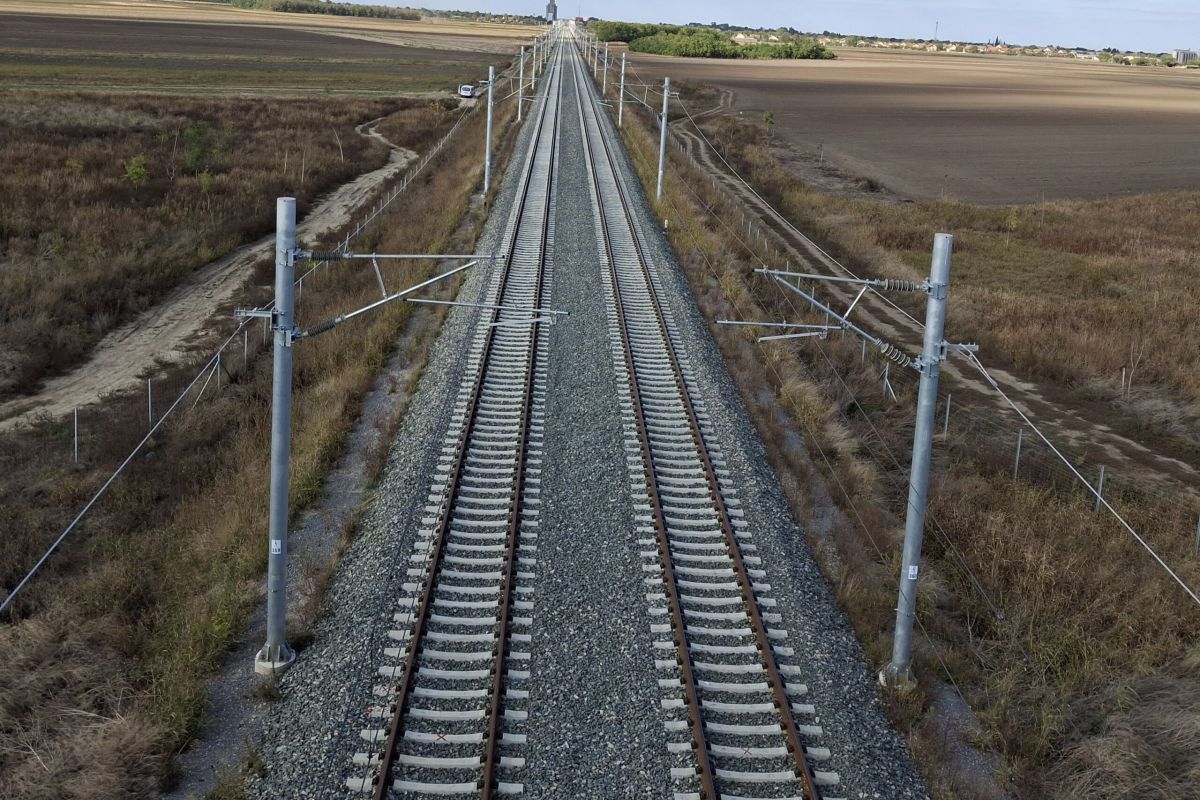
Serbia will build and reconstruct 1,219 km of railway lines by 2035 under the national strategy “Serbia 2030”. The programme combines new construction and modernisation across the core network.
The route follows a new corridor and is the first entirely new railway connection constructed in independent Slovenia.
The staged approach follows delays caused by prolonged winter conditions that affected construction progress.
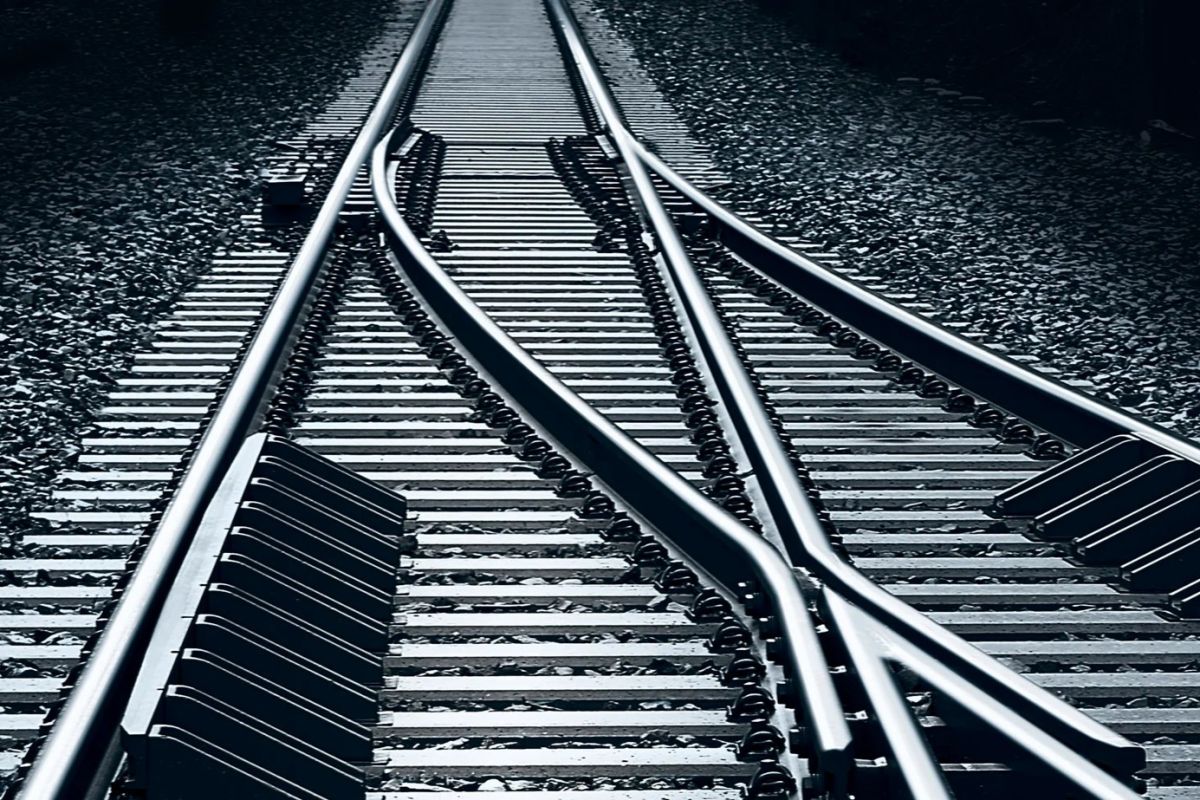
Vossloh stated that demand for large turnout components is expected to increase as DB advances network upgrades across Germany.
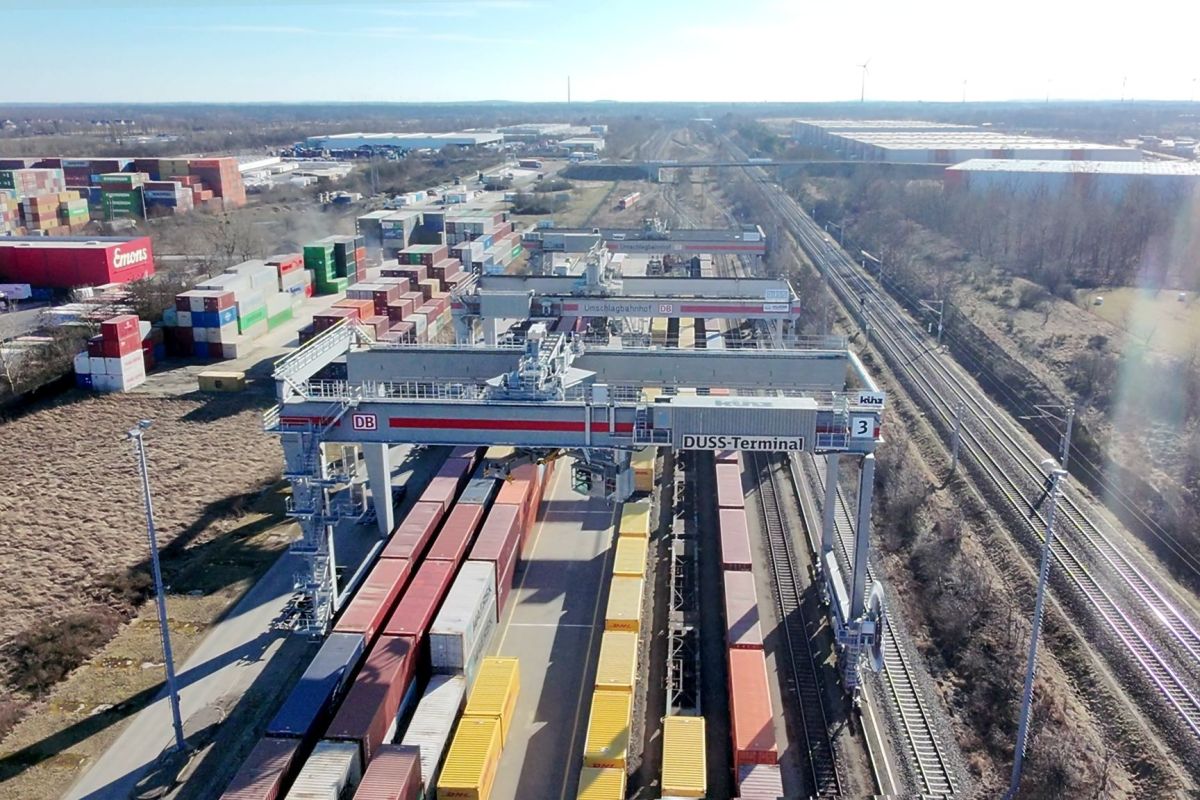
The terminal is located adjacent to several logistics companies and serves combined transport flows in the Berlin region.
The approval by the Office of Rail Transport (UTK) confirms that PLK’s safety management system complies with EU requirements for infrastructure managers.
No trains are operating to or from the high-level platforms, and low-level services are running through the station without stopping.