Germany’s Federal Ministry for Transport has submitted documentation for parliamentary review of the planned high-speed railway between Dresden and the German–Czech border, marking an important milestone for one of Central Europe’s most significant rail infrastructure projects.
The parliamentary procedure grants the Bundestag additional oversight over major rail expansion projects after completion of preliminary planning stages. If approved, the German government will be able to proceed towards signing an interstate treaty with the Czech Republic, subject to budgetary confirmation.
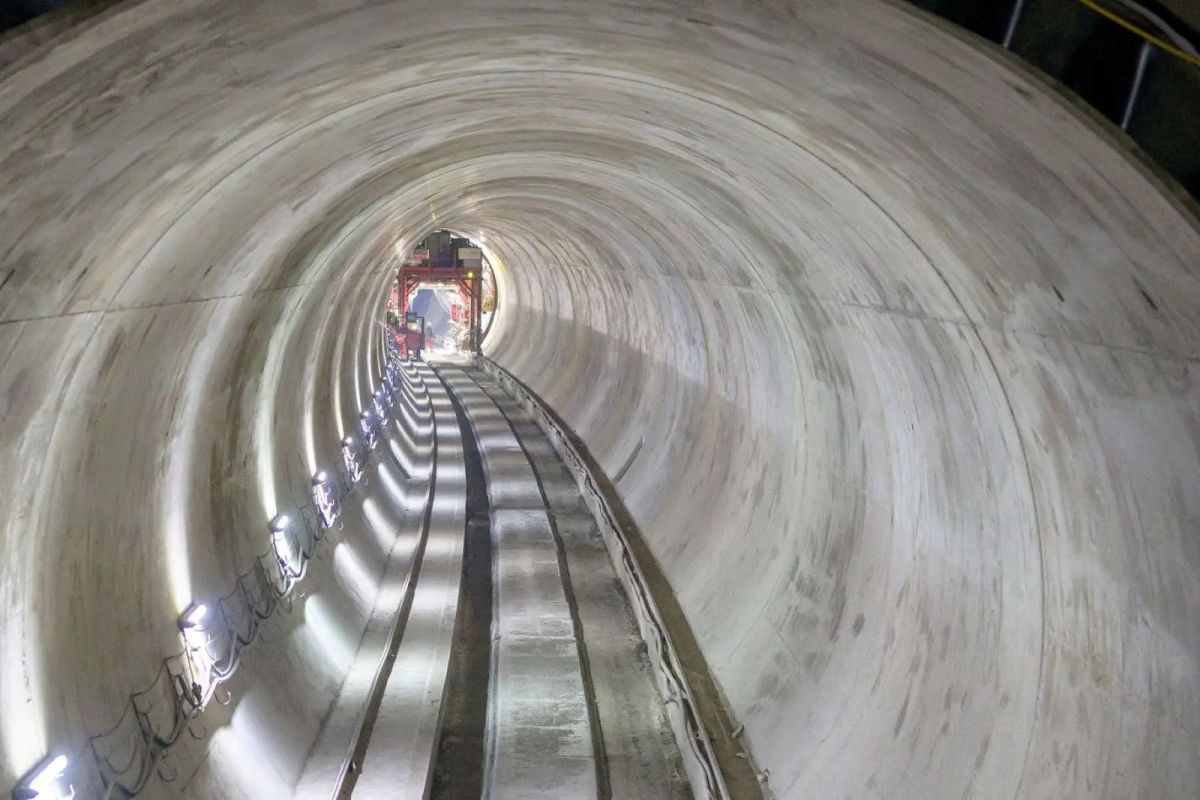
At the core of the project is a roughly 30-kilometre base tunnel beneath the Ore Mountains (Erzgebirge), expected to become the longest railway tunnel in Central Europe. The new line aims to reduce travel time between Dresden and Prague from around 2.5 hours today to approximately one hour while relieving congestion on the existing Elbe Valley route and reducing noise impacts for local communities.
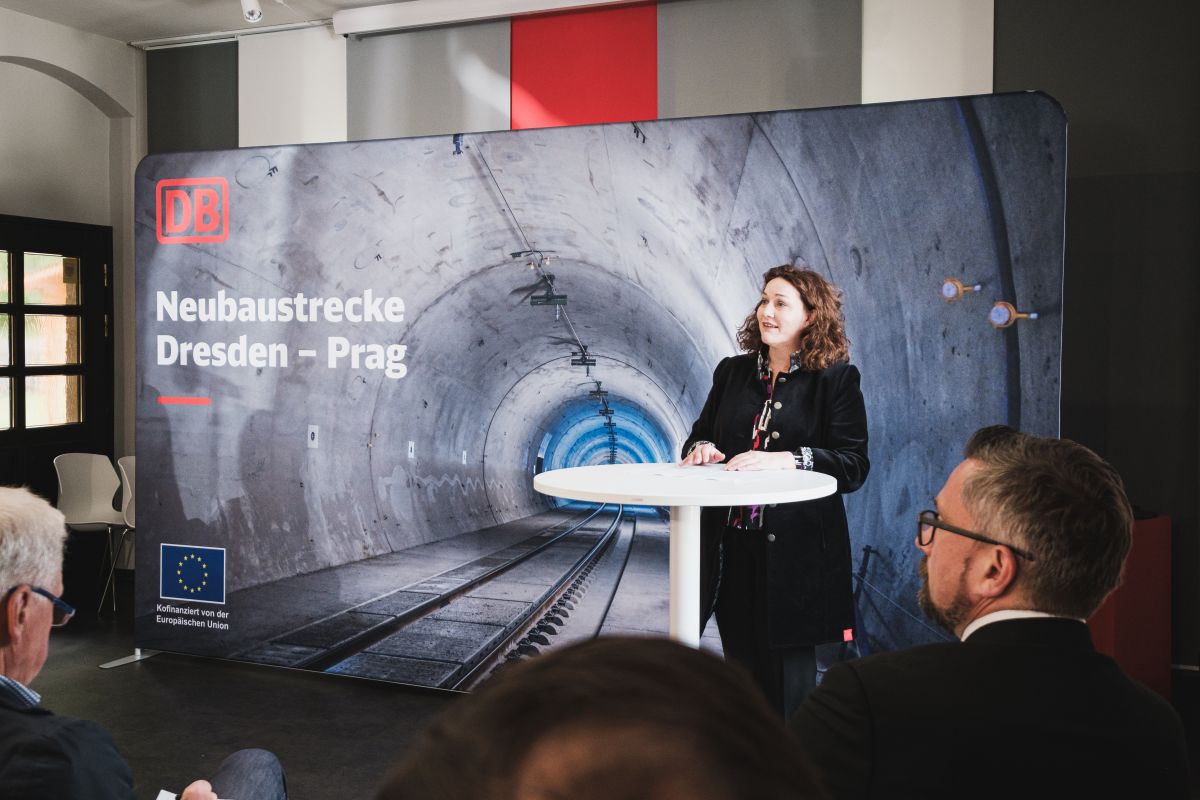
Parliamentary State Secretary Ulrich Lange described the project as a key component of a broader European transport vision. “I am pleased that we can now present the results of the preliminary planning for the Dresden–Prague new line to the German Bundestag. The project is a central building block of the planned international high-speed corridor between Berlin, Prague and Vienna, bringing Europe closer together,” he said.
Beyond passenger transport, the new corridor is also expected to significantly strengthen rail freight capacity between Czechia, Germany and Western Europe by creating an additional high-performance cross-border connection. The tunnel will consist of two tubes and is designed to serve both passenger and freight traffic.
According to current plans, Czech investment in the tunnel section is estimated at around CZK 45 billion (approximately €1.8 billion). The tunnel could enter service around 2039, while full operation of the entire high-speed corridor is projected for the mid-2040s.
The Czech government approved a draft bilateral agreement on the project last year, and political discussions continue on both sides of the border. Representatives of the German state of Saxony have repeatedly stressed the importance of improving transport links with Central and Eastern Europe, calling for reliable financing and swift parliamentary consideration.
The submission to the Bundestag therefore represents a decisive procedural step toward realizing a long-planned high-speed rail connection linking Germany and Czechia and strengthening north–south connectivity across Central Europe.