New rail freight connections announced in week 16 of 2023
More containerised connections inside Australia, Spain and Italy, new connections between Croatia - Hungary and Germany – Italy, and new automobile rail transports in Spain.
Switzerland's Federal Office of Transport is supporting the construction of a new transshipment terminal east of Milan, with a contribution of up to CHF 66.3 million. The terminal will enable the transfer of around 150,000 truck shipments to rail each year, supporting Switzerland's policy of shifting freight transport from road to rail.
Stadler will be responsible for all aspects of the service and maintenance of the locomotives, which will start in 2025 and last up to 16 years. The Class 99 locomotives are versatile and adapted to the British gauge and specifications, with 25 kV AC electric and diesel operating modes.
ÖBB Rail Cargo Group (RCG) is expanding its nationwide TransNET to include a connection between Hungary and the northern Adriatic.
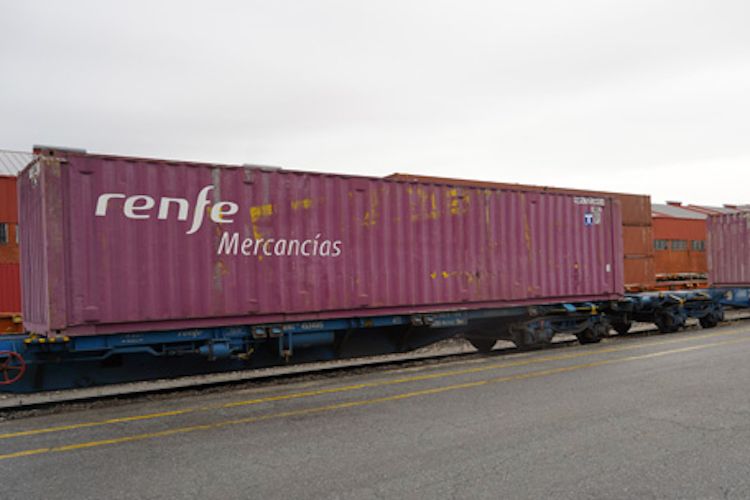
Renfe has teamed up with German companies Kombiverkehr and Duisport to bid for the management of the La Llagosta freight terminal in Catalonia. If successful, the three companies will set up a temporary joint venture to operate the terminal for at least 20 years.
The rail logistics company, which is part of Mercitalia Logistics (Gruppo FS Italiane), plans to launch the service on 2 May.
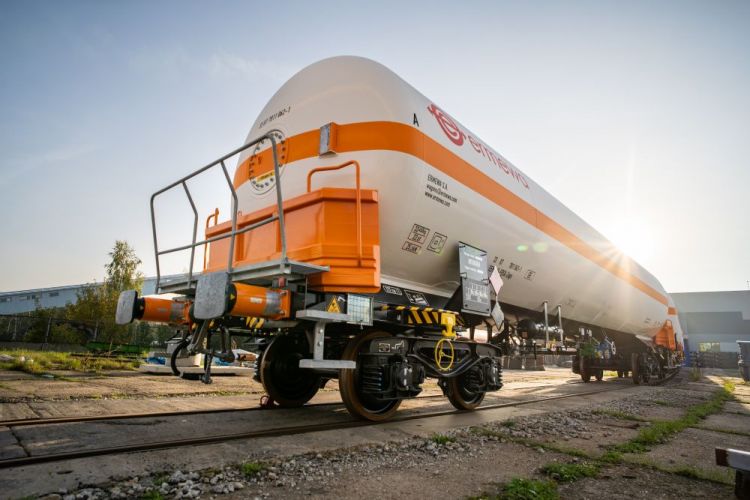
The brand name "Ermewa SA" remains unchanged.
At Railmarket, we have created a brief overview of new rail connections and transports that will keep you in the loop of what is happening on the railways.
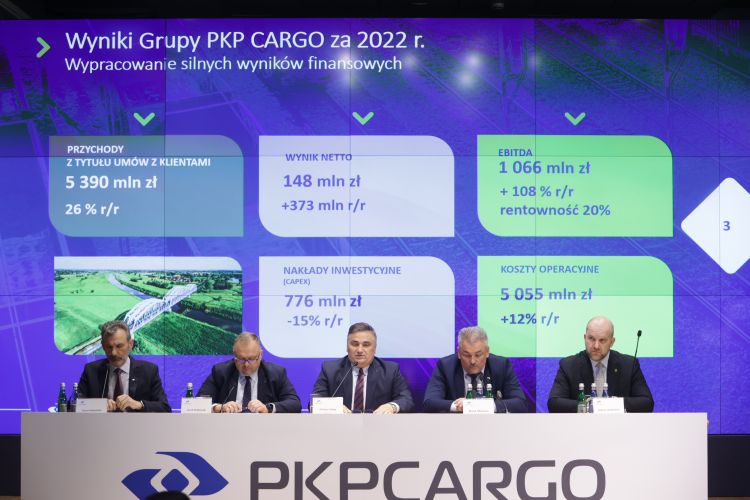
PKP CARGO, the leading rail freight operator in Poland and the European Union, has achieved record profitability and increased profitability in 2022, according to the company's annual report.
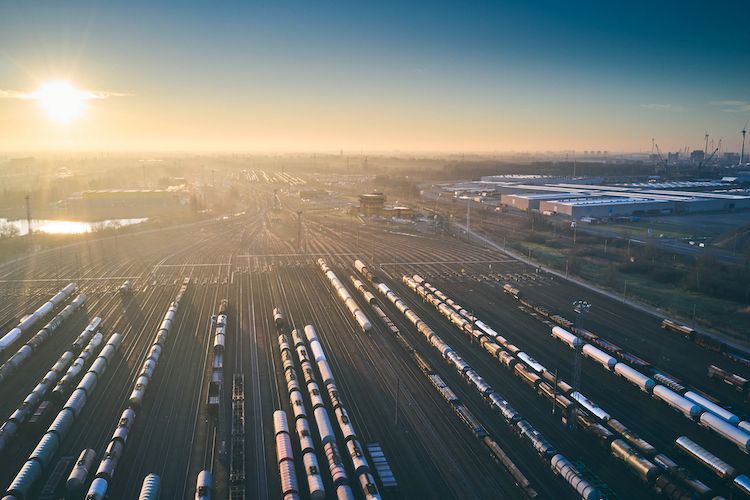
The Port of Antwerp-Bruges, Railport Antwerp, Lineas, and Infrabel have achieved a European first with the neutral operation of the automatic hump yard in the port. This joint effort will benefit all rail operators by making shunting services available on equal terms, streamlining the assembly of freight trains, and freeing up capacity in busy rail yards.
RCG has invested in 300 new curtainsider swap bodies that can be placed on semi-trucks and intermodal wagons by a reachstacker or gantry cranes.
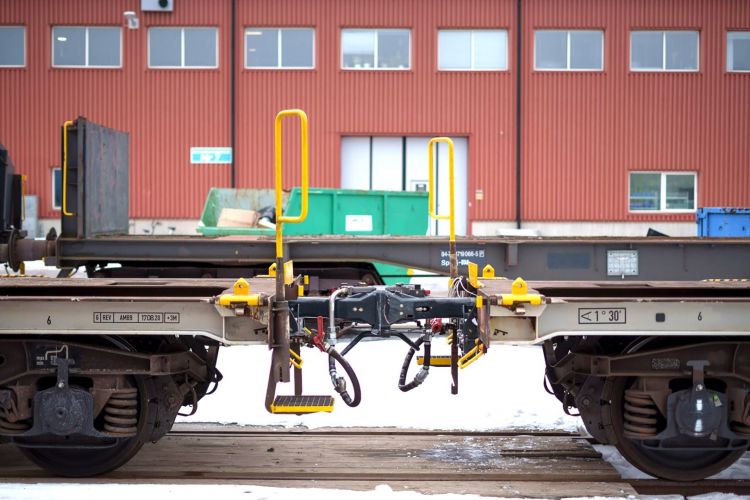
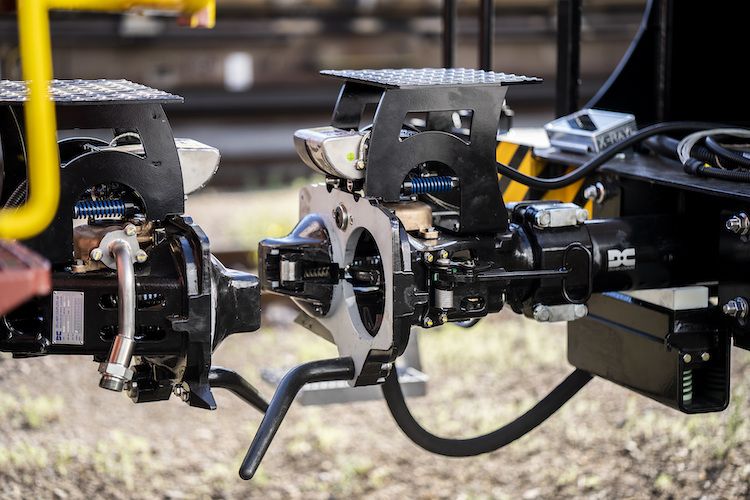
Knorr-Bremse, a global leader in braking systems for rail and commercial vehicles, has begun real-world testing of its Digital Automatic Coupler (DAC) on a freight train in Sweden.
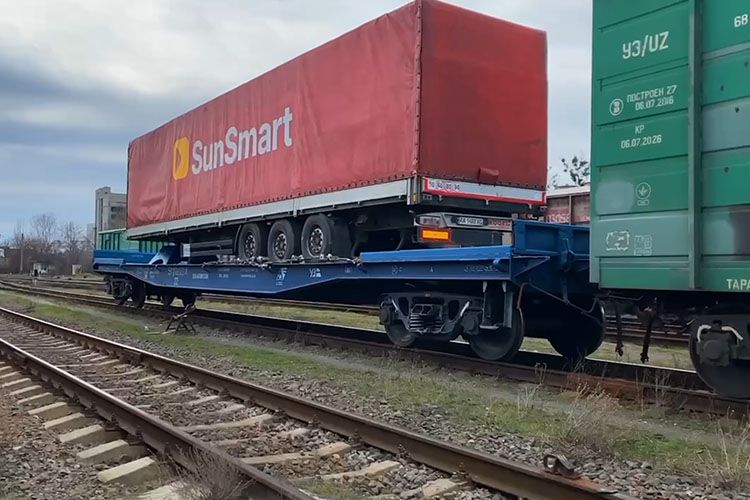
Last week, JSC Ukrzaliznytsia sent a container wagon on a test run on the Kyiv-Liski - Chop route to finalise the temporary loading scheme and further develop container transport.
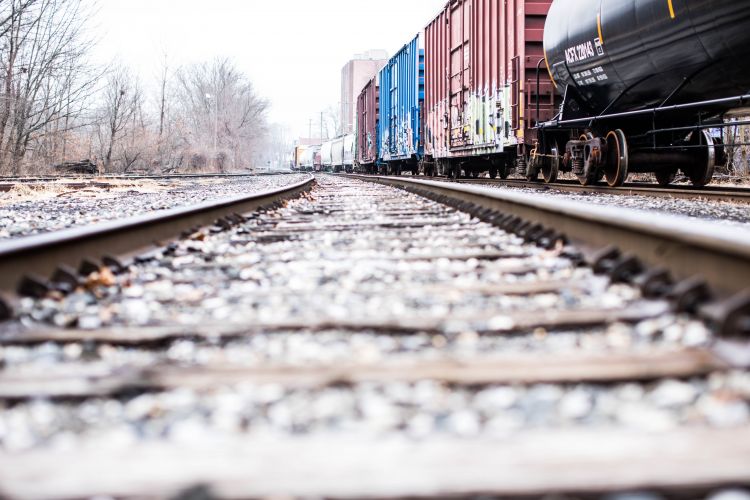
Over the past month, railroad safety has become a significant concern in the United States. In March, none of the Class I railroads was spared from the list of companies experiencing derailments and accidents, and even Amtrak was added to the undesired list.
Multi-purpose vector sensor is designed to monitor brakes, hatches and doors on railcars.
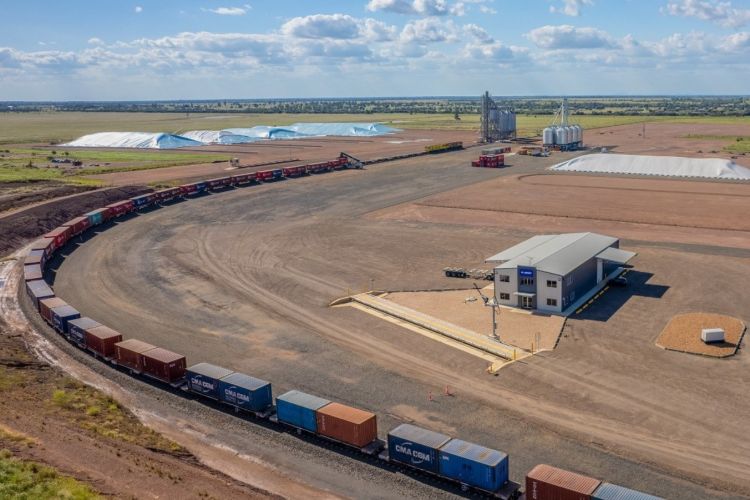
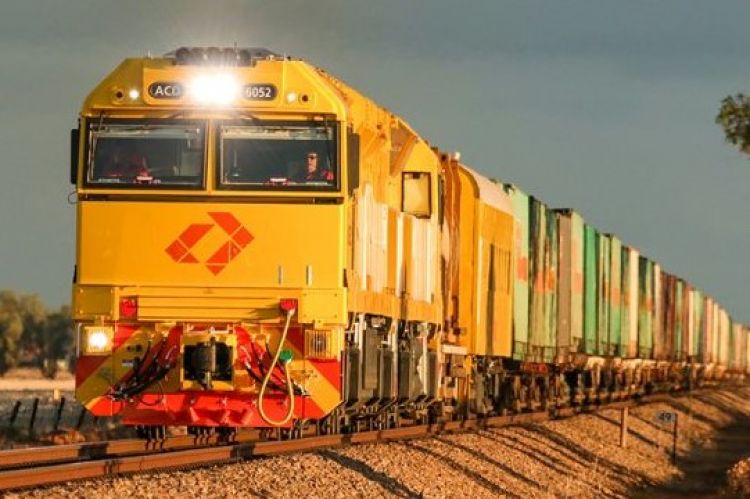
Australian logistics provider Seaway and rail transport company Aurizon have launched the first containerised service from the inland port in Emerald, Queensland.
In the second part of the interview, Jiri Chladek, Managing Director of Rohlig Suus Logistics for the Czech Republic and Slovakia, describes the digitalisation or future of rail intermodal.
European Union (EU) rail organizations are opposing EU plans to introduce Digital Automatic Coupling (DAC) across the entire EU freight fleet by 2030. The project is strongly opposed by rail operators due to insufficient testing of the technology and high implementation costs.
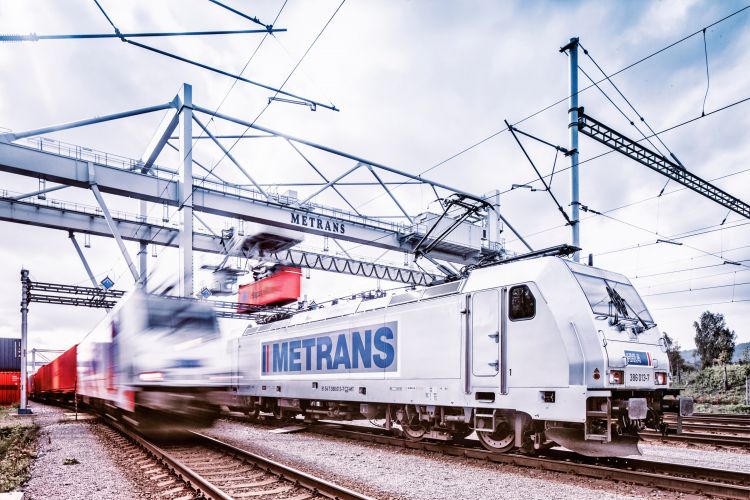
With investments in Croatian Adria Rail and an additional terminal in Hungary, Metrans is expanding its high-frequency rail connection and hinterland terminal services.
Karima Delli, chairwoman of the European Parliament's Transport and Tourism Committee (TRAN), Josef Doppelbauer, executive director of the European Union's Railway Agency, and several CEOs of rail freight companies have called on decision-makers to adopt ambitious policies to boost freight transport by rail.