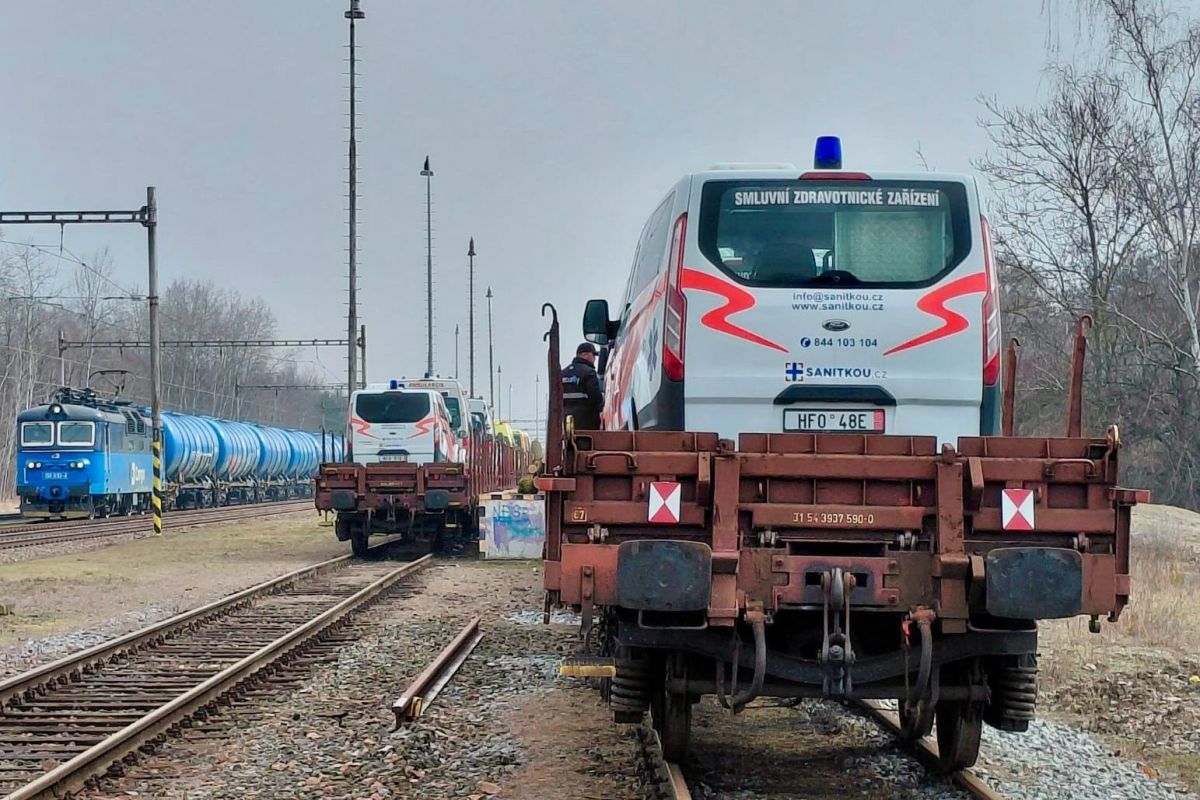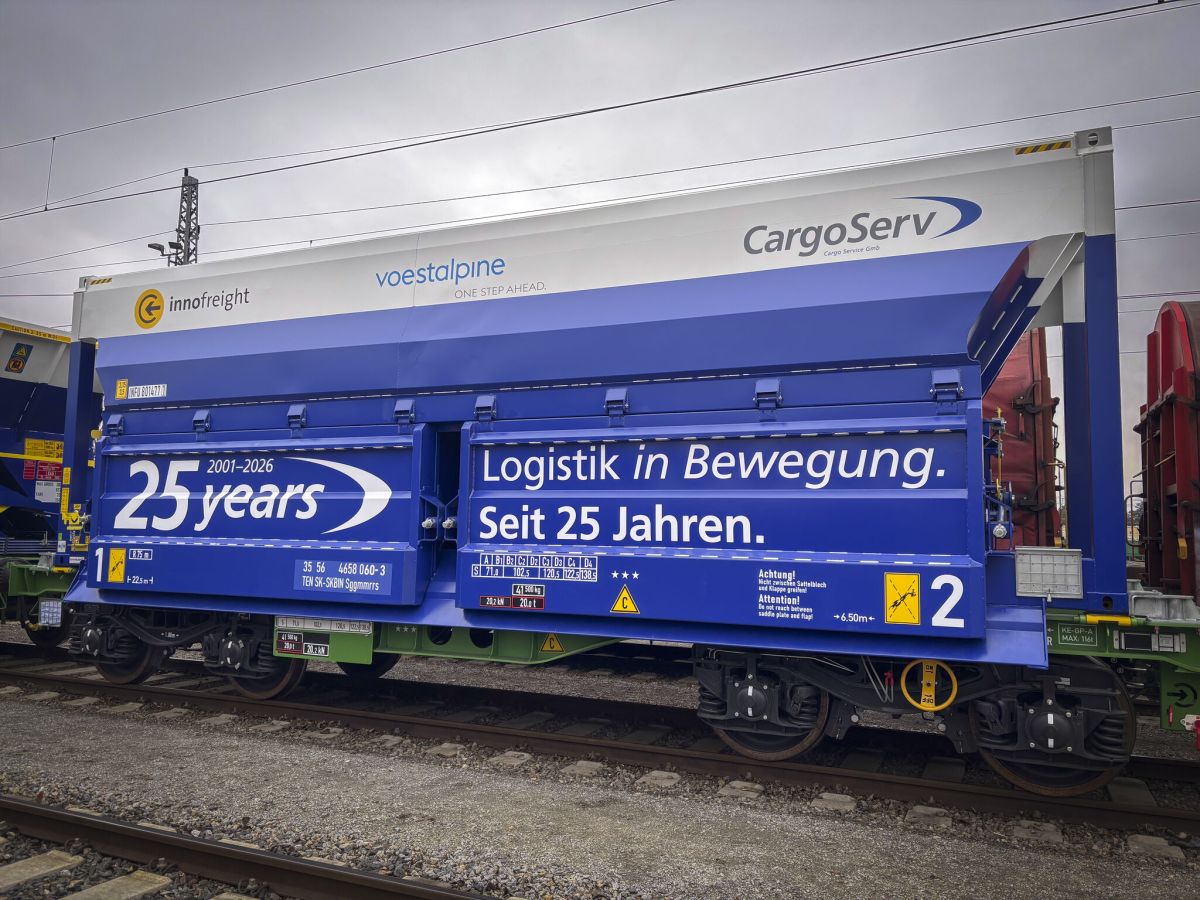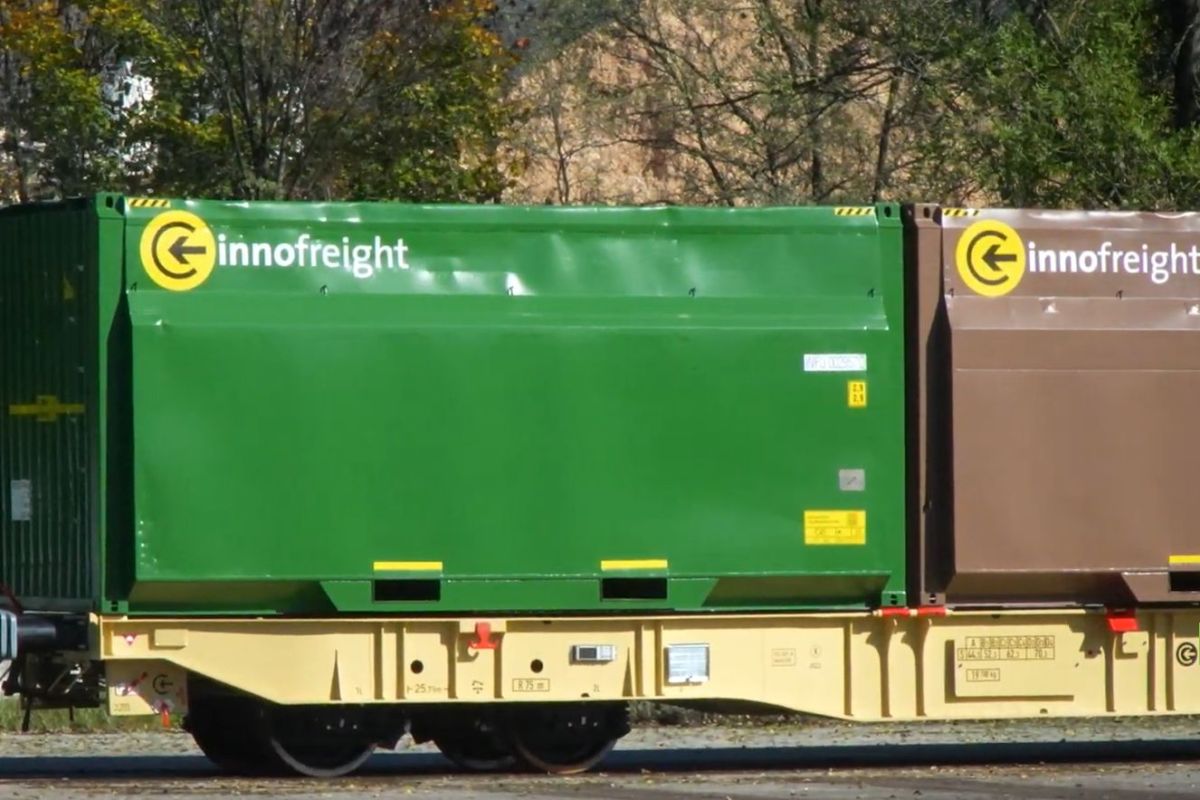
Innofreight group handles 400,000-tonne biomass flows for ŠKO-ENERGO
The project represents the largest biomass-based rail logistics operation currently underway in the Czech Republic.
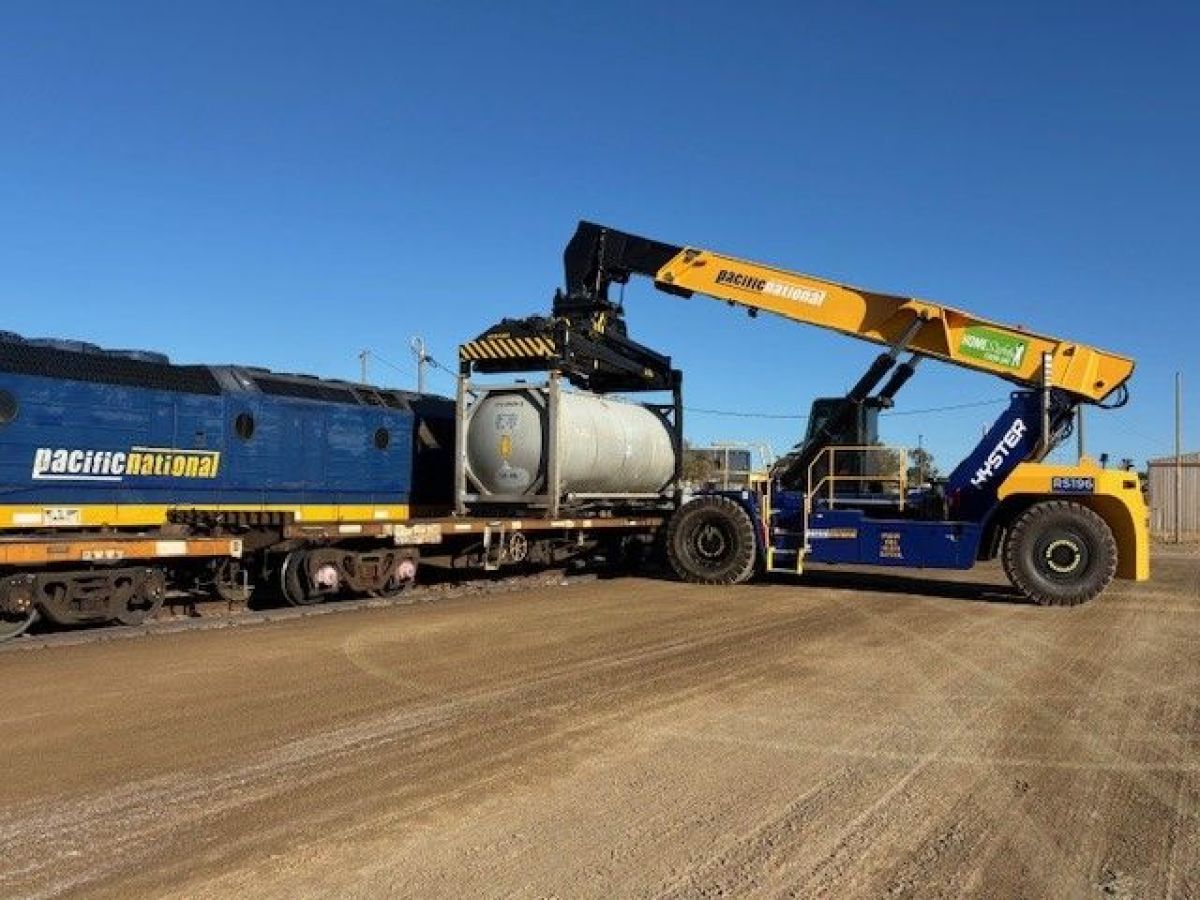
The operator said the terminal is designed to increase capacity and improve reliability for services between Perth, Kalgoorlie and the east coast.
The figures represent year-on-year increases of 32% in train movements and 25% in volume.
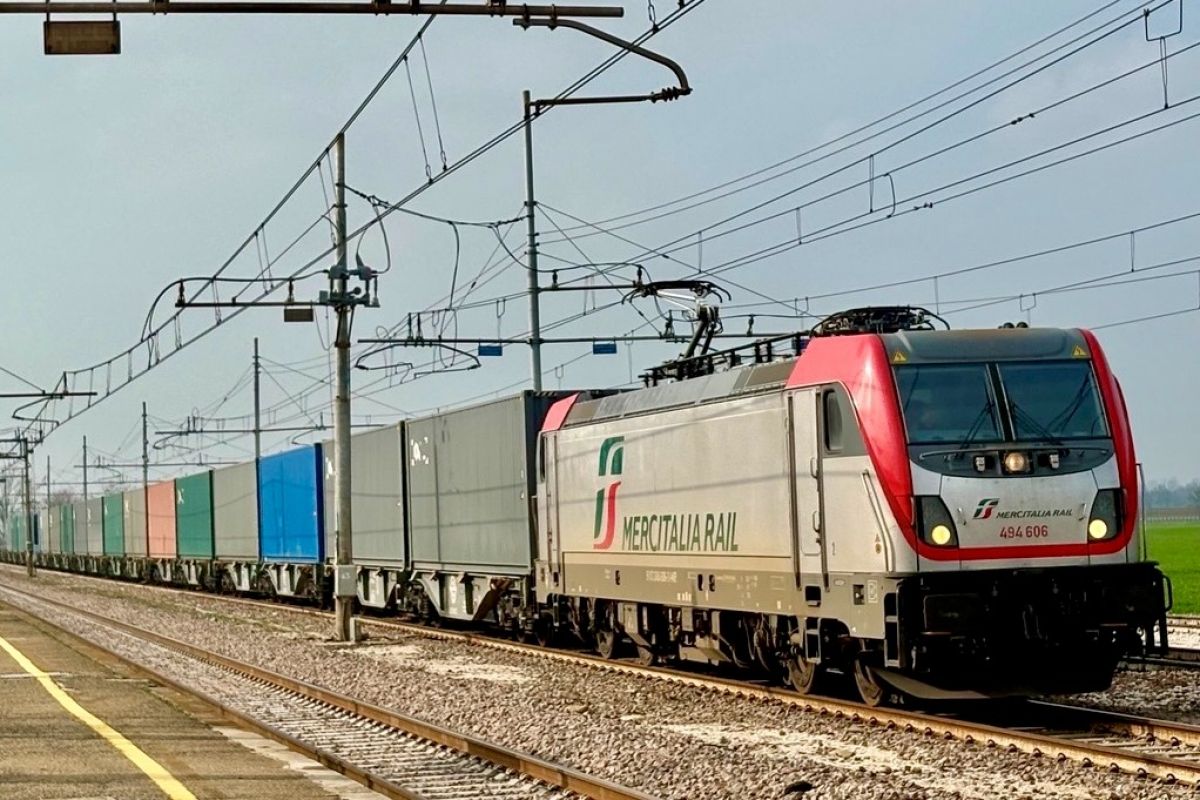
Three weeks after launch, the new Italy–Sweden rail service is now being presented as a 2,500 km multi-country corridor operated by TX Logistik and Nurminen Logistics, with a broader freight profile and a central role in FS Logistix’s north–south strategy.
The Port Authority of Santander (APS) has presented plans for a rail freight corridor between Santander and Madrid, with support from three rail operators and several intermodal shippers.
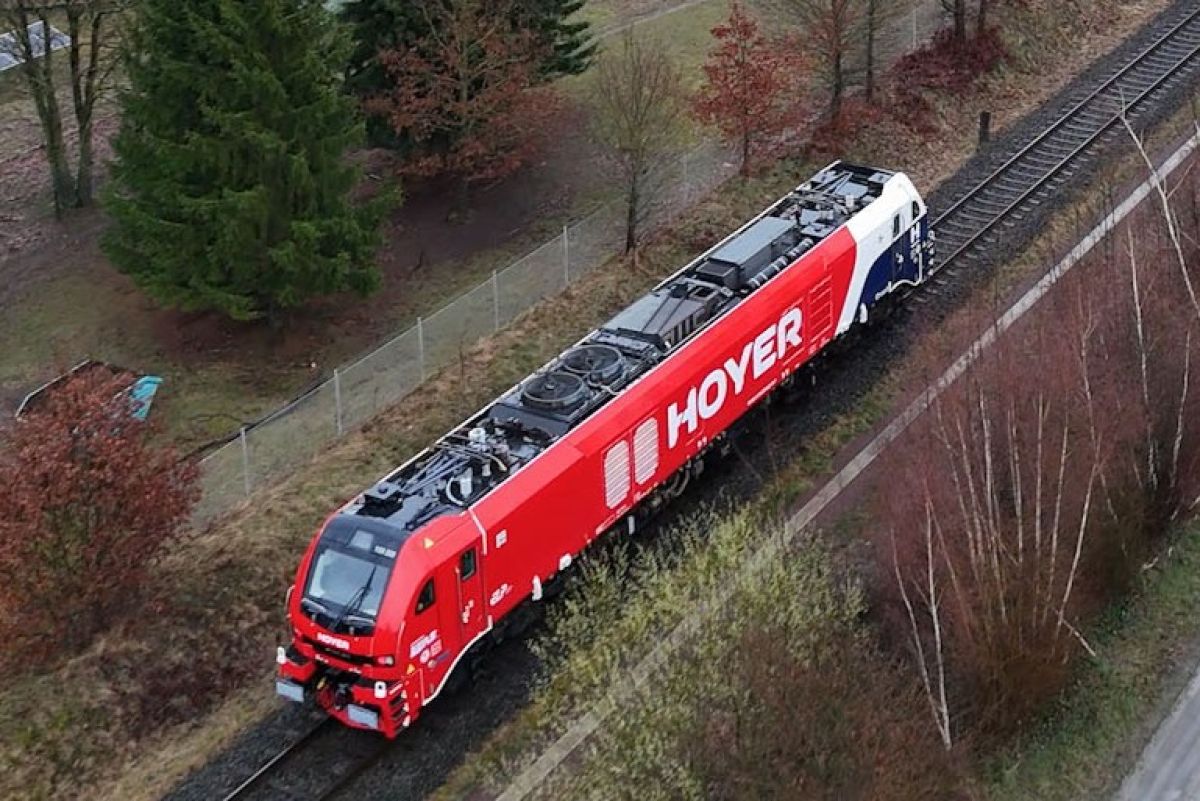
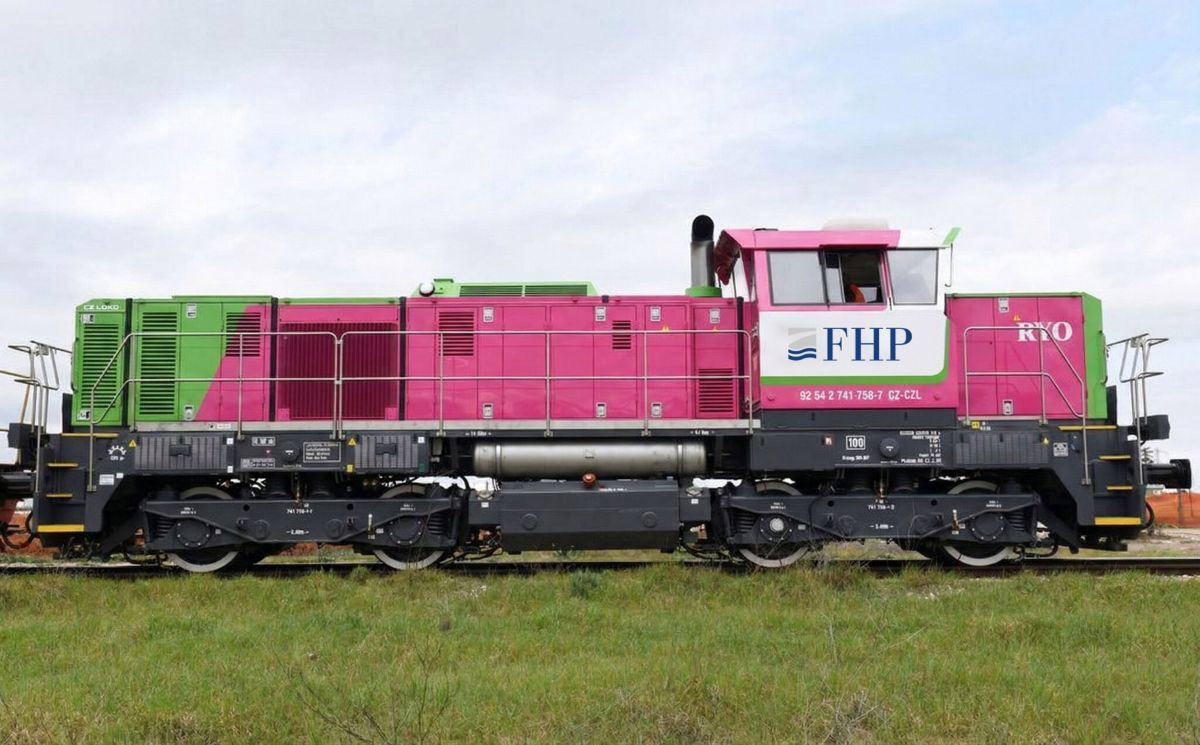
The locomotive will haul diesel and heating oil trains from North Sea ports to tank farms across the country.
Rising oil prices linked to renewed geopolitical tension in the Middle East are increasing cost pressure on European road freight, reinforcing the case for rail and intermodal transport on longer distances.
As of February 2026, the EU-Ukraine Solidarity Lanes remain a core trade lifeline for Ukraine, supporting the majority of imports and a large share of non-agricultural exports.
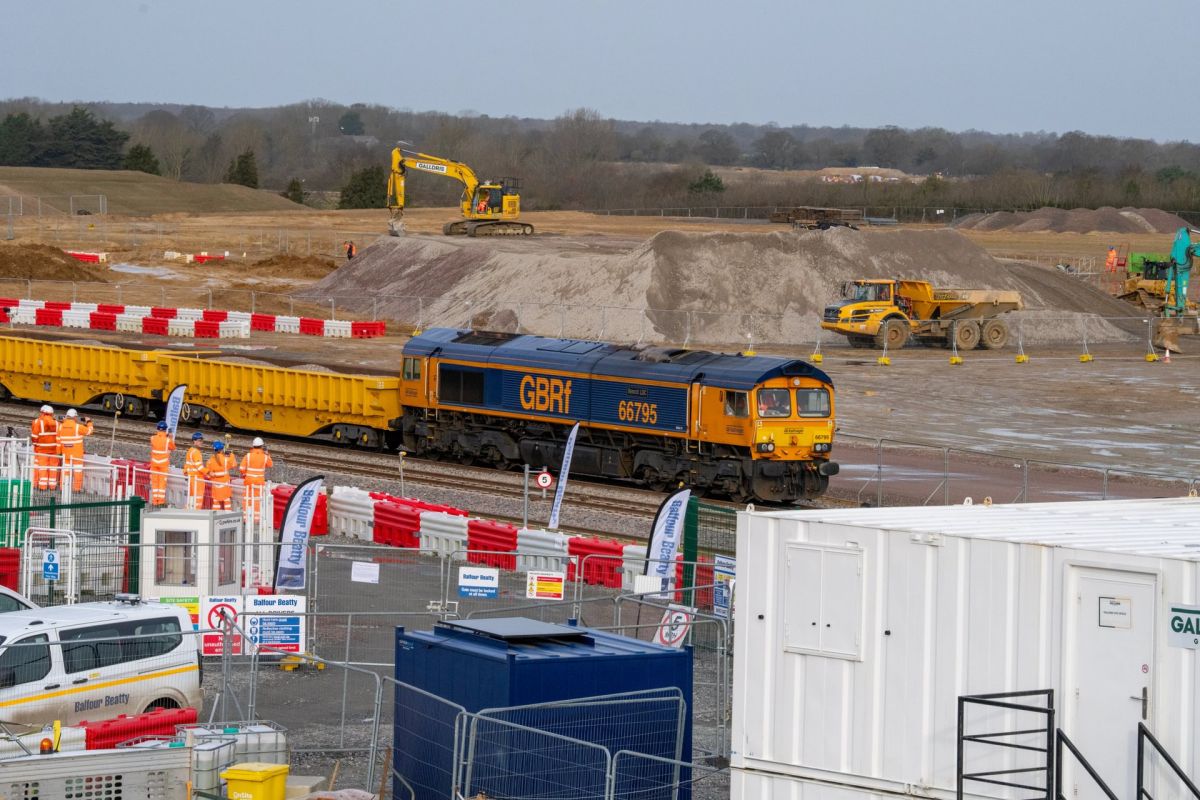
Sizewell C is a new nuclear power station under construction near Leiston in eastern England.
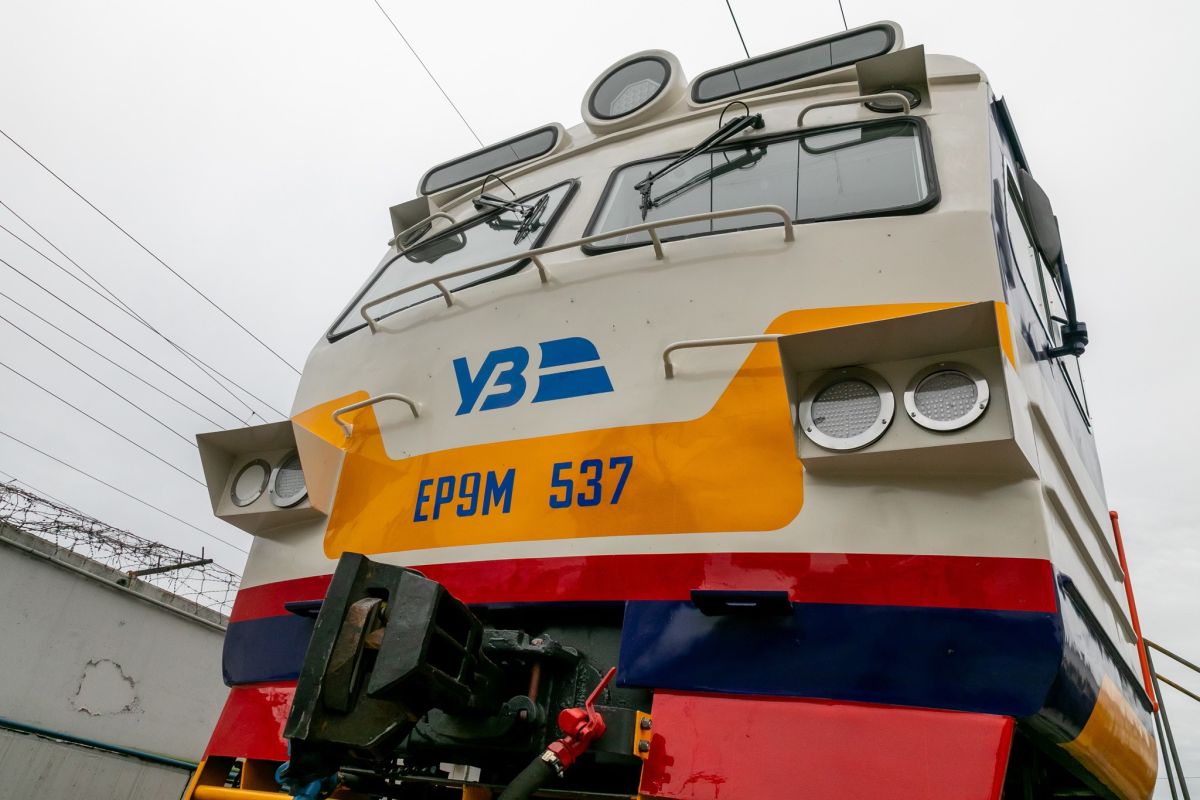
European railway operators keep supporting Ukraine via supplies of technology.
The decline on rail marks the fourth consecutive annual loss of modal share to road.
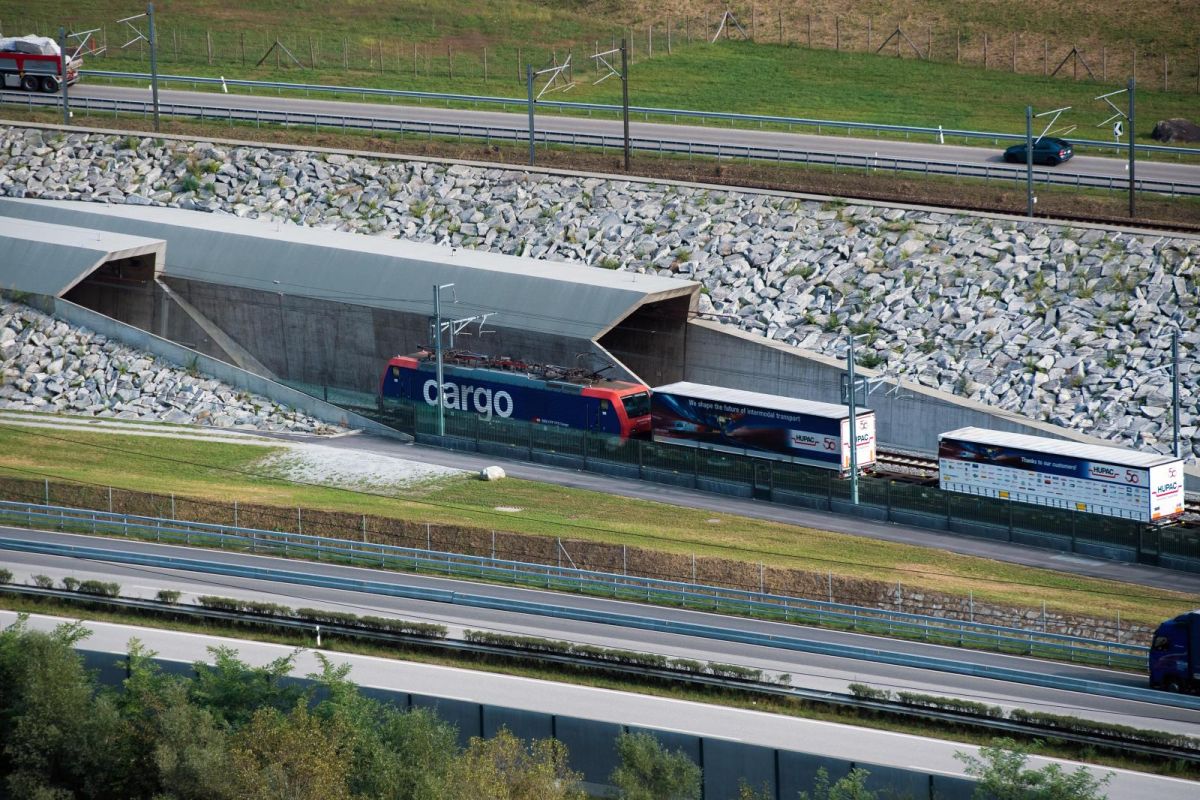
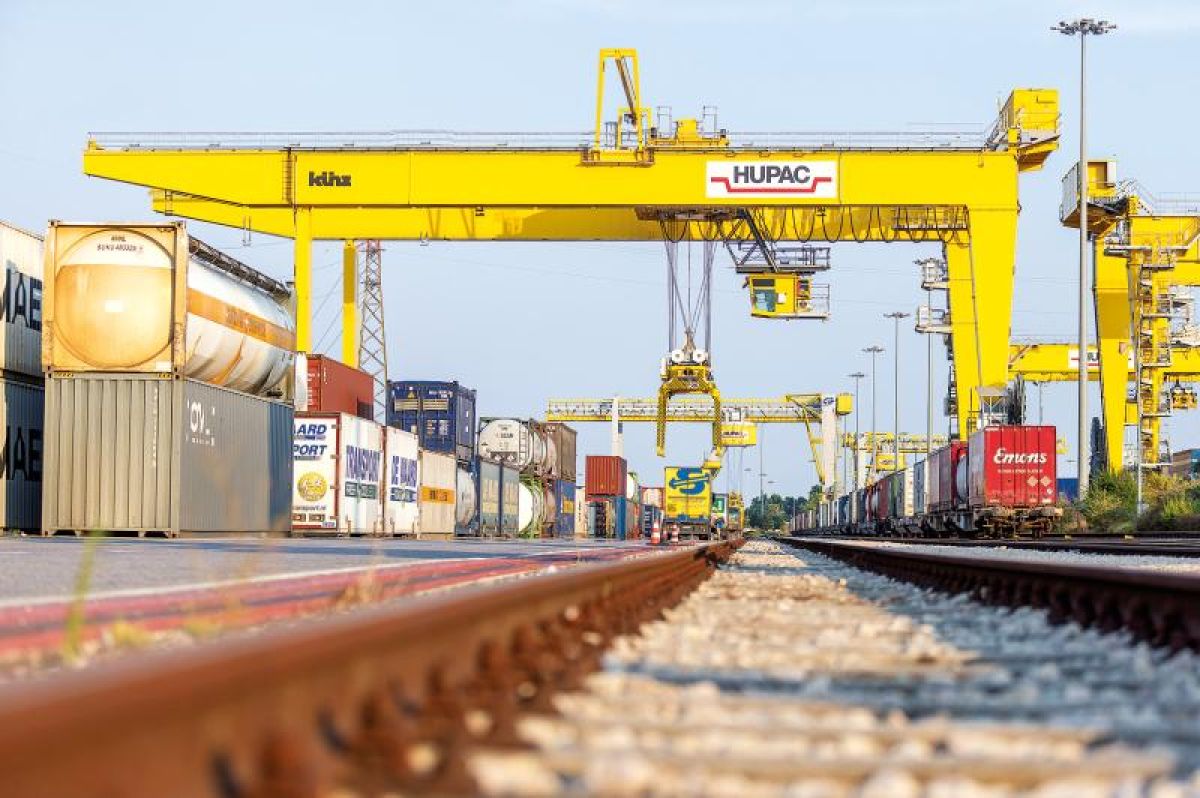
Hupac increased transport volumes in 2025 despite major infrastructure disruption across key European freight corridors, while warning that network constraints remain a structural risk for combined transport.
UIRR is urging EU lawmakers to continue work on the Combined Transport Directive, arguing that road-rail intermodal freight could help Europe cut oil dependency and improve energy resilience.
The company’s bid was selected as the best offer in the tender procedure.
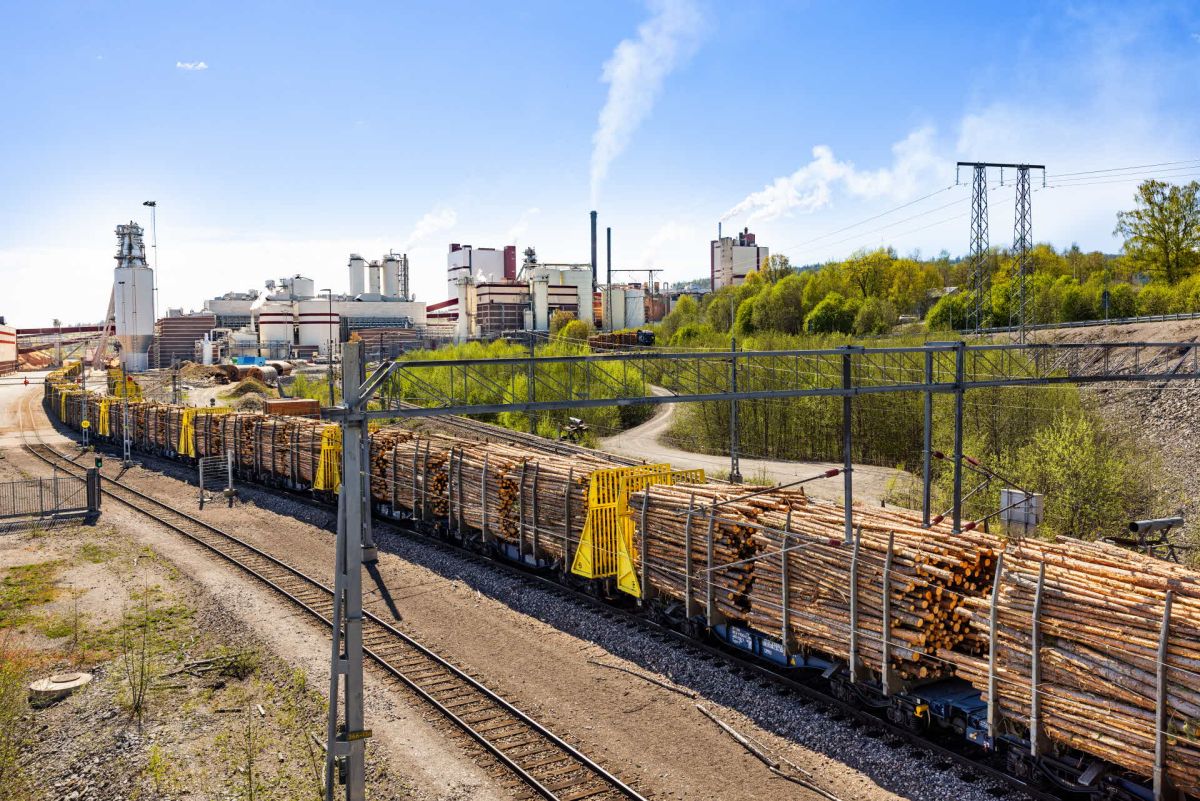
Rail now accounts for around 45% of the transport work required to supply SCA’s industrial operations with raw materials.
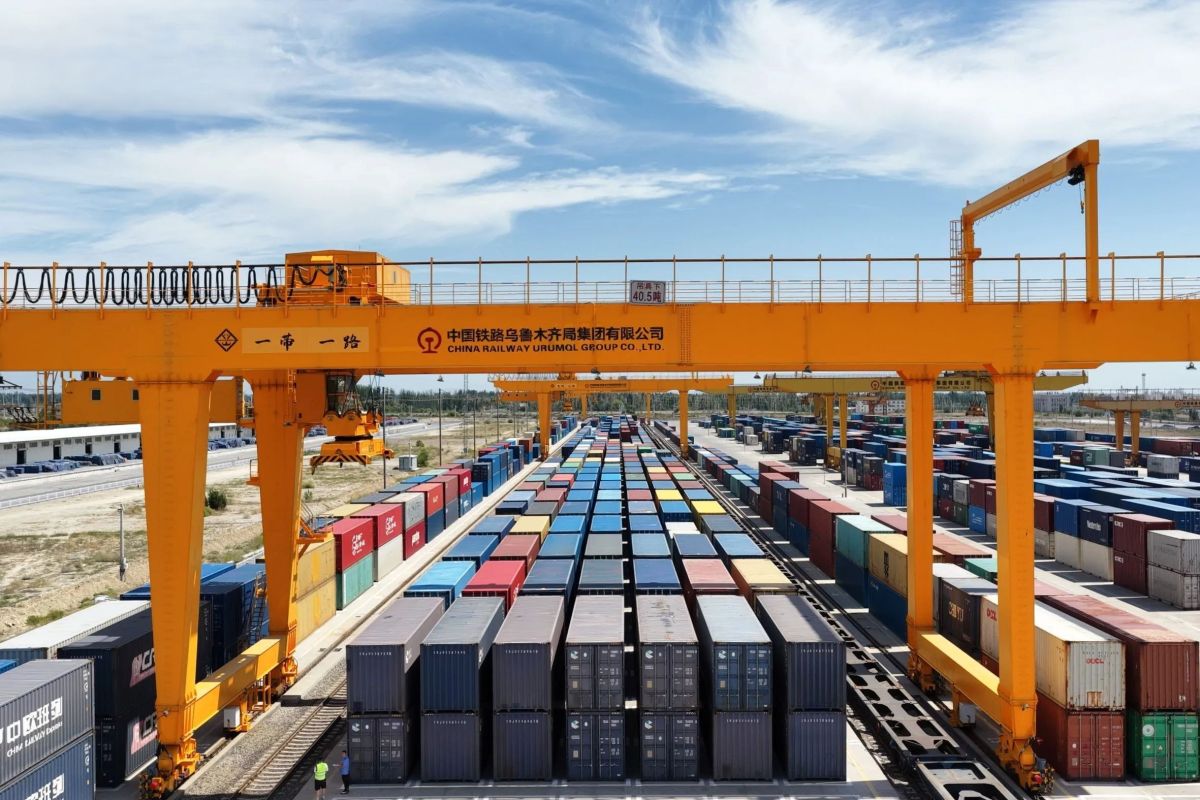
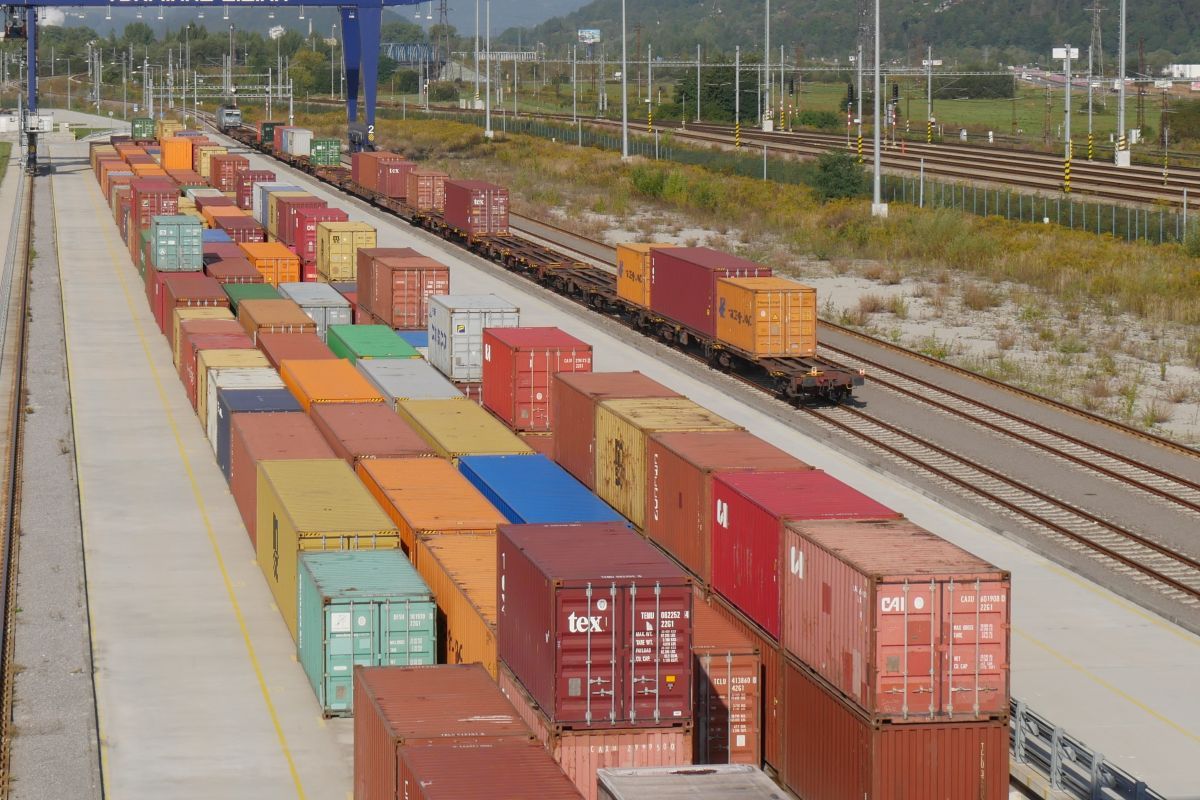
The service will operate with an initial frequency of two trains per week in both directions, enhancing connectivity of Slovakian terminal with Polish Baltic ports.
The fleet, equipped with Innofreight “RockTainer ORE” containers, will handle around 1.8 million tonnes of iron ore annually from the Erzberg site in Styria.
According to Tågab, the services will operate with electric locomotives for the full route.
The shuttle operates three times per week, with plans to increase to five rotations in the coming months.
The service will operate two round trips per week, with one outbound and one return connection, and can increase to three round trips in the short term.