Stadler improves results despite continued disruption
Stadler reported stronger sales and profitability for 2025, confirming a recovery trend despite continued pressure from supply chain disruption, weak German market conditions and the strong Swiss franc.
The Swiss rolling stock manufacturer increased revenue by 13% to CHF 3.7 billion, while EBIT rose to CHF 160.6 million from CHF 100.5 million a year earlier. The EBIT margin improved from 3.1% to 4.4%, and net profit almost doubled to CHF 100.7 million. Order intake reached CHF 6.1 billion, while the order backlog rose above CHF 32 billion, underlining the group’s strong medium-term workload.
A major drag on performance remains the flooding disaster in Valencia at the end of 2024, which damaged suppliers and infrastructure and forced Stadler to rebuild parts of its supply chain, secure alternative sourcing and adapt production processes. Although the company says recovery measures began to show results in the second half of 2025, the effects are expected to remain visible until 2027. Stadler also reiterated that CHF 350 million in revenue could not be realised in 2024 due to the disruption.
In Germany, the company continues to face a difficult economic environment. Stadler says its efficiency programme at the Berlin site has started to deliver results, helped by a labour agreement signed with IG Metall in 2025. Employees at the Berlin Pankow plant agreed to move from a 38-hour to a 40-hour working week in exchange for job security, and the company says productivity has improved across the value chain.
Currency effects also weighed on the result. Stadler said the stronger Swiss franc reduced consolidated revenue by more than CHF 50 million, adding further pressure to an export-oriented business operating from one of Europe’s highest-cost production environments.
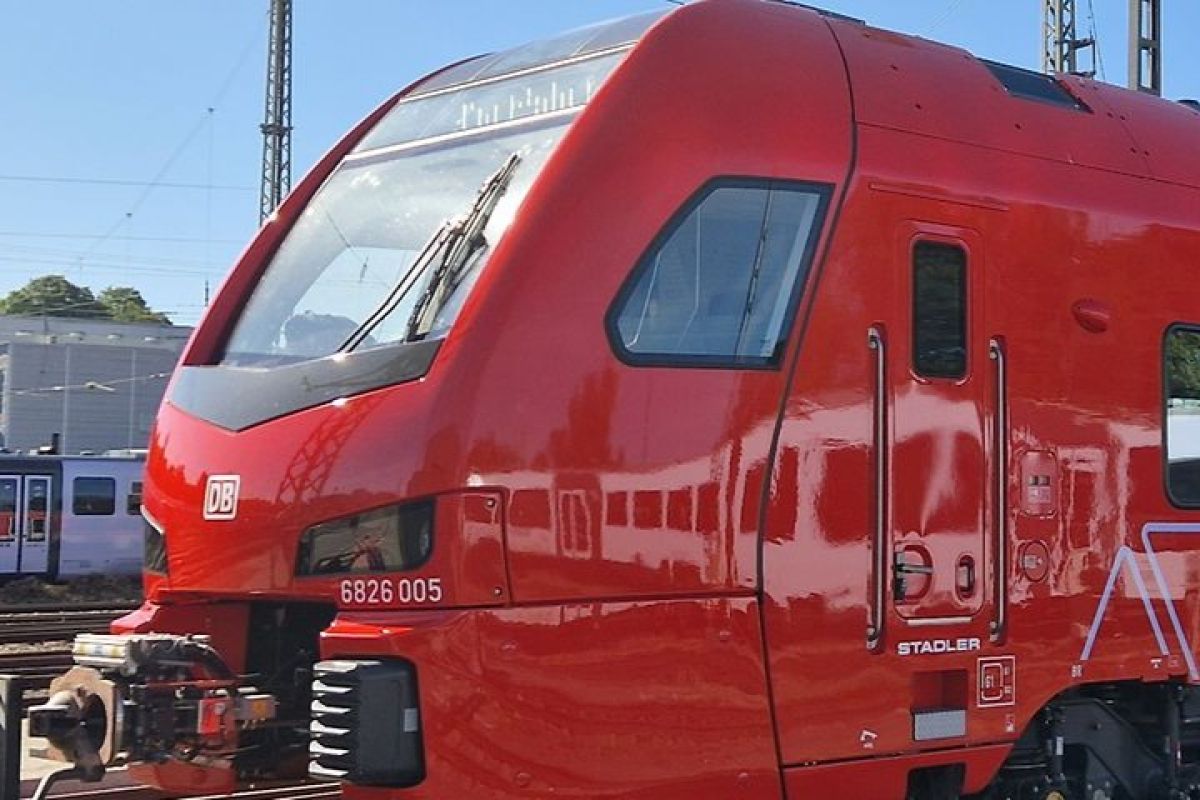
At the same time, the company pointed to several commercially important wins in 2025, including an order from Dutch operator NS for 36 FLIRT trains, a signalling contract in Bergen worth around EUR 50 million, hydrogen narrow-gauge trains for Ferrovia Circumetnea in Sicily and a major urban rail order from Kölner Verkehrs-Betriebe for 132 high-floor light rail vehicles worth around EUR 700 million.
The company also noted that it expects significant future vehicle orders in Berlin, including up to 1,500 metro cars for BVG and more than 350 trains for S-Bahn Berlin by the end of 2026. In the United States, Stadler said tariffs have had an impact, but not to the full extent, partly because it already meets Buy America requirements and further increased local production through a new aluminium welding facility in Salt Lake City.
Cash flow remains under pressure
Despite stronger earnings, cash generation remained weak in 2025 as Stadler continued to invest heavily in production capacity and used advance payments from customers to execute existing contracts. Free cash flow for the full year was negative at CHF 588.4 million, although the second half returned to positive territory. Net cash moved to minus CHF 275.5 million at year-end, compared with a positive CHF 368 million twelve months earlier.
The company argues that these figures reflect the current phase of high production ramp-up rather than a deterioration in underlying demand. Production output in 2025 was more than CHF 1 billion above reported revenue because of conservative accounting treatment, suggesting a large volume of work already in execution but not yet recognised as sales.
2026 outlook points to further growth
For 2026, Stadler forecasts revenue well above CHF 5 billion and an EBIT margin of more than 5%. The company expects order intake to remain in a range of one to one-and-a-half times annual revenue, with total investments of around CHF 250 million next year.
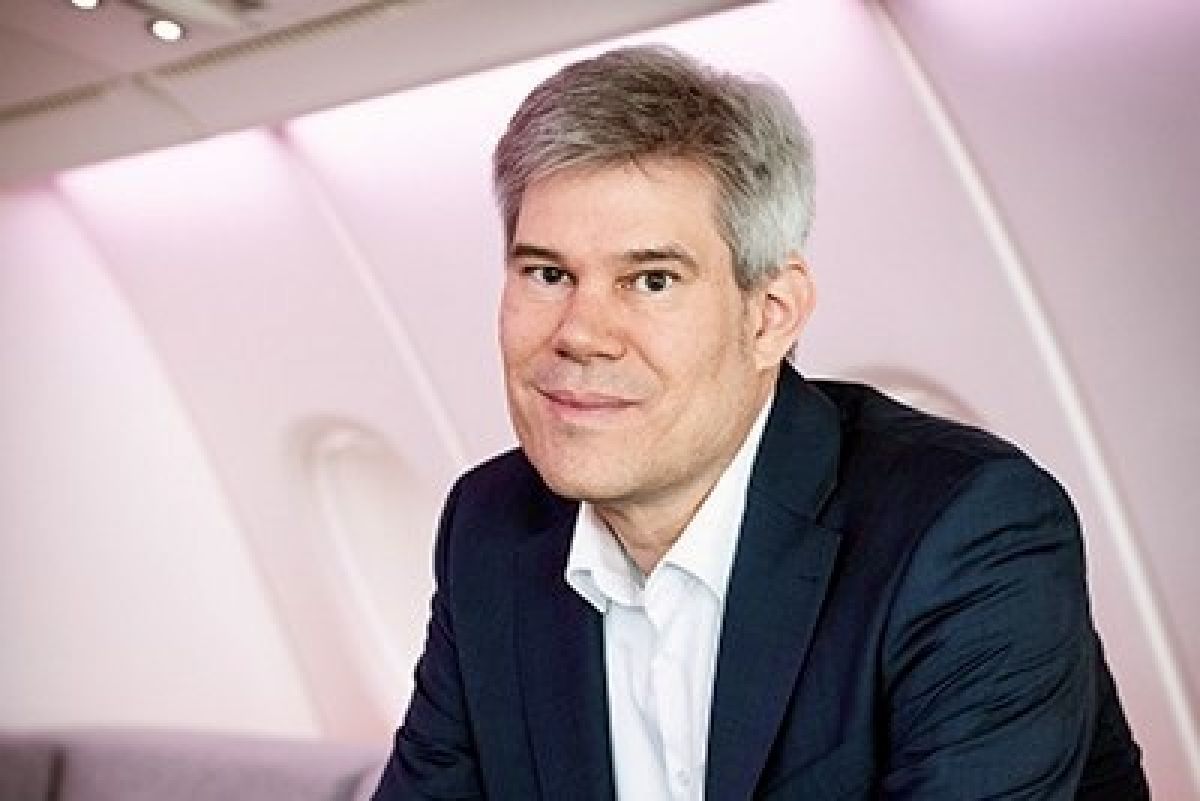
Group CEO Markus Bernsteiner said the company’s post-disruption recovery measures are beginning to bear fruit and that the combination of a strong backlog, more stable supply chains and efficiency gains should support a significantly higher revenue and EBIT result in 2026.
Stadler also confirmed its medium-term guidance unchanged, continuing to target an EBIT margin of 6% to 8% once supply chains stabilise, on a revenue base above CHF 5 billion. The board intends to propose a dividend of CHF 50 million for 2025, up from CHF 20 million a year earlier.
For the European rail market, the results suggest that Stadler is entering 2026 with improving momentum, but still under the influence of external shocks ranging from climate-related supply chain damage to industrial weakness in Germany and currency pressure in Switzerland.