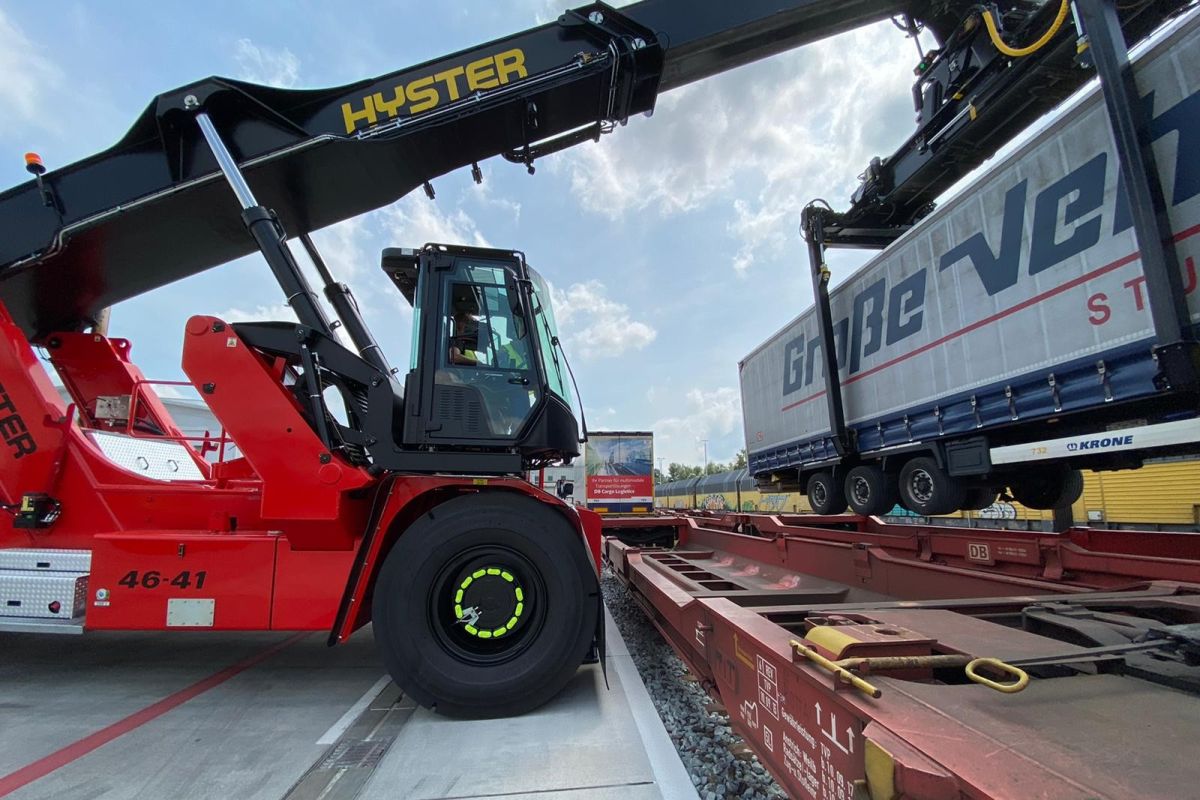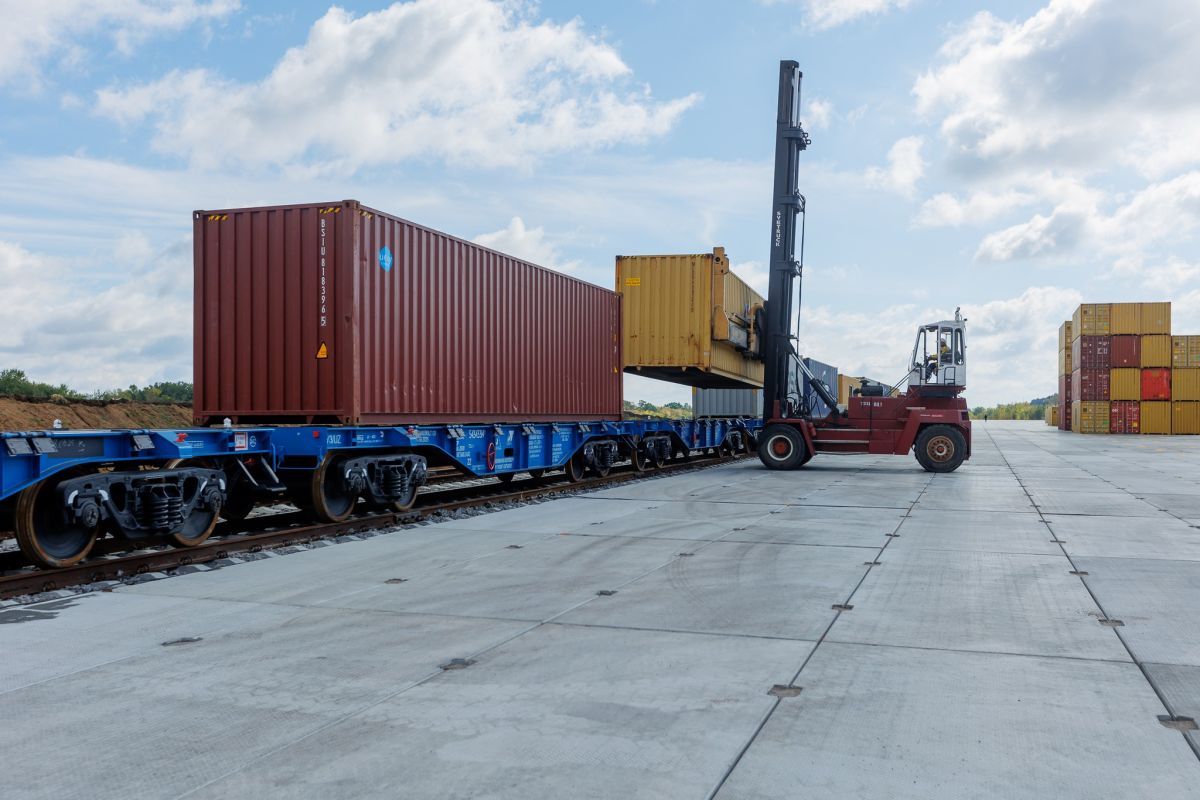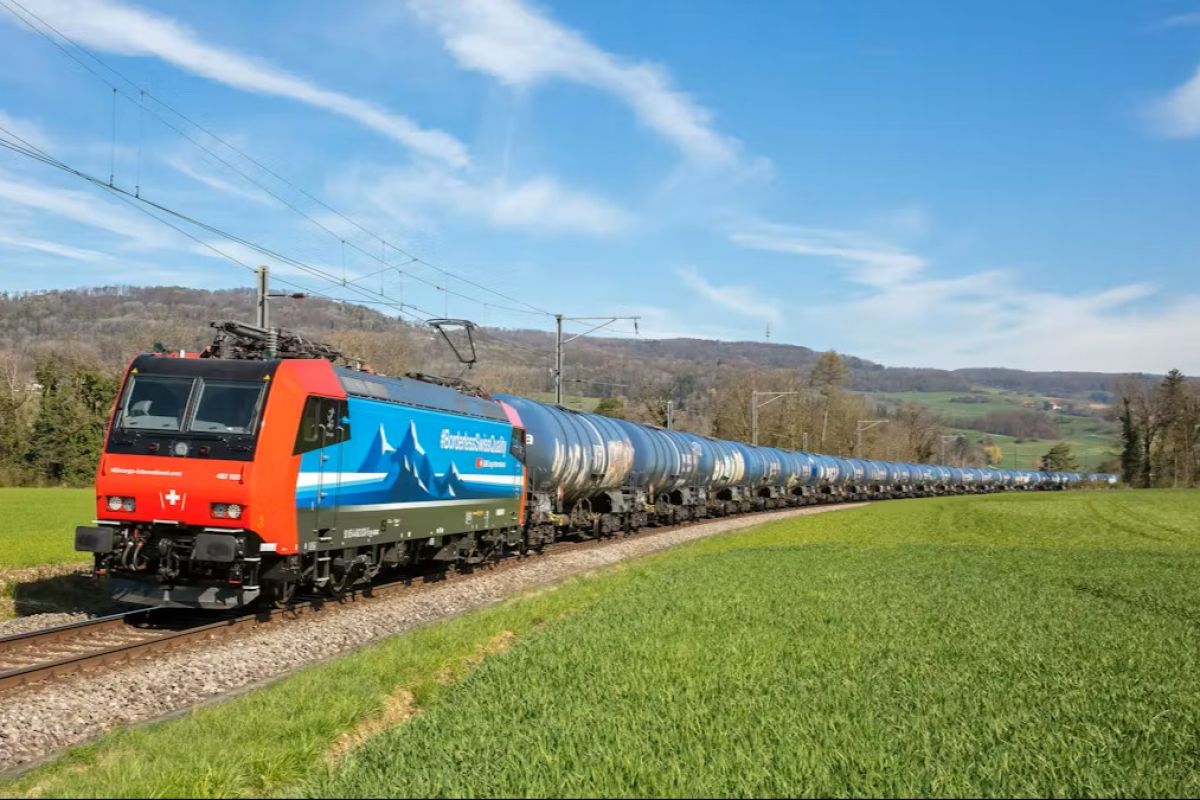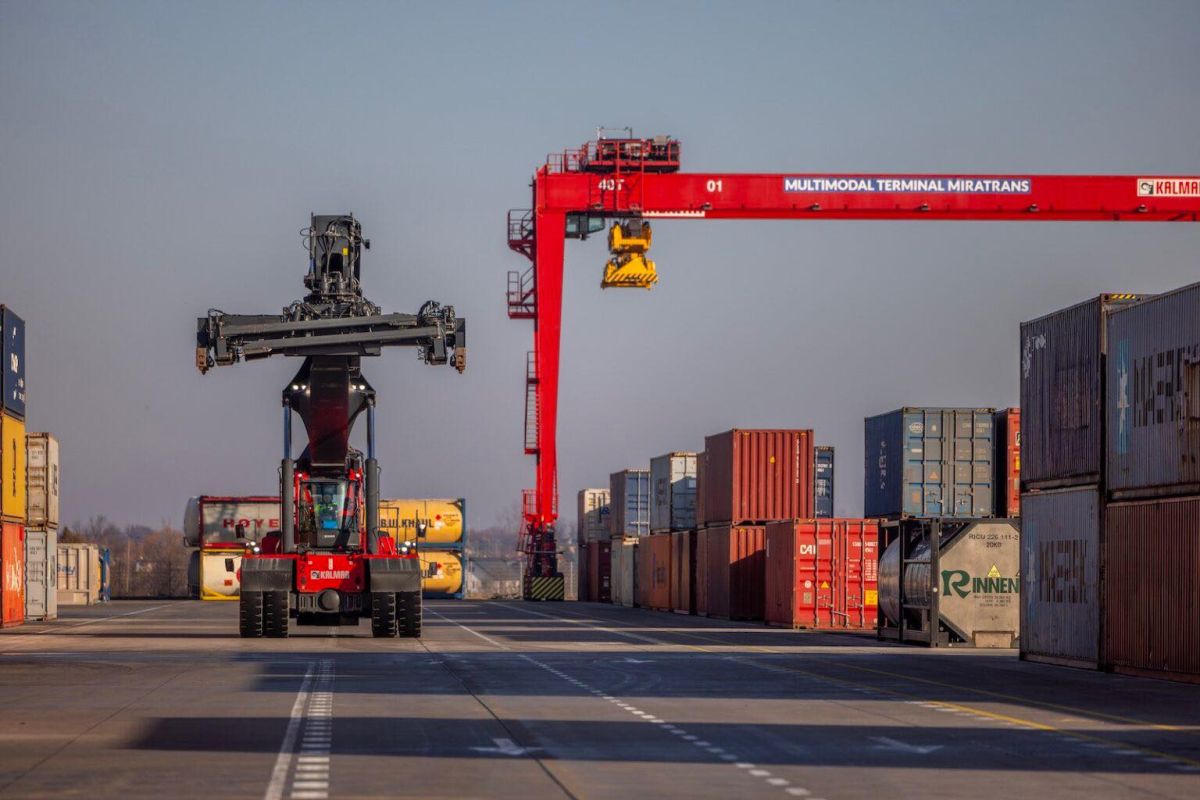

DB Cargo and Große-Vehne open new Hungarian rail-road transhipment terminal
The site adds a new access point to DB Cargo’s Automotive RailNet and has been in operation since January 2026.
The shipment of Nissan vehicles moved from ports on the Eastern Coast to the dry port at the Industrial City of Abu Dhabi (ICAD).
The operator increased its timetable to 531 trains in the 2025/2026 off-season and 559 in summer, adding 60 and 45 services respectively compared with the previous year.
The concession includes an additional investment of around EUR 5m to expand bulk storage capacity by 36,000 m³, increasing total capacity to 54,000 m³.
Four locomotives have already entered service in New Zealand, with the remaining units scheduled for delivery in batches over the next two years.
The contract covers the delivery of 10 new-generation EMUs built for the 1,520 mm gauge network.
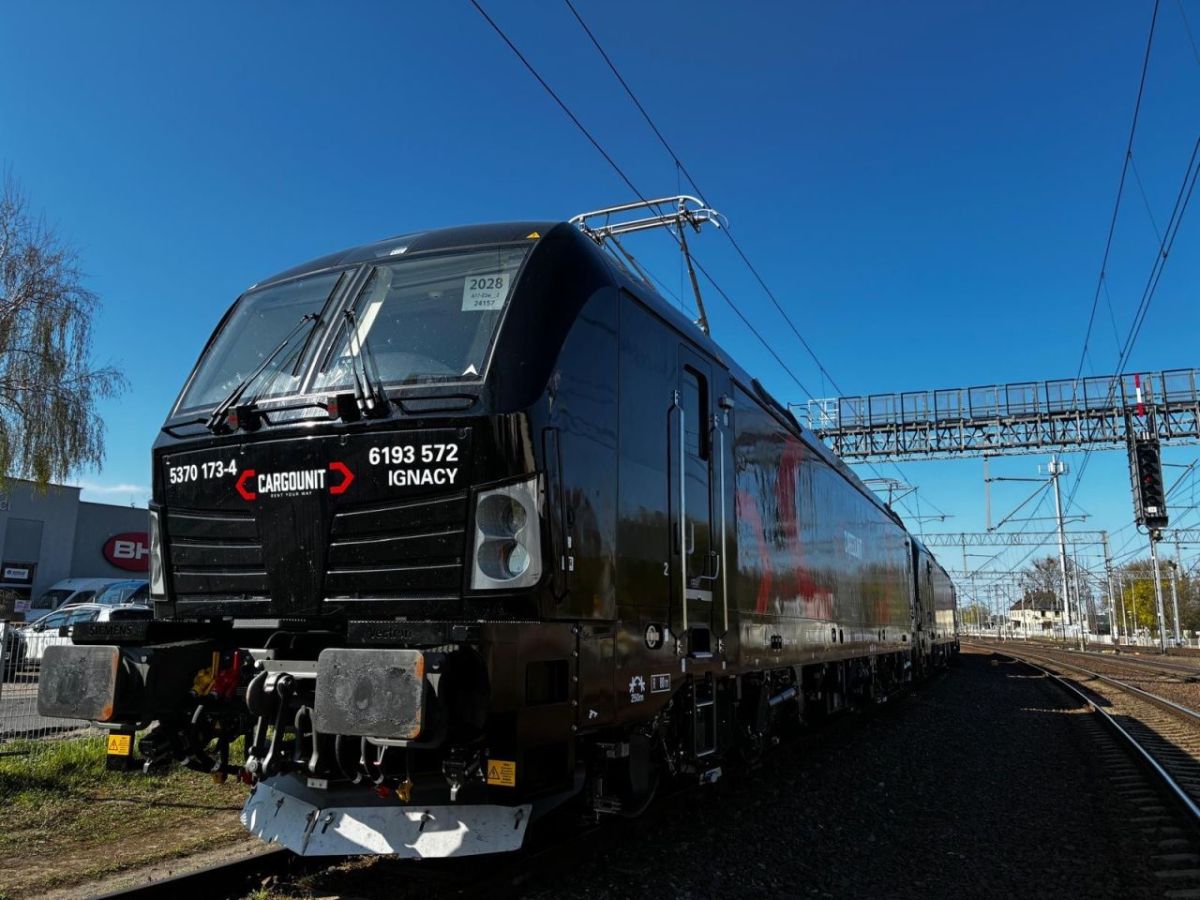
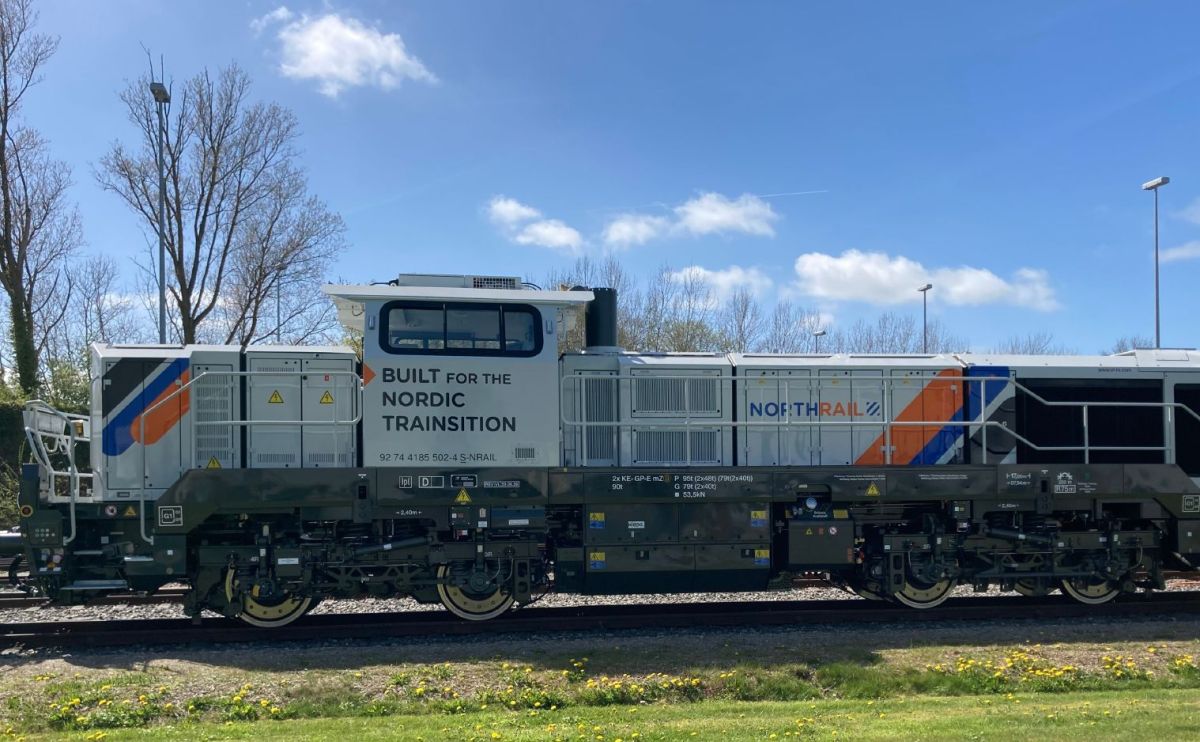
The milestone locomotive, named “Ignacy”, continues the lessor’s expansion of its multi-system fleet for cross-border freight operations.
Rail freight traffic on Austria’s network reached 96.2 million tonnes in 2025, up 1.8% year on year, according to Statistics Austria. Domestic transport performance increased by 2.6% to 21.5 billion tonne-kilometres.
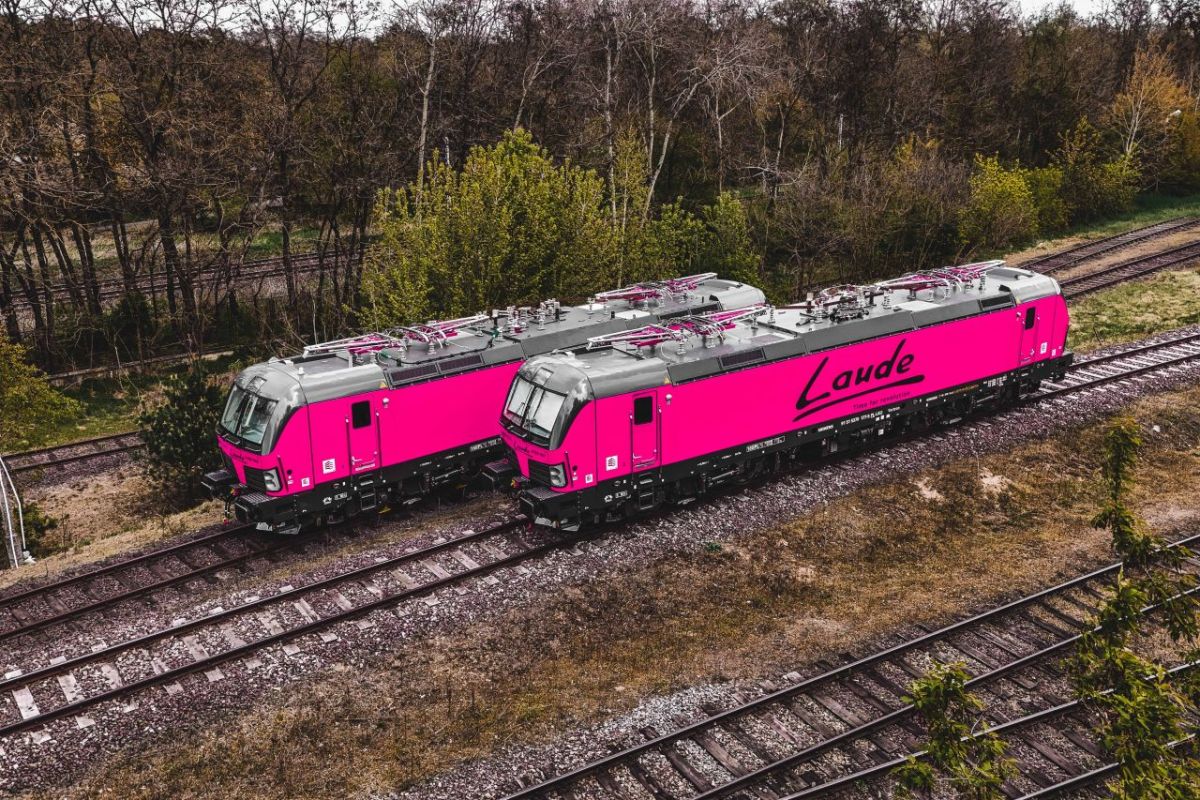
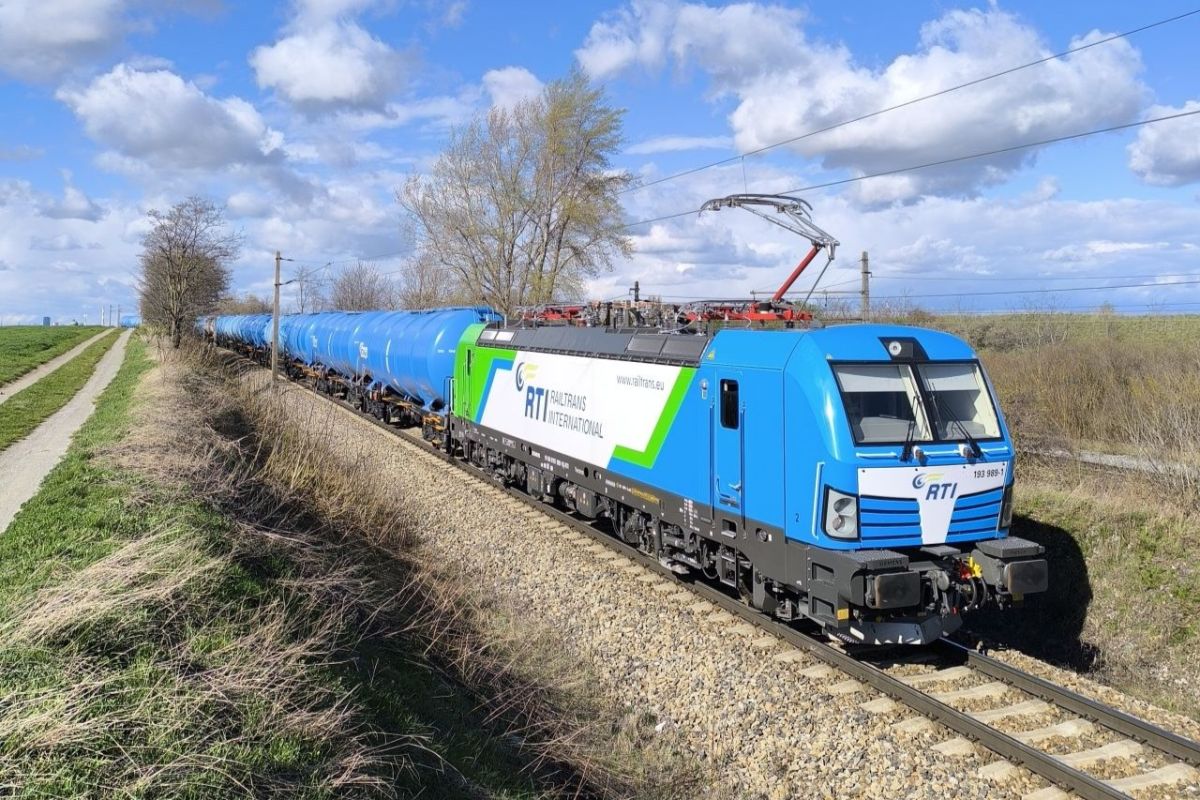
The handover increases Laude’s Vectron fleet to three locomotives, following the first unit delivered in 2021.
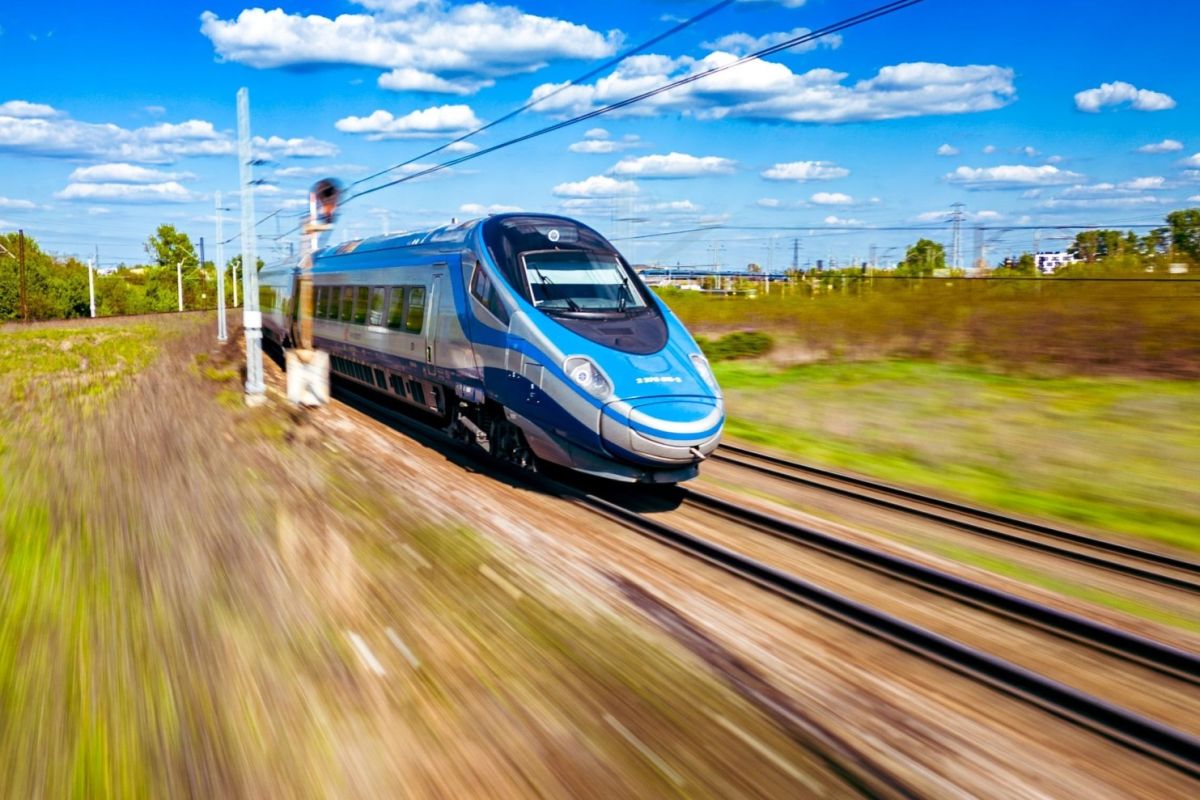
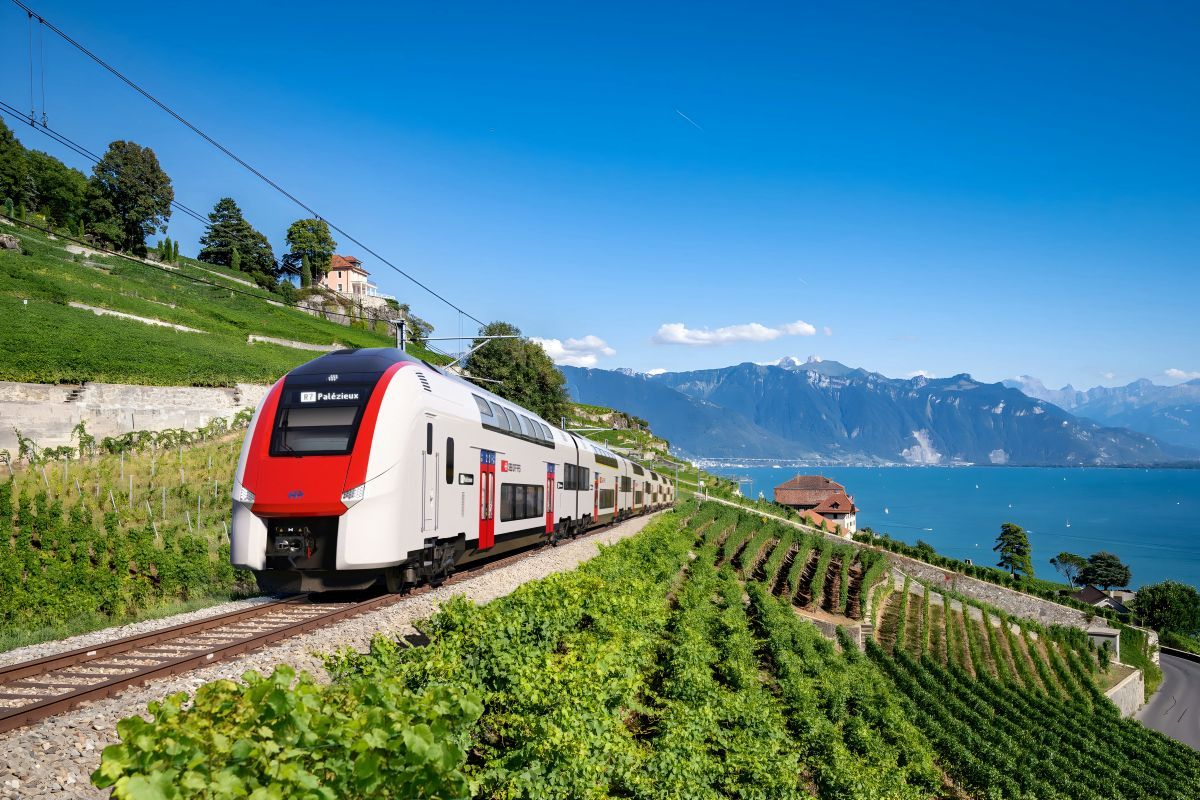
The trains, based on the Desiro HC platform, are scheduled to enter service from 2031.
The service connects Sydney to Minto and Melbourne to Ettamogah, Griffith and Bomen.
The figures were presented during the EU–Ukraine Business Summit 2026, held in Brussels on 22–23 April.
PKP Cargo operated throughout 2025 under court-supervised restructuring proceedings.
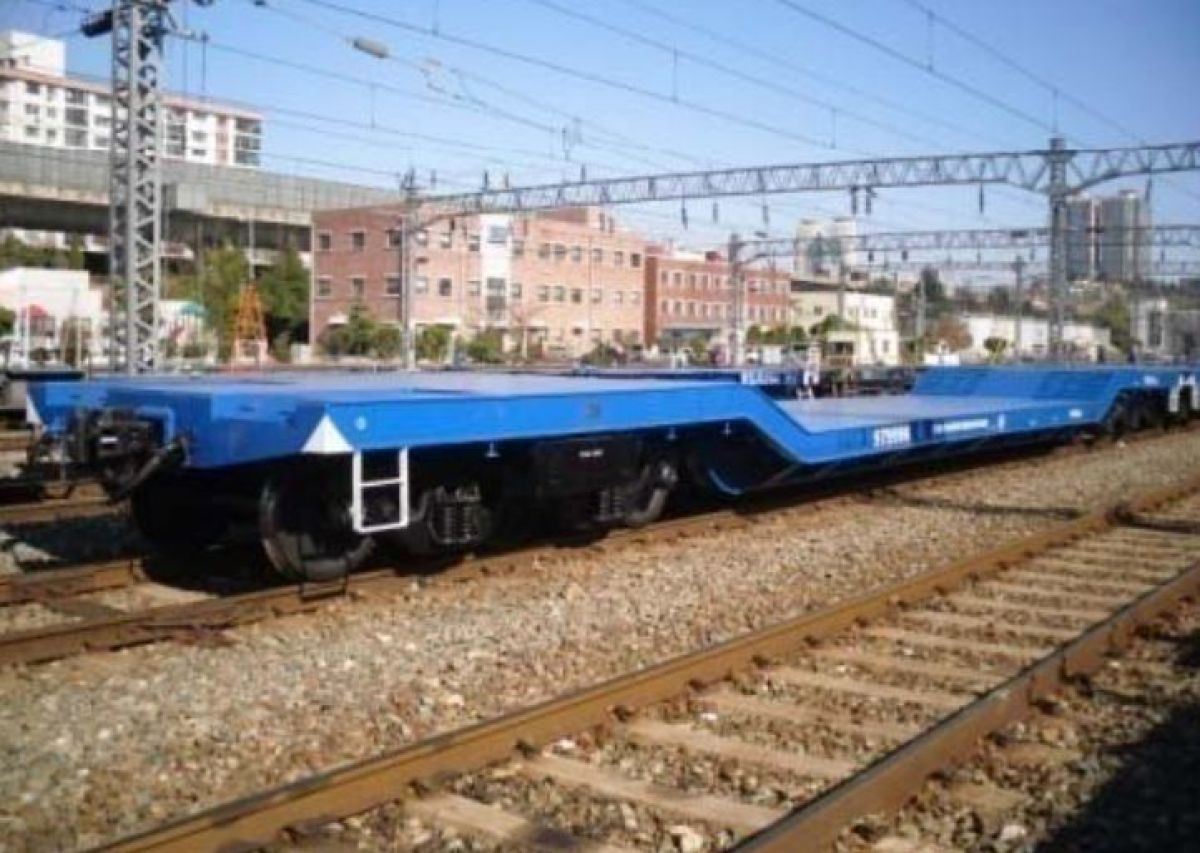
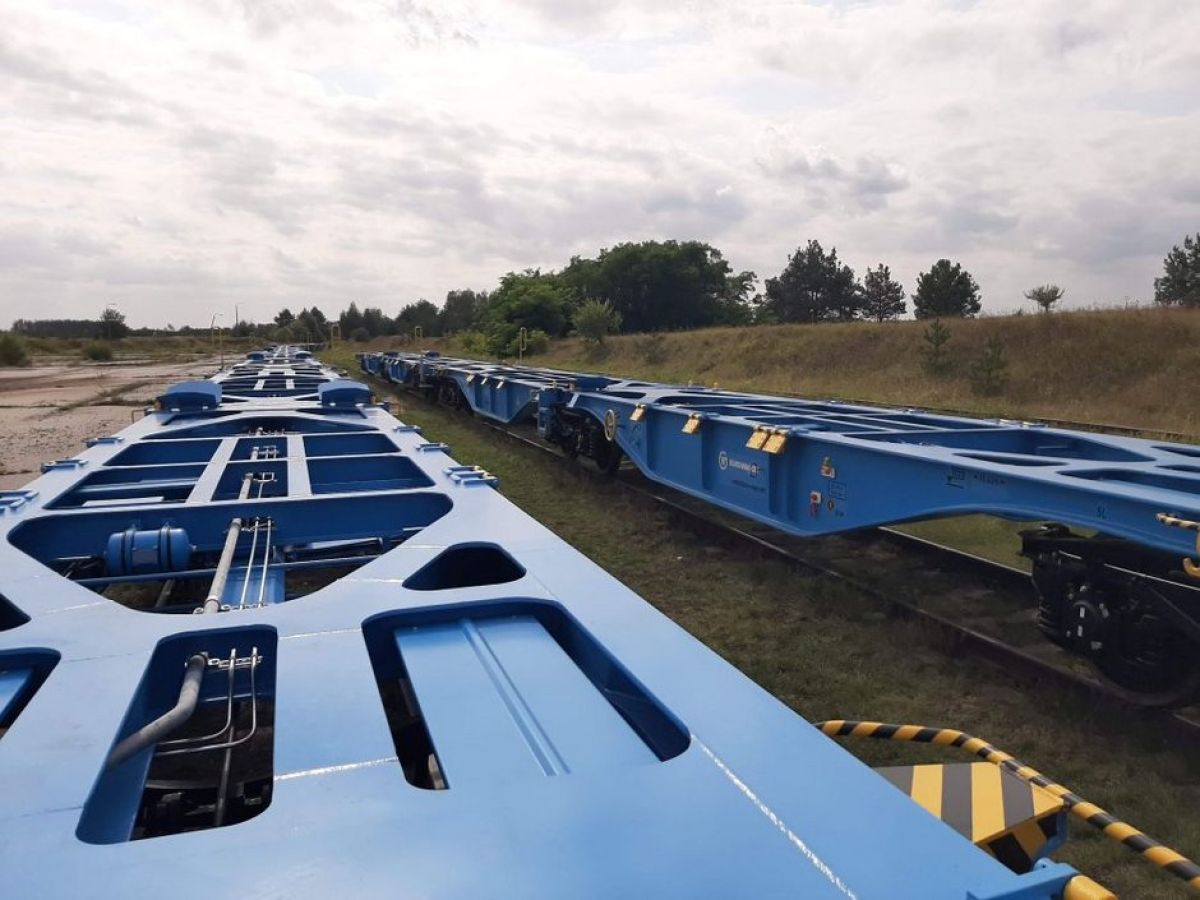
The wagon is based on the company’s Eas platform with structural modifications for heavy-duty loading conditions.
A new document titled Política Ferroviaria Nacional para Chile – Trenes para Chile 2050 sets out a long-term framework to reposition rail as a core element of Chile’s transport and logistics system by mid-century.
The rail freight operator will continue hauling construction materials from marine terminals to sites across London and the Southeast until 2031.
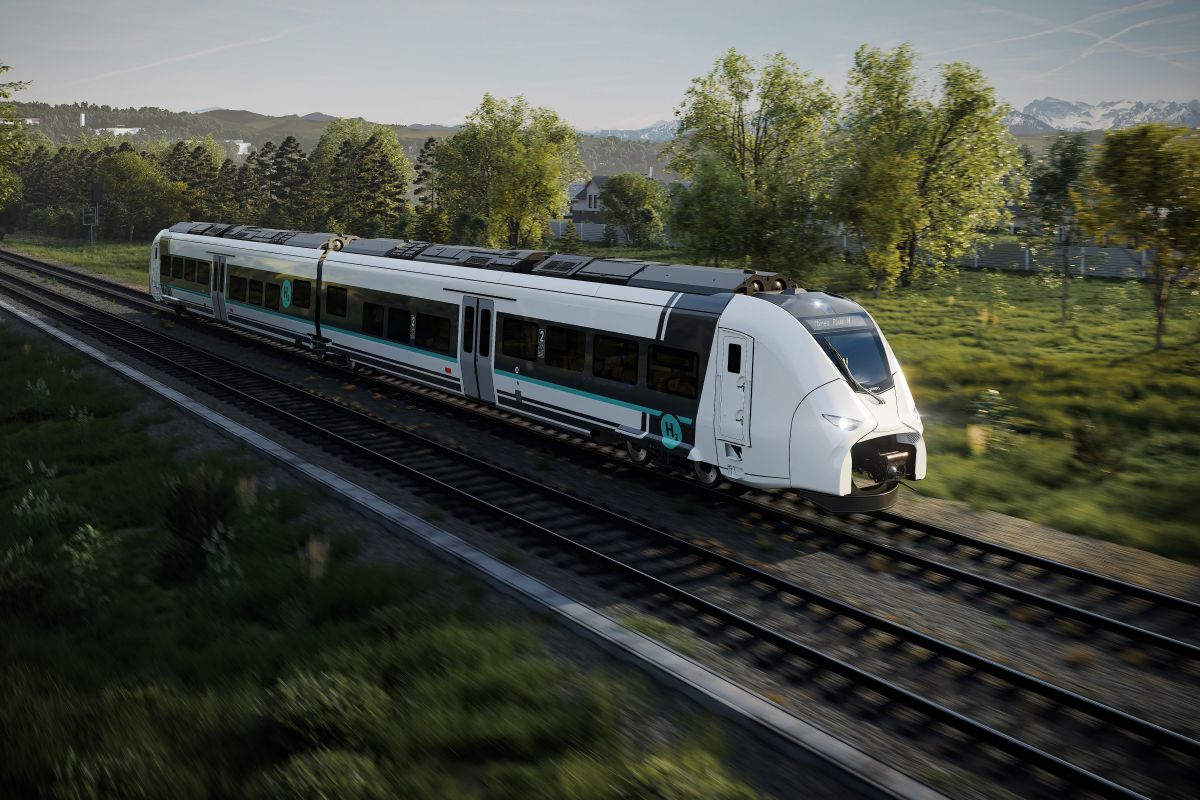
Each Mireo Plus H will be equipped with a hydrogen fuel cell propulsion system combined with onboard batteries.
The locomotives were moved via Rostock and Trelleborg to BS Verkstäder in Falköping for ETCS commissioning.
As global trade patterns shift and Central and Eastern Europe (CEE) continues to grow as a manufacturing and logistics powerhouse, efficient connections between the Adriatic ports and inland terminals are becoming more vital than ever.
The trial increased freight capacity by over 300 tonnes per train by utilizing Class D infrastructure standards.
The first Romanian contract, signed in April 2025 and valued at approximately EUR 1.4m, was completed in April 2026, ahead of the original June 2026 deadline.
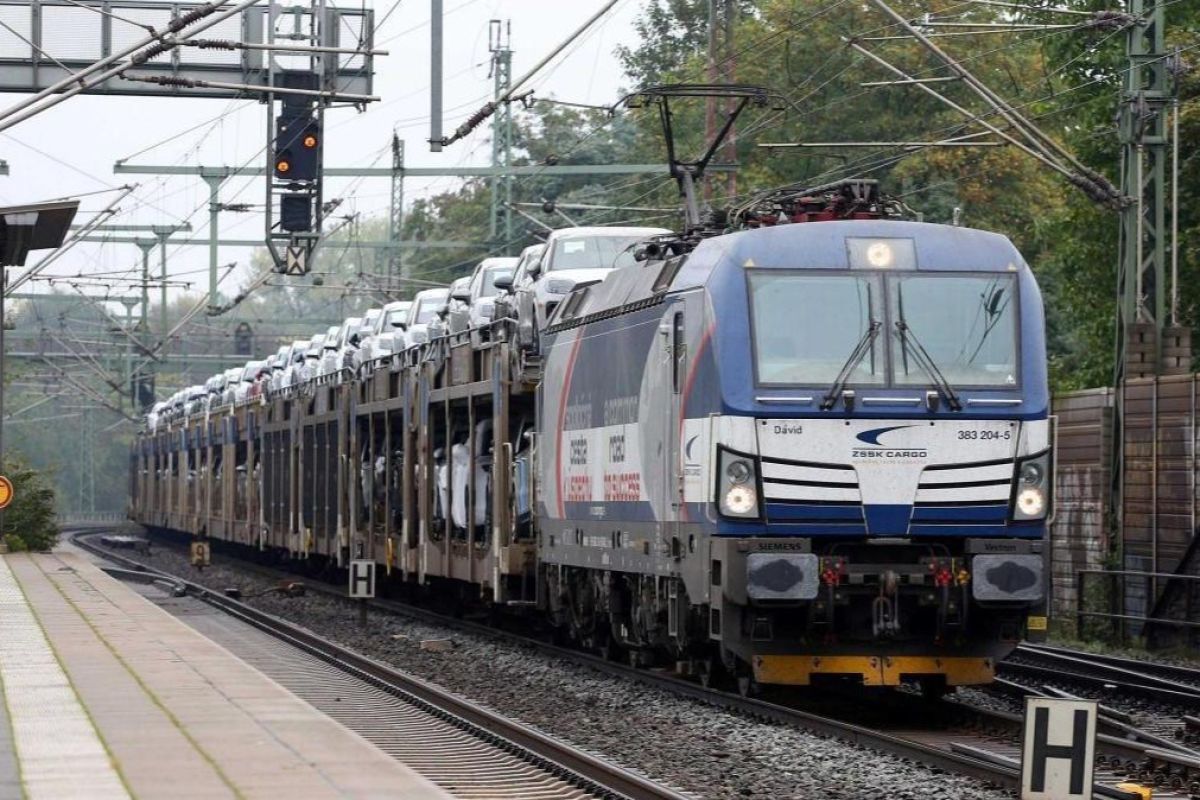
The train operated on the Munich–Antwerp–Munich axis via Emmerich and Roosendaal.
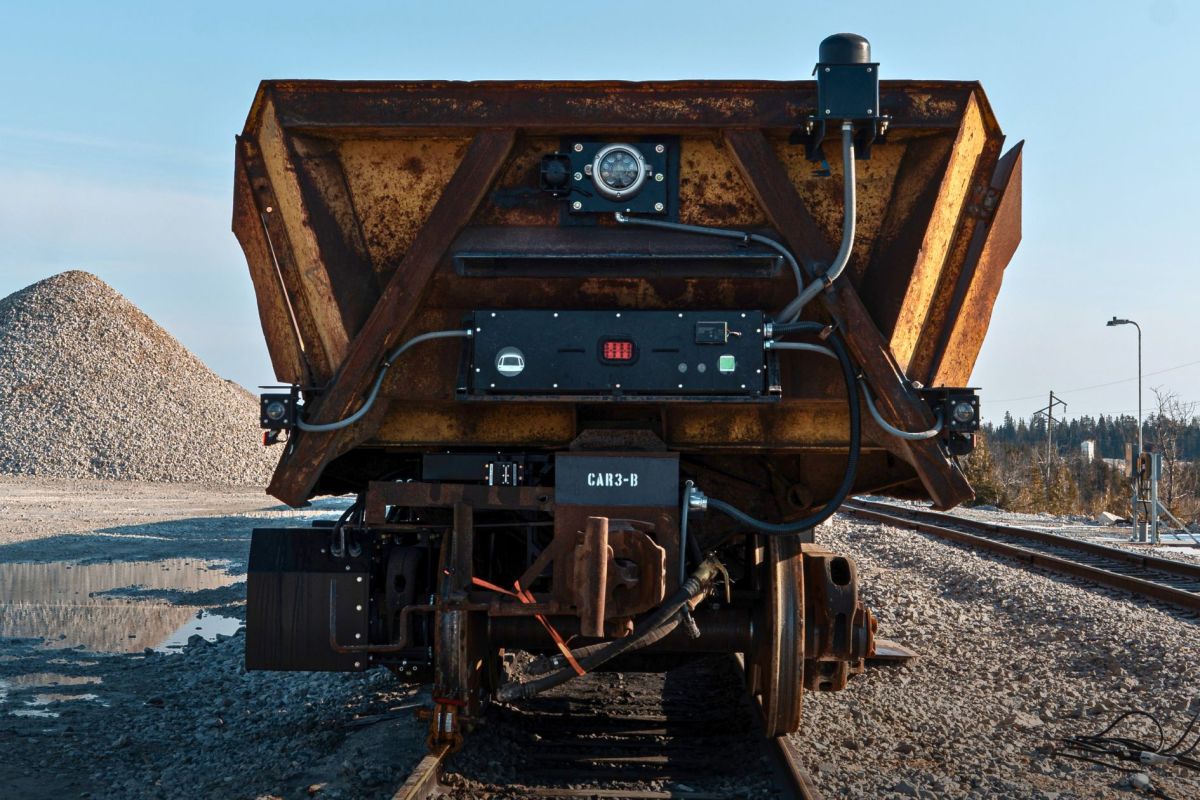
The deployment is Intramotev’s first regulated use case and its first international deployment.
The agreement was signed on 27 April 2026 and covers the development of specialised railway platforms for transporting heavy military equipment and related service facilities.
The new freight link connects central Poland with the Netherlands and supports the transport of P400 semi-trailers and containers.
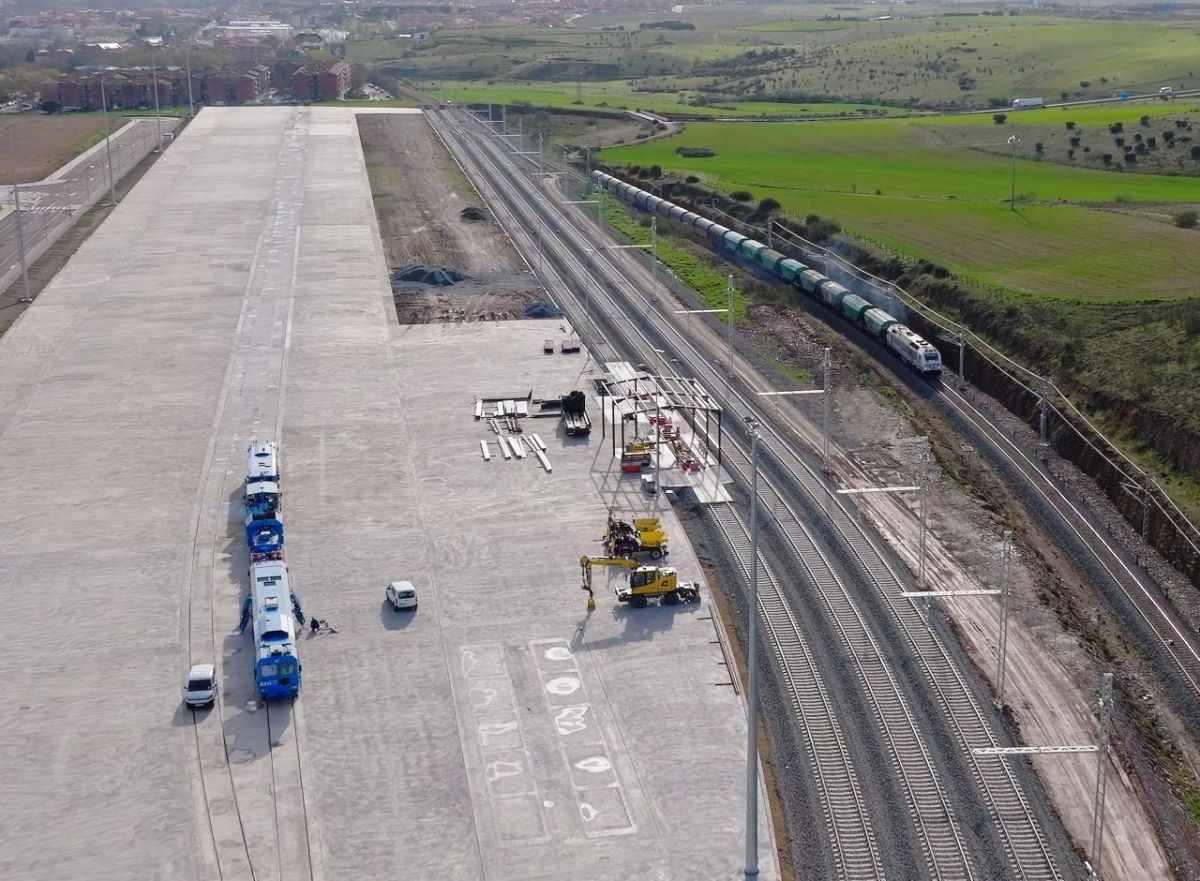
The private lessor has obtained safety and technical authorization to operate its rolling stock on the Spanish general interest network.
Slovak national freight carrier will manage siding operations and shunting for an electric vehicle production facility with an annual capacity of 250,000 units.
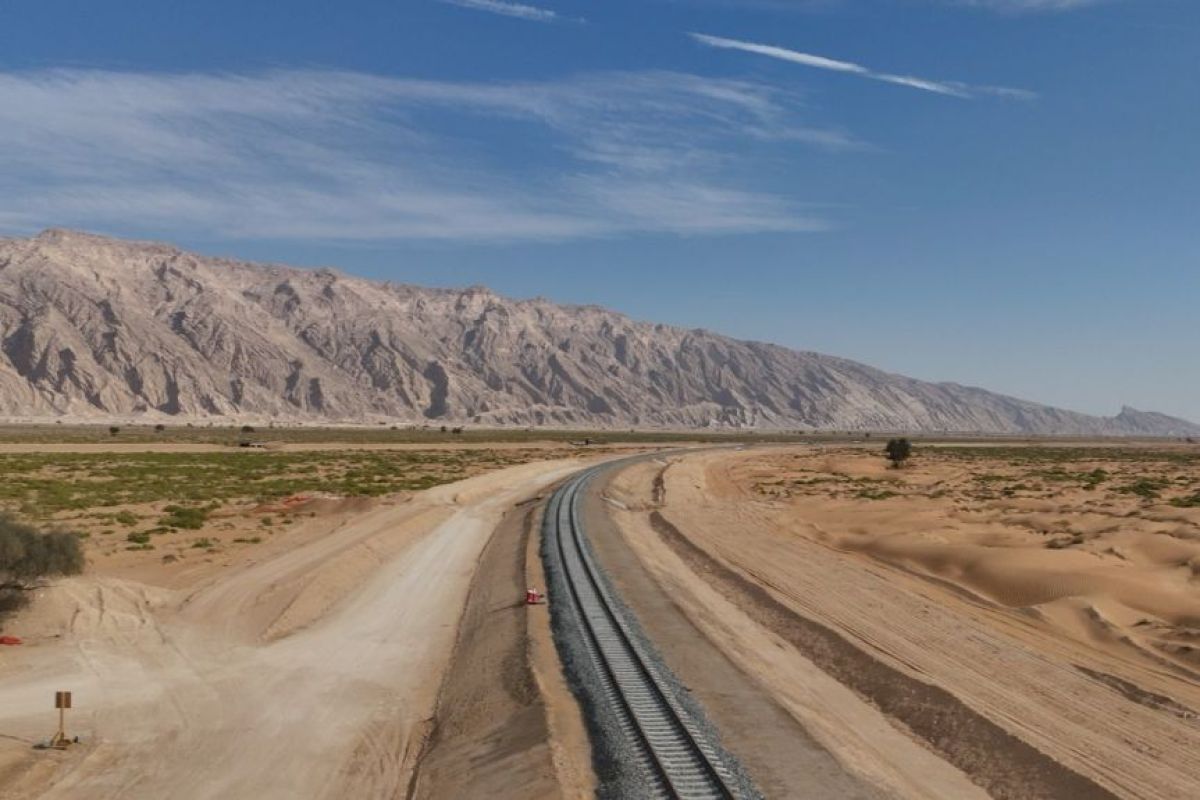
The 238 km cross-border railway has advanced through 27 million cubic metres of earthworks and the construction of 80 major structures.
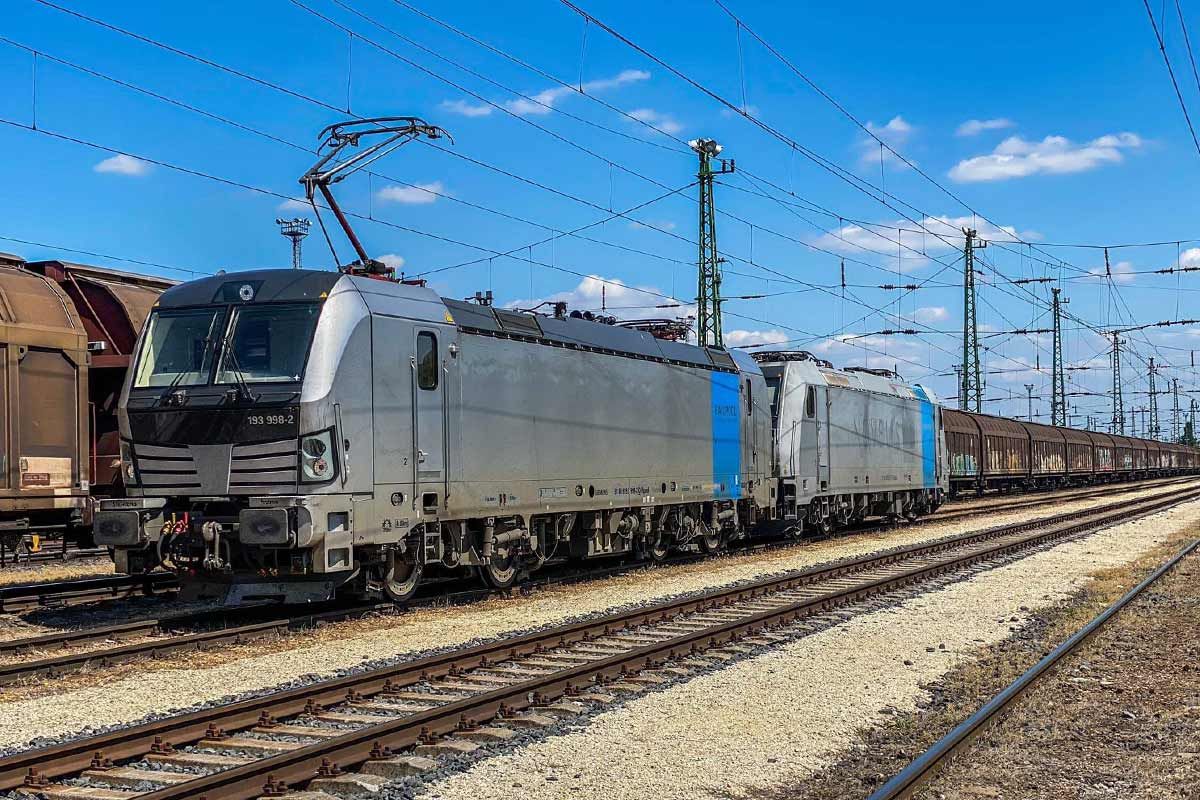
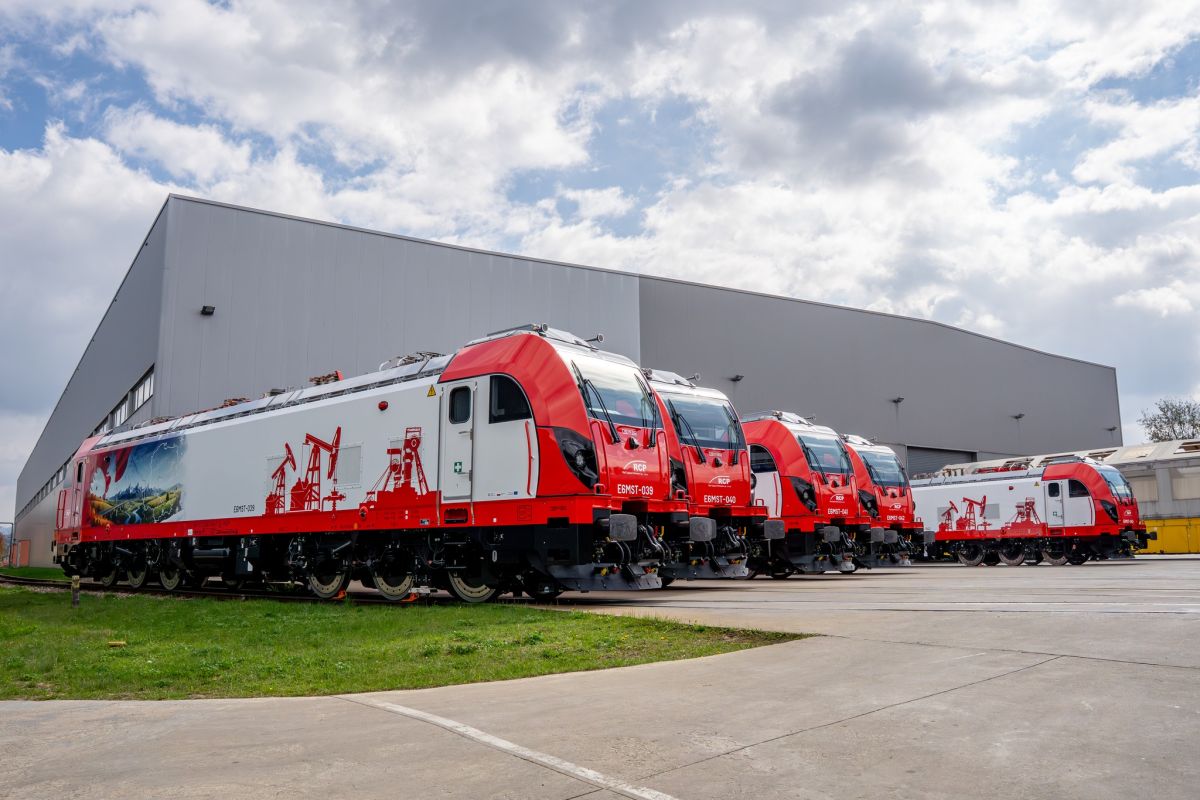
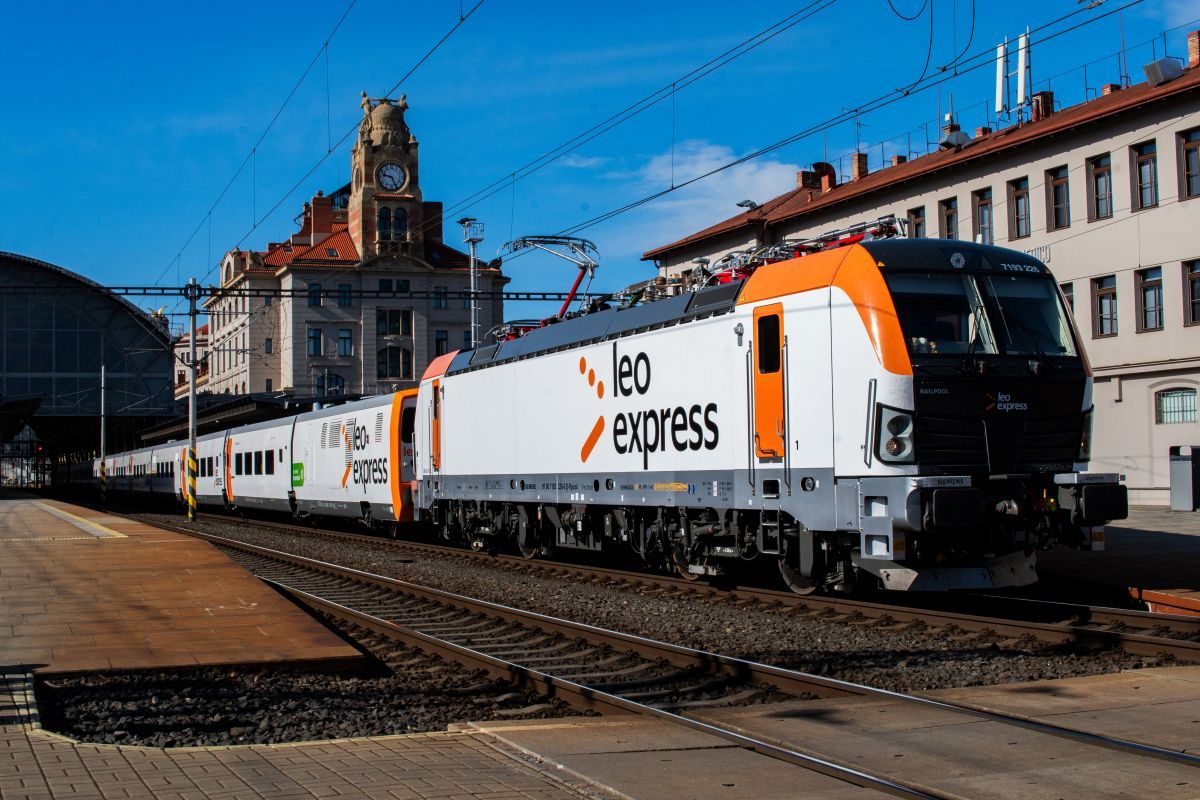
The initial batch of five multi-system units enables cross-border freight operations between Poland, Czechia, and Slovakia.
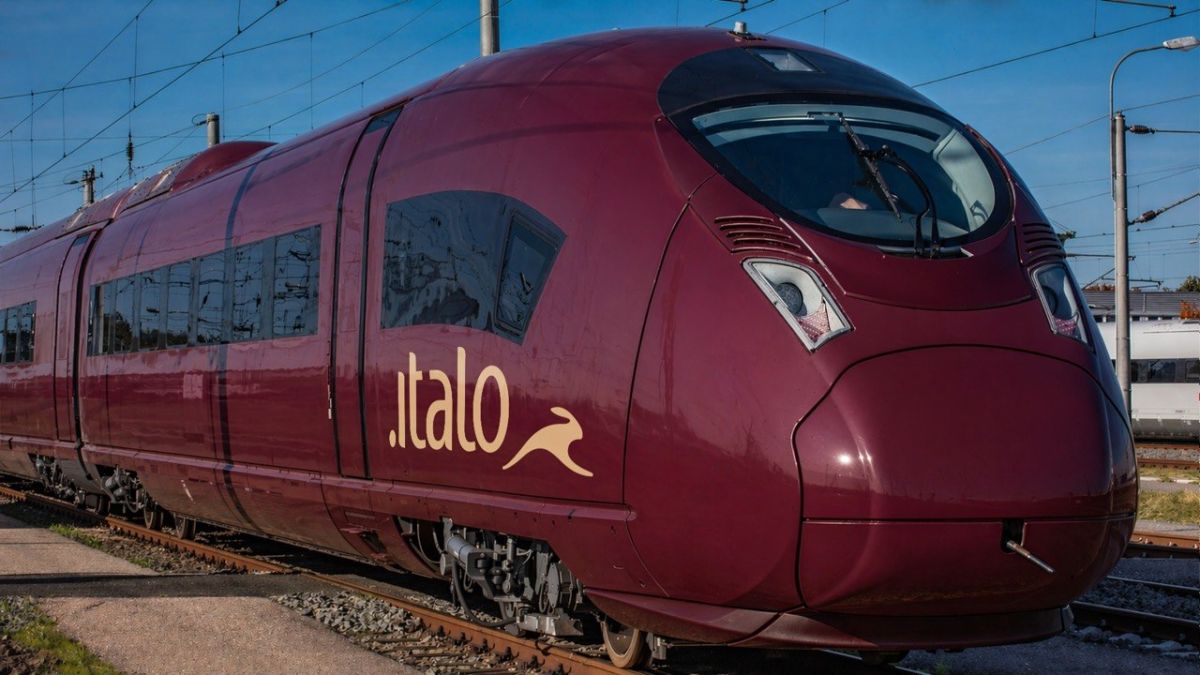
The Italian private operator plans to deploy a new fleet of up to 30 high-speed trains to challenge the long-distance dominance of the German state incumbent.
The intermodal service operates three weekly round trips with P400 profile capacity and a gross train weight of 1,700 tonnes.
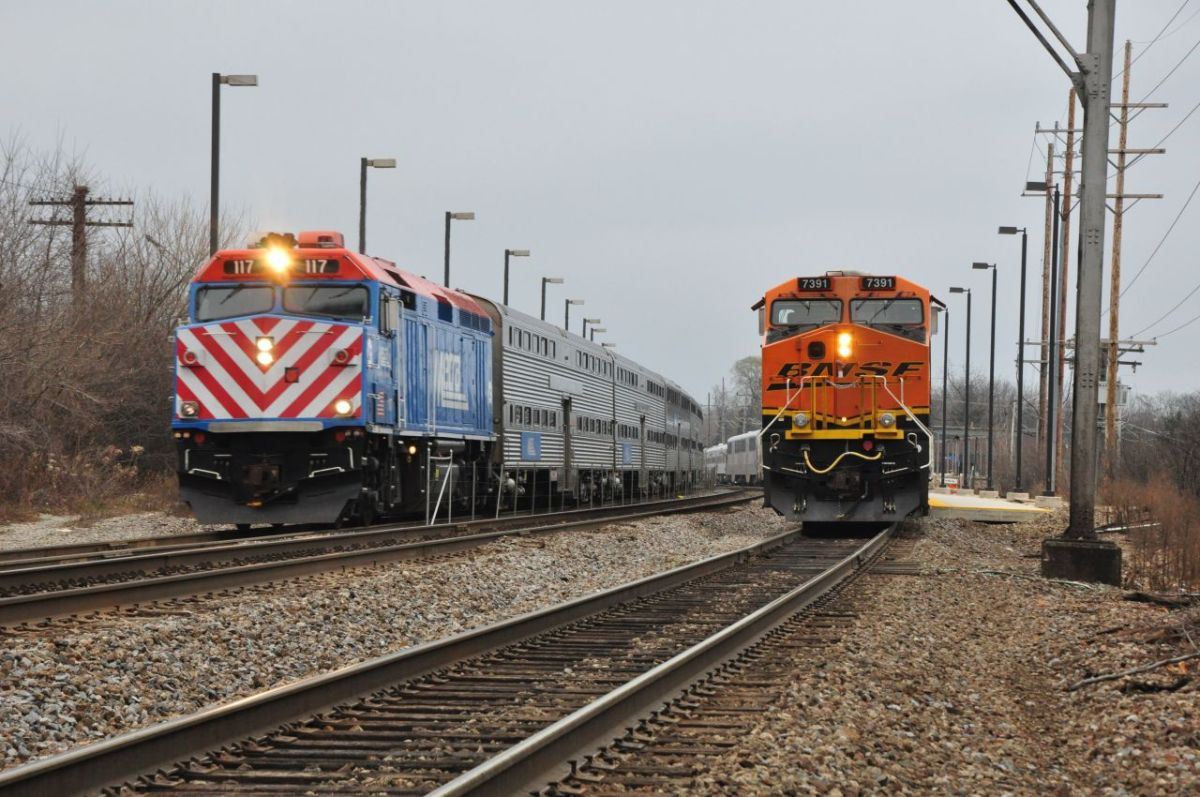
The renewed contract keeps BNSF crews and tracks behind the commuter service linking Chicago and Aurora until 2036.
The final units of a long-term traction renewal program have entered commercial service for operations in Finland.
The operator will launch locomotive-hauled Talgo sets featuring passive tilting technology and a 200 km/h design speed on cross-border corridors starting 30 April.
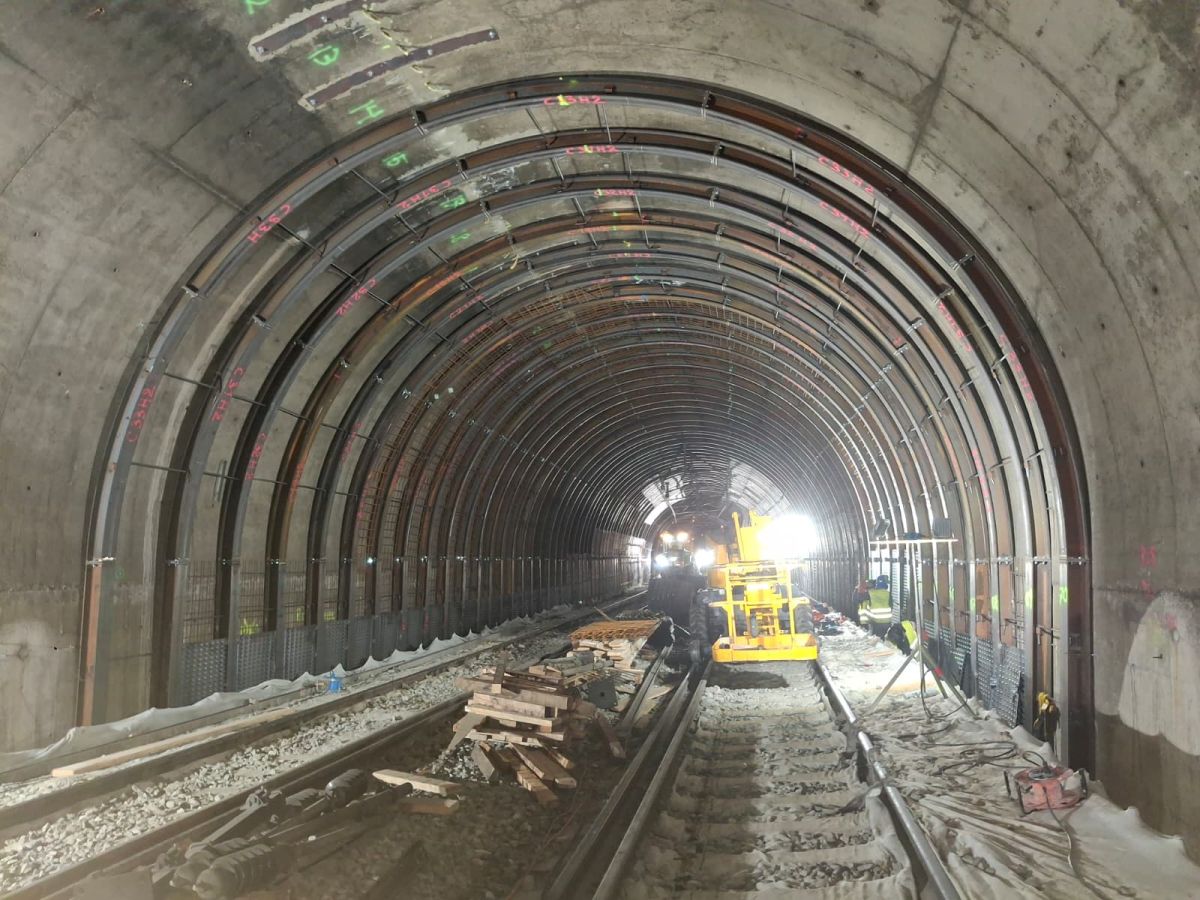
The critical link near Barcelona resumes limited operations following emergency structural reinforcement to stabilize the tunnel floor and vault.
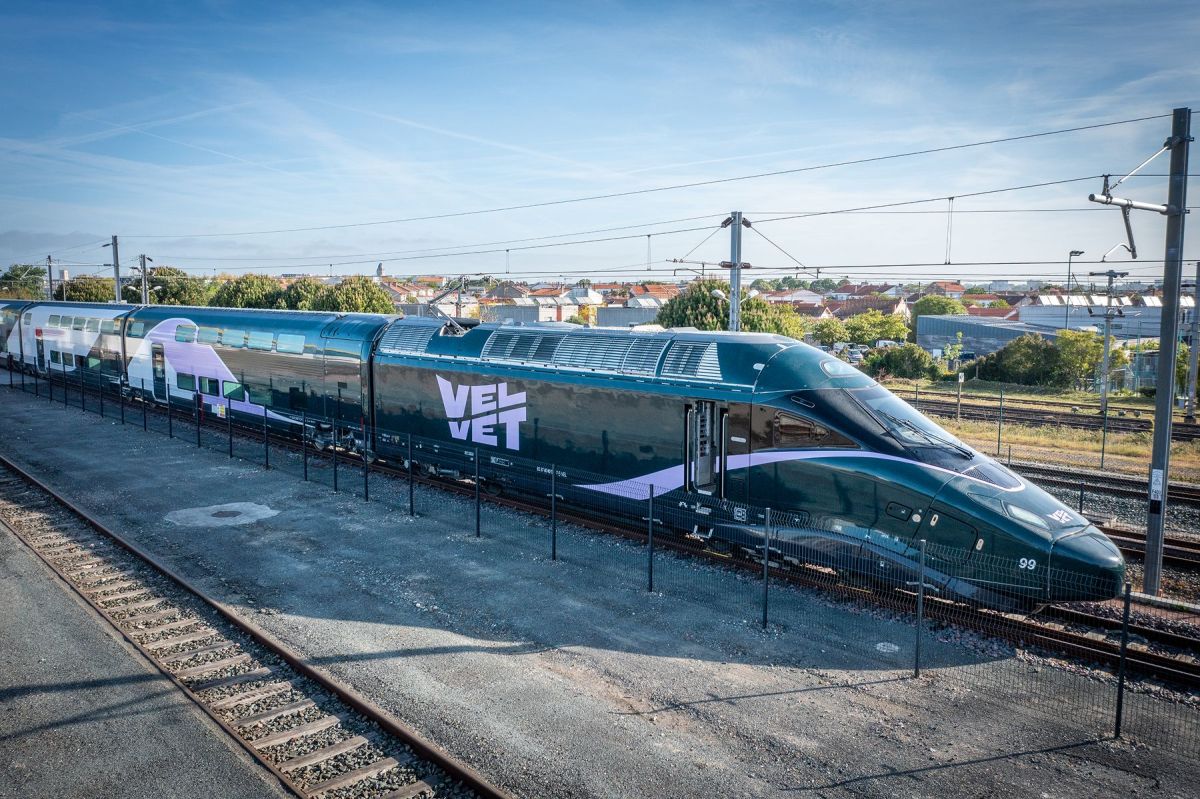
The independent operator has rolled out its first very high-speed trainset as part of a fleet order designed to challenge the state incumbent on the Atlantic corridor.
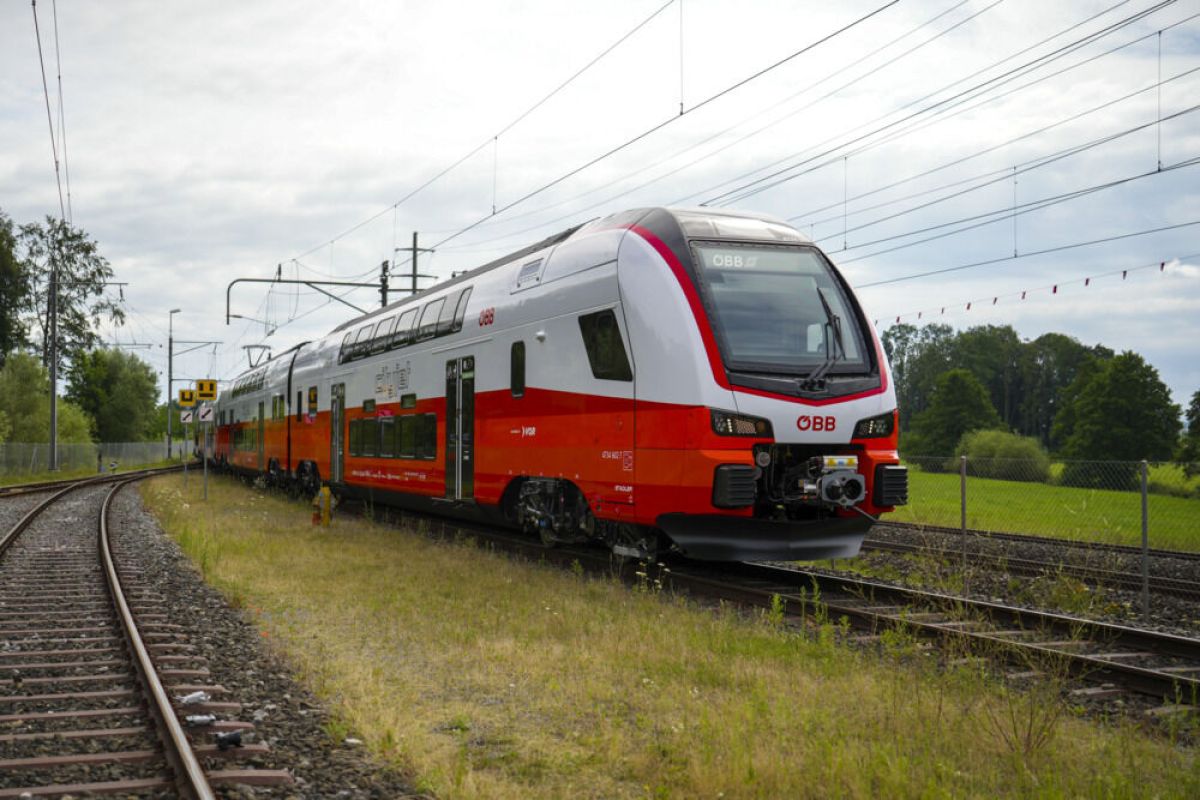
The double-deck electric multiple units received authorization for operations across three national networks ahead of their scheduled service entry.
The new entity will operate bulk commodity services using its own locomotives and wagons under long-term contracts, starting on Queensland’s narrow-gauge network.
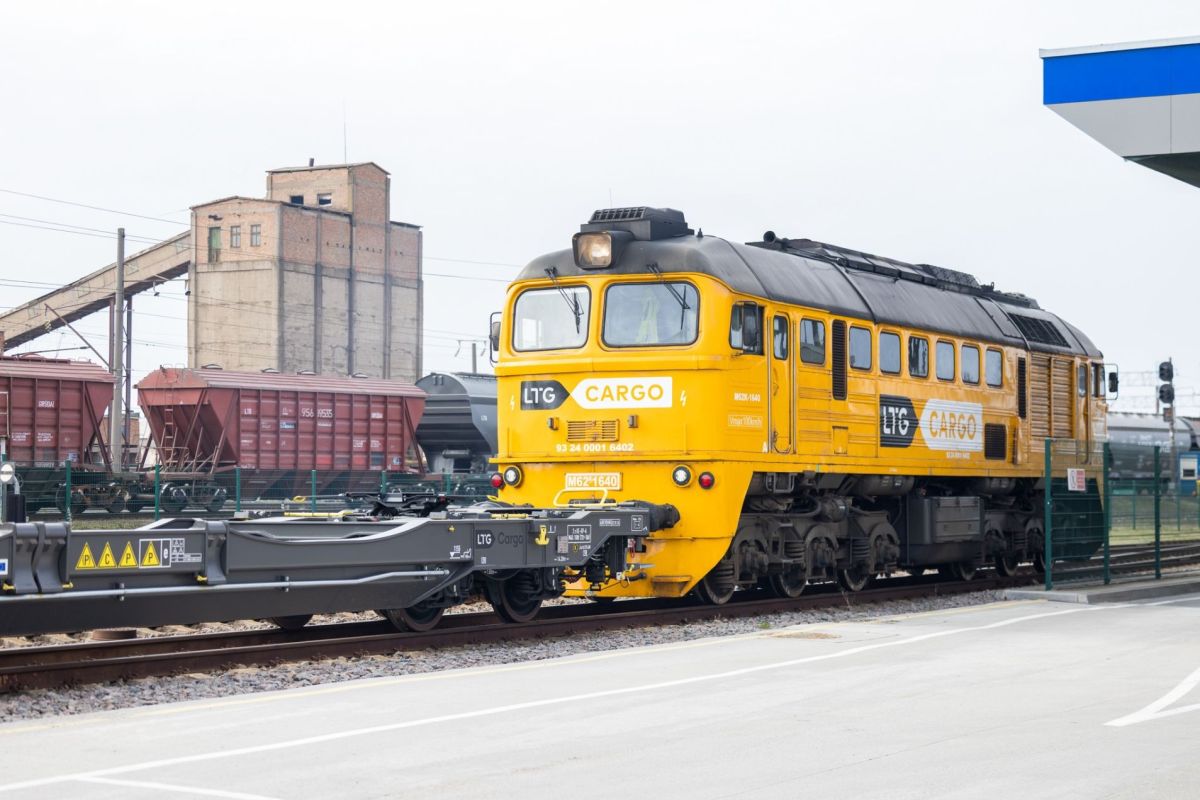
The wagons were purchased by its subsidiary LTG Cargo Polska and will operate on the 1,435 mm European-gauge corridor via Łódź.
The delivery is the first commercial relationship between the two companies.
The new offering comprises courses and workshops designed for companies, managers, and specialists seeking to keep pace with dynamically evolving legislative requirements, technical standards, and market trends.
The 10-year contract, valued at EUR 965m in constant euros, was awarded following a tender launched in 2023.
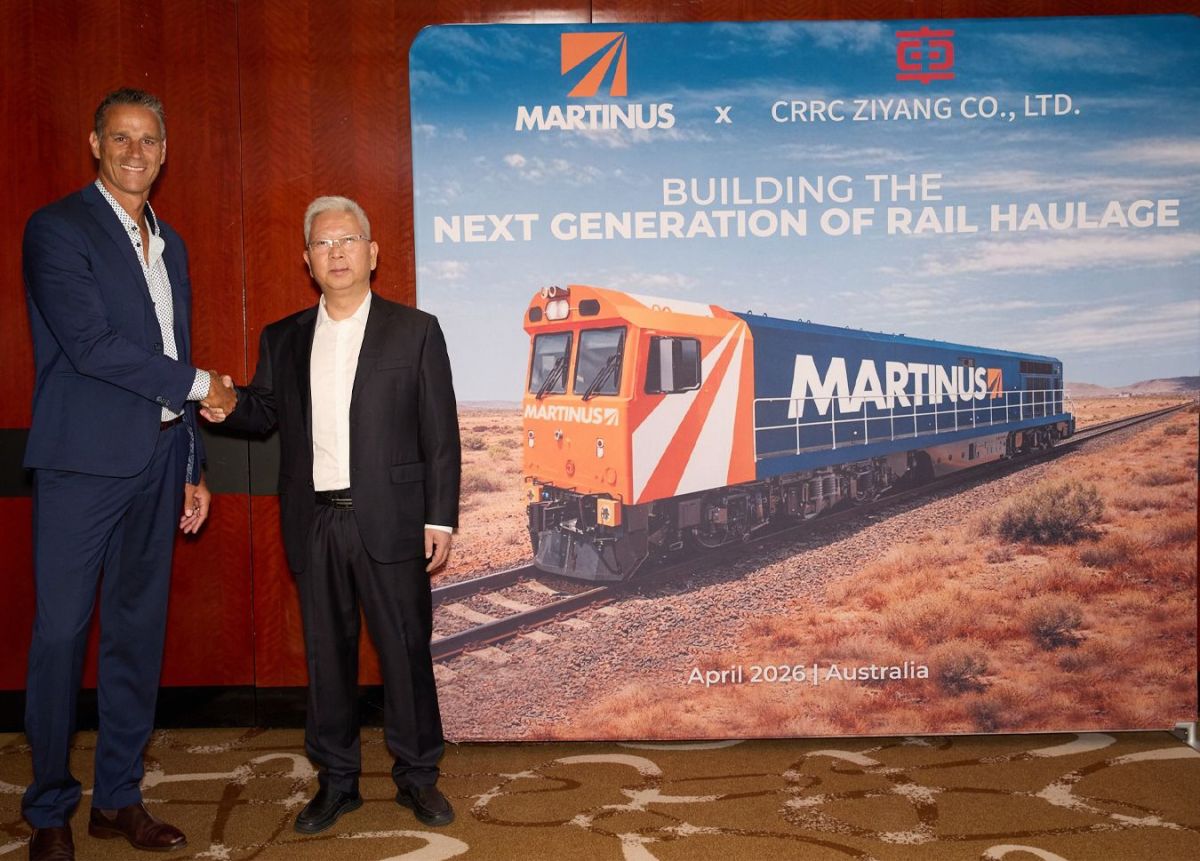
The new agreement expands the existing cooperation between the two companies.
The services ran via the Alsace plain to maintain container and semi-trailer traffic.
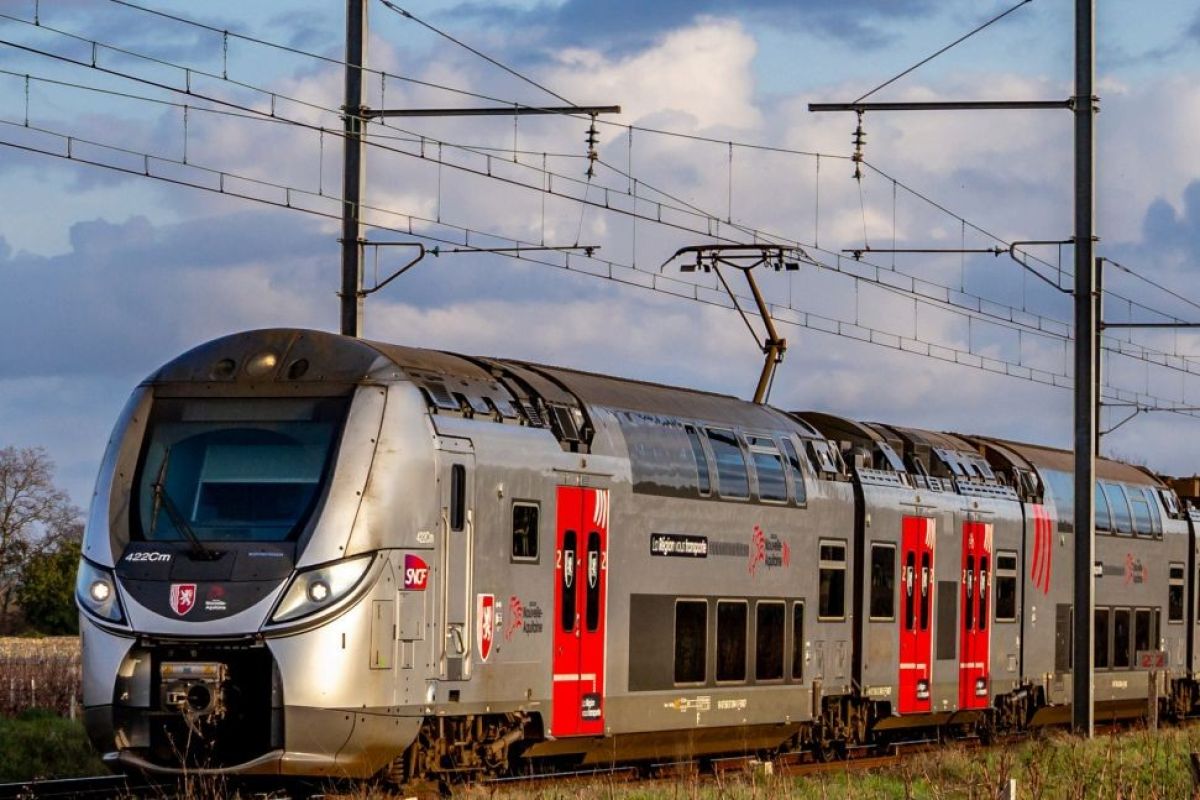
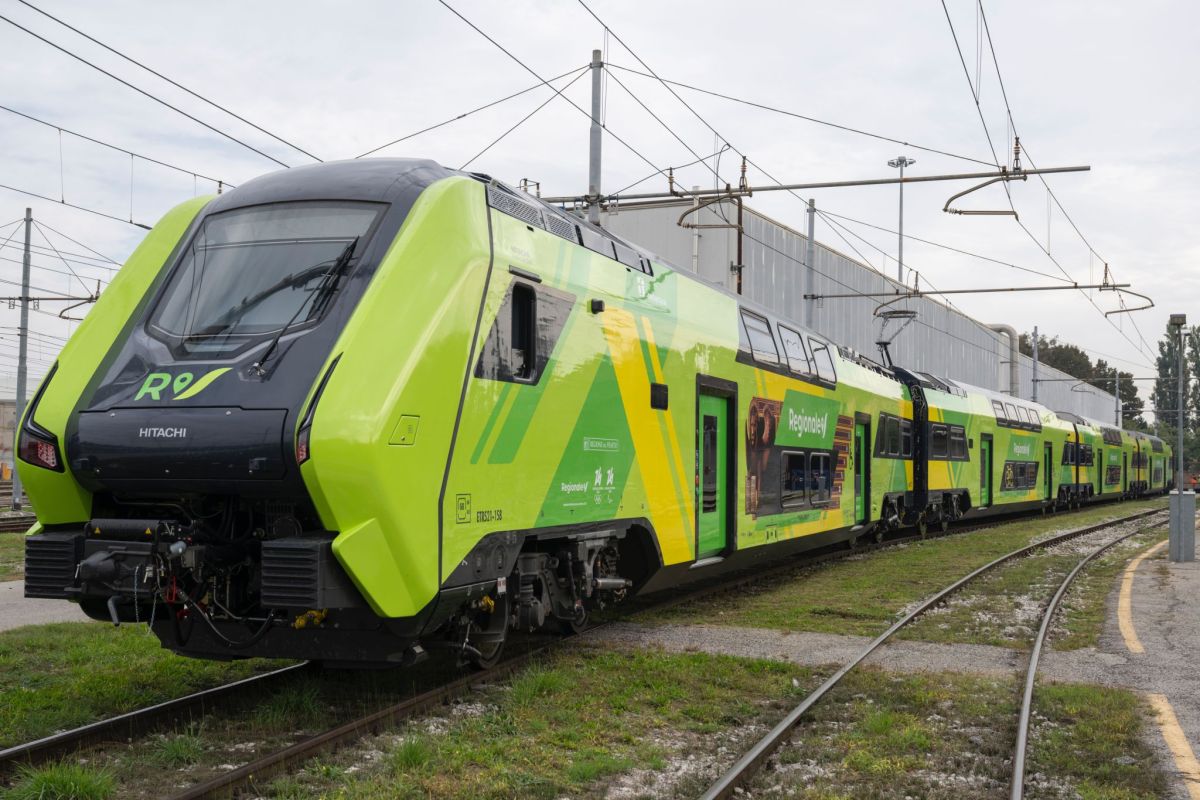
Trenitalia will complete delivery of 77 new regional trains by May 2026 under an EUR 569m programme financed through Italy’s PNRR funds.
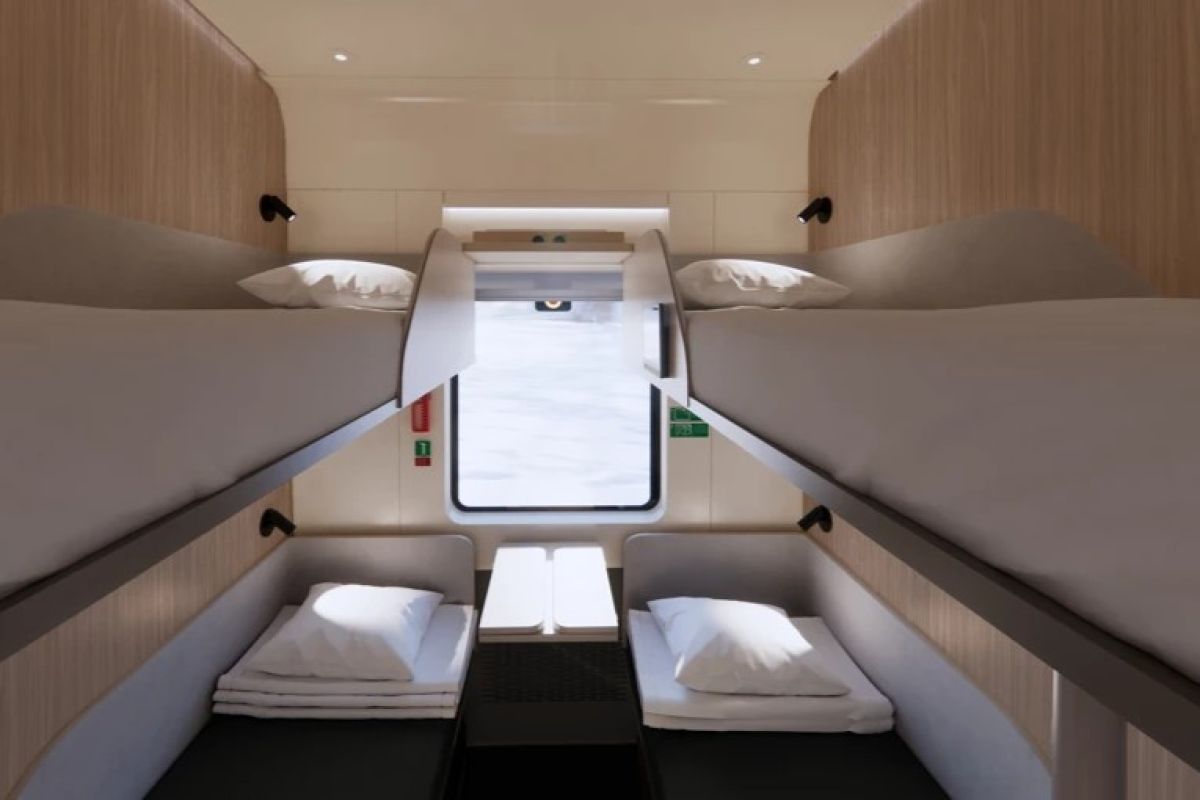
The order includes 20 trainsets and 10 locomotives to replace night train rolling stock nearly 40 years old.
The 79-train order includes 200-meter units capable of carrying 1,884 passengers to increase hub capacity by 20%.
The sector recorded its highest historical market presence despite a general decline in national freight volumes below 220 million tons.
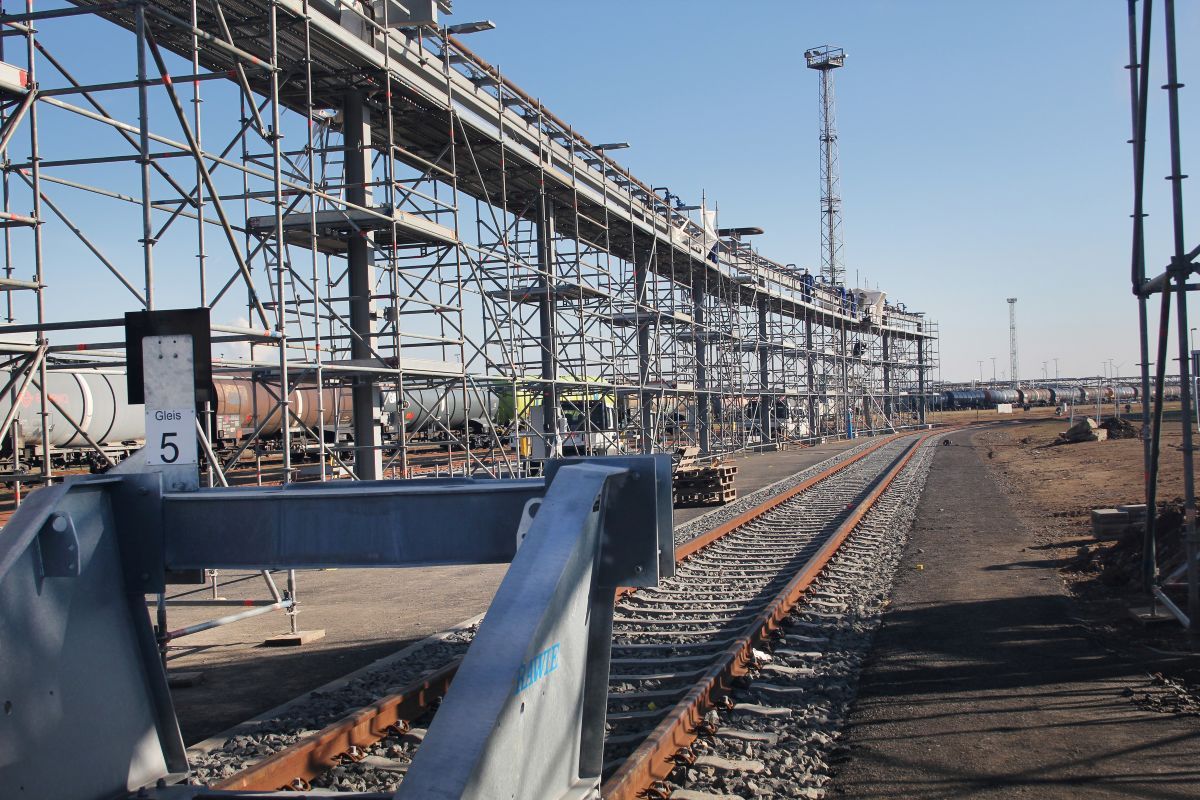
The facility is not restricted to on-site chemical producers; it is also open to external customers requiring reheating of rail-delivered products prior to onward distribution.
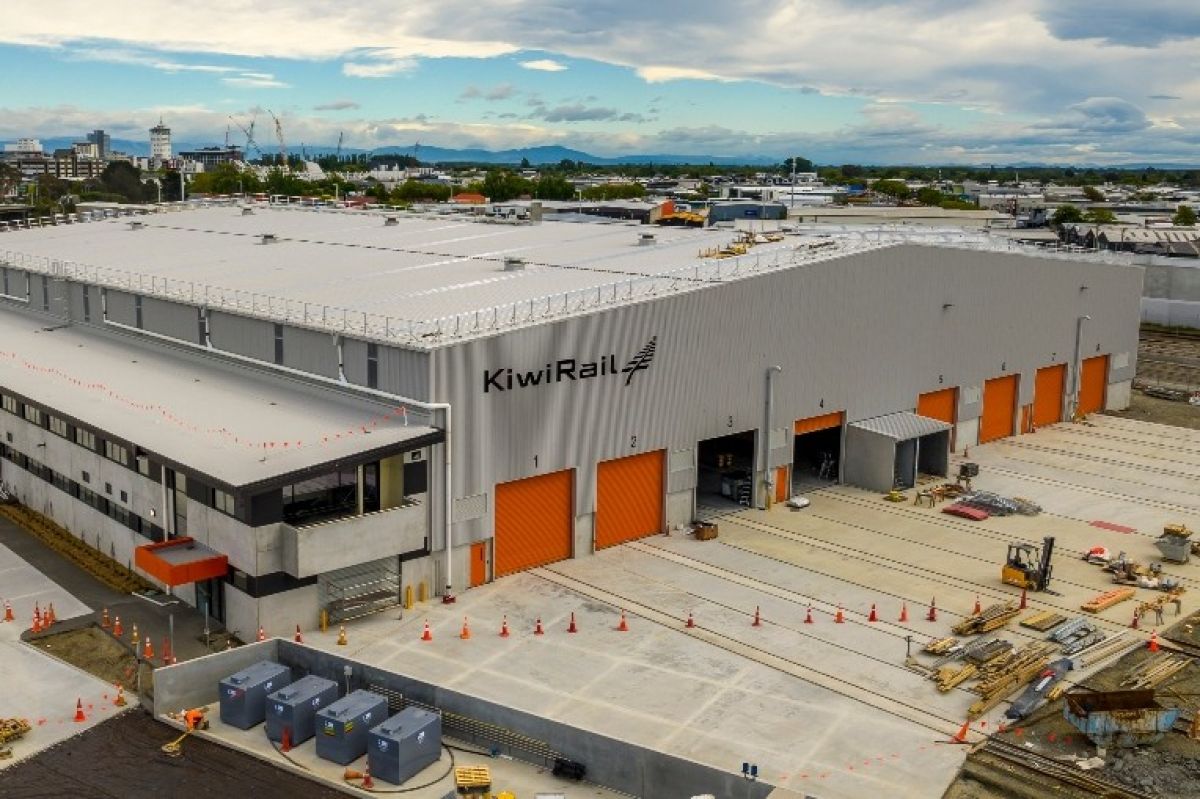
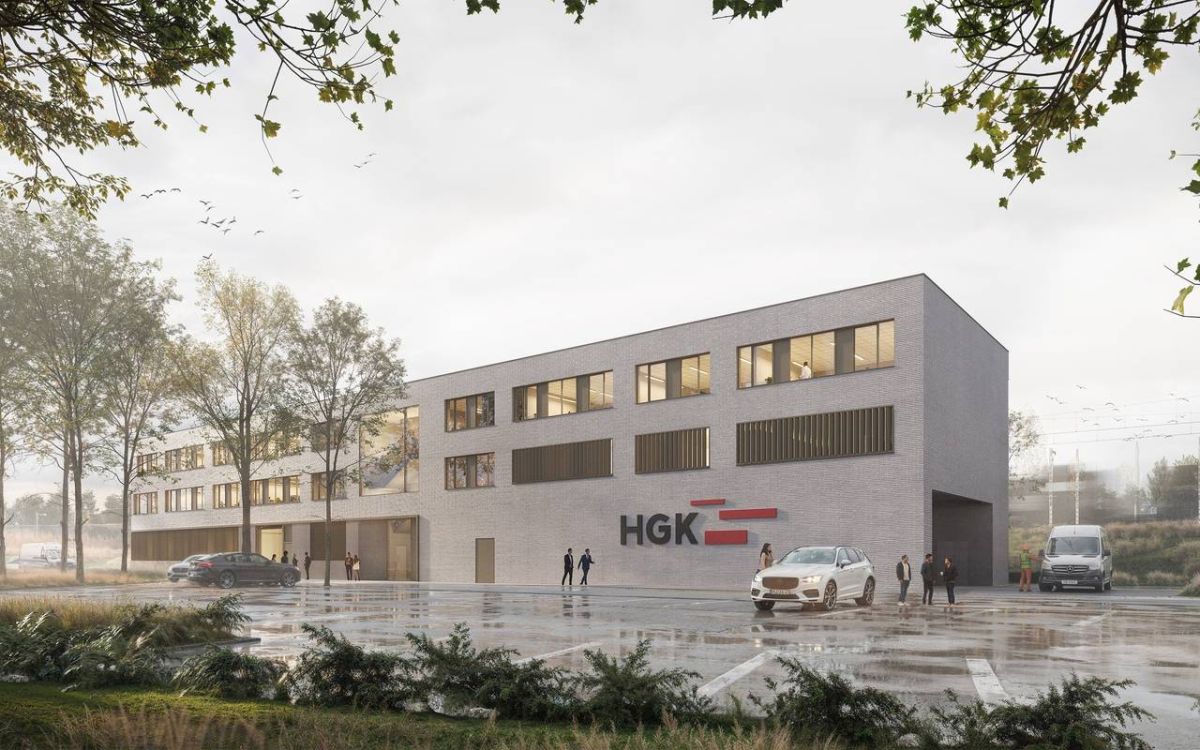
The depot will combine office space, workshops and staff facilities in a single complex, bringing together operational planning and field activities.