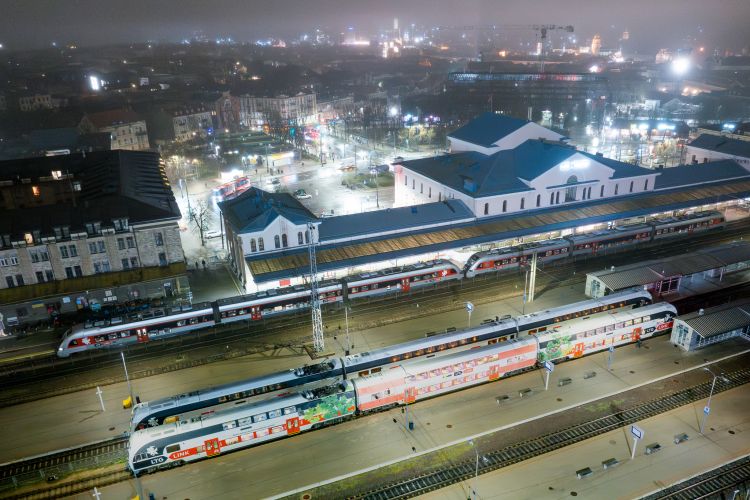

Seven Polish stations now with better infrastructure for cargo transloading
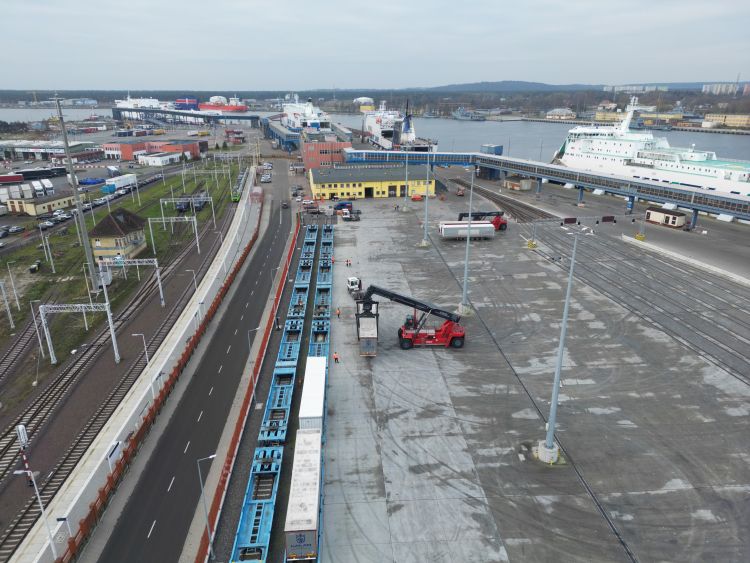
The upgrades, financed through state budget contributions and the EU's Connecting Europe Facility (CEF), amounted to over EUR 9 million.
In the first half of 2024, freight rail transport across Europe recorded a decrease in transport performance, reflecting a challenging period for the sector.
The transition follows years of preparation, including extensive testing, staff training, and collaboration with transport operators.
The integration of Hungary's MÁV Group is set to conclude by 2025, consolidating its operations into a more centralized structure intended to simplify management processes.
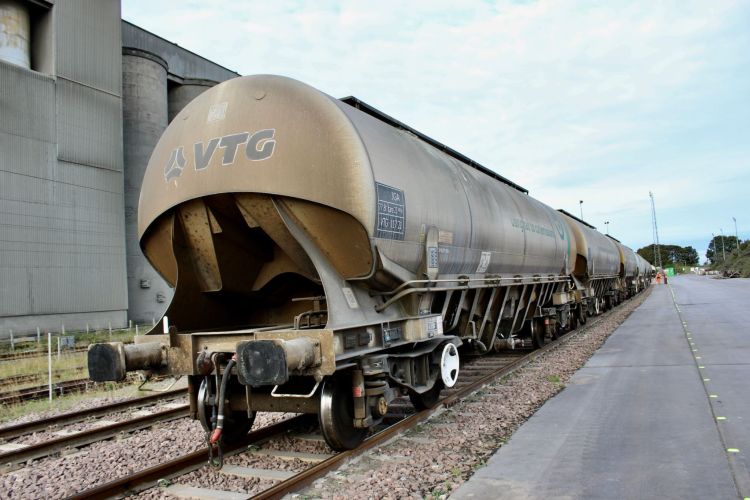
The five-year agreement includes retrofitting the wagons with VTG's iWagon technology, a system designed to integrate smart monitoring capabilities into rail freight operations.
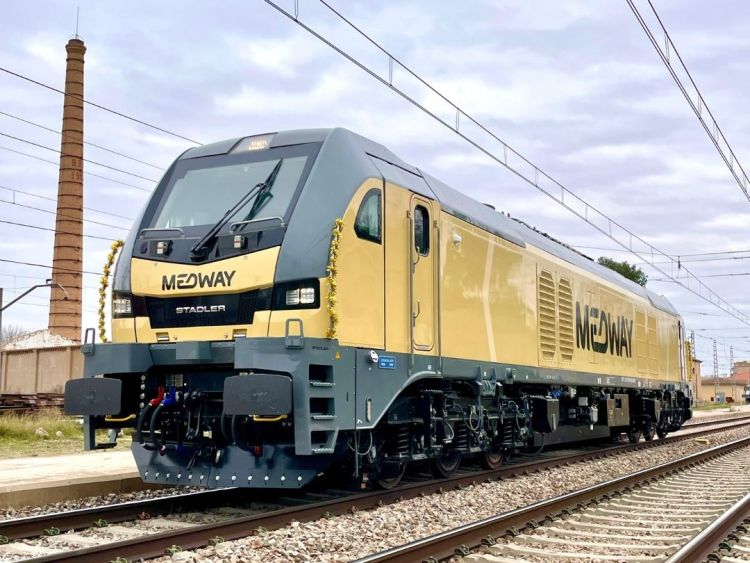
In December 2024, three new six-axle diesel locomotives appeared on Spanish rails – owned by a single leasing company, operated by two freight rail carriers.
GYSEV, the current sole owner, will retain a 30% stake following the transaction.
Výzkumný Ústav Železniční, a.s. (VUZ), the railway research institute from Czech Republic, expands its certification services.
The service is designed to address the requirements of shippers, offering rail-based transport solutions between the two Frencg regions while maintaining accessibility to the broader European market.
The wagons are intended to support railway infrastructure projects, offering operational features tailored for precise material dosing and increased safety during construction activities.
This purchase confirms the remaining option in framework agreement signed on June 13, 2023, covering the procurement of 20 locomotives.
The partnership introduces a shared operational framework, dividing responsibilities and financial risks equally between the two parties.
It is part of a collaborative effort between the two rail operators, aiming to adjust service management in the region.
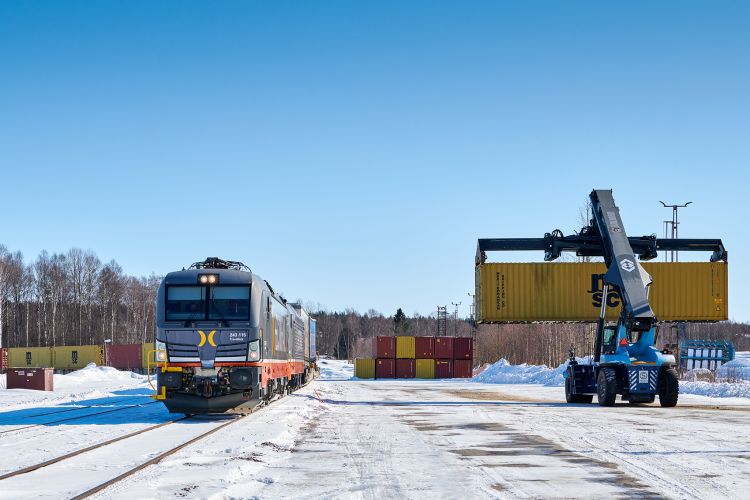
Initially established to meet the transportation needs of its owner, forest product company Stenvalls Trä, the terminal has since attracted cargo from additional industries in the region.
Further deliveries are expected to proceed according to the planned schedule.
The adjustments include new routes, increased frequencies, and terminal infrastructure changes aimed at refining operational efficiency across key corridors.
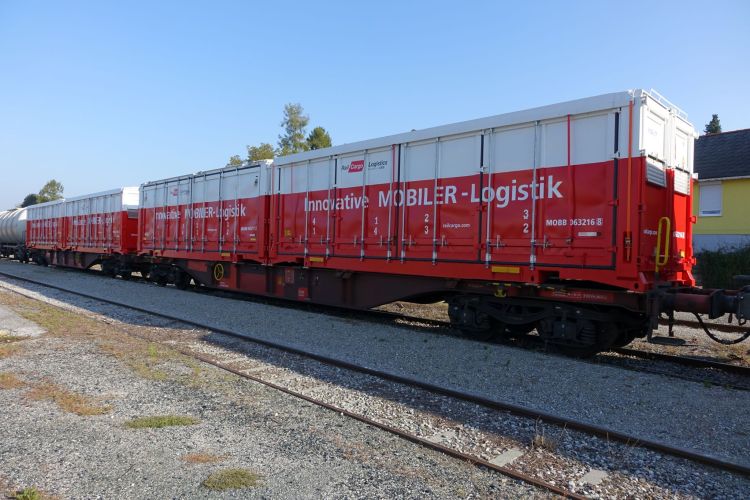
RCG is planning to introduce additional variants, including a MOBILER silo and the Hammrocktainer, for which testing is scheduled in 2025.
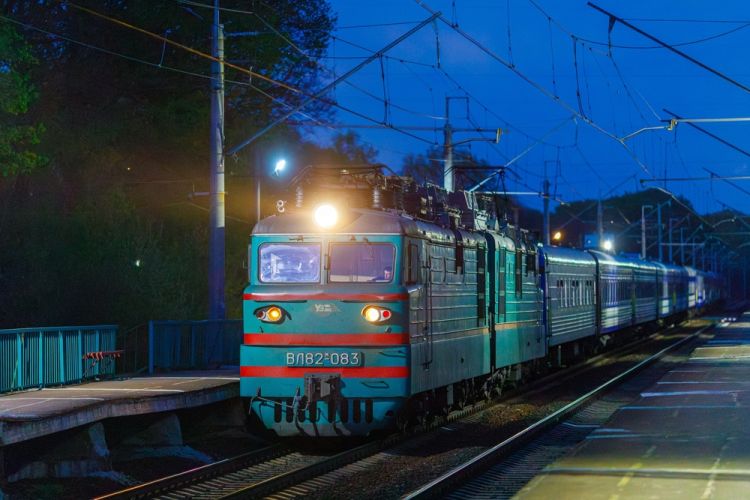
The current steps are aimed at maintaining transport capacity for both freight and passengers, as well as supporting broader infrastructure needs throughout Ukraine.
The project covers both design and approval work, followed by initial serial production of ten units, with an option available for an additional 110.
The final unit has left the Alstom Transport Technology Centre in Widnes and re-entered service.
Alongside its role in serving industry requirements, this rail operation is expected to lower pressure on roads and contribute to long-term environmental objectives by reducing the reliance on road-based haulage.
Under the agreement, both parties will engage in planning, construction, training, and related operational tasks.
The decision builds on the current mix of 90 percent hydropower and 10 percent nuclear energy, supported by a small share of solar power.
This broader distribution will include a wider geographical reach across the network, allowing for a quicker response to unforeseen situations.
ELP successfully deploys another state-of-the art locomotive on German market.
The order forms part of a wider procurement for a total of 75 units.
More than 400 units, including open box wagons and container platform wagons, are scheduled to be handed over by the end of the first half of 2025.
After final testing, the upgraded train will be handed over, allowing its operator to decide the start of revenue service.
Under the terms of the agreement, Progress Rail is expected to acquire ECM4 certification, taking on maintenance tasks both in the field and at designated depots.
The funds are allocated to support ongoing work on the airport and high-speed railway infrastructure projects.
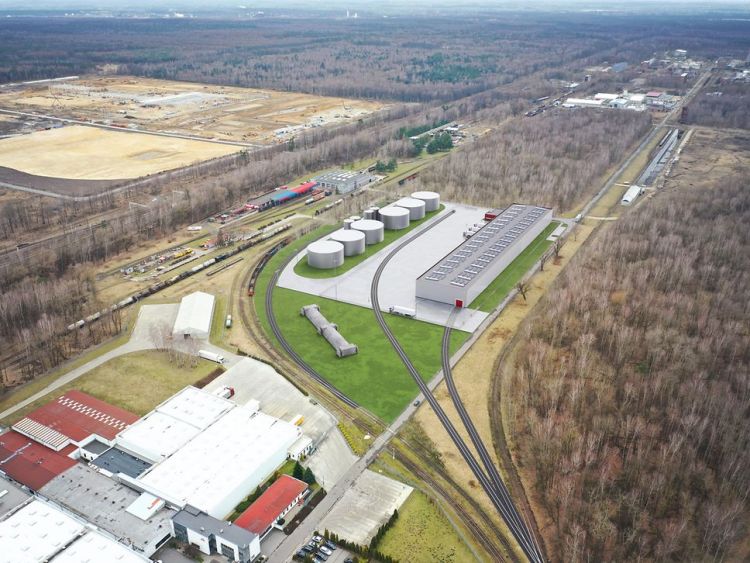
A new rail-based transshipment terminal focusing on steel products is under construction in Kędzierzyn-Koźle (Sławięcice).
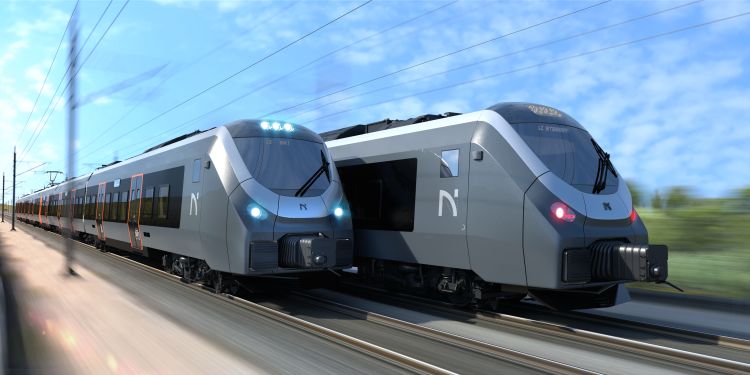
Alstom Coradia Nordic units will only enter Norwegian rails in summer 2026.
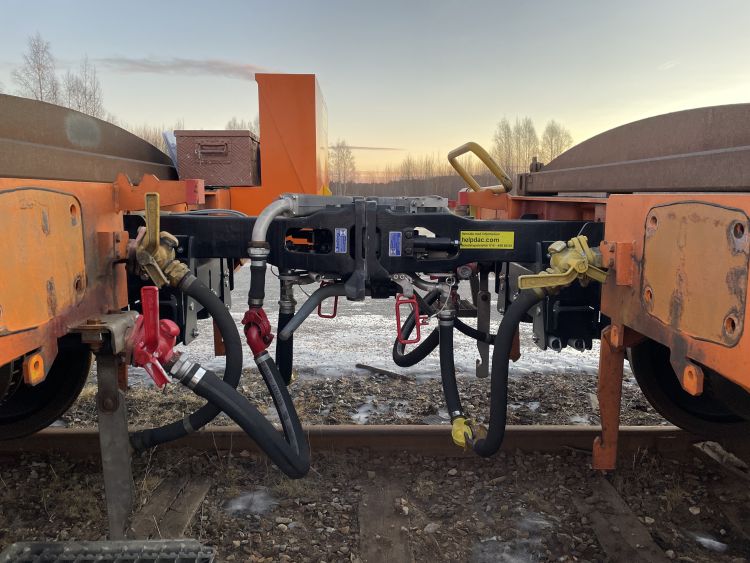
Testing of digital automatic couplers (DAC) has commenced on Sweden’s heaviest freight train, the steel shuttle operating between Luleå and Borlänge.
A freight train accident at a level crossing near Belsdorf in the Börde district continues to disrupt rail traffic on the Magdeburg–Braunschweig corridor.
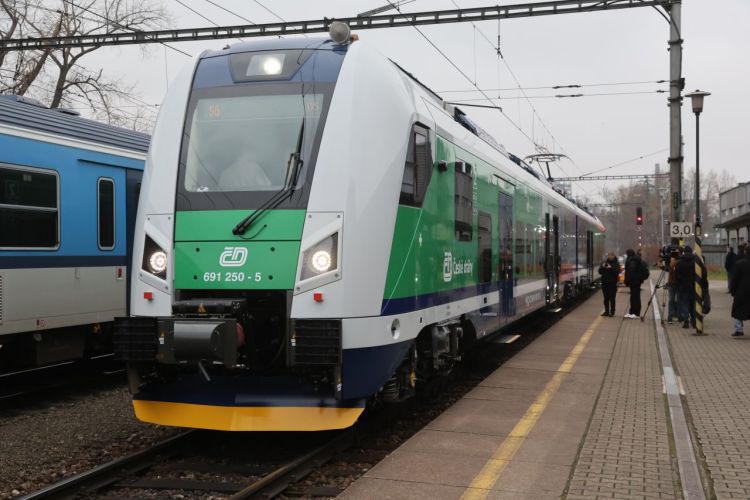
The first battery-powered trains in the Czech Republic have begun operating in Moravskoslezský region.
The adjustment aims to make rail freight transport more cost-effective and encourage its use on this cross-border corridor.
The service will link Gdańsk and Prague with four daily train pairs starting in mid-December 2024.
This order, valued at EUR 106 million, aims to replace older vehicles and adjust fleet capabilities for current operational needs.
With these projects, the company has now implemented its technology in over 15 countries over the past 20 years.
The service currently operates with four trains per week, equivalent to two round trips, with plans for increased frequency in 2025.
German Train Drivers’ Union claims the company is “driven unchecked into the wall”.
Freightliner has initiated its first intermodal train service linking Włosienica in Silesia with the port of Świnoujście, connecting southern Poland to Sweden via ferry.
The investment aligns with the Council of State’s objectives to promote rail as a sustainable alternative to road freight, particularly for the transport of bulk materials such as gravel.
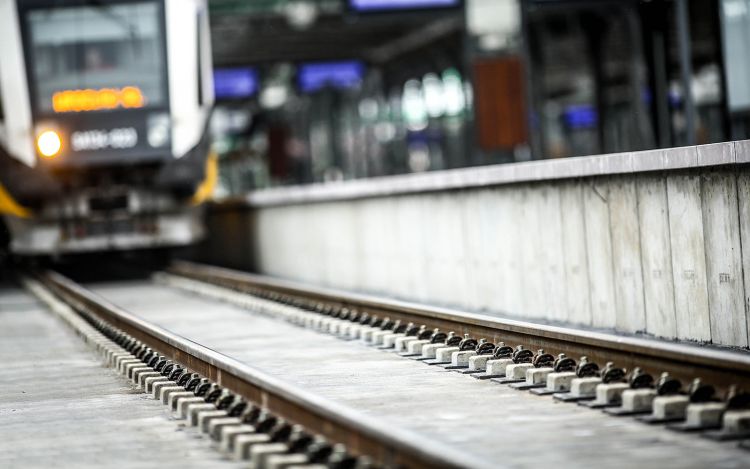
Rail freight terminals across the network are witnessing increased volumes during the holiday season, driven by demand for sustainable transport options over greater distances.
The plan outlines potential changes that could secure over 1,000 jobs by integrating PKP CARGOTABOR into the PKP LHS structure.
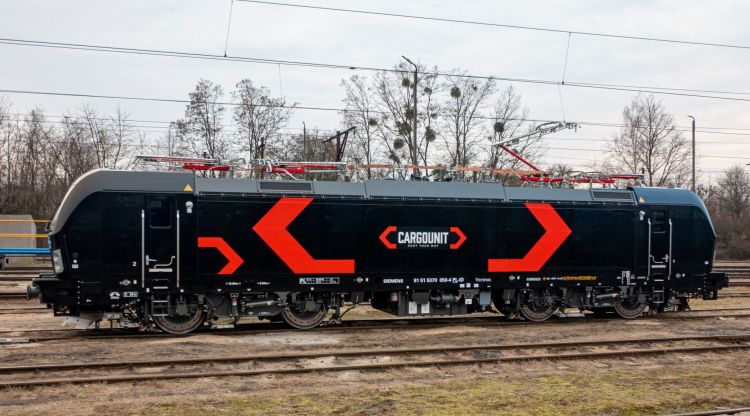
-says Łukasz Boroń, CEO of CARGOUNIT in an interview, where he evaluates last five years of this rolling stock leasing company on Polish market, reveals the secrets of its success and foreshadows further growth of the company into the future.
Passengers traveling between Tallinn, Riga, and Vilnius will have a new rail option starting January 6, 2025, with two transfers.
As part of the deal, the wagons will be retrofitted with VTG’s iWagon technology, a system aimed at improving tracking capabilities and operational efficiency.
The Bush Bay rail line at Cedarville Operations in Michigan has introduced a battery-electric railcar into revenue service, a shift in the operational approach for freight movement.
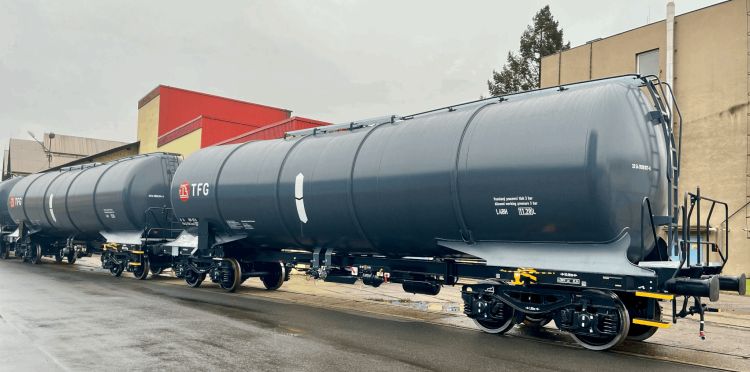
The fleet includes over 220 wagon types, accommodating industries such as petrochemicals, agriculture, construction, and automotive transport.