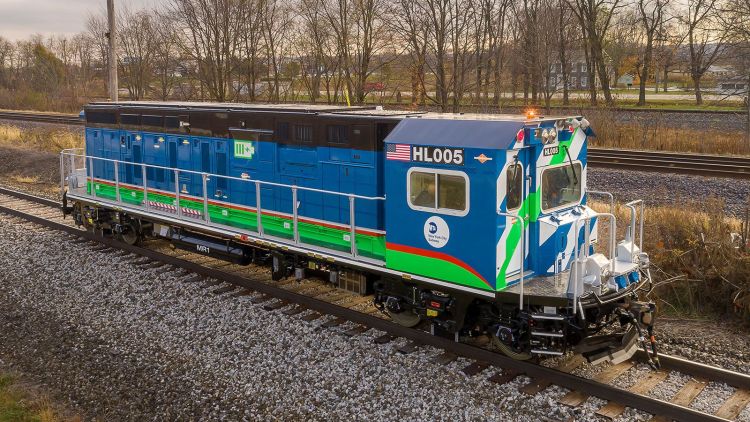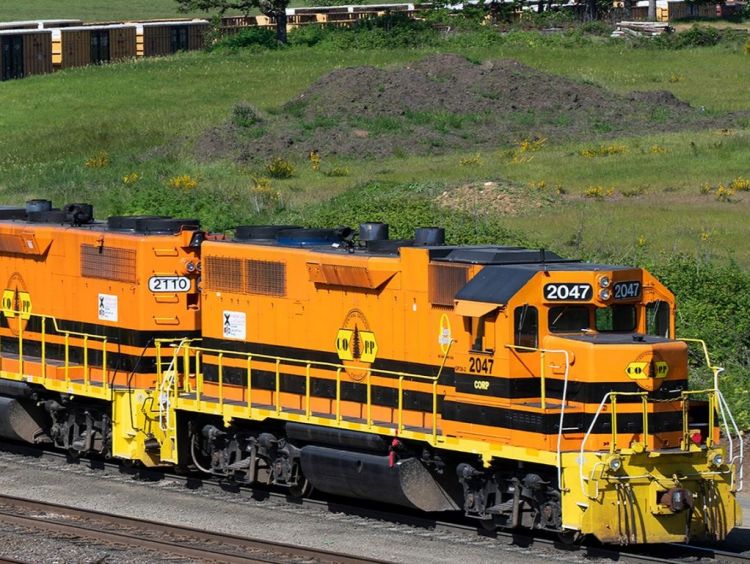

Wabtec’s hybrid battery-diesel locomotives approved for maintenance operations on New York City subway
The locomotives are intended to support maintenance activities while reducing diesel emissions, particularly in confined tunnel spaces.
The connection will operate three times a week in each direction.
This purchase brings the total number of electric locomotives in LocoItalia's fleet to eight.
HHLA Project Logistics has coordinated its first rail wagon transshipment operation at the Port of Hamburg, overseeing the transfer of six railcars and their bogies from maritime transport to rail.
The reliance on diesel traction has increased as electric locomotives face operational challenges caused by damage to the power grid.
PKP Polskie Linie Kolejowe has announced a tender for the modernization of the Białystok–Ełk railway section, part of the Rail Baltica corridor.
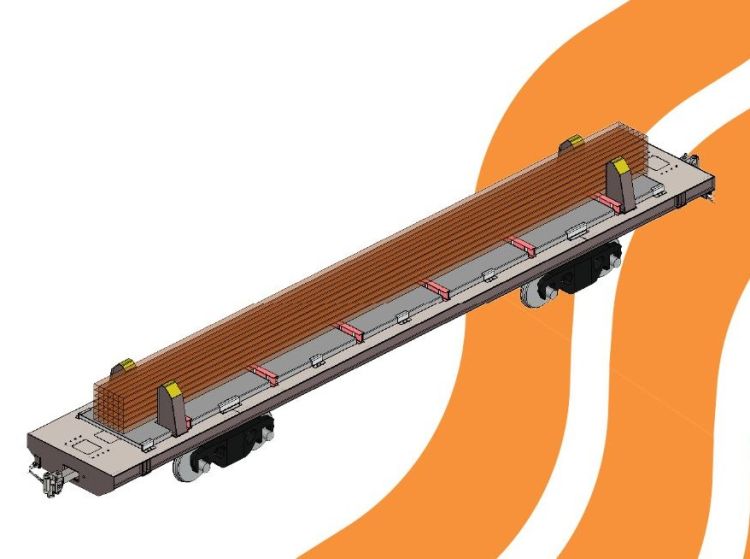
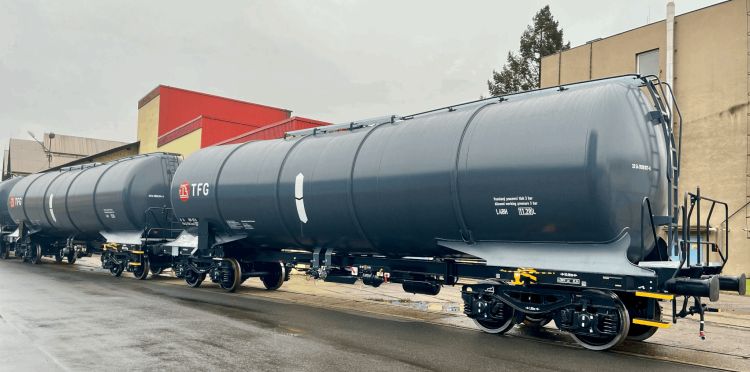
Wagons are aimed for hot steel billets transport at the Cardiff facility.
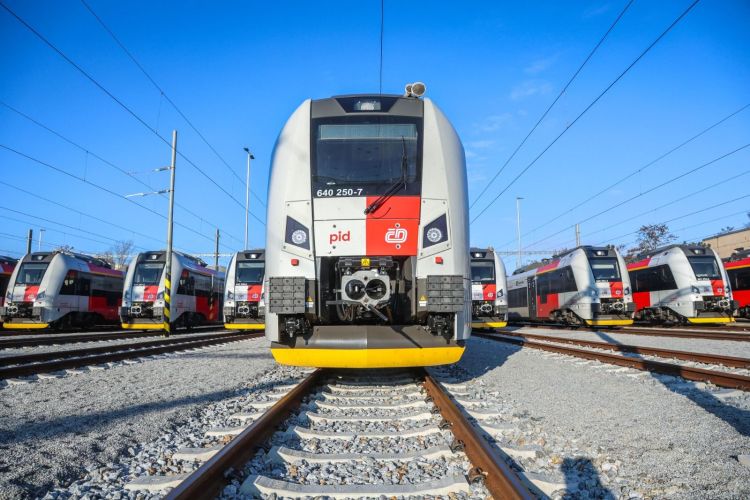
České dráhy anticipates that additional battery-equipped variants are planned for the coming years, opening further options for regional services.
A public tender was recently issued for the leasing of two to six locomotives to temporarily replace older trains on this route. This follows increased operational demands after a derailment on the line in October.
The project progresses with two newly signed contracts with GRK Eesti, aimed at developing the contact network and supporting infrastructure.
Two more hybrid DE75 Gmeinder locomotives with a new owner.
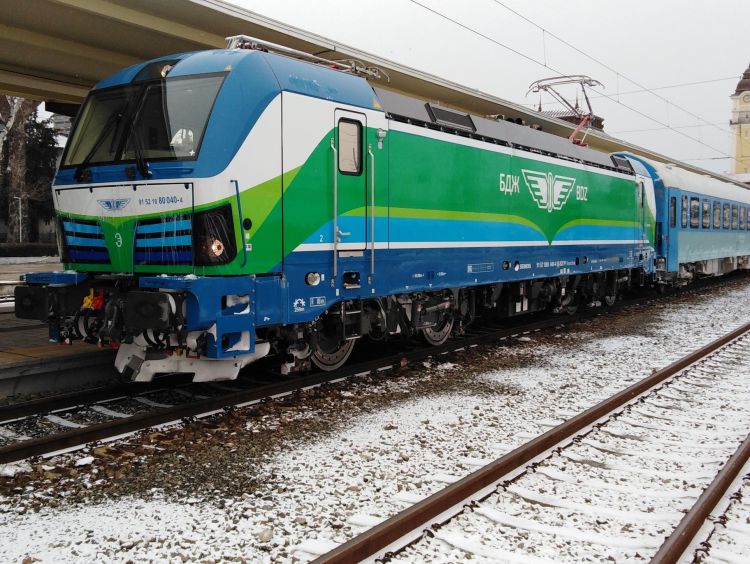
The locomotive entered service at the end of 2024, completing its inaugural run on an express train between Sofia and Burgas.
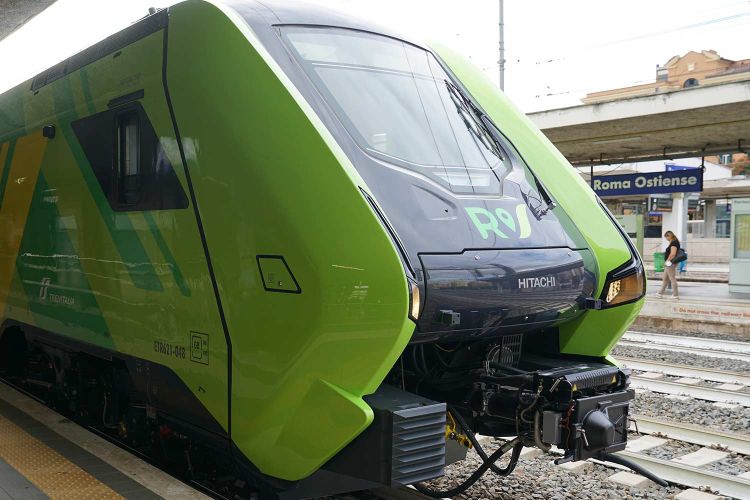
The initiative aligns with the broader 2025–2029 strategic plan of the FS Italiane Group for modernization of regional train services across Italy.
Israel Railways has completed the decommissioning process of its IC3 diesel multiple units after more than 30 years of service.
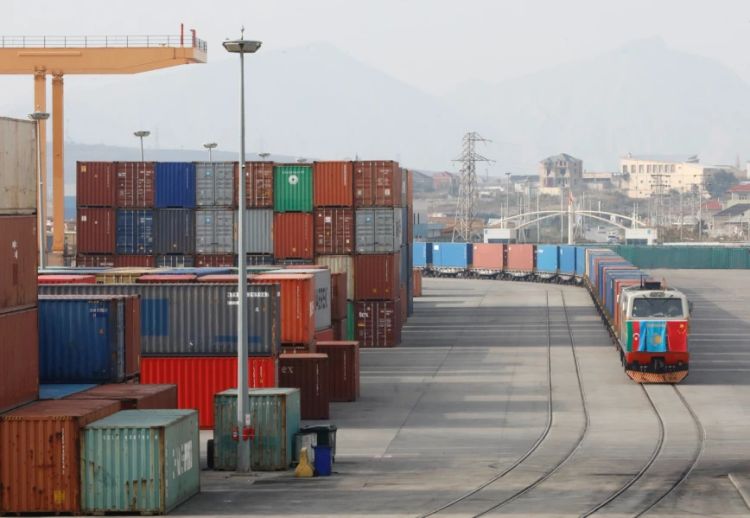
Amendments to Azerbaijan's Tax Code, adopted on December 16, 2024, introduce temporary road tax exemptions for foreign vehicles involved in cargo transfers linked to rail transport.
Eurofima indicates that this arrangement aligns with its focus on public rail operations in Europe and transportation with reduced environmental impact.
The railway aims to establish a connection between Kashgar in China, passing through Torugart, Makmal, and Jalalabad in Kyrgyzstan, before reaching Andijan in Uzbekistan.
Austrian State Railways have published the infrastructure works plan for this year.
The project is part of the broader master plan to increase capacity on the Kenitra–Marrakech corridor, in preparation for Morocco’s future high-speed rail (HSR) network.
The company specializes in freight car manufacturing for multiple rail applications and supplies vehicles such as gondolas, hoppers, dump cars, covered cars, and other platforms.
Growth in demand and various efficiency measures contributed to this outcome in both commercial and public service activities.
The final objective is to create conditions that allow dispatchers to handle train movements from within a centralized facility.
The CR450 electric multiple unit (EMU) prototype was officially presented in Beijing as part of the CR450 Science and Technology Innovation Project.
According to available information, the goal is to double the transport capacity of the iron ore railway by 2030.
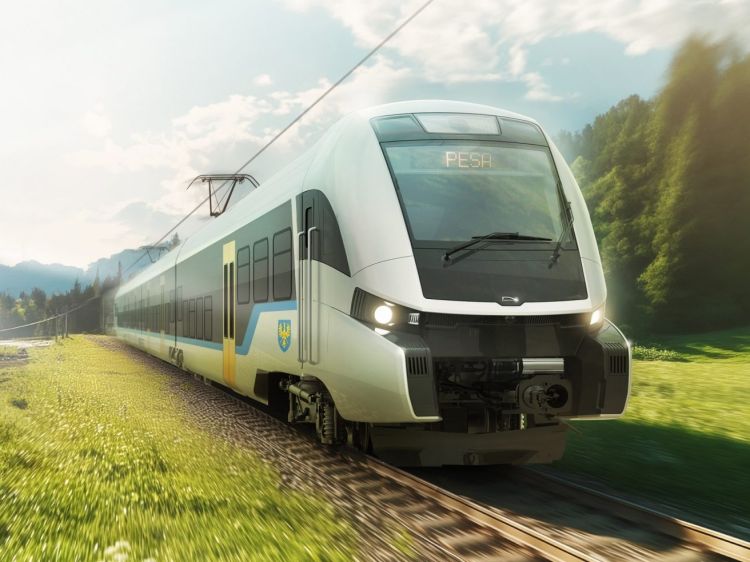
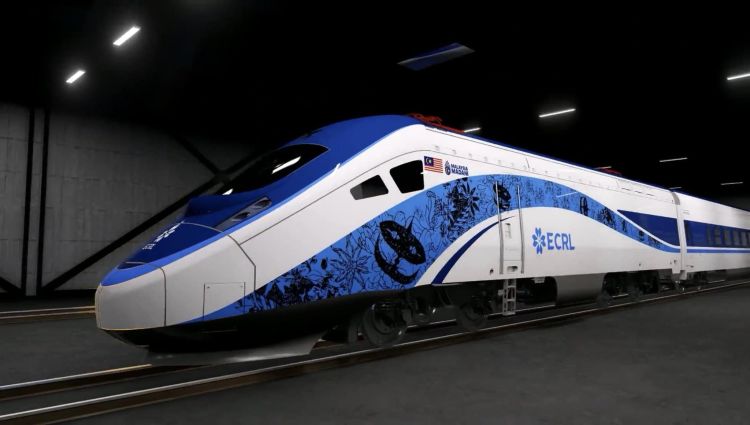
The agreement includes the production and delivery of five EMUs, with an option for 15 additional units, aiming to modernize the region's passenger rail services.
A recent amendment to the Railway Act in Slovakia lowered the minimum age requirement for locomotive drivers to 19, starting from 1 January 2025.
On December 10, 2024, a pilot freight train completed a test run along the railway line connecting Cherbourg-en-Cotentin station to the newly established rail terminal at the port of Cherbourg.
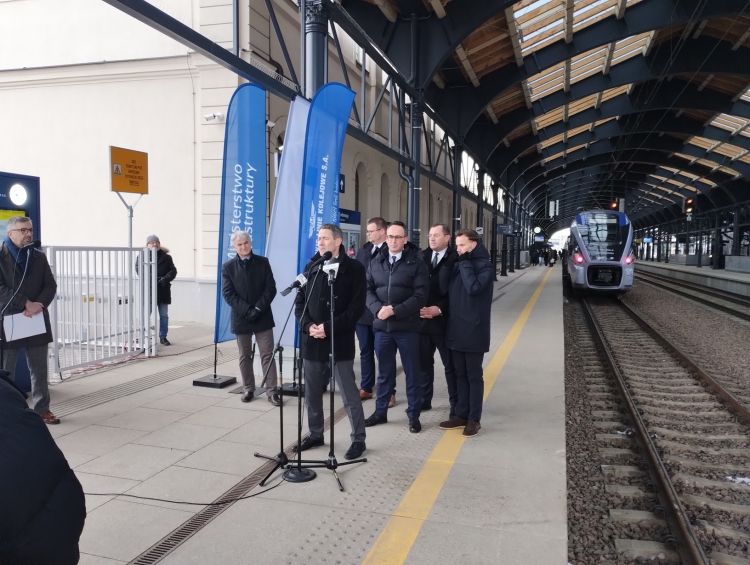
On the last day of 2024, the Council of Ministers has approved the updated Multiannual Programme for the Central Communication Port (CPK) covering the years 2024-2032.
As the year ends, it is time to look back at the news we published – and what captured your interest the most.
A recent analysis by Transport & Environment (T&E) has evaluated 27 European rail operators across eight service criteria, including ticket pricing, reliability, and onboard amenities.
Kombud Group has introduced an approach to implementing ETCS Level 1 Limited Supervision (ETCS L1 LS), designed to replace decommissioned Class B systems across European rail networks.
This effort, carried out under the oversight of the Ministry of Infrastructure, aims to establish a comprehensive, long-term plan for Poland’s railway network through a regulation by the Council of Ministers.
Two Australian freight rail operators will get new bulk wagons from China.
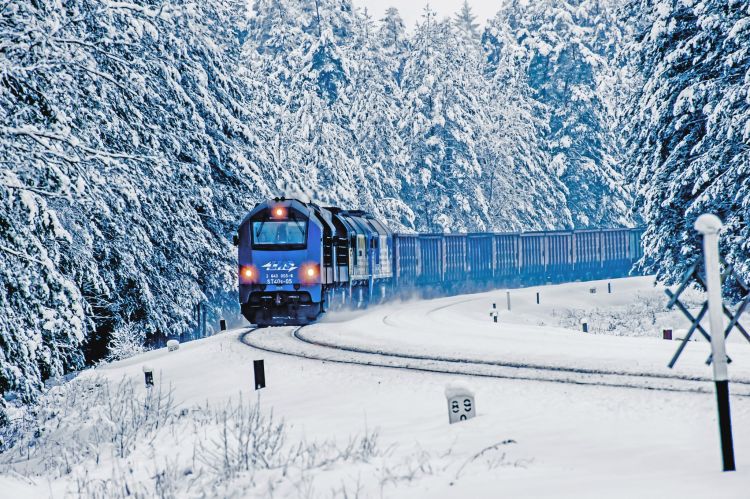
The deployment of these locomotives is a development in diesel traction technology within the region, supporting ongoing freight operations across Inner Mongolia’s rail network.
The upgrades, financed through state budget contributions and the EU's Connecting Europe Facility (CEF), amounted to over EUR 9 million.
In the first half of 2024, freight rail transport across Europe recorded a decrease in transport performance, reflecting a challenging period for the sector.
The transition follows years of preparation, including extensive testing, staff training, and collaboration with transport operators.
The integration of Hungary's MÁV Group is set to conclude by 2025, consolidating its operations into a more centralized structure intended to simplify management processes.
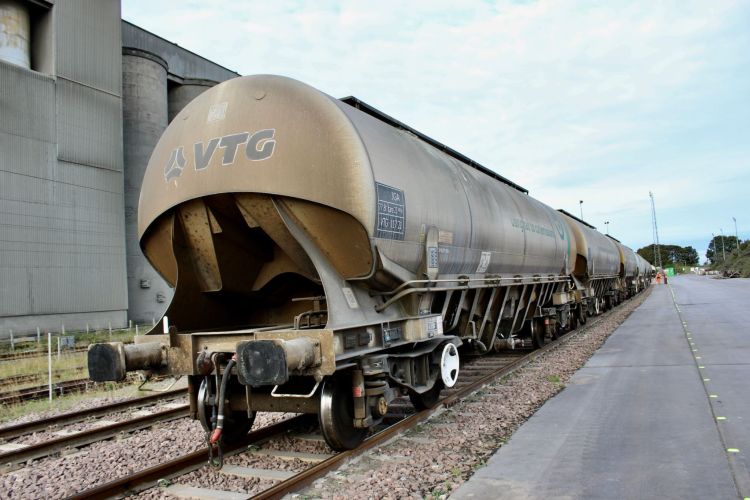
The five-year agreement includes retrofitting the wagons with VTG's iWagon technology, a system designed to integrate smart monitoring capabilities into rail freight operations.
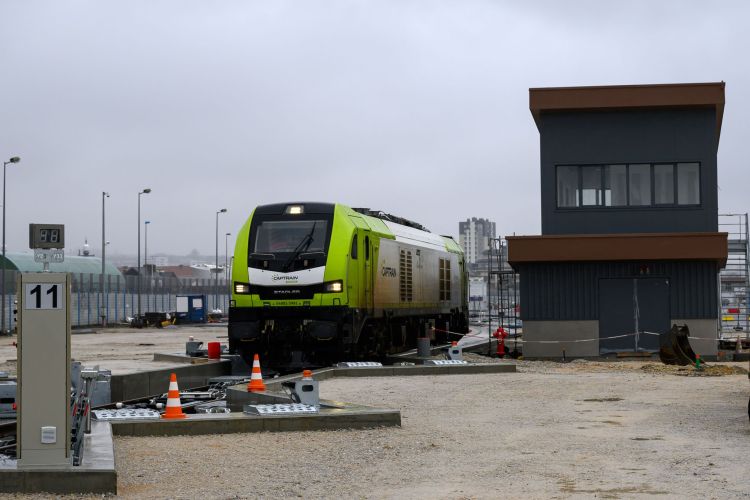
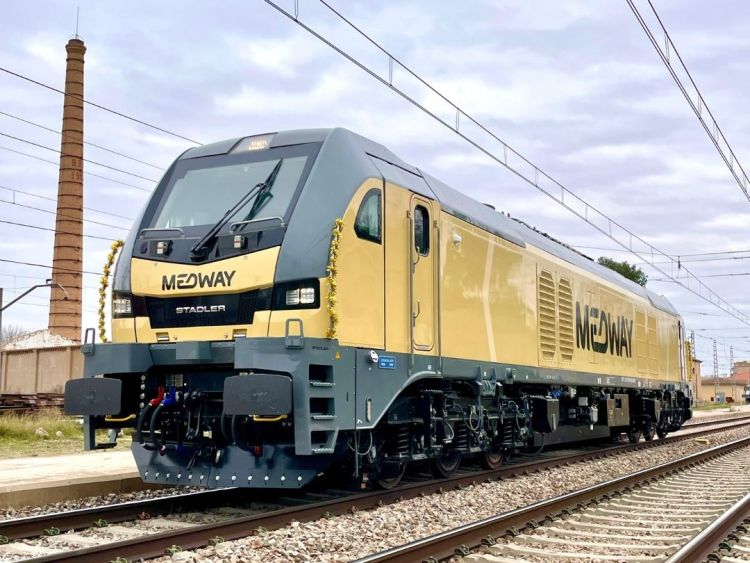
In December 2024, three new six-axle diesel locomotives appeared on Spanish rails – owned by a single leasing company, operated by two freight rail carriers.
GYSEV, the current sole owner, will retain a 30% stake following the transaction.
Výzkumný Ústav Železniční, a.s. (VUZ), the railway research institute from Czech Republic, expands its certification services.
The service is designed to address the requirements of shippers, offering rail-based transport solutions between the two Frencg regions while maintaining accessibility to the broader European market.
The wagons are intended to support railway infrastructure projects, offering operational features tailored for precise material dosing and increased safety during construction activities.
This purchase confirms the remaining option in framework agreement signed on June 13, 2023, covering the procurement of 20 locomotives.
The partnership introduces a shared operational framework, dividing responsibilities and financial risks equally between the two parties.
It is part of a collaborative effort between the two rail operators, aiming to adjust service management in the region.
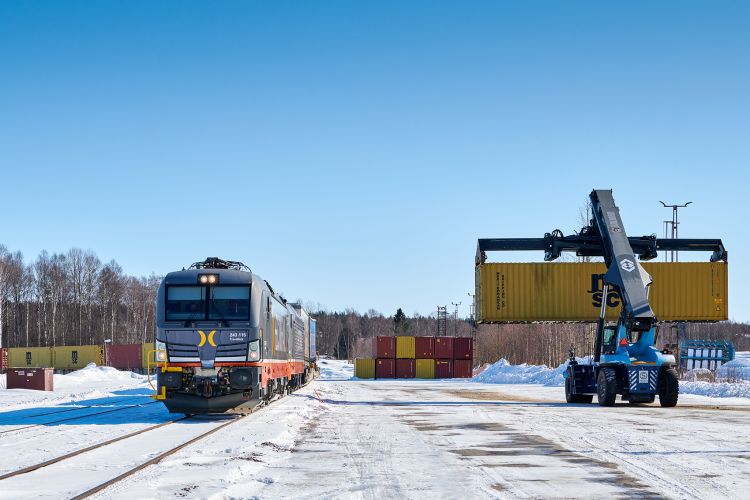
Initially established to meet the transportation needs of its owner, forest product company Stenvalls Trä, the terminal has since attracted cargo from additional industries in the region.
Further deliveries are expected to proceed according to the planned schedule.
The adjustments include new routes, increased frequencies, and terminal infrastructure changes aimed at refining operational efficiency across key corridors.