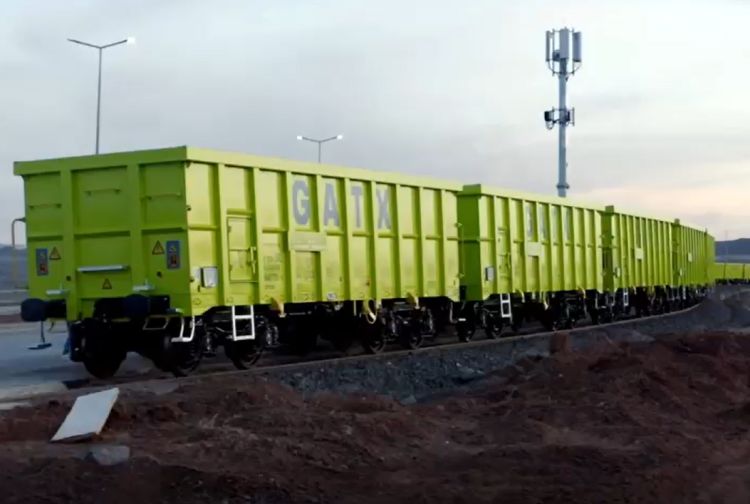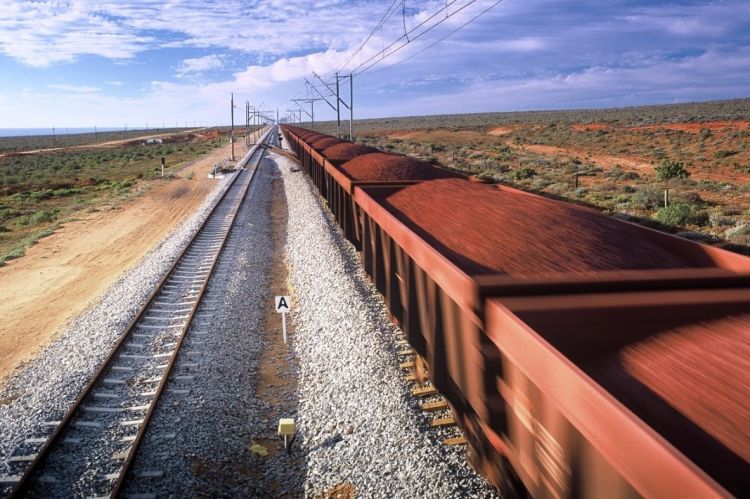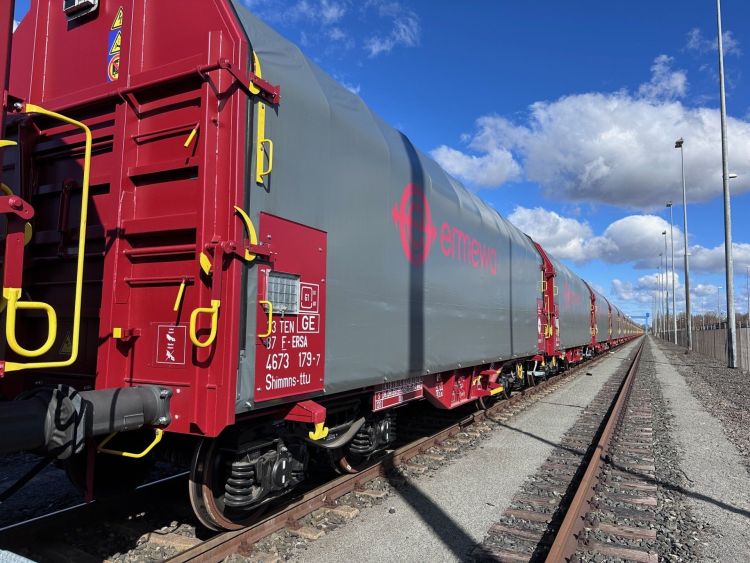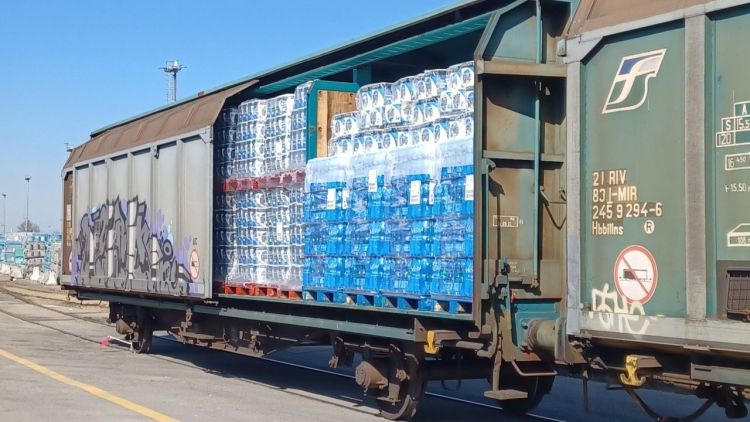

Gökrail begins delivery of new Eamnos open wagons for GATX Rail Europe
The first completed units have departed the company’s production site in Sivas, central Turkey, and are currently en route to Vienna.
The company has begun the search for contractors for two connected initiatives: a military loading yard and an extension of standard gauge rail infrastructure.
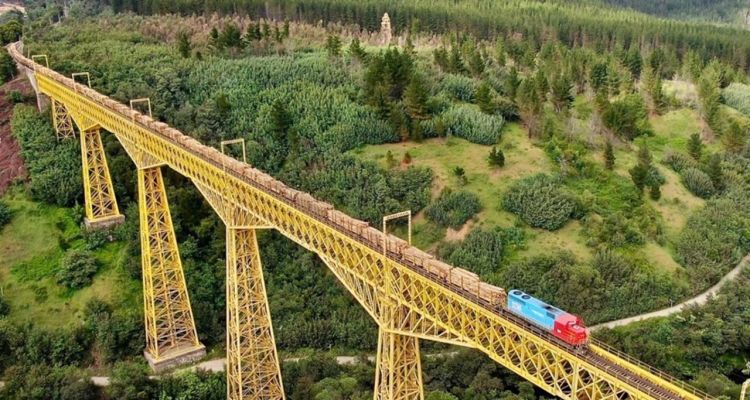
The contract covers rail operations across the central-southern section of the country, which has been the core corridor for FEPASA’s logistics activities.
The project is part of the group’s 2025–2029 business plan.
The service is scheduled for five weekly rotations, running from Monday through Friday.
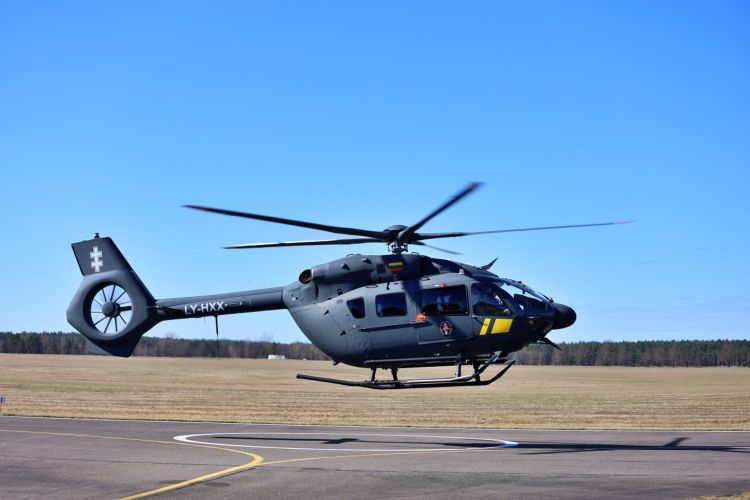
Lithuania’s State Border Guard Service (VSAT) is expanding its aviation capacity with the introduction of three new Airbus H145 helicopters.
The potential initiative would serve as a successor to the current Europe’s Rail Joint Undertaking and is expected to form part of the forthcoming FP10 research framework.
The EUR 117 million site, located at Southpoint Business Park, is projected to open in 2026 and will host operations focused on the development and production of conventional and digital rail signaling systems.
CEO of DB Cargo, Sigrid Nikutta, gave an interview for RND.de on current company development.
The LC-800 locomotive, previously used by Mertz Transport, is being relocated to Sannahed near Hallsberg for a new assignment under the Swedish Transport Administration.
The handover was completed recently, and the locomotive has already entered the company’s operational pool.
This makes Mülheim the fourth VPS railway location, alongside Salzgitter, Peine, and Ilsenburg.
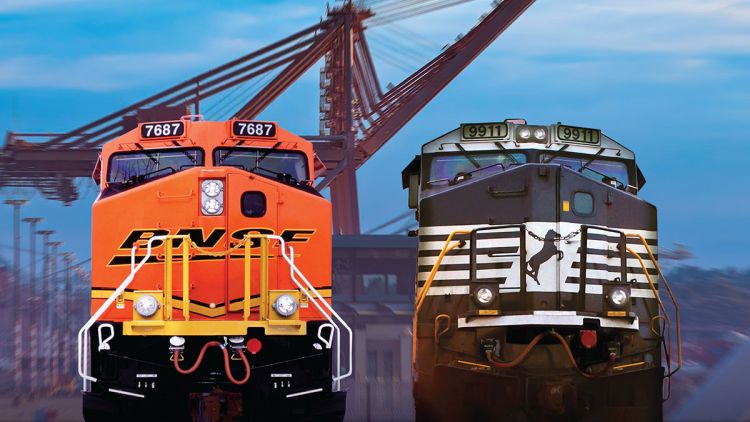
A joint effort of Pacific Northwest terminals, and two Class I railroads.
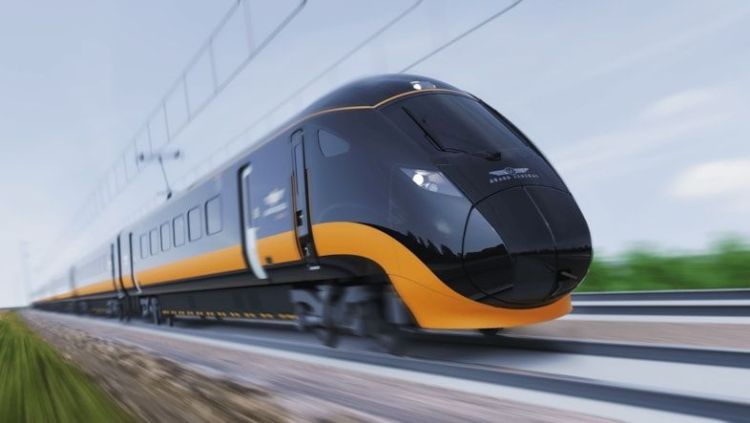
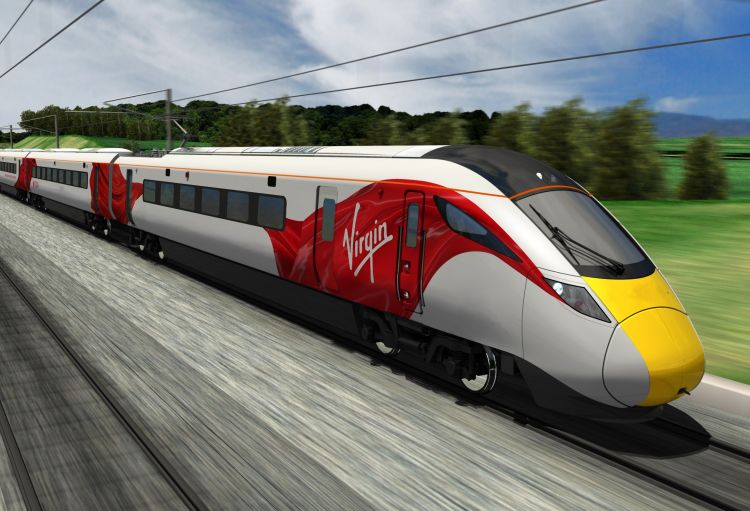
All vehicles will be assembled at Hitachi Rail’s facility in Newton Aycliffe, in the North East of England.
As the railway industry increasingly embraces digital transformation, traditional companies face both challenges and opportunities. In this exclusive interview, Elena Stancich, Sales Manager at RAILVIS.com, shares insights from her personal journey into rail logistics, reveals strategies to overcome resistance to digital platforms, and discusses why Italy's strategic position makes it ideal for her international role.
Further expansion of cross-border services and broader coverage within the automotive supply chain remains part of the company’s operational outlook.
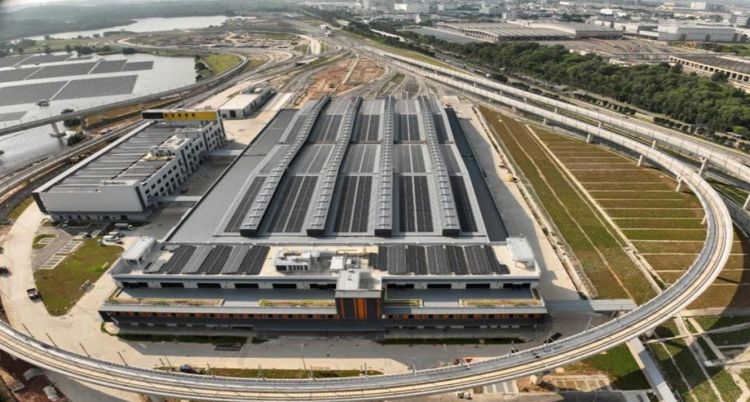
A dedicated railway testing site in Tuas, Singapore, has commenced full operations following a two-phase construction process that began in 2021.
The simulators will be utilized primarily for training, certifying, and evaluating locomotive and railcar engineers.
The initiative focused on the development of a mobile robot to automate the positioning of locking pins on container wagons.
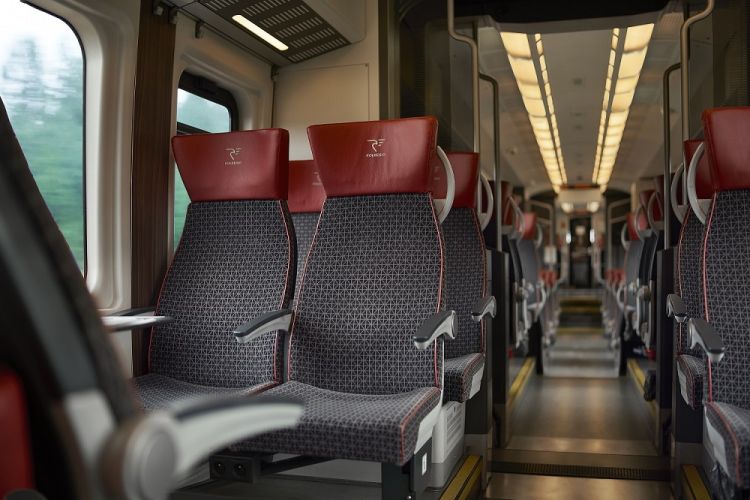
The purchase aligns with the Regional Transport Plan of the Świętokrzyskie Voivodeship for 2021-2030, addressing the region's need to replace older rolling stock.
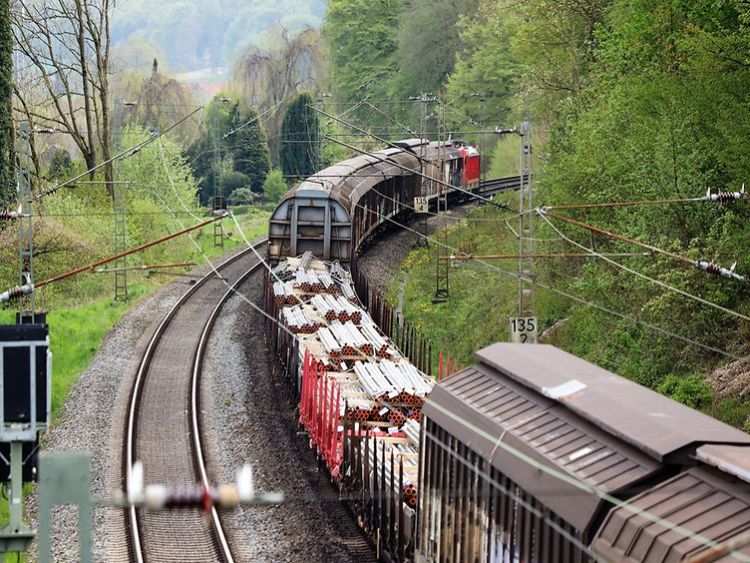
The wagon has been developed to address the specific demands of transporting bulk sleepers to trackbed locations on track construction and renewal sites.
The RFI seeks contributions from private sector entities interested in participating in logistics-related projects through a proposed Private Sector Participation (PSP) framework.
If approved, the services would run alongside existing operations of the national operator.
The transaction transfers full ownership of the Atlantic-to-Pacific rail line to the global terminal operator.
Hurn previously served as VTG Rail UK's Sales and Marketing Director, a position he held since 2023.
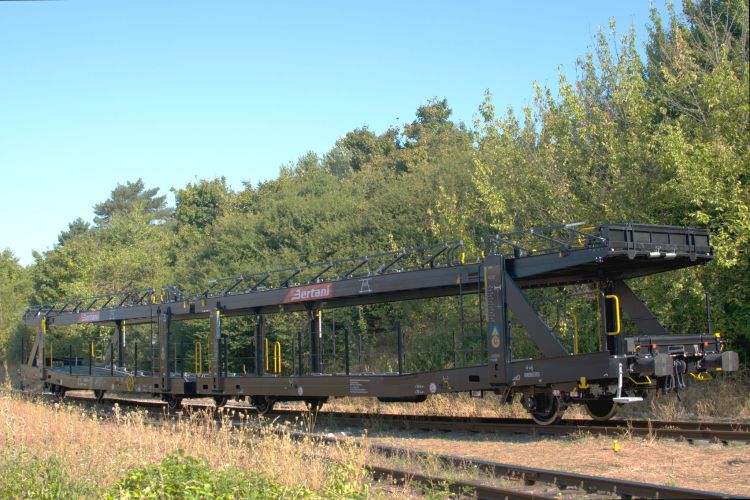
The delivery involves a standard double-deck design commonly used for the transport of passenger vehicles by rail.
These covered coil wagons will remain in use within RCG’s operations throughout 2024 and beyond.
The company is backed by a joint venture involving Marguerite, Griffin Capital Partners, and WBW Invest.
The service is now available to clients operating within Kenya’s domestic and export-focused cold chain, with monitoring systems designed to provide visibility into in-transit conditions.
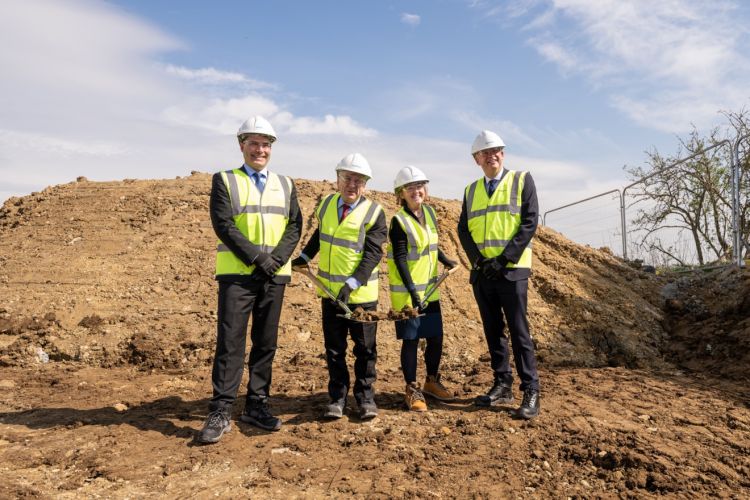
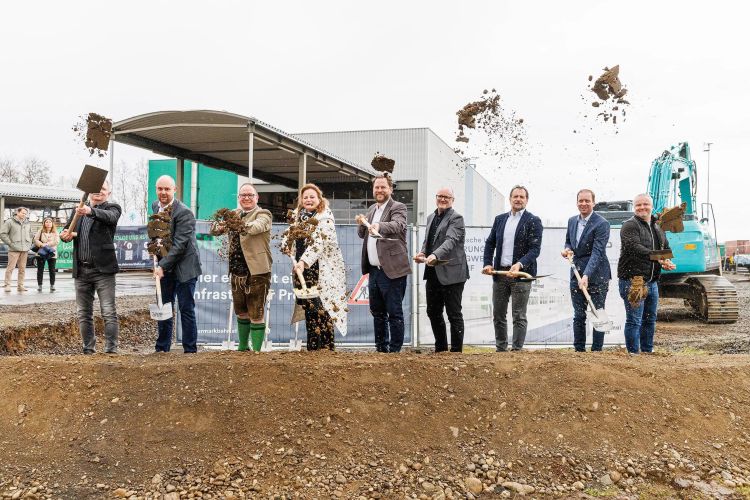
Construction has started on the expansion of the vehicle workshop at Cargo Terminal Graz in Werndorf.
The procurement process, initiated by Rail Cargo Austria, focused on acquiring freight wagons suited for general cargo operations.
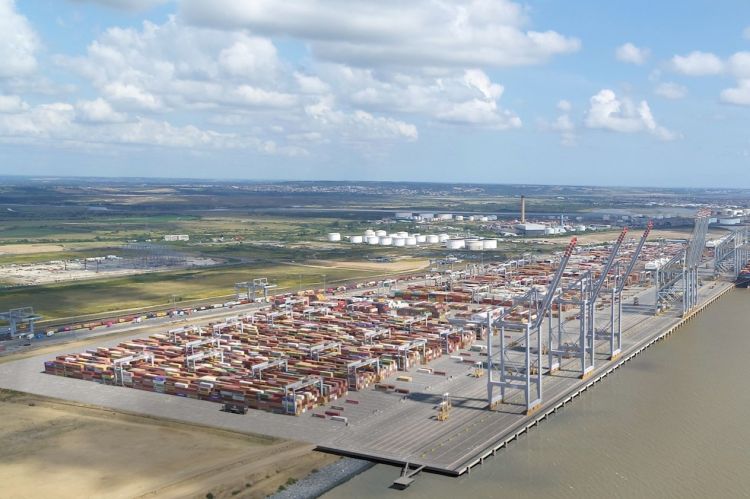
The new facility is part of a four-year infrastructure programme that will increase the port’s intermodal capacity and allow for higher rail freight volumes to and from the Thames Estuary.
This delivery represents the first instance of diesel locomotives produced by a Chinese manufacturer entering Mozambique’s railway market.
The project covers the 58 km stretch between Pärnu and the Latvian border and is valued at approximately EUR 332 million.
The project is part of the company's push toward automating operational processes in single wagonload traffic.
The appeal precedes a scheduled debate in parliament set for 3 April, during which future rail policy will be discussed.
The newly ordered five-car FLIRT EMUs will be produced locally, at Stadler’s facility in Siedlce, eastern Poland.
Jaguar Transport Holdings LLC has launched operations of a newly formed short line railroad in central Kansas City.
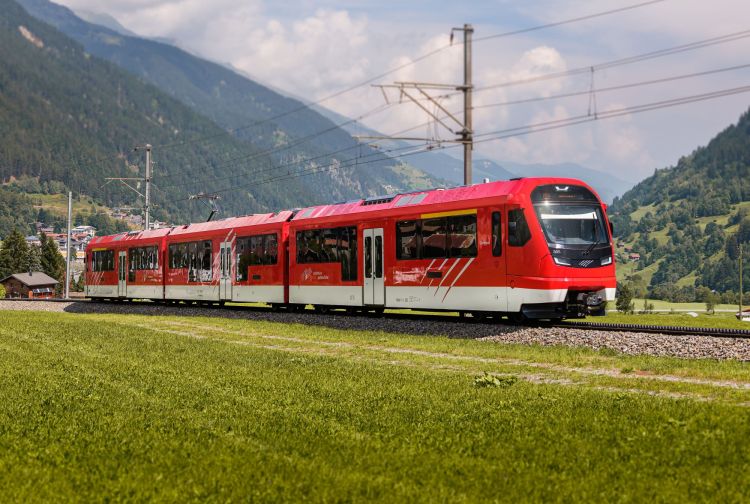
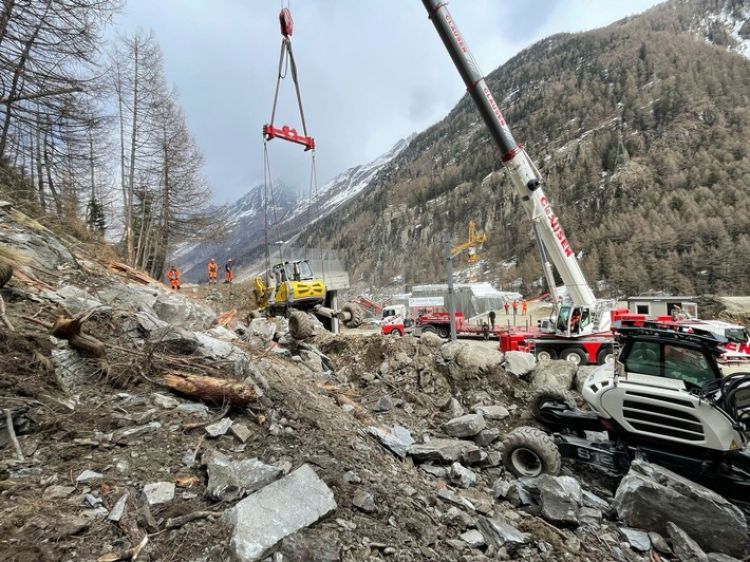
Rail services between Täsch and Zermatt have resumed following a brief suspension caused by rockfalls on 24 and 26 March.
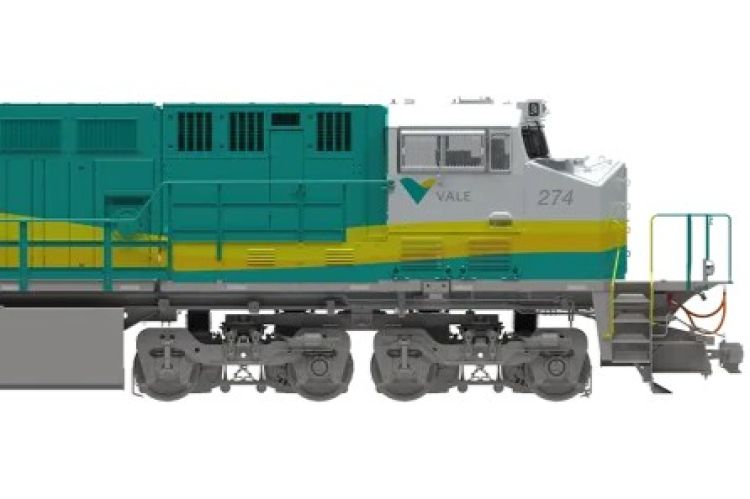
The locomotives will be manufactured at Wabtec’s Contagem facility in Brazil, with delivery starting in 2026.
The use of purpose-built wagons supports operations involving high-density commodities such as steel.
The allocation amounts to approximately EUR 181.5 million (PLN 781.6 million), covering both terminal infrastructure and rolling stock.
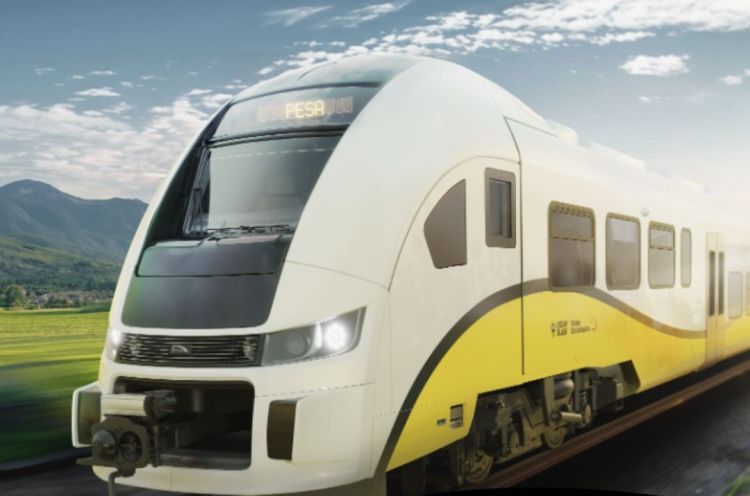
The vehicles will be deployed on regional routes in Lower Silesia that remain unelectrified, expanding the carrier’s fleet to 108 units.
The train now runs downhill at up to 30 km/h on the 181‰ gradient, compared to the previous 21 km/h limit.
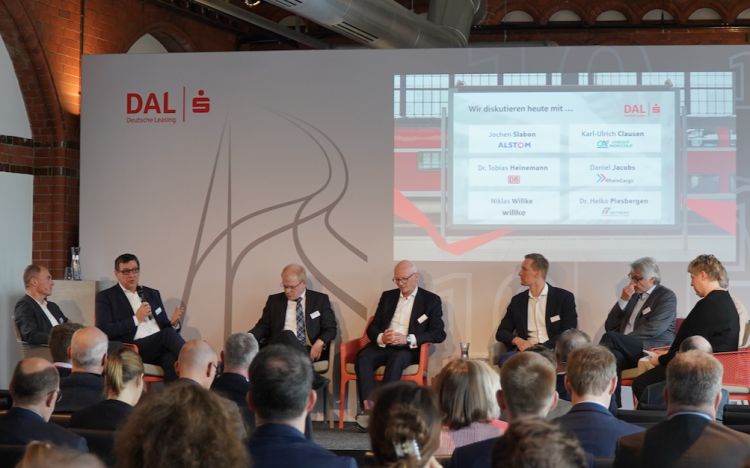
The event brought together over 200 decision-makers from railway undertakings, manufacturers, infrastructure managers, and financial institutions.
The first train on this route departed on 5 March 2025, carrying palletised general cargo. The service is expected to run weekly starting in April.
Government funding for maintenance contributed to the result.
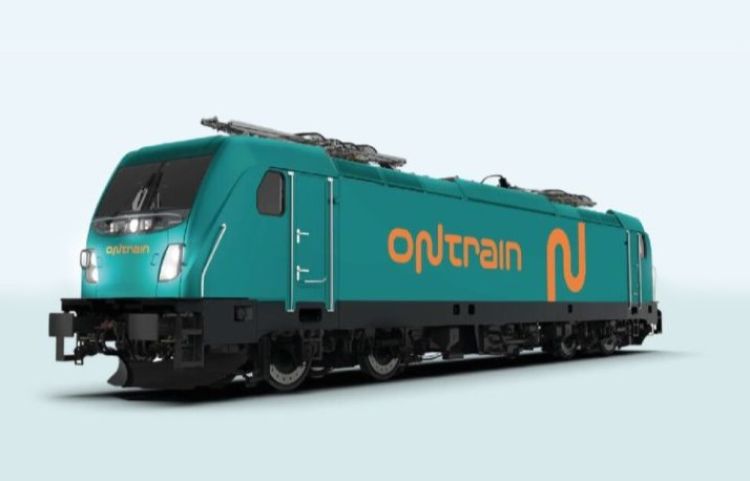
The locomotives are part of the company’s current focus on growing its role in freight transport by rail within Spain.
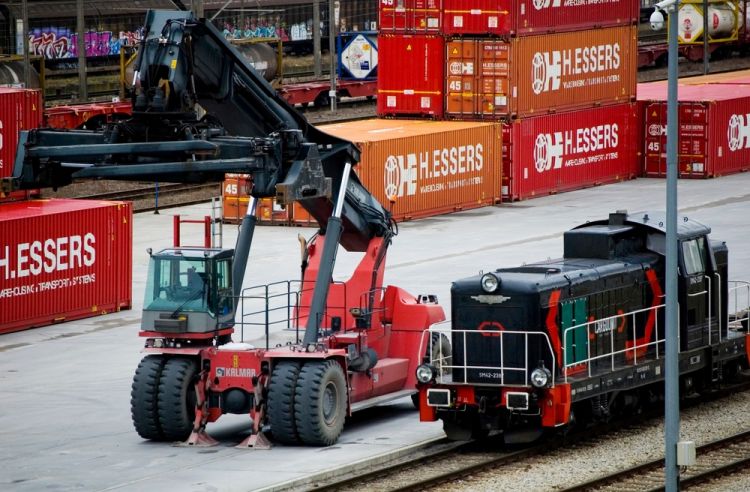
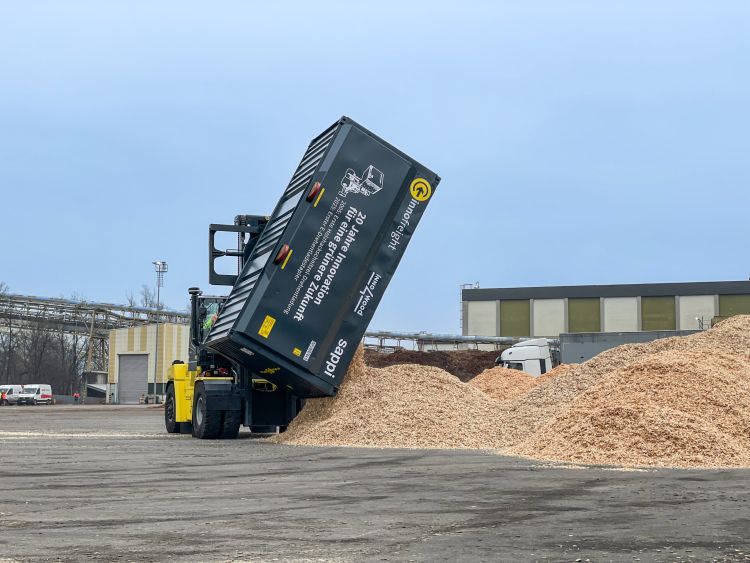
The forklift has been developed in cooperation with Kalmar and is powered by a 245 kWh battery system.
The locomotives were officially handed over at Newag’s production facility in Nowy Sącz.