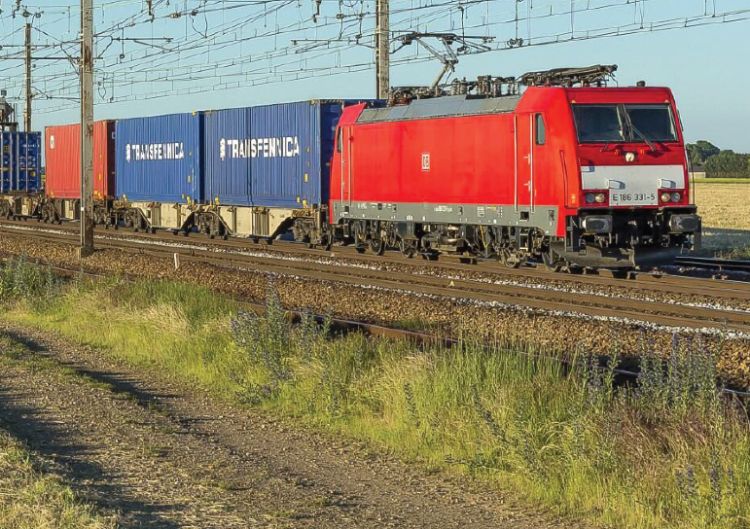

Challengers’ vs Incumbents’ EU rail freight market share: 55% to 45%
This is a continuation of a trend observed since 2019, when non-incumbent operators held 33%. The share of new market entrants alone has grown to 40% in 2023.
The unit is part of approx. €27 million programme covering 78 vehicles owned by rolling stock leasing company Porterbrook. The trains were previously operated by West Midlands Railway.
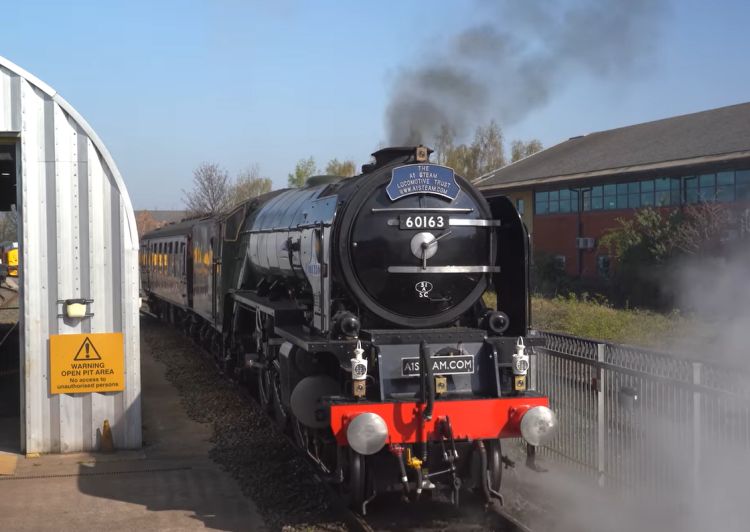
Testing of a steam locomotive fitted with the European Train Control System (ETCS) Level 2 has been completed on the Cambrian line in Wales.
The company—formerly known as Chicago Freight Car Leasing Australia (CFCLA)—has focused on expanding domestic production, updating its locomotive fleet, and offering new leasing models to customers.
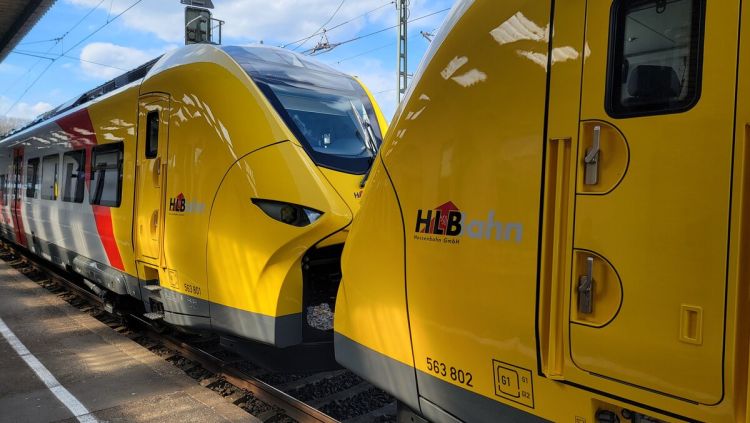
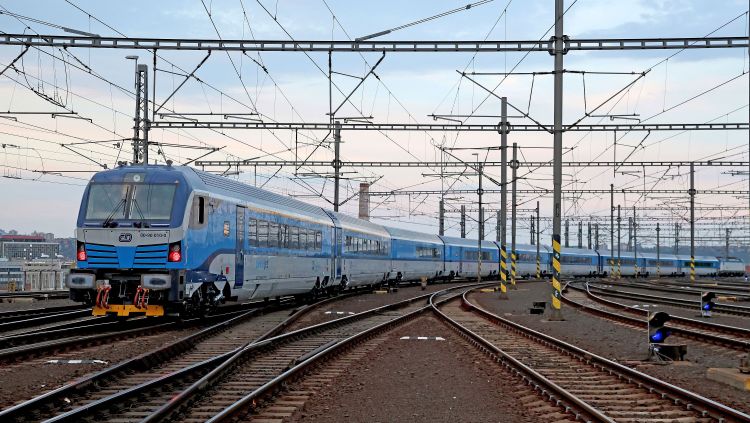
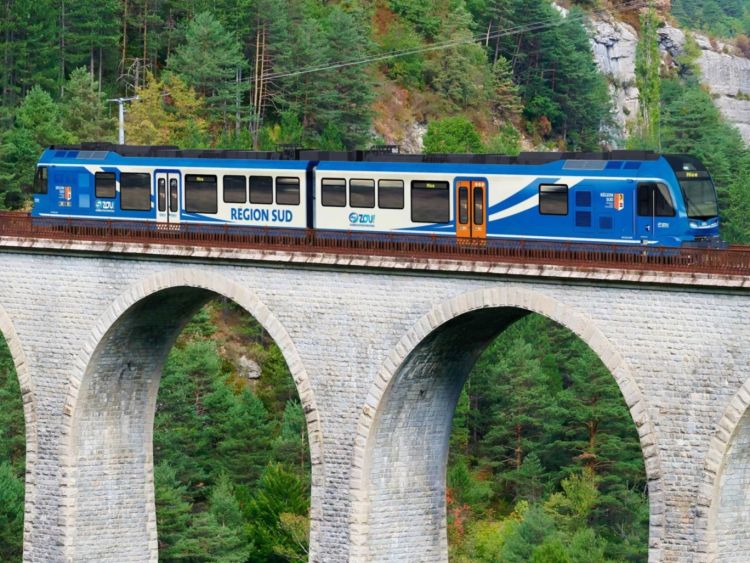
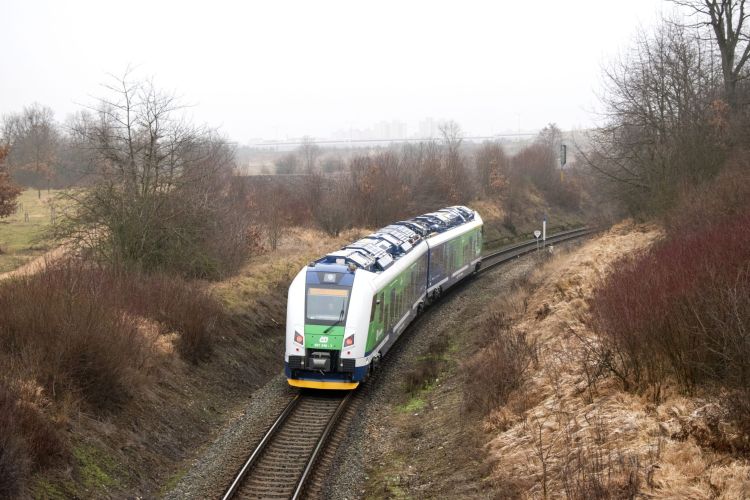
The battery-electric trains, delivered earlier than expected, are undergoing test and driver training operations in the region.
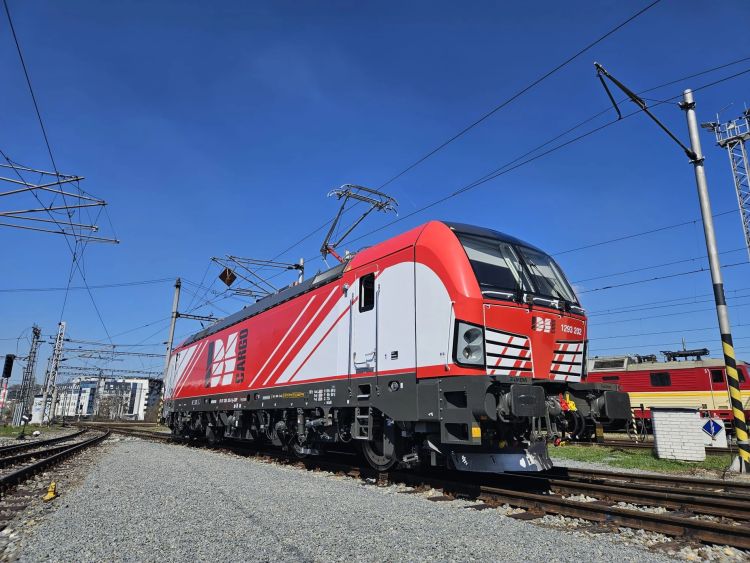
The move is part of DB Cargo Czechia’s wider plan to maintain wagonload traffic viability in areas where infrastructure upgrades now require ETCS-compliant vehicles.
The new contract, which began on 1 April 2025, adds seven years to the existing service arrangement.
The publication explains the step-by-step procedures for initiating rail services, available government incentives, and the operational structure of DB Cargo France within the national and international transport network.
During this phase of test operation, trains are still running in push-pull configuration without active remote control from the cab car.
The vehicles will replace the current diesel fleet.
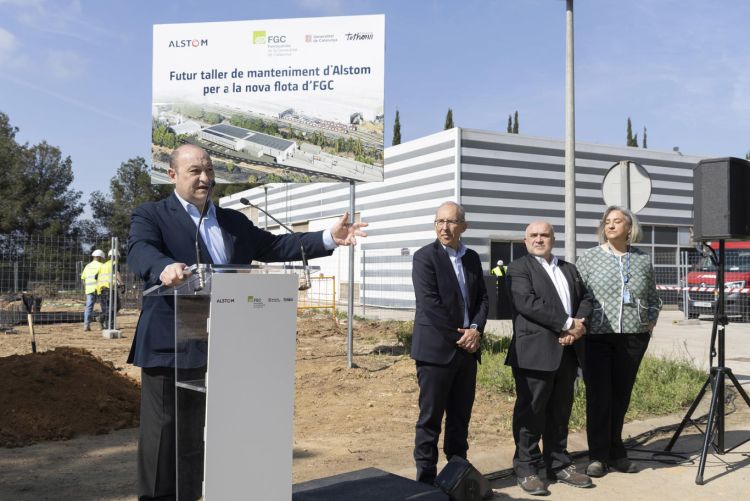
Construction has started on a new rolling stock maintenance facility located on the premises of Alstom’s manufacturing site in Santa Perpètua de Mogoda.
The document, titled Towary na Tory (Goods to Tracks), presents an analytical framework that diagnoses the structural challenges faced by the sector and suggests solutions.
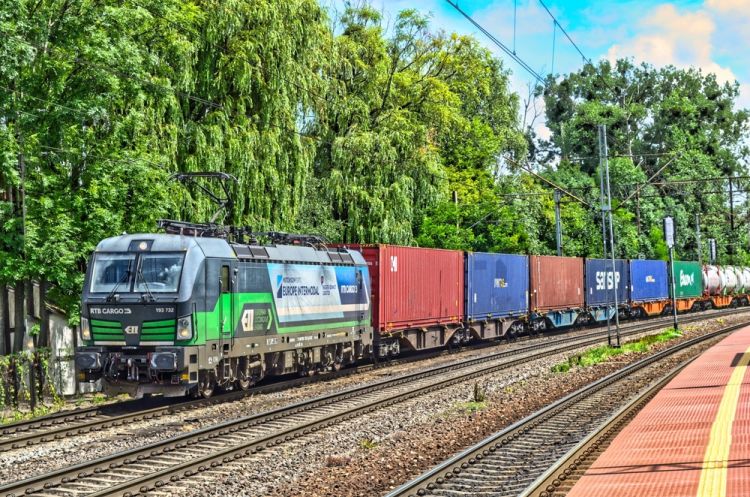
Czech rail freight operator IDS CARGO has introduced a new multisystem Vectron locomotive into its operational portfolio.
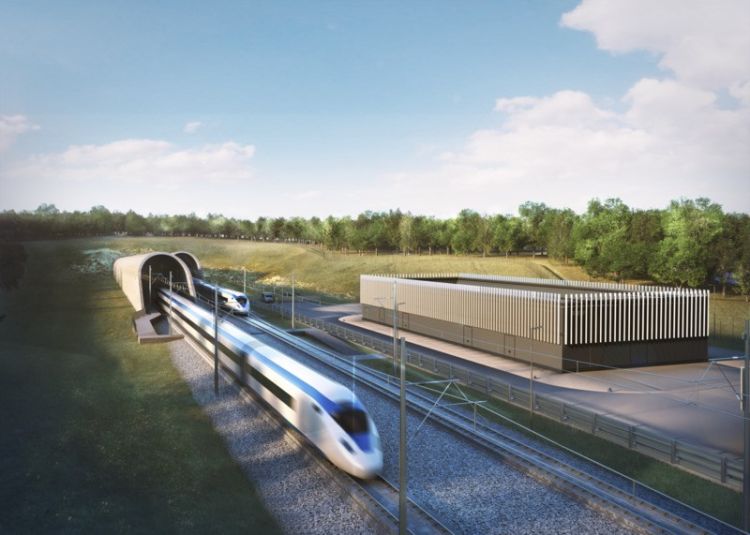
The infrastructure has been developed to mitigate micro-pressure waves caused by high-speed trains entering tunnels at speeds of up to 322 km/h.
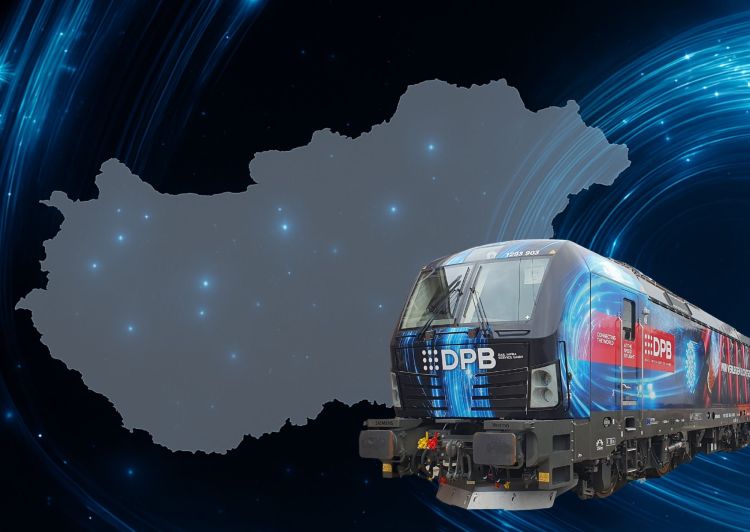
The document was issued from April 2025 in accordance with EU Directive 2016/798 and relevant Hungarian legislation.
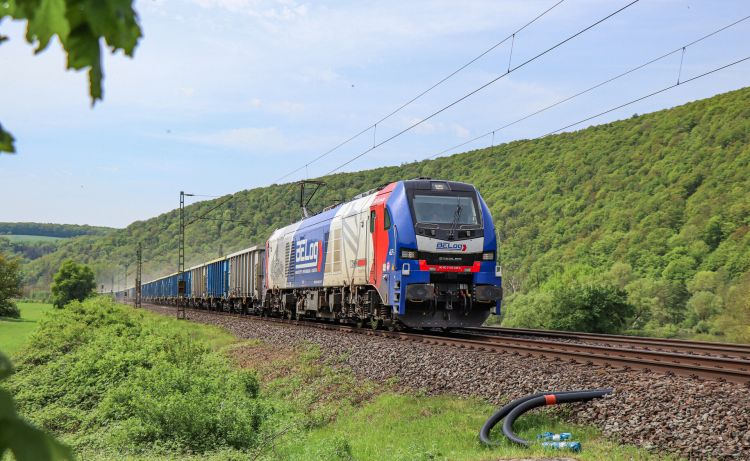
The latest agreement follows a series of previous acquisitions, with the most recent EuroDual scheduled for delivery in December.
The order is valued at €2.1 billion and expands the region’s commitment to its multi-year rolling stock renewal programme.
The contract covers two trains and is expected to run for a period of three to five years starting in December 2025.
The terminal, located 1.4 km from the Azerbaijan–Iran border, is being developed under a 25-year lease agreement between the two governments and forms part of the broader North–South International Transport Corridor.
Two different hybrid coupler systems were tested.
The call for project proposals will remain open until 26 September 2025.
The unit was handed over to CFR Călători and is the first of 19 locomotives included in the refurbishment programme.
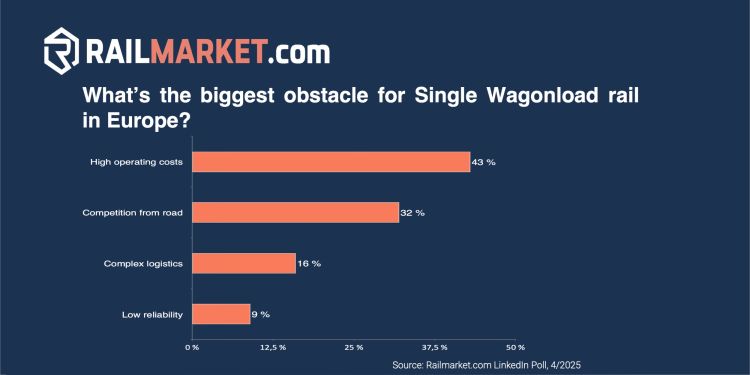
Single wagonload (SWL) transport remains one of the most complex segments in European rail freight.
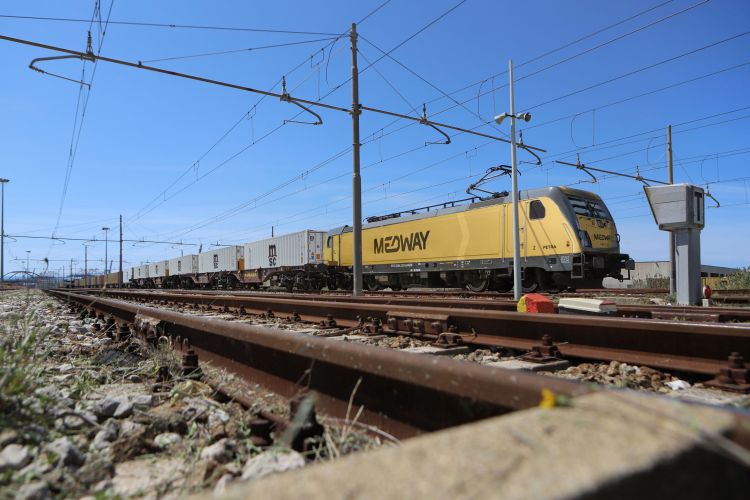
MSC and Medlog open refrigerated rail link between Gioia Tauro and Verona
The scope of the agreement includes a total of 141 locomotives over a 15-year period.
The decision affects one of the three factories operated under Astra Rail Industries, a company built on the legacy of Astra Vagoane Arad, Meva, and Romvag Caracal.
The operator now runs four round trips per week on the corridor, linking the Rhine-Neckar region with the North Sea port of Bremerhaven.
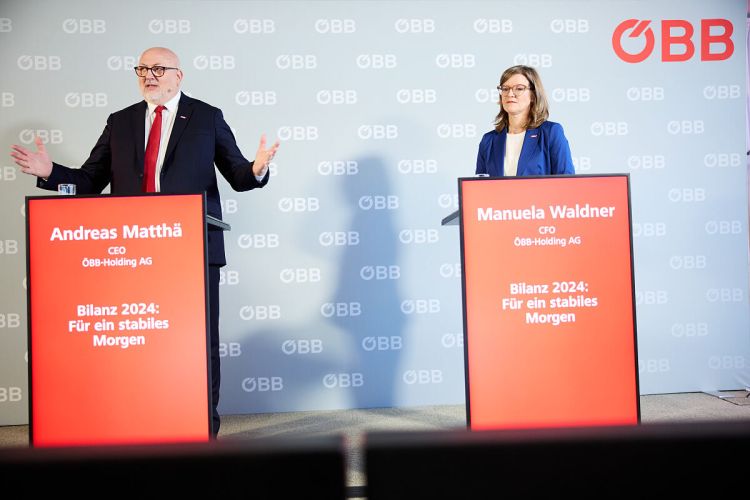
The result was achieved under conditions shaped by widespread flooding in Austria and a broader economic slowdown across Europe.
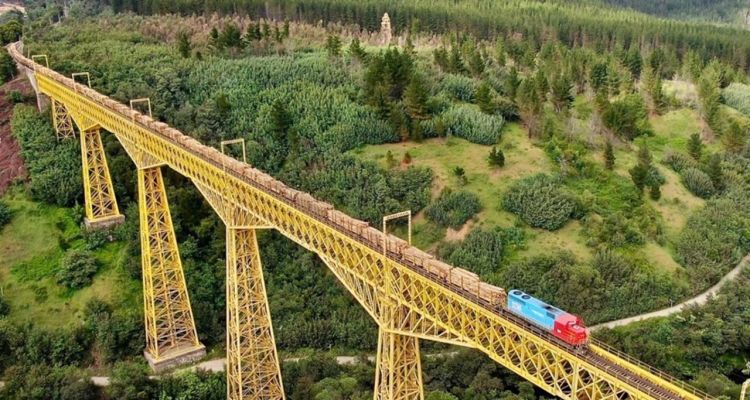
The shipment arrived at the port of Bilbao by vessel from Moerdijk and continued inland on board a freight train operated by WEC Lines.
Following the example of the Moravian-Silesian Region, Prague and the Central Bohemian Region are preparing to modernise regional rail services by exploring the use of battery and electric multiple units (BEMU and EMU) for future operations.
The programme aims to reshape public transport dynamics across the Lyon metropolitan area.
Units moved by rail increase by almost 5%.
The cooperation allows purchasers to order wagons equipped with PJM’s WaggonTracker system directly from the production line.
Technis will provide support services under regular workshop conditions at its Thionville site.
The transport follows regular grain shipments from Ukraine to Hamburg between 2022 and 2024.
The move follows AGRANA’s decision in mid-March to cease sugar production at the site, freeing up industrial space for potential reuse.
The company is responsible for managing the traction of SETG trains within Slovenian territory.
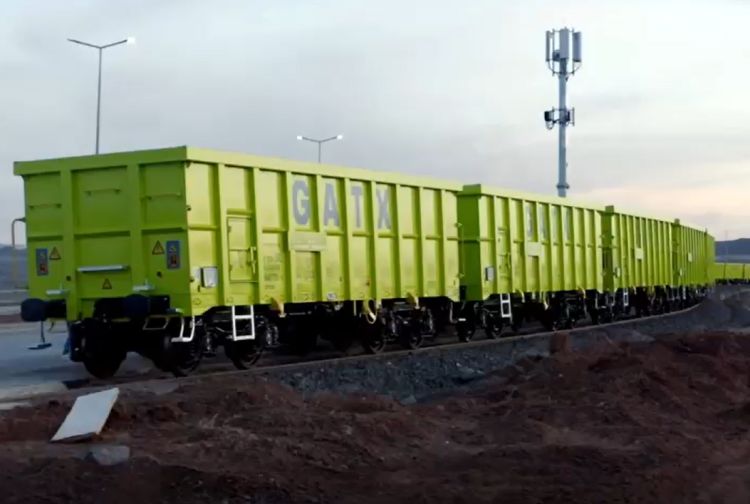
The first completed units have departed the company’s production site in Sivas, central Turkey, and are currently en route to Vienna.
The company has begun the search for contractors for two connected initiatives: a military loading yard and an extension of standard gauge rail infrastructure.
The contract covers rail operations across the central-southern section of the country, which has been the core corridor for FEPASA’s logistics activities.
The project is part of the group’s 2025–2029 business plan.
The service is scheduled for five weekly rotations, running from Monday through Friday.
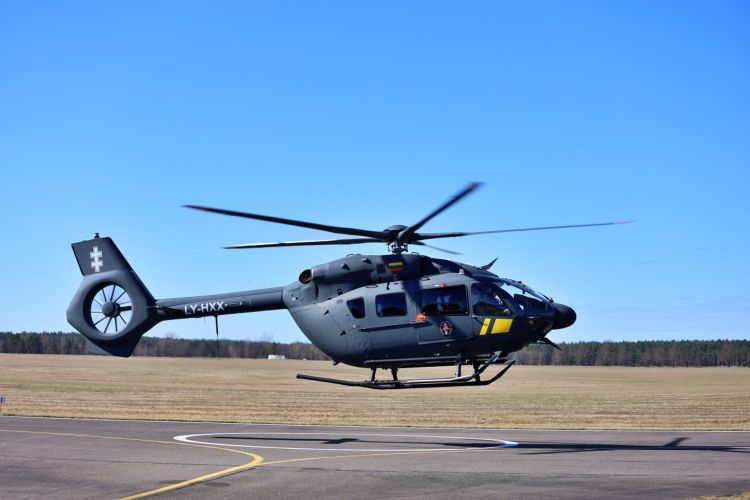
Lithuania’s State Border Guard Service (VSAT) is expanding its aviation capacity with the introduction of three new Airbus H145 helicopters.
The potential initiative would serve as a successor to the current Europe’s Rail Joint Undertaking and is expected to form part of the forthcoming FP10 research framework.
The EUR 117 million site, located at Southpoint Business Park, is projected to open in 2026 and will host operations focused on the development and production of conventional and digital rail signaling systems.
CEO of DB Cargo, Sigrid Nikutta, gave an interview for RND.de on current company development.
The LC-800 locomotive, previously used by Mertz Transport, is being relocated to Sannahed near Hallsberg for a new assignment under the Swedish Transport Administration.
The handover was completed recently, and the locomotive has already entered the company’s operational pool.
This makes Mülheim the fourth VPS railway location, alongside Salzgitter, Peine, and Ilsenburg.
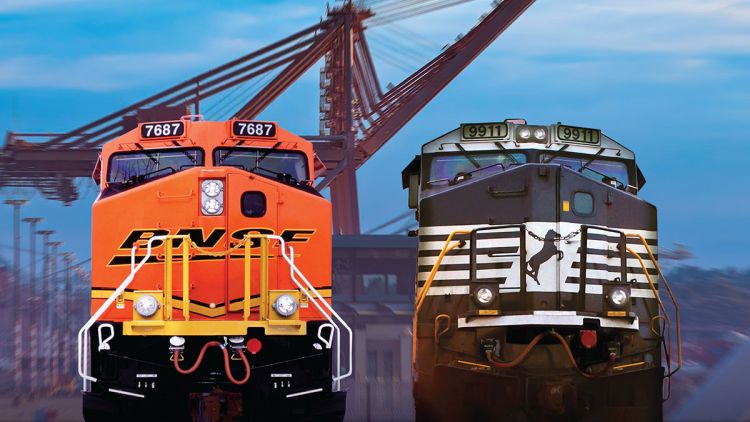
A joint effort of Pacific Northwest terminals, and two Class I railroads.