
Fifteen years of Prague–Rotterdam service by METRANS
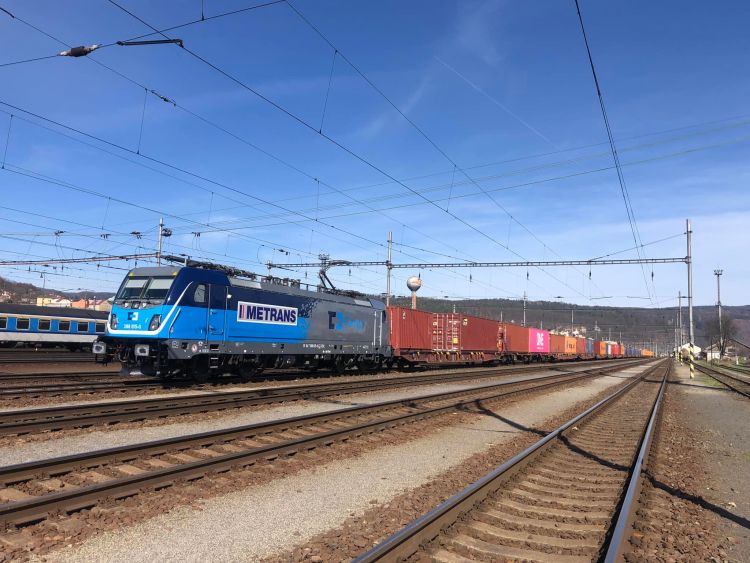
The corridor, established in 2010 with three weekly roundtrips, has developed into a key segment of the operator’s intermodal network between Central and Western Europe.
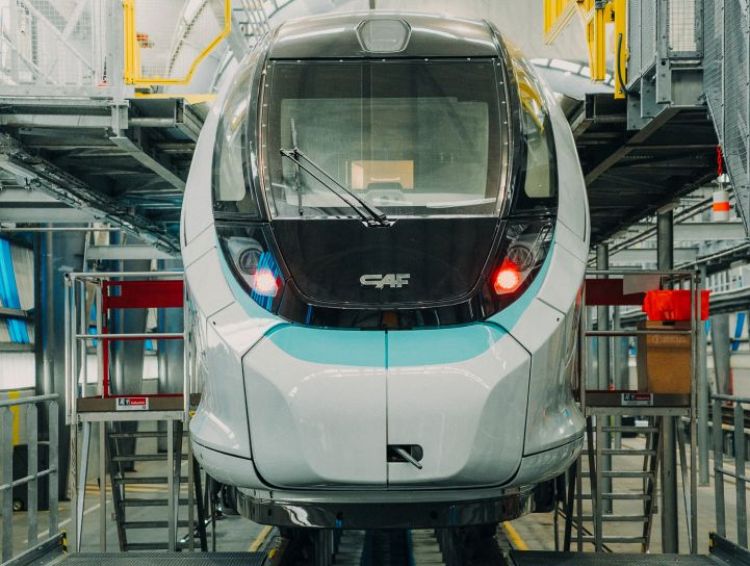
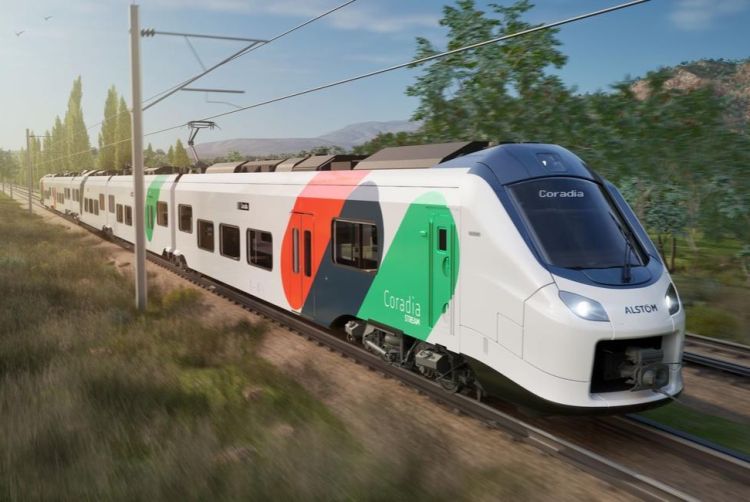
The train is designed to replace the aging Corail rolling stock currently operating on Trains d’Équilibre du Territoire (TET) services.
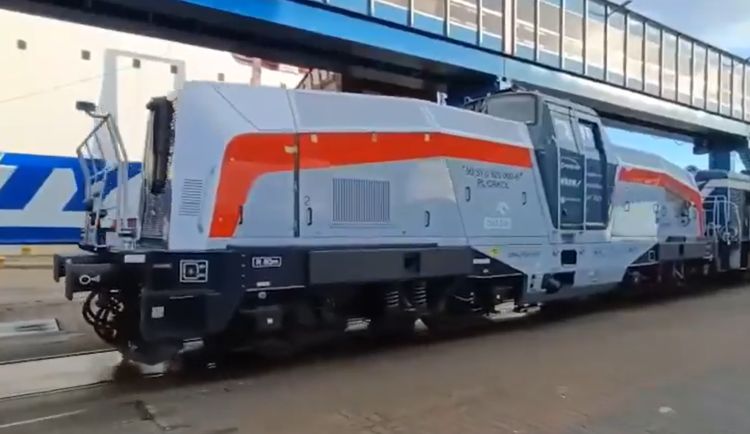
A hydrogen-powered locomotive manufactured by PESA Bydgoszcz has arrived in Sweden.
The operator moved approximately 949,000 road consignments, corresponding to around 1.82 million TEUs across its European network.
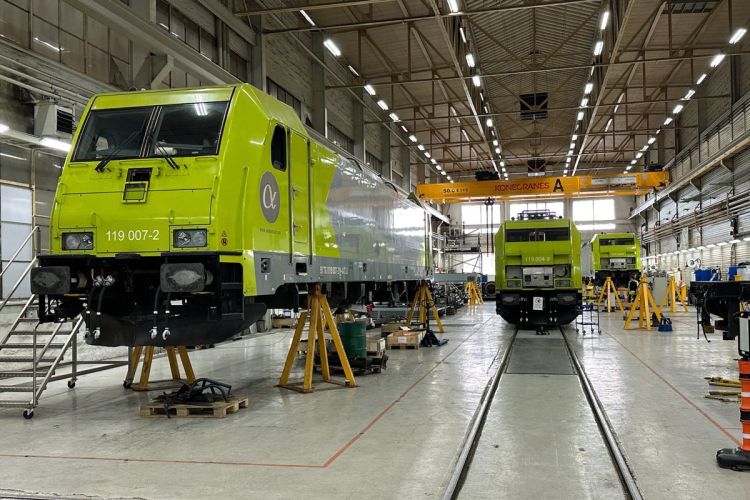
The company has entered into new full-service maintenance agreements in Scandinavia as part of its operational framework for leased locomotives.
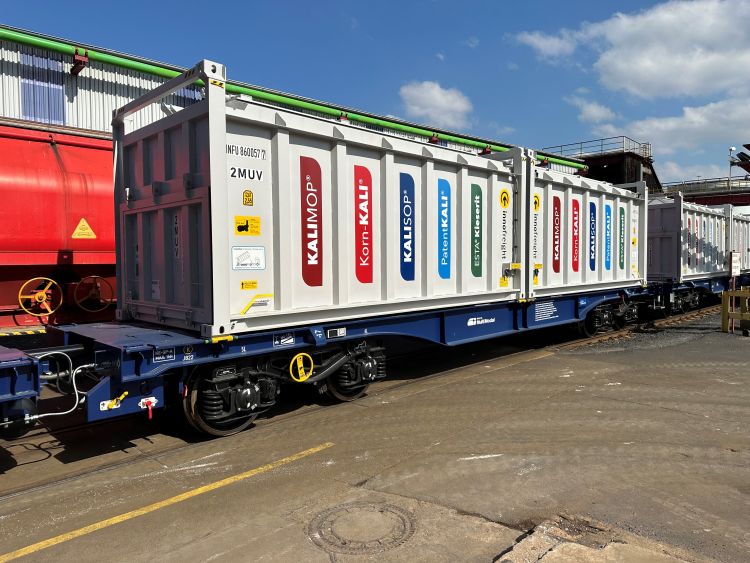
The containers were officially introduced at the Werra production site, where K+S handles around 20 million tonnes of raw salt annually.
The shift comes as infrastructure-related challenges persist across the North-South axis, particularly affecting freight rail transit through the Alps.
The divestment is being handled by the parent company Wiener Lokalbahnen, which is fully owned by the City of Vienna.
Regular operation started from the first day of May 2025.
The delivery is expected in September 2025.
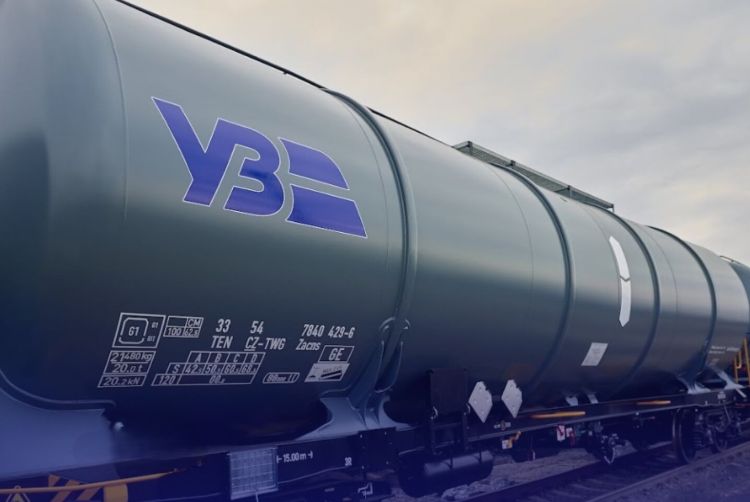
The delivery included 1,400 tonnes of rails and arrived earlier than scheduled.
In addition to the current procurement, ADY plans to extend the fleet with an additional order for 14 mainline locomotives.
Flat wagons are purposed for the transport of long rails, palletized building materials, and machinery.
The batch delivered in April 2025 represents the beginning of the delivery cycle for this year. Earlier deliveries under similar configurations have already entered regular operation.
The company is targeting Nordic rail freight corridors as a long-term area of operation, supported by an expanding fleet that aligns with evolving environmental and performance requirements.
The handover took place at Vienna Freudenau and adds further rolling stock capacity for cross-border transport of bulk materials.
While road freight flows uninterrupted across European borders, electric freight rail continues to be limited by infrastructure bottlenecks at several border crossings.
Norske tog has published its annual report for 2024, presenting a year defined by procurement initiatives and operational adjustments, alongside overall sector-wide challenges in Norwegian passenger rail.
The delivery follows a pattern of incremental fleet growth by RheinCargo through leasing arrangements.
Rail, port, inland waterway, and intermodal associations are calling on EU lawmakers not to sideline Combined Transport as two key pieces of freight legislation move through Brussels.
The company managed both traction and forwarding for the service.
Losses were reported under heavy company restructuring.
ÖBB is initiating a refurbishment programme targeting its entire Railjet fleet.
Rail-based timber transport for Stora Enso in Finland recorded a reduction in carbon dioxide emissions exceeding 15% in 2024 compared to the previous year.
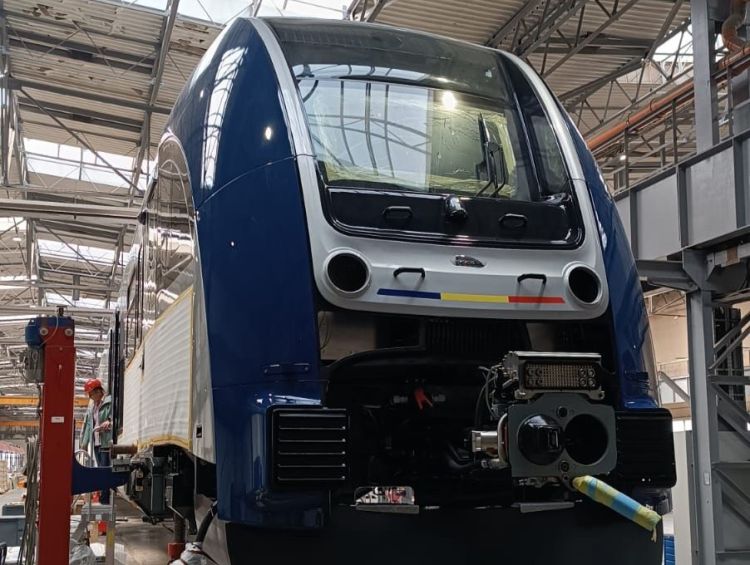
Representatives from Romania’s Railway Reform Authority (ARF) visited the Polish production site to inspect progress under the delivery contract signed in January last year.
OUIGO has presented its first refurbished train at Paris Gare de Lyon as part of a broader expansion of its fleet and services.
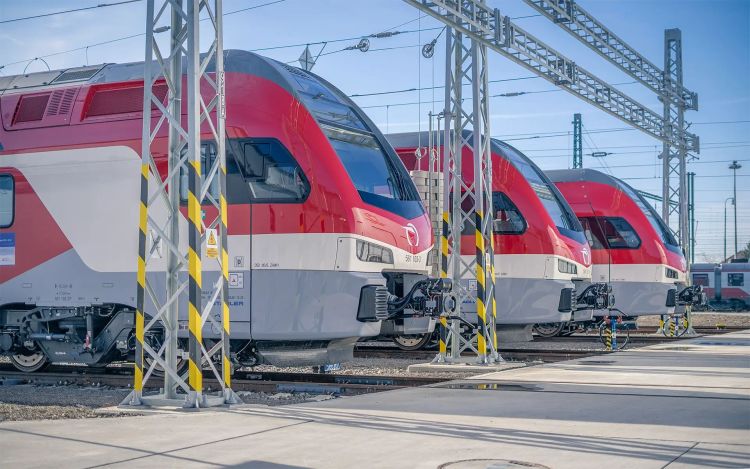
The new trains will operate on the corridor between Bratislava and Žilina.
The refreshed identity is part of Captrain's approach to maintaining its operational presence while adapting to changes within the group structure.
The initiative is intended to streamline testing procedures for European Train Control System (ETCS) onboard technologies.
The agreement represents the first passenger train delivery by Alstom in Bulgaria and introduces the first new electric interregional trains purchased by the country in two decades.
The project involves the delivery of 300 new coaches.
Railway operations across Spain and Portugal experienced widespread disruptions on Monday, April 28, 2025, following extensive power outages.

If launched, the new route would reintroduce overnight rail travel from Copenhagen after more than a decade.
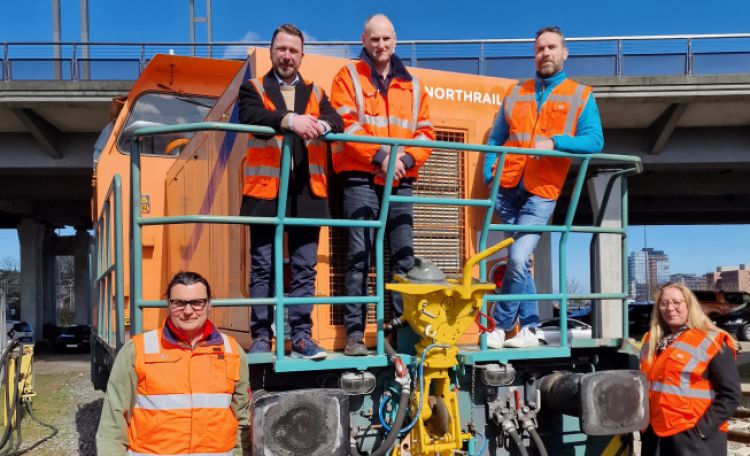
The decision, made during mid-term budget talks, is part of a broader plan to establish a direct rail connection from Kemi to the port of Narvik in Norway.
The service operates between a rail freight terminal in Al Ruwais Industrial City and Khalifa Port in Abu Dhabi.
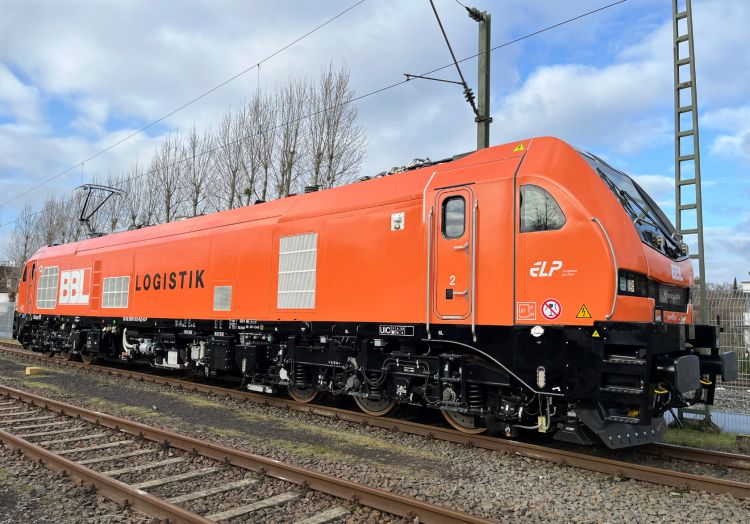
The fleet now consists of five EuroDual and four Euro9000 locomotives.
Both appointments are effective immediately.
This initial handover is part of a test phase under a new multi-year leasing agreement between the two companies.
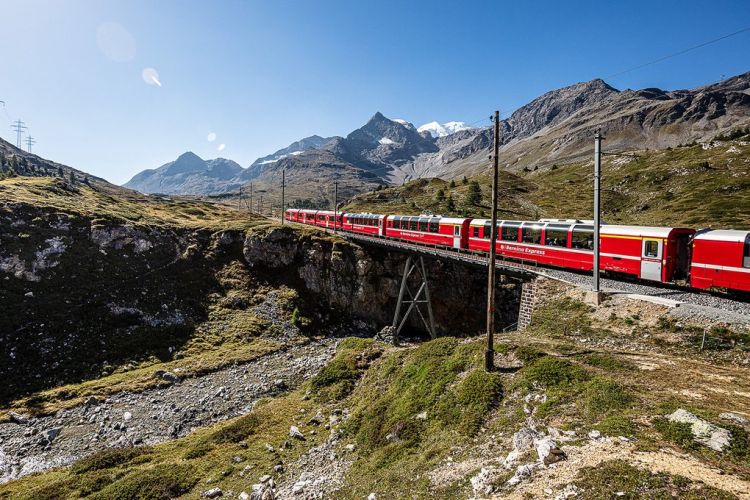
Rhätische Bahn (RhB) concluded the 2024 financial year with increased income across key areas of its business.
The project serves as a technical trial for automated coupling integration in regional rail contexts.
A new rail freight service operated between Montoir-de-Bretagne and Le Havre during the night of 8 to 9 April 2025.
The company describes this transport as part of its portfolio of international operations using internal operational coordination and multi-country access to rail corridors.
At the transport logistic 2025 exhibition in Munich, Wascosa will display two freight wagon concepts developed in cooperation with industry partners.
The new routes will strengthen Dourges’ position as a key intermodal hub in northern France and link it with Duisburg and two central Polish terminals.
The contract has been in effect since the beginning of April 2025.
Works are expected to continue through 2030.
The company, based in Brussels, operates as the largest private rail freight operator on the European continent.
The operational change comes after the launch of the Gemini Cooperation and the subsequent decision to transfer container volumes from Felixstowe to London Gateway.
The trains are scheduled for deployment as part of a new operational contract covering the period from December 2028 to December 2043.
This is a continuation of a trend observed since 2019, when non-incumbent operators held 33%. The share of new market entrants alone has grown to 40% in 2023.