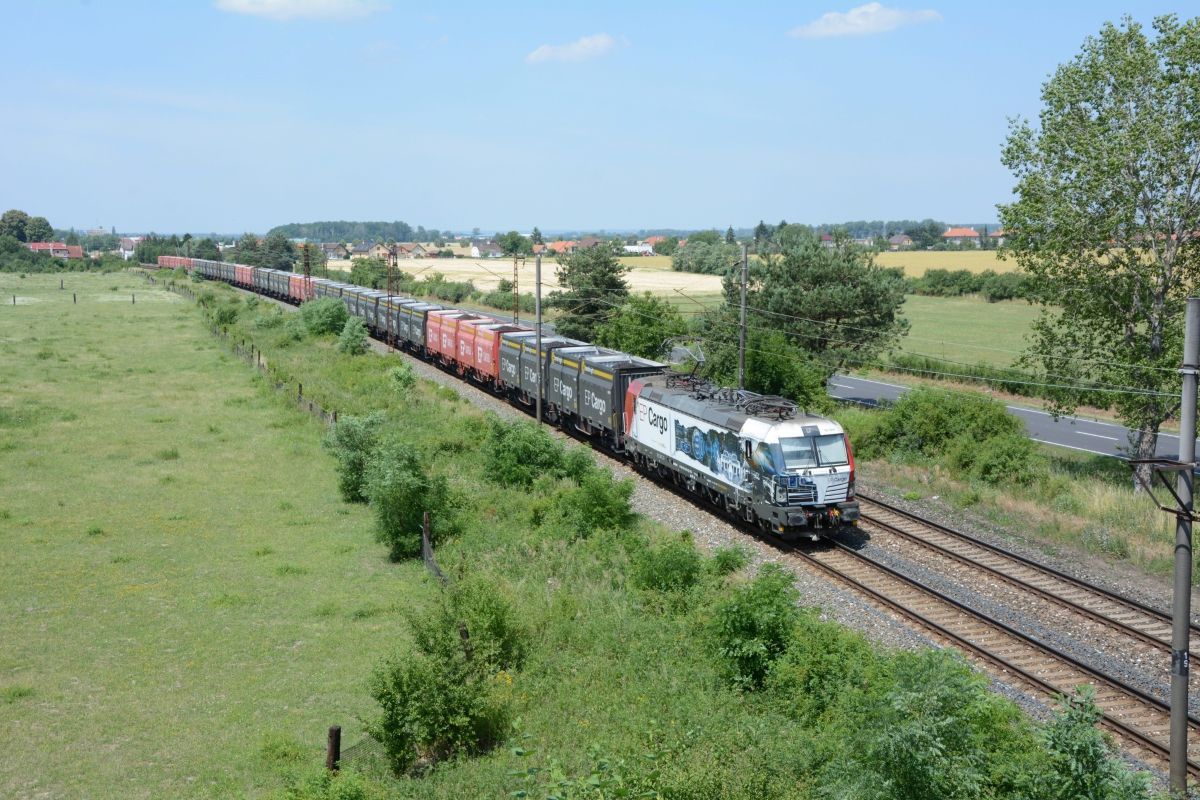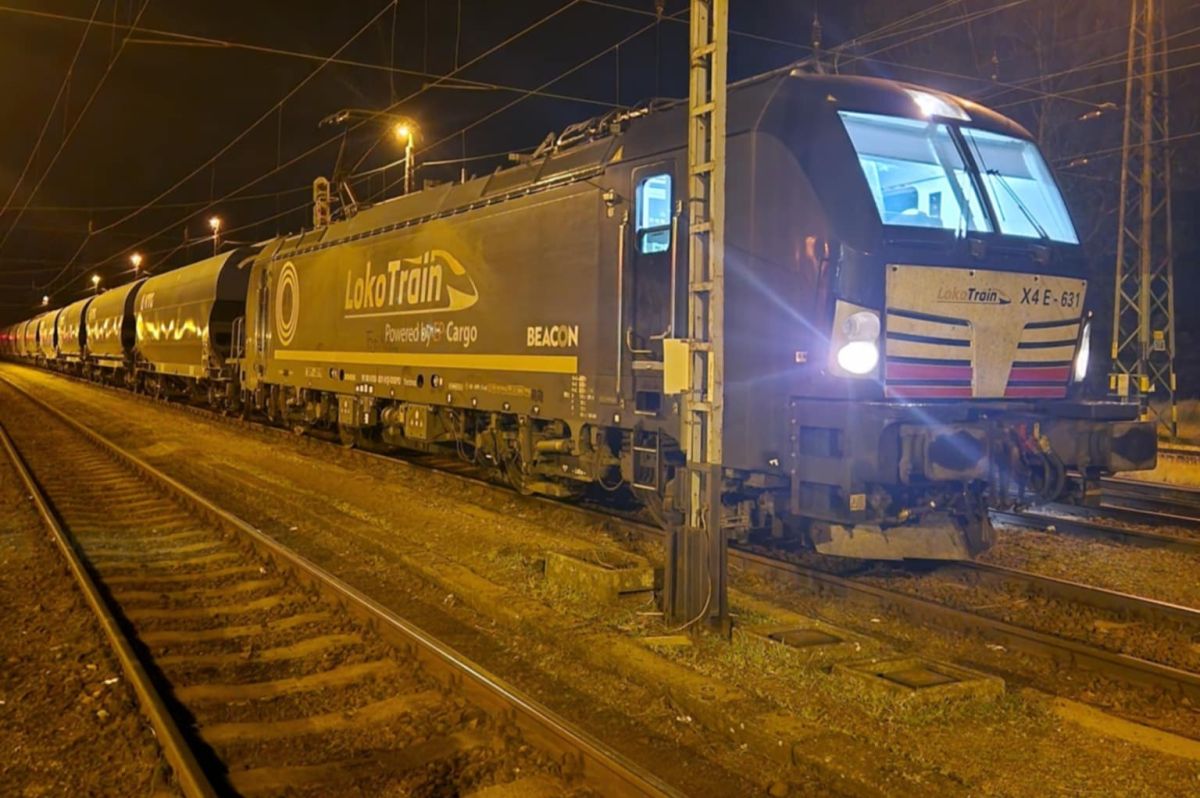

CEREx: New rail freight corridor that will link Germany, Czech Republic, Slovakia, and Hungary
The service is planned to begin operations in January 2026.
Both companies operated in the CEE traction market, which has presented persistent challenges in recent years.
Philippe now leads strategic projects at RLE.
The company plans to introduce additional train services on key routes connecting Paris with Bordeaux, Nantes, Angers, and Rennes.
The regular service is scheduled to commence today, 1 July 2025.
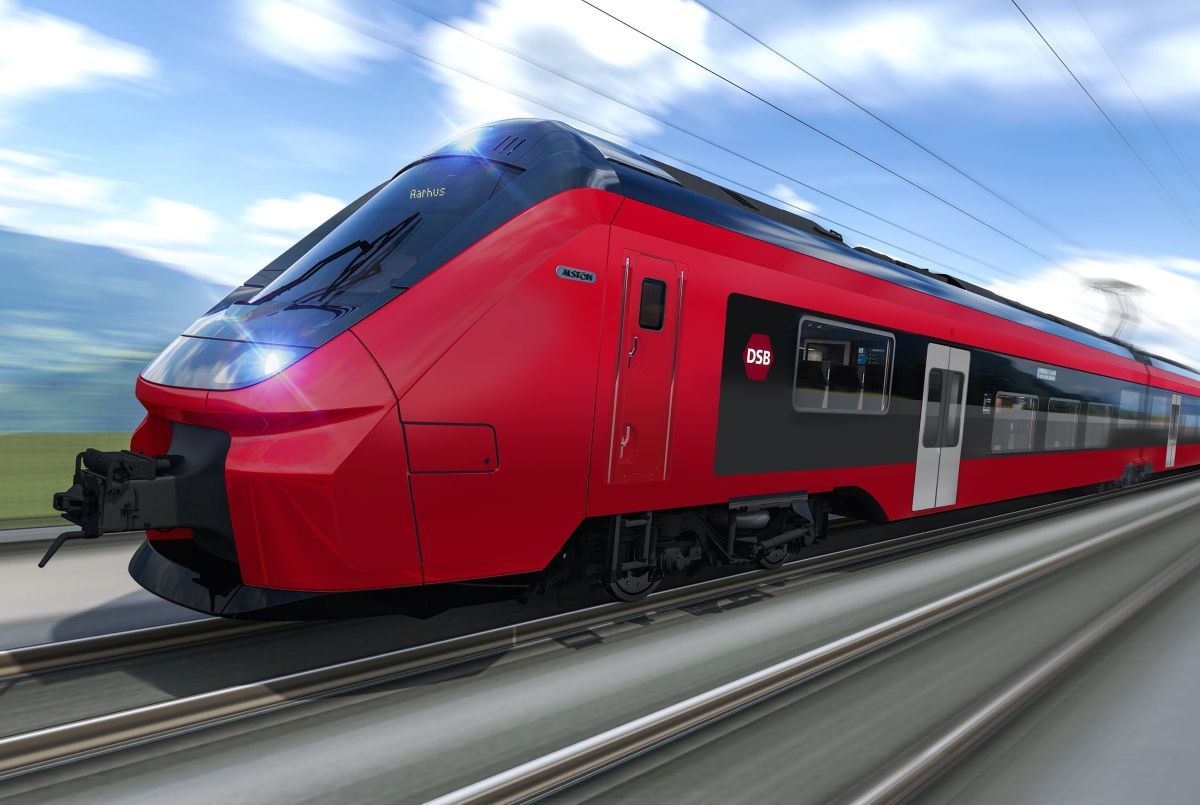
The company is expanding its existing framework agreement signed in 2021, which originally included 100 trainsets. This latest order brings the total to 150 IC5 units.
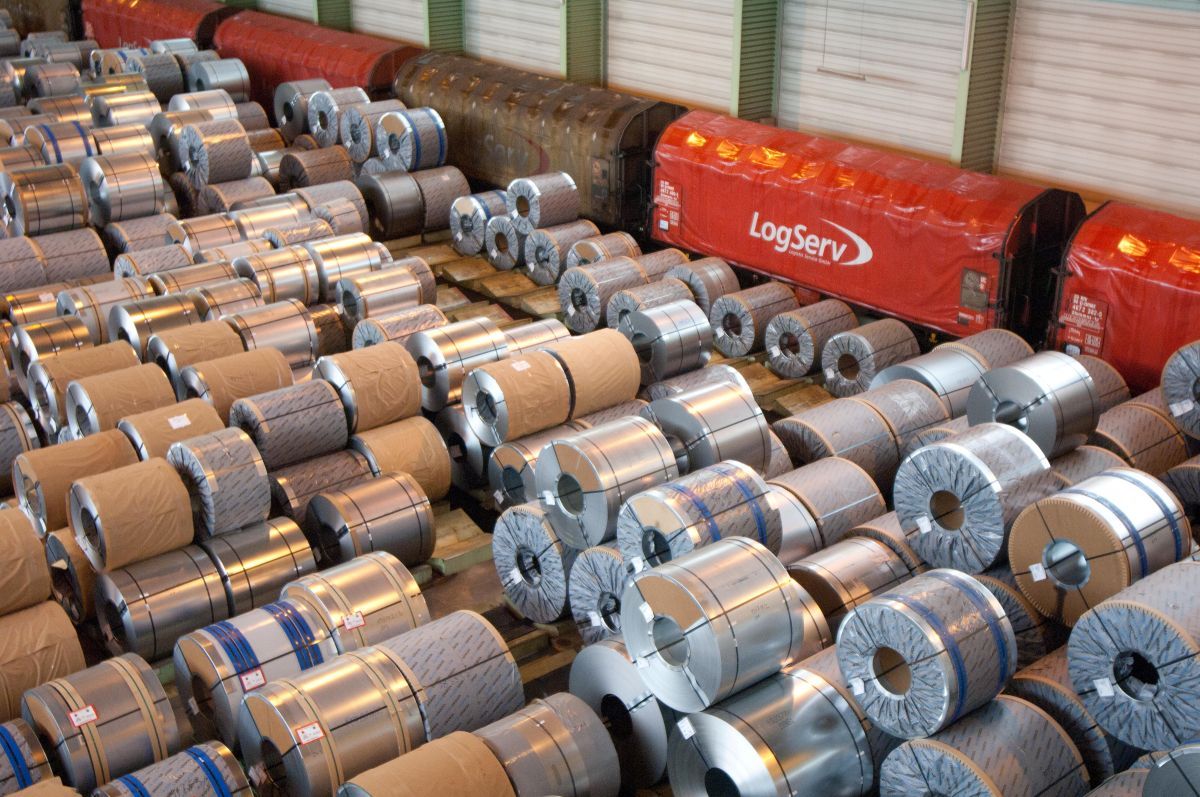
BYD has announced that voestalpine will supply flat steel products for its new automotive manufacturing plant located in Szeged, Hungary.
The Canfranc railway line in Huesca, Spain, has seen the return of freight services following a period of infrastructure works.
Project will focus on upgrading the 1,047-kilometre north-south railway corridor linking Umm Qasr Port in the south to Mosul in the north via Basra and Baghdad.
Through these combined efforts—First Mile/Last Mile and Shortline Select—BNSF intends to expand its reach in various commodity markets including biofuels and forest products.
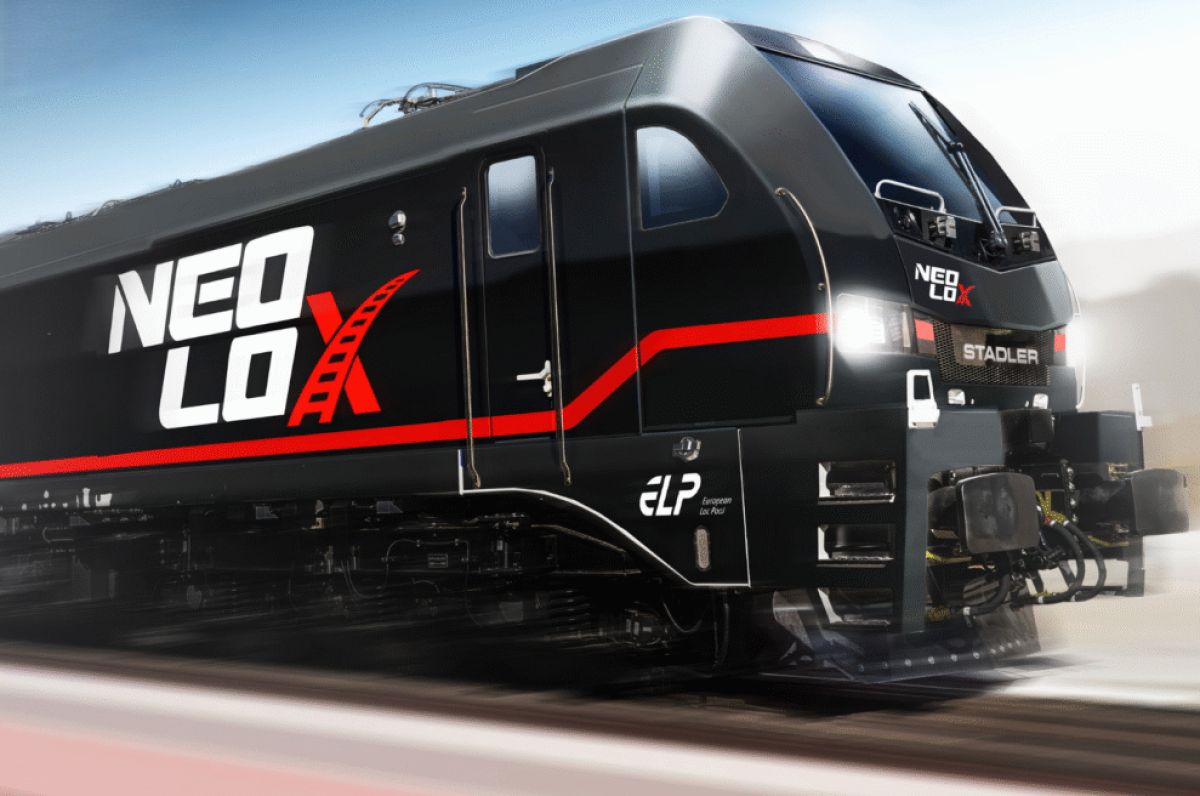
Flex Bahndienstleistungen and BBL Logistik have each received additional locomotives from European Loc Pool (ELP), adding more units to their existing fleets.
The company began services on 15 June 2025, with the first train transporting agricultural products from Hungary to Italy via Slovenia.
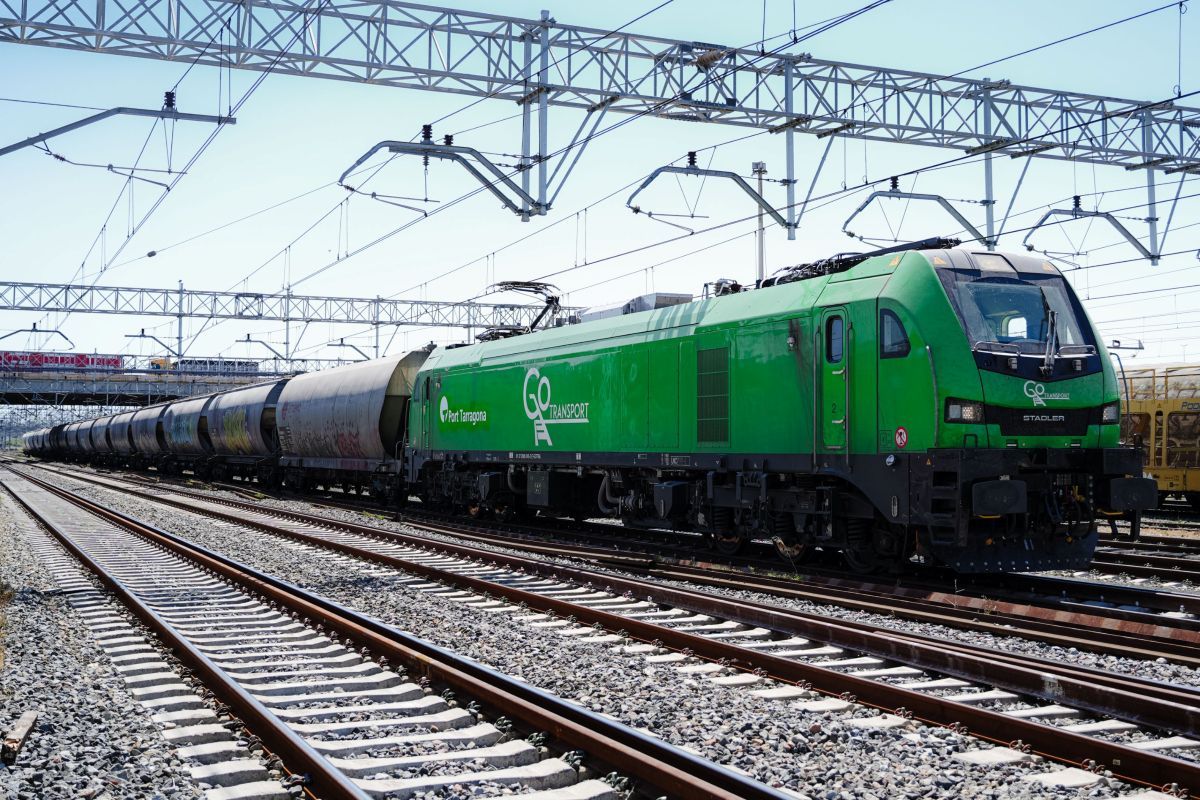
Port Tarragona has attracted new private investments aimed at reorganizing the transport chain of bulk agri-food products.
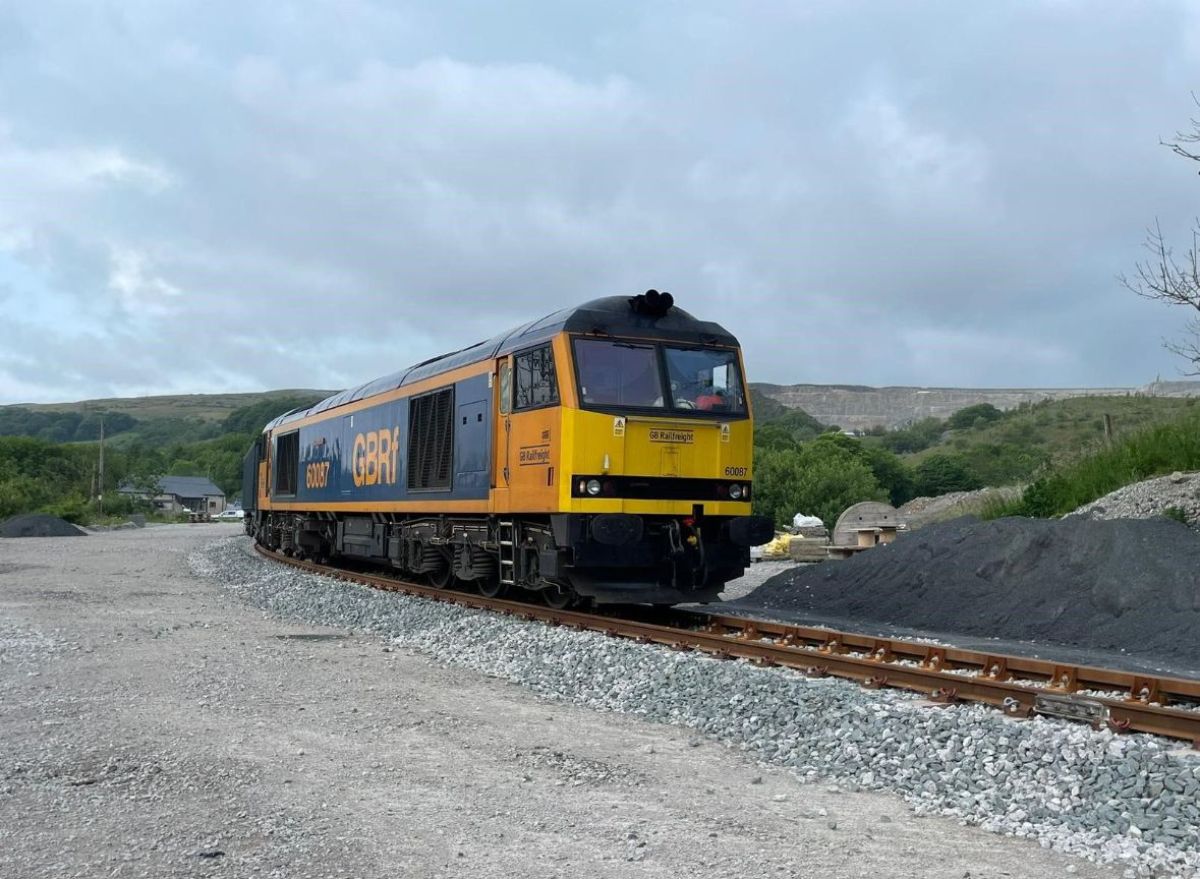
This service means reactivation of the rail link from the quarry after a six-decade pause.
The updated services will start from mid-December 2026.
The contract was signed as part of the company’s plans to expand its operational capacity.
DB InfraGO has initiated discussions with rail operators, industry associations, and regional governments regarding potential adjustments to the timeline of planned corridor renovations on high-traffic rail routes in Germany.
These are the first locomotives in the G&K Rail Group’s portfolio.
The first train on this route is scheduled to depart on 13 July 2025.
The agreement responds to the expanded logistics needs connected to MOL's operations and export activities.
Arriva has secured a contract with the Czech Ministry of Transport for the operation of long-distance train services connecting Prague with Cheb and Prague with Klatovy.
The first train on this route is scheduled to depart on 13 July 2025.
The company continued to shift truck traffic from road and waterways to rail while operating under economic pressures and infrastructure-related restrictions.
On 19 June, GRAMPET Group unveiled the new Diesel Multiple Unit (DMU), named "Leon".
The Bydgoszcz manufacturer also develops modular several versions of the zero-emission shunting locomotive.
The operational deployment of these wagons by Freightliner is immediate, with first runs expected to commence within days.
Cargo transported along this route predominantly originates from Spain, establishing a logistical axis linking southern Europe with central Europe.
The double-decker vehicles are intended for long-distance transport and are scheduled to begin operation on the western route (Westbahn line) from the end of 2026.
The Metropolitan Transportation Authority (MTA) in New York has approved the purchase of 316 M-9A commuter railcars.
The contract covers a period of three years, with an option to extend for another three years.
The existing support program continues to drive single wagonload rail freight in Hungary.
The company has also approved a standard contract template for the operation of these wagons within Ukraine.
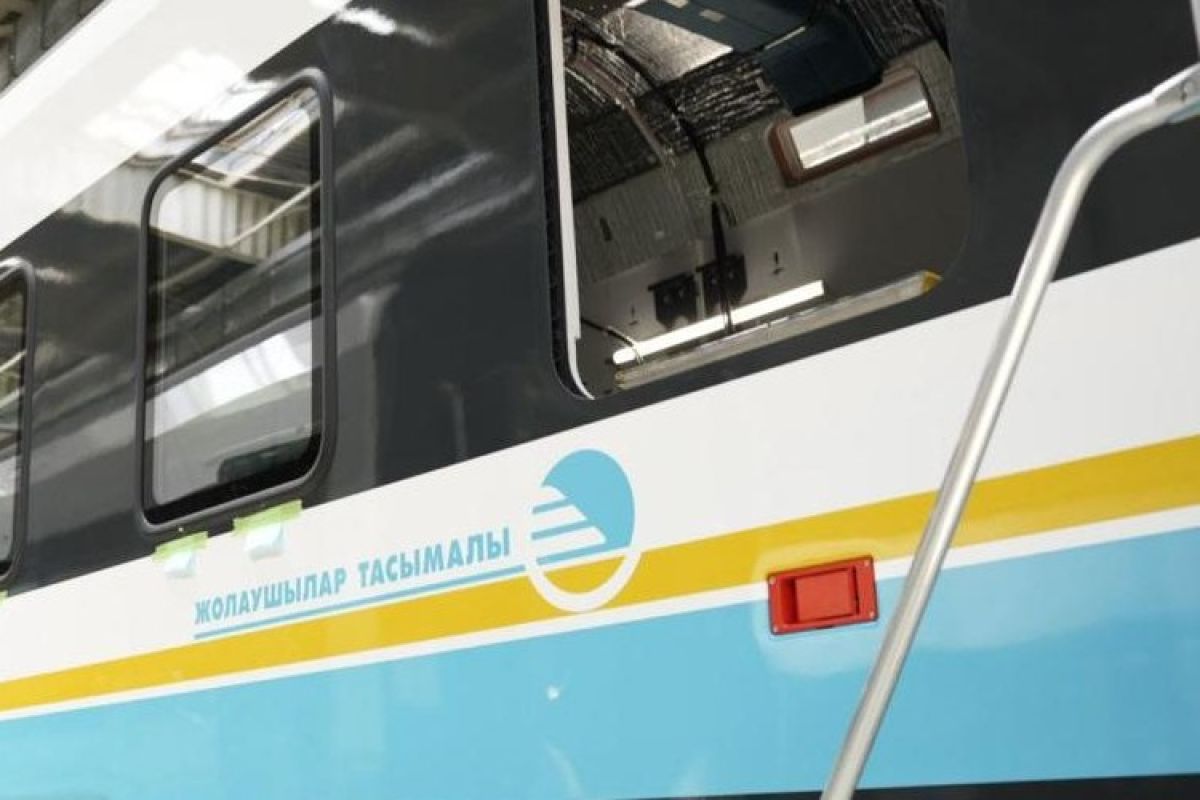
The delivery is part of KTZ’s plan to fully replace its passenger cars fleet by 2030.
These hybrid locomotives are being deployed across a broad customer base, with initial units already in use and further deliveries scheduled into 2025.
The company, which operates in 18 European countries, aims to improve the efficiency of its logistics services while adapting to changing market demands.
The contract represents a continuation of Colas Rail UK’s involvement in seasonal treatment operations, a role it has maintained for the past decade.
A weekly train service now operates from Celje or Kranj in Slovenia to Gratwein in Austria, delivering 500 tons of biomass each time.
The announcement of new rolling stock acquisitions was made during the International Logistics Exhibition (SIL) in Barcelona, where the company also marked its 20th anniversary.
The agreement involves the planning and delivery of rail infrastructure, above-rail haulage services, and financing, forming an integrated project structure under one provider.
The system integrates IoT sensors, a mobile application, and artificial intelligence features, with a total project cost of EUR 590,000.
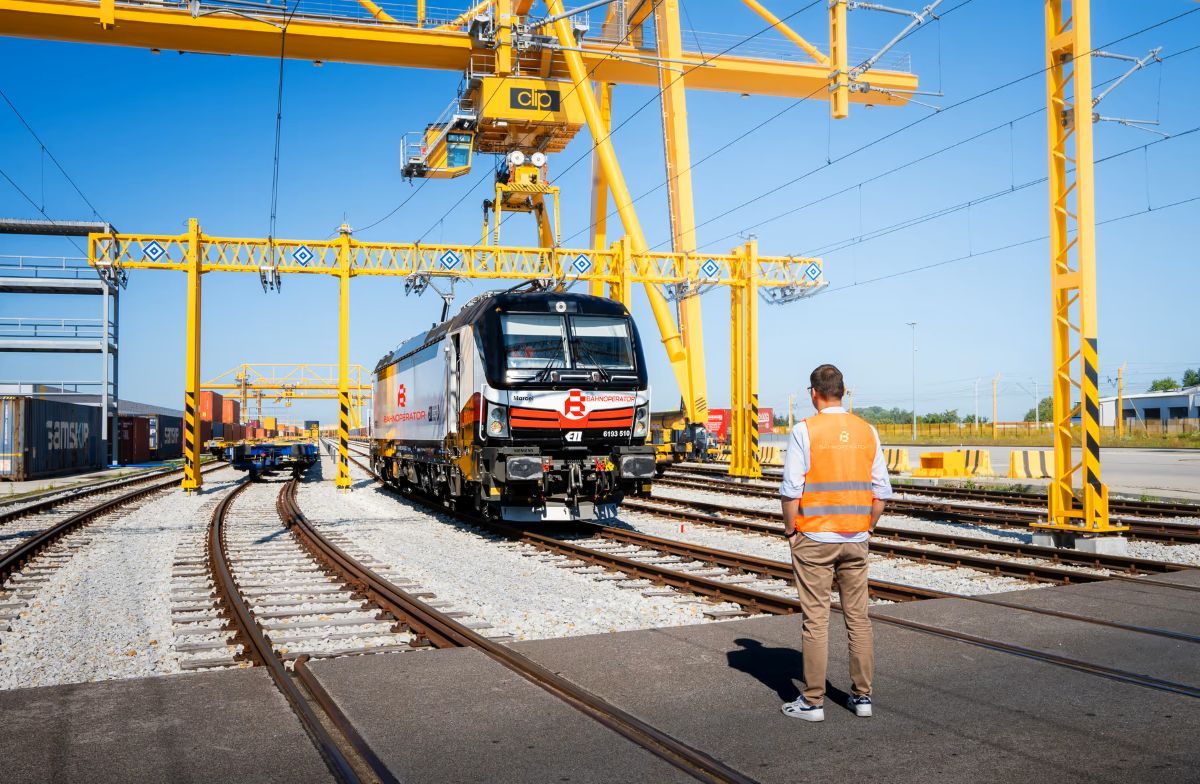
The company Bahnoperator Czech s.r.o. is led by Martin Gráca(CEO), a logistics specialist with over 20 years in corporate and private-sector freight services.
The terminal’s operational status establishes a new inland routing option for containerised traffic entering through southern UK ports.
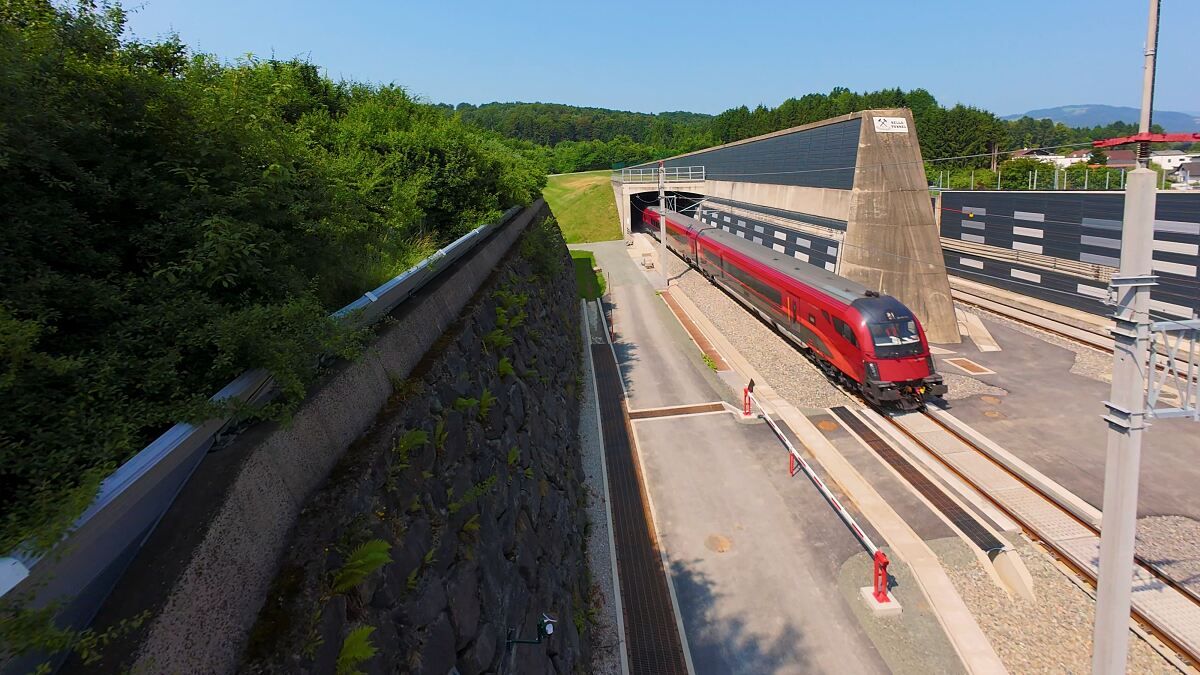
More than 280 test runs at speeds of up to 250 km/h have been completed on Austria’s new Koralmbahn high-speed line between Graz and Klagenfurt.
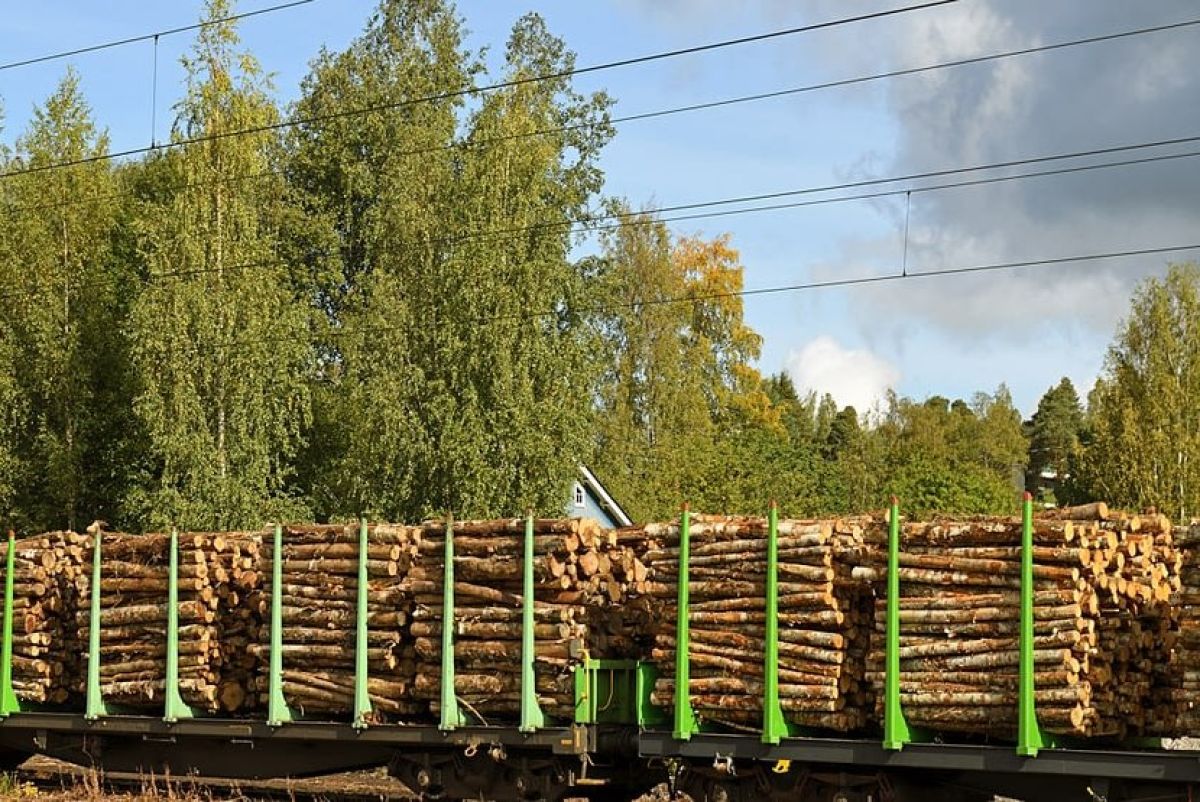
The analysis identifies the modal shift of timber transport from road to rail as the most effective available measure in terms of cost-efficiency and emissions reduction potential.
These units are part of the ongoing delivery under the current contract for a total of ten locomotives. With six now delivered, the remaining four are expected by the end of 2025.
The transaction strengthens the financial structure of the Kansas-based transportation and logistics company and deepens a partnership that has been ongoing since 2018.
The two M62s were delivered to Hungary in December and initially presented at Keleti Railway Station.
The segment between Kırıkkale (Delice) and Çorum is the first stage of what the Ministry of Transport and Infrastructure describes as the country’s first northbound high-speed passenger rail project originating from Ankara.
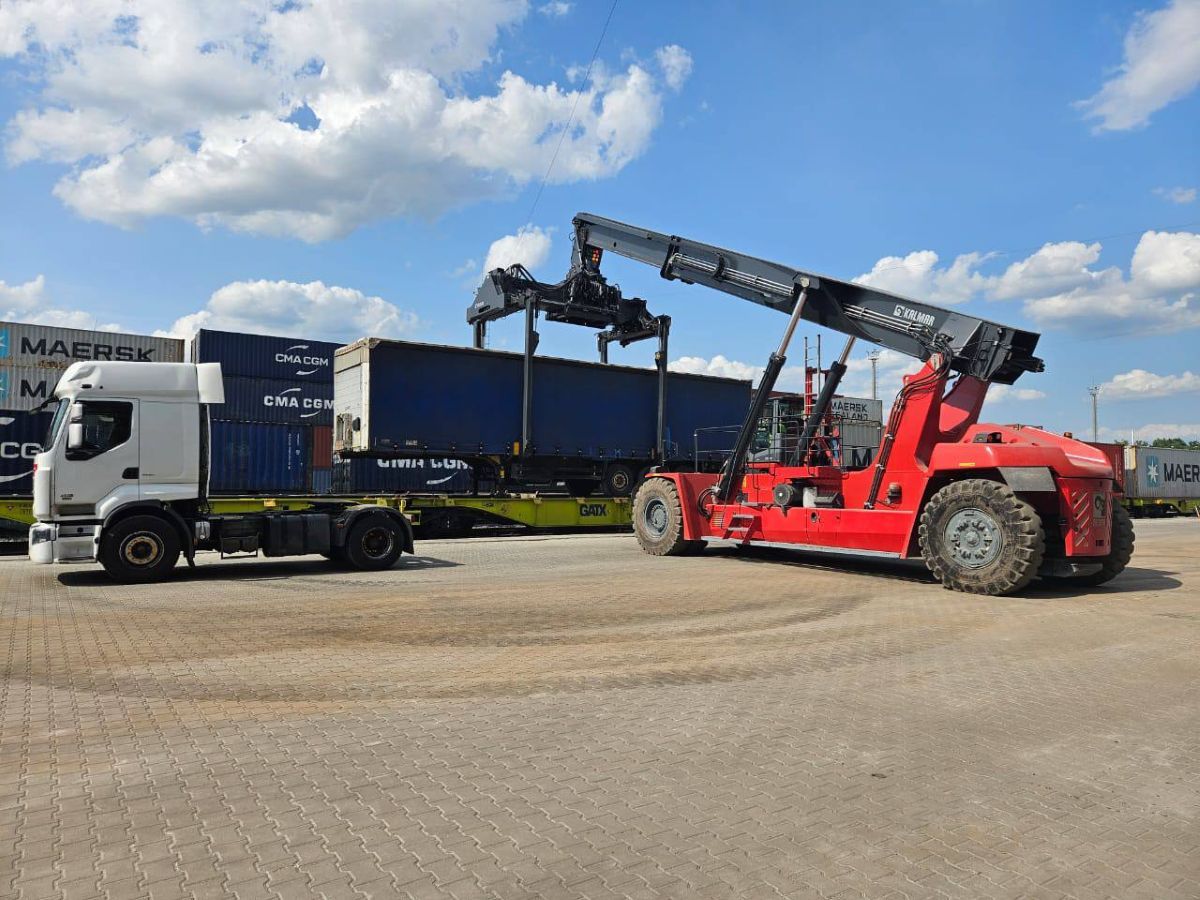
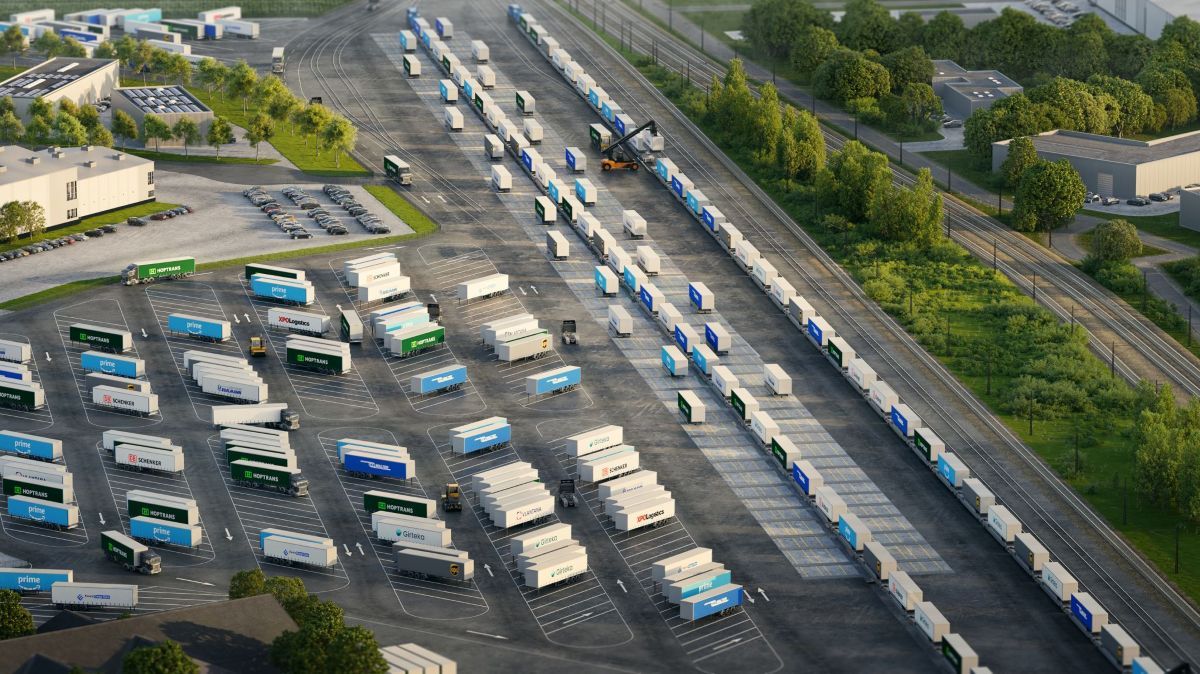
The terminal will be in Kaldenkirchen with capacity for 228,000 units.
VR Logistics and SSAB report a reduction in rail-related transport emissions from the Finnish steel manufacturer, linked to changes in traction energy, new rolling stock and efficiency measures across the supply chain.