
Talgo Avril unit undergoes compatibility tests in France
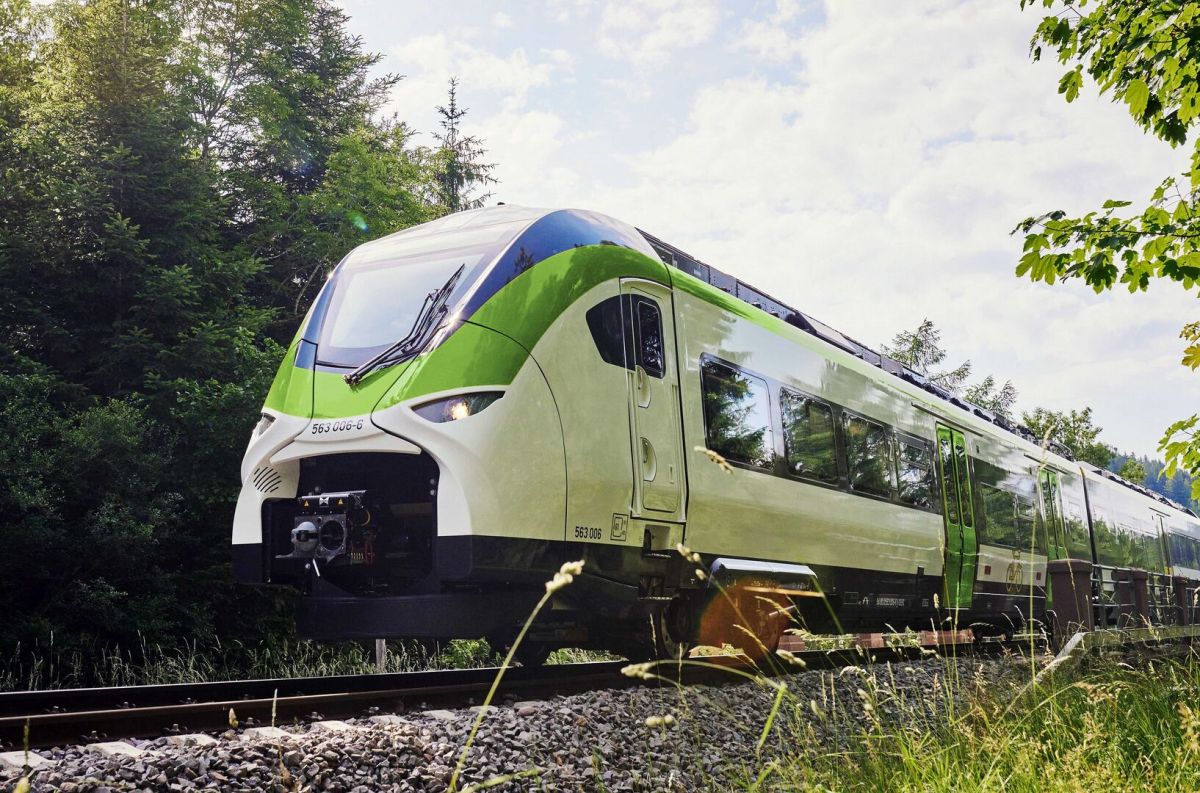
Spanish Talgo is progressing with the approvals of its Avril trainsets to operate on French railway infrastructure.
The upgrade is intended to support passenger and freight traffic for the next 25 years, particularly in anticipation of increased volumes following the opening of the Divača–Koper second track.
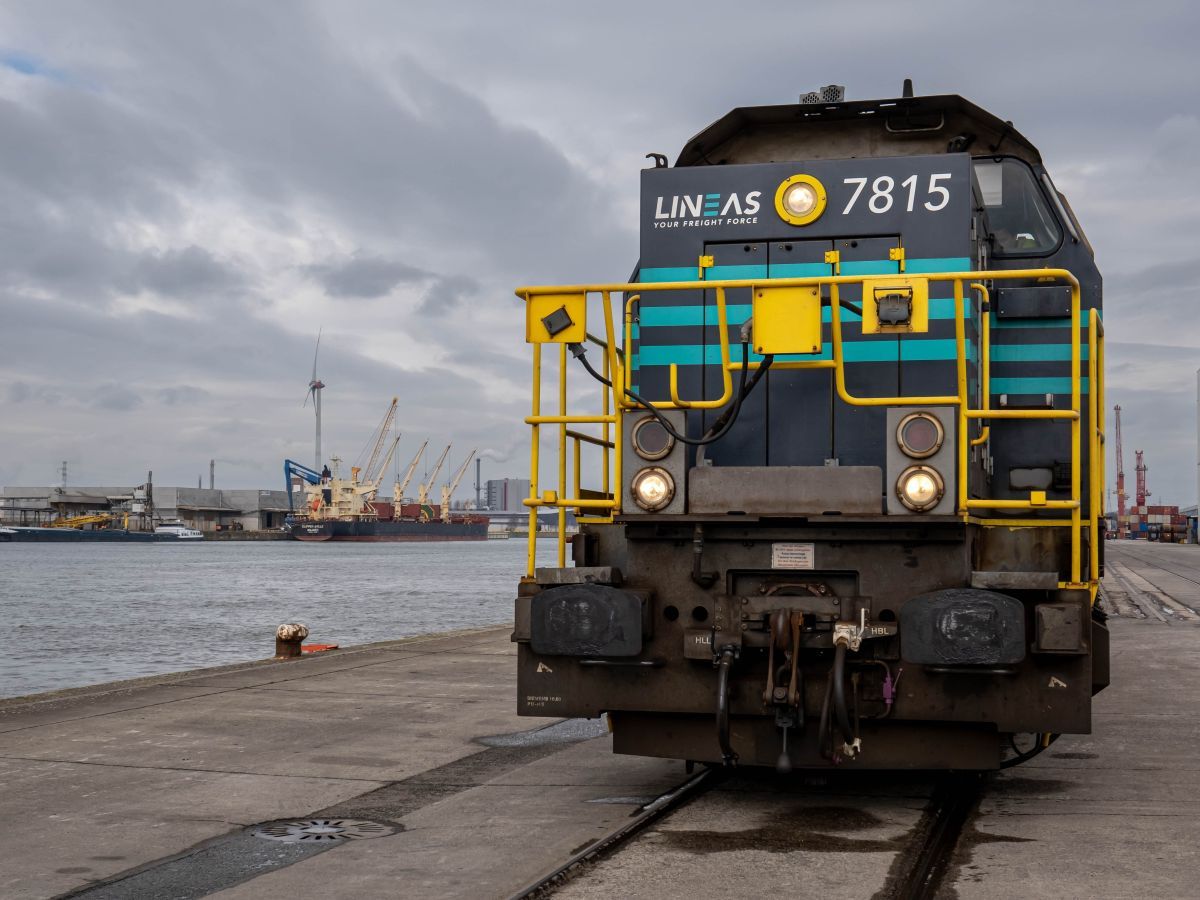
From January 2026, new railway undertakings will handle first and last mile traffic in the Antwerp port area as part of an operational plan to optimise freight flows and increase the rail share in port transport.
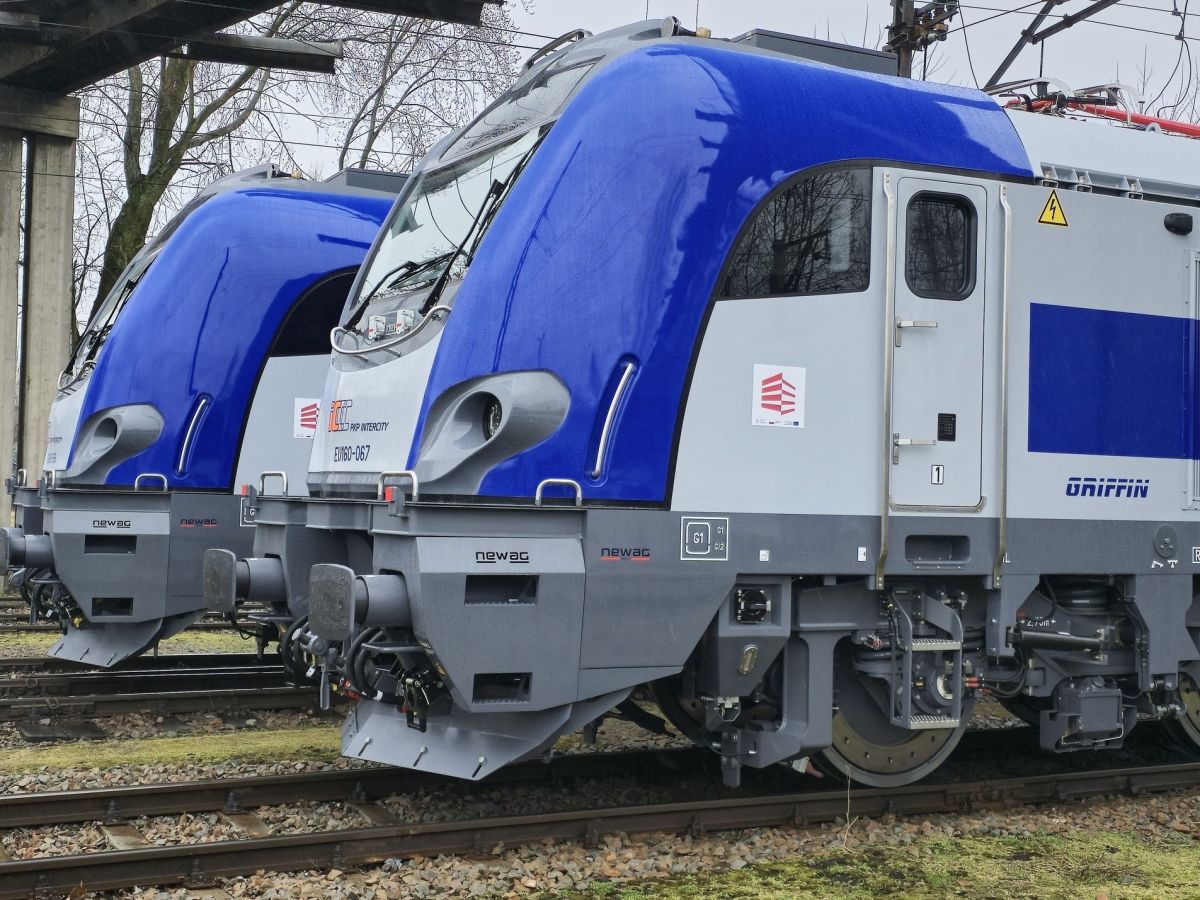
NEWAG has handed over two additional E4DCU Griffin EU160 electric locomotives to PKP Intercity.
The Railjet brand will be used for services to Germany, Slovakia and Hungary, operated with both existing Railjet trainsets and the new ComfortJet units.
The Kansas City Intermodal Terminal (KCIT) is the fourth facility the company has inaugurated since 2021, aimed at expanding its intermodal network in the United States.
Construction work on the connection between the Madrid–Barcelona and Madrid–Levante high-speed lines has passed the halfway stage, according to the Ministry of Transport and Sustainable Mobility.
Five trainsets will enter service initially, with the full fleet of 28 expected to be in operation by 2027.
Company data shows that in the first half of 2025, imports of petroleum products to Ukraine rose by 5.4%.
The timetable change will raise the frequency to eight weekly departures.
Once operational, the network will link key urban centres and communities, reducing travel times and strengthening connectivity across the country.
The combined value of the awarded contracts is estimated at NOK 1 billion (approx. €85 million).
The company forecasts between 27.0 and 29.5 million metric tonnes (MMT) of grain and processed grain products to be moved over the course of the crop year, assuming standard operating conditions.
Built in the 1980s and refurbished in 2020, the trains previously operated on long-distance routes such as Barcelona–Málaga, Barcelona–Seville, and the Trenhotel service between Barcelona and Paris.
The trains will follow a fixed timetable, departing from Poti at 21:30 and arriving in Tbilisi at 09:47 the following morning.
The financing will fund reconstruction and electrification of the approximately 34 km railway connecting the port city of Durrës with central Rrogozhinë.
Planning for the reactivation of the Mainschleifenbahn line between Volkach and Würzburg is moving ahead, with the federal government agreeing to take over the costs for reconstruction at Seligenstadt station.
The final design for the Strait of Messina Bridge has been approved by Italy’s Interministerial Committee for Economic Planning and Sustainable Development (CIPESS).
The new stock is expected to begin entering service on the operator’s London–West Midlands routes from spring 2026.
Both facilities also allow access to the general public in the form of driver experience rides, with the initial runs reportedly attracting interest from rail enthusiasts.
The growth in high-speed rail follows the liberalization of the market and increased competition across major corridors.
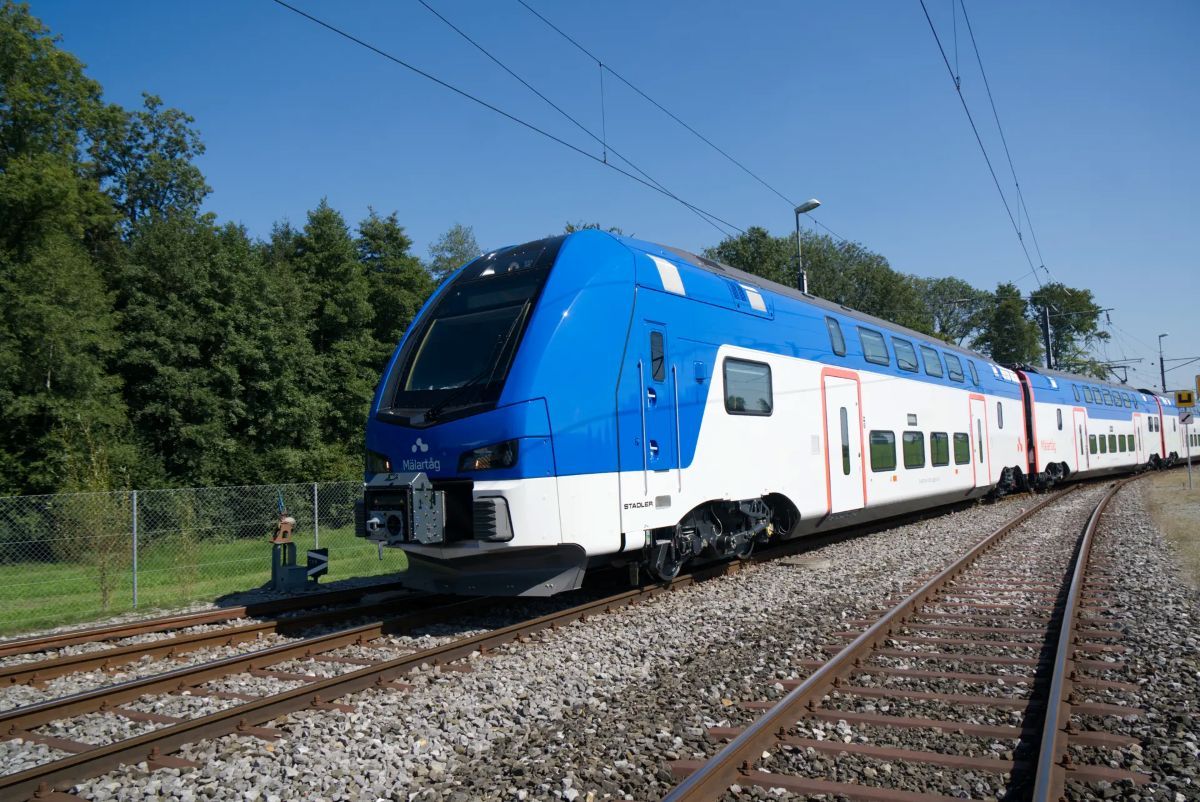
The new trains are planned to enter service in the Stockholm-Mälaren region from spring 2028 under Mälardalstrafik.
The project forms part of a broader initiative led by UIPA to position Utah as a key inland logistics hub, integrating intermodal rail solutions into the state’s transport infrastructure.
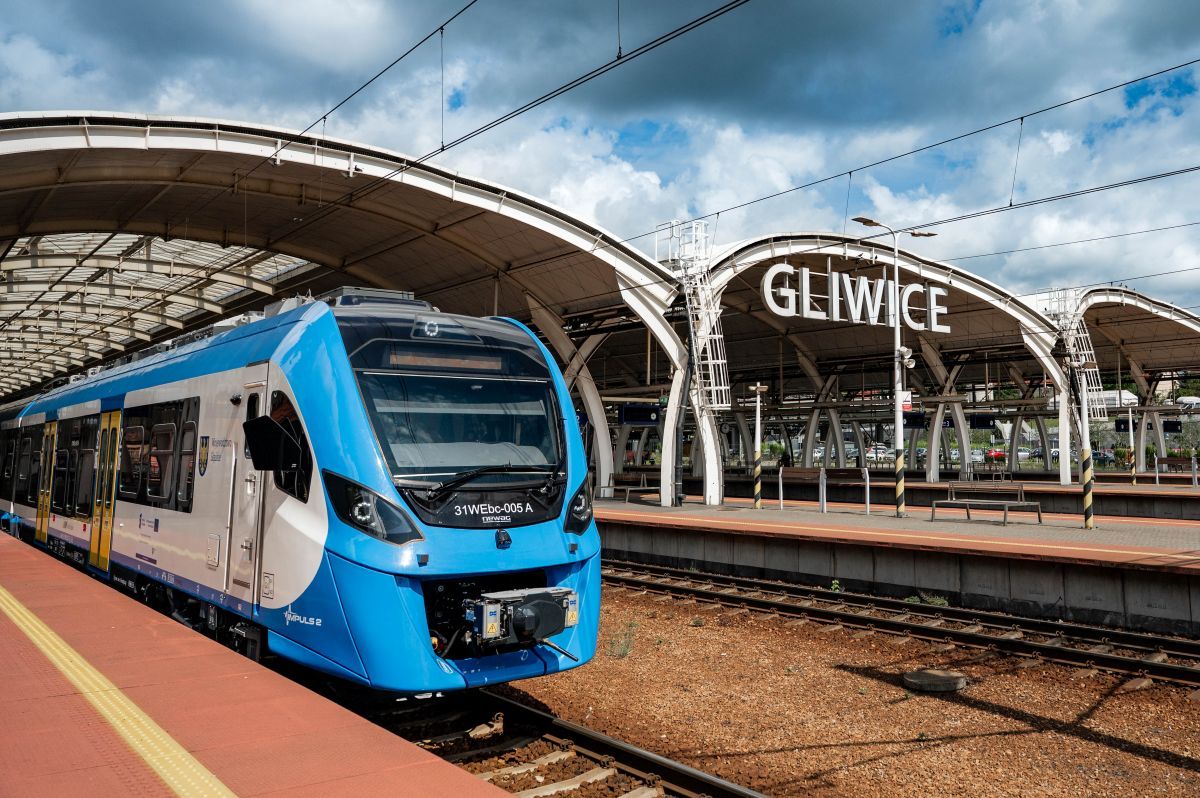
The new trains are part of a larger contract involving 31 units ordered by both the regional government and the regional operator Koleje Śląskie.
The rail division achieved a book-to-bill ratio of 1.2, contributing to a total company backlog of EUR 15.59 billion, of which EUR 13.54 billion is linked to rail activities.
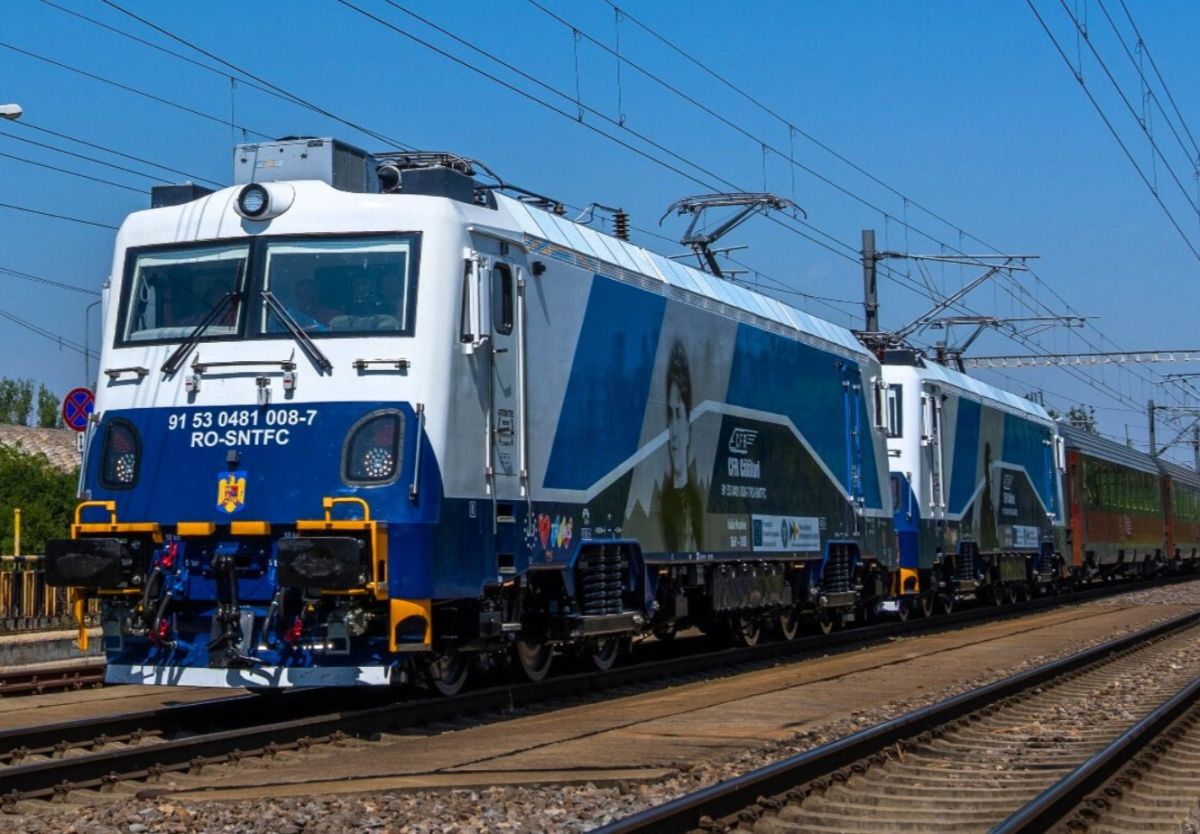
Half of the fixed order for 10 locomotives was delivered and deployed by two customers.
The transition is the first phase of the company’s wider electrification strategy across western Styria, ahead of expanded services tied to the launch of Austria’s new Koralmbahn in December.
A total of 38 open wagons designed specifically for mineral transport were delivered for the beginning of the railway’s operational phase.
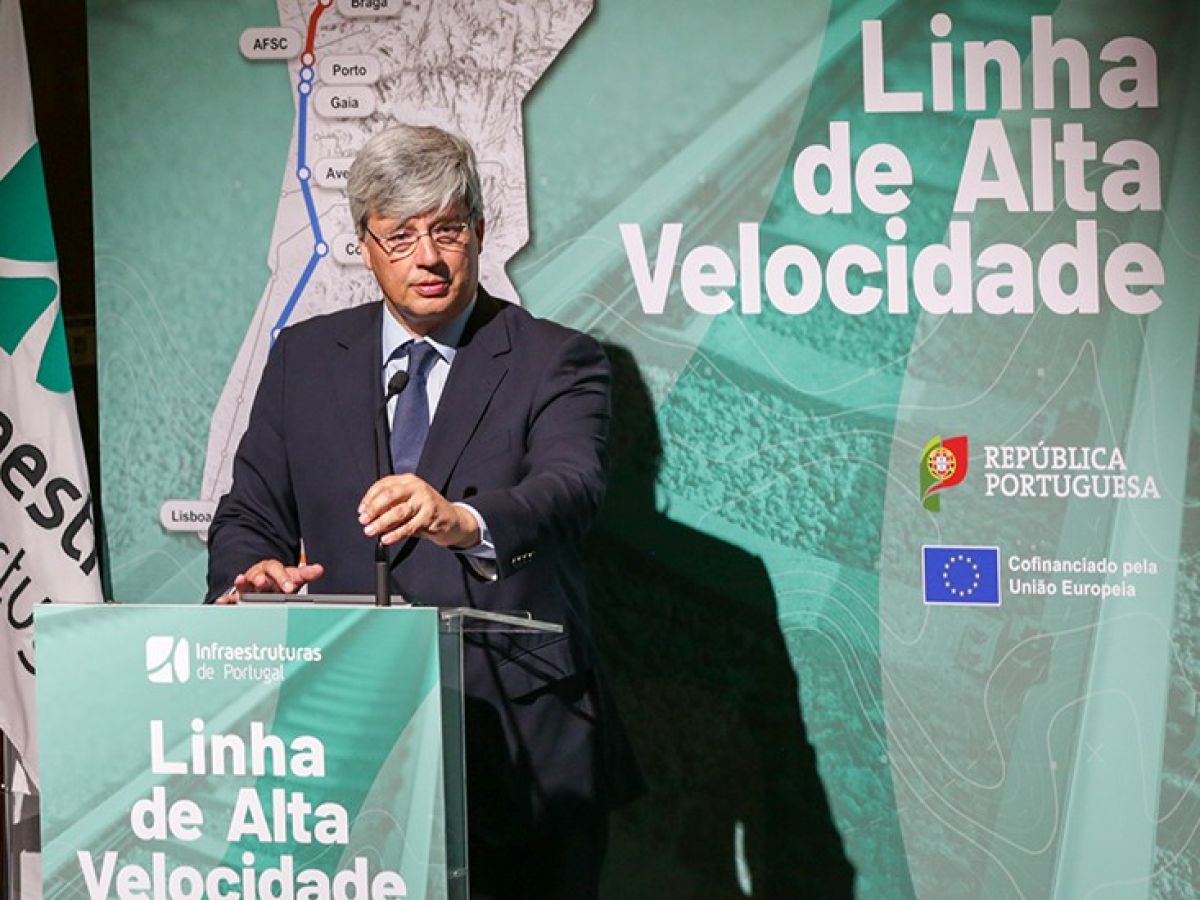
Travel time between Lisbon and Porto is forecast to reach 1 h 15 min once the full line is open, with an estimated annual ridership approaching 10 million passengers.
The project is designed to support future maintenance, transshipment, and storage needs, particularly for the company’s key customer and direct neighbour, Audi Hungaria.
The British Department for Transport (DfT) confirmed the move as part of the ongoing Public Ownership Programme, introduced following the Public Ownership Act passed in November 2024.
The net loss after tax amounted to EUR 760 million, while income from the DB Schenker divestment temporarily pushed the result to EUR 6.9 billion in the black.
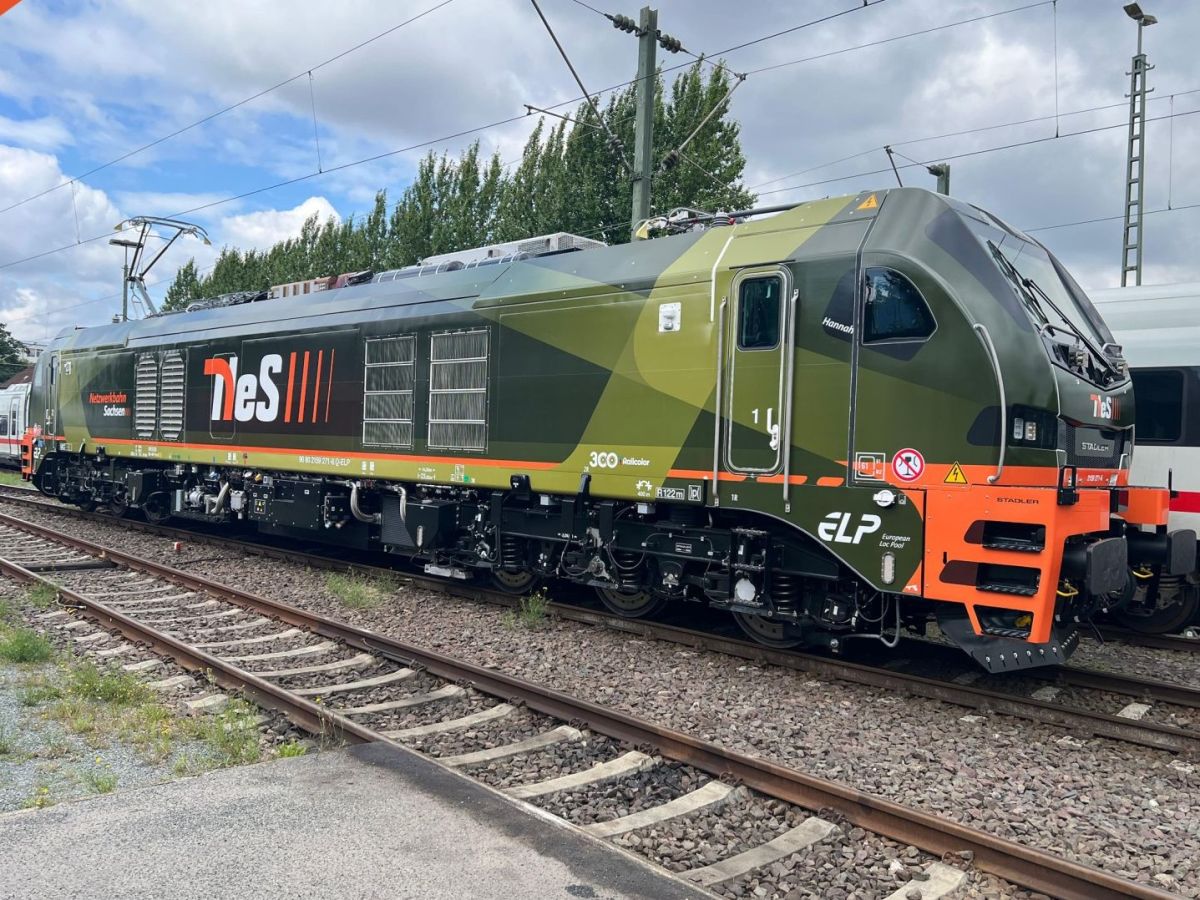
The six-axle Stadler EuroDual unit expands the operator’s existing lease fleet, continuing its approach of using dual-mode locomotives for both electrified and non-electrified freight operations.
HS2 plans to display the concept interior of its Class 895 high-speed train for the first time, as part of the ‘Railway 200’ anniversary event hosted at Alstom’s Derby Litchurch Lane Works from 1 to 3 August 2025. The site will be opened to the public for the first time in nearly five decades.
These deliveries bring the total number of refurbished units under the program to eight out of a planned 19.
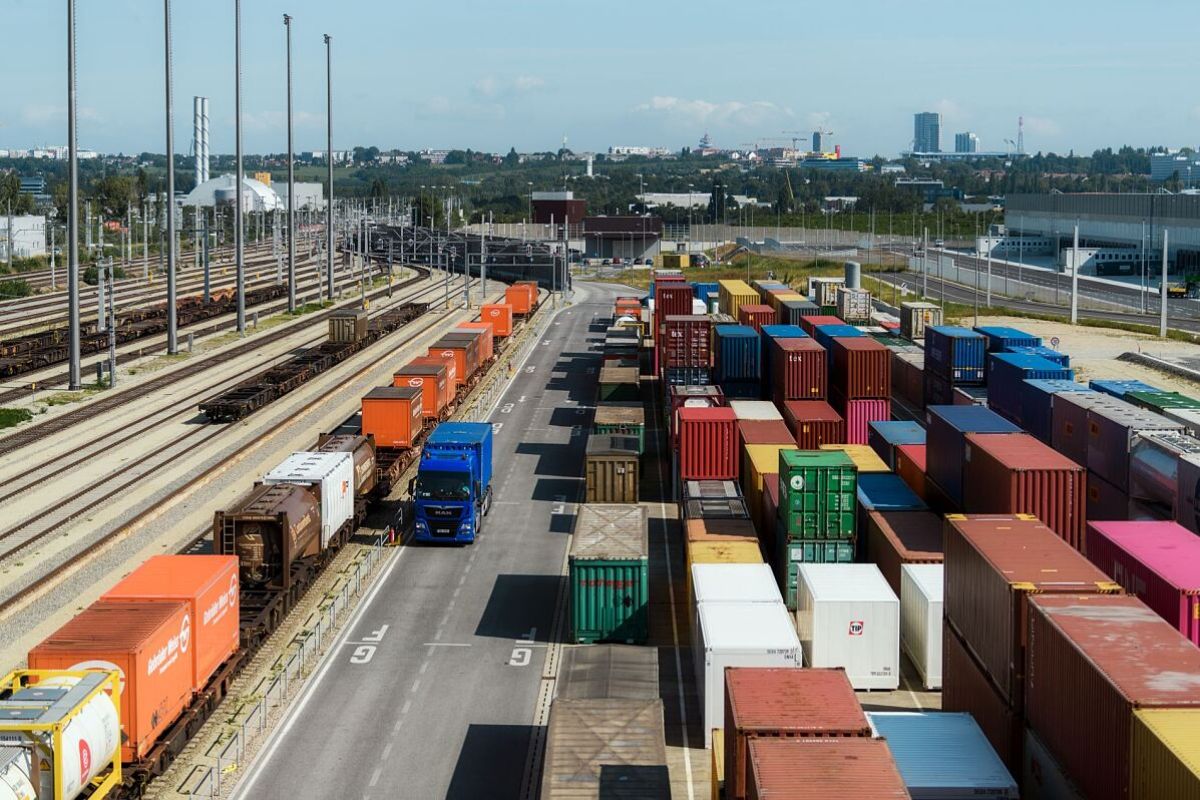
Intermodal flows from Austria change its destination in Germany.
BLS Rail AS, the Norwegian subsidiary of Sweden-based BLS Rail AB, has filed for bankruptcy.
A new direct rail freight link between the Port of Koper and the Debrecen Intermodal Terminal (DIT) has been launched, with the first train arriving in Hungary on 28 July 2025.
The deal positions RCG as one of the main operators at the logistics hub
From January to June 2025, PKP Intercity transported 9% more passengers compared to the same period in 2024 and a 31% rise over 2023.
A joint network would span over 50,000 miles (80,000 kilometers).
The UK’s Office of Rail and Road (ORR) has granted approval for a set of additional open access services to be introduced on the East Coast Main Line (ECML) from the December 2025 timetable change.
The modular composition allows selection of single-deck only or a combination of single- and double-deck coaches.
On 21 July, the first ultra-express China-Europe block train running via the Middle Corridor arrived in Istanbul, completing a 22-day journey from Chongqing.
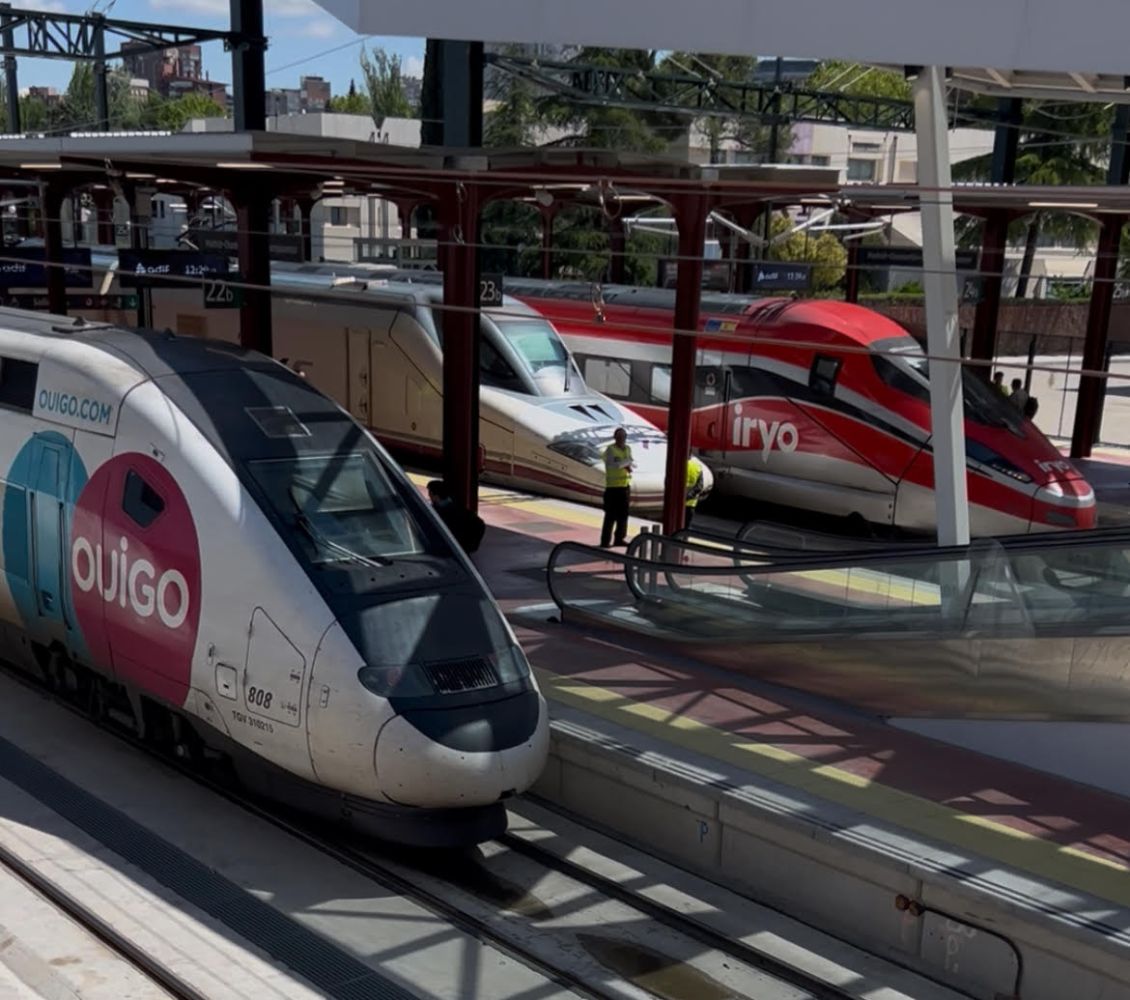
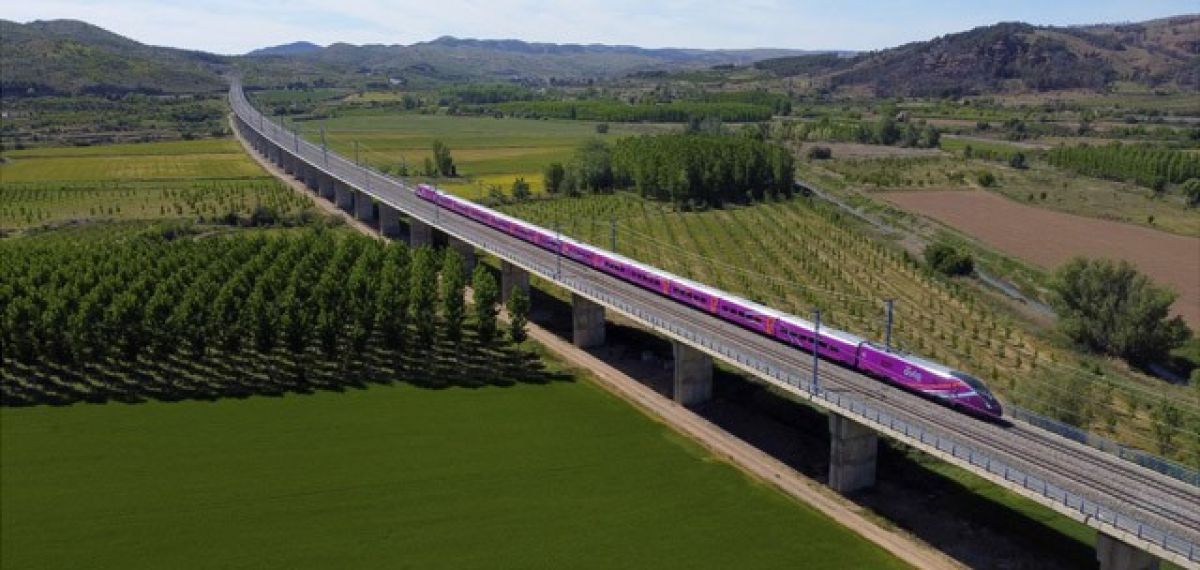
Following bogie component inspection, Renfe had to reorganize Madrid–Barcelona route of its low-cost branch.
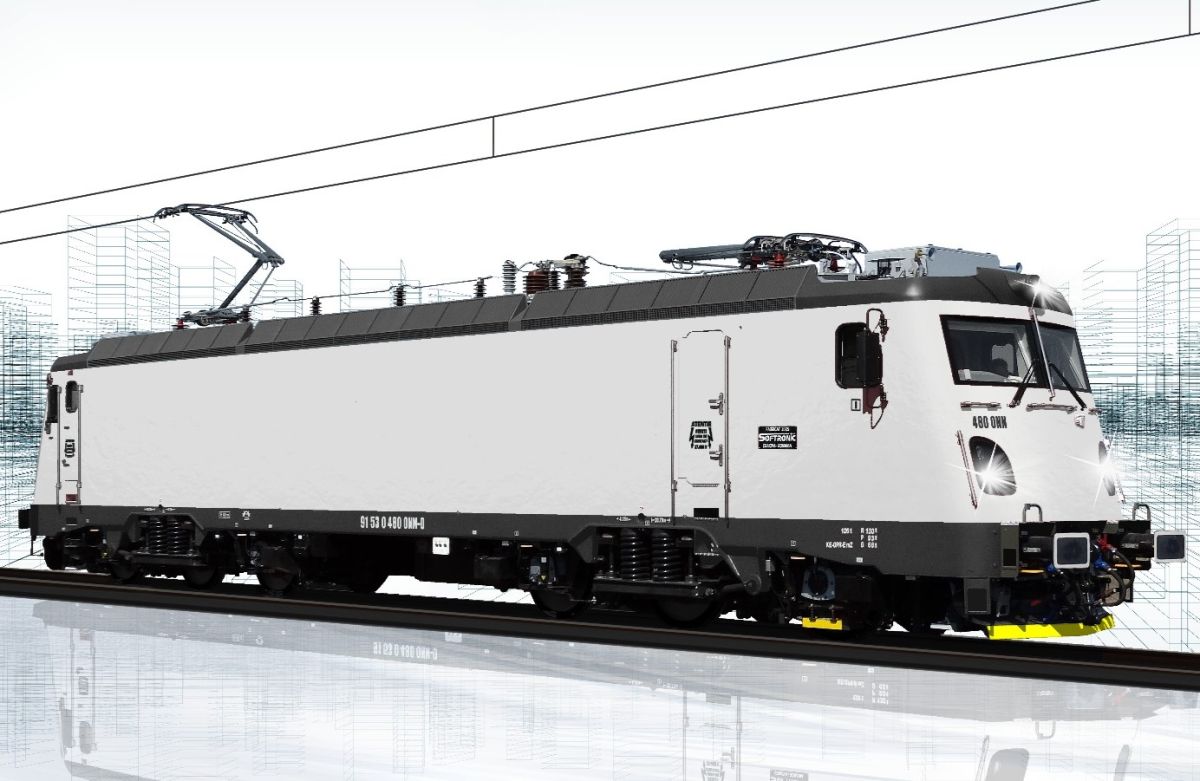
The Slovak rolling stock leasing company breaks the Siemens Vectron-only rule in its fleet.
The French state-owned railway operator SNCF recorded a net profit of EUR 950 million in the first half of 2025.
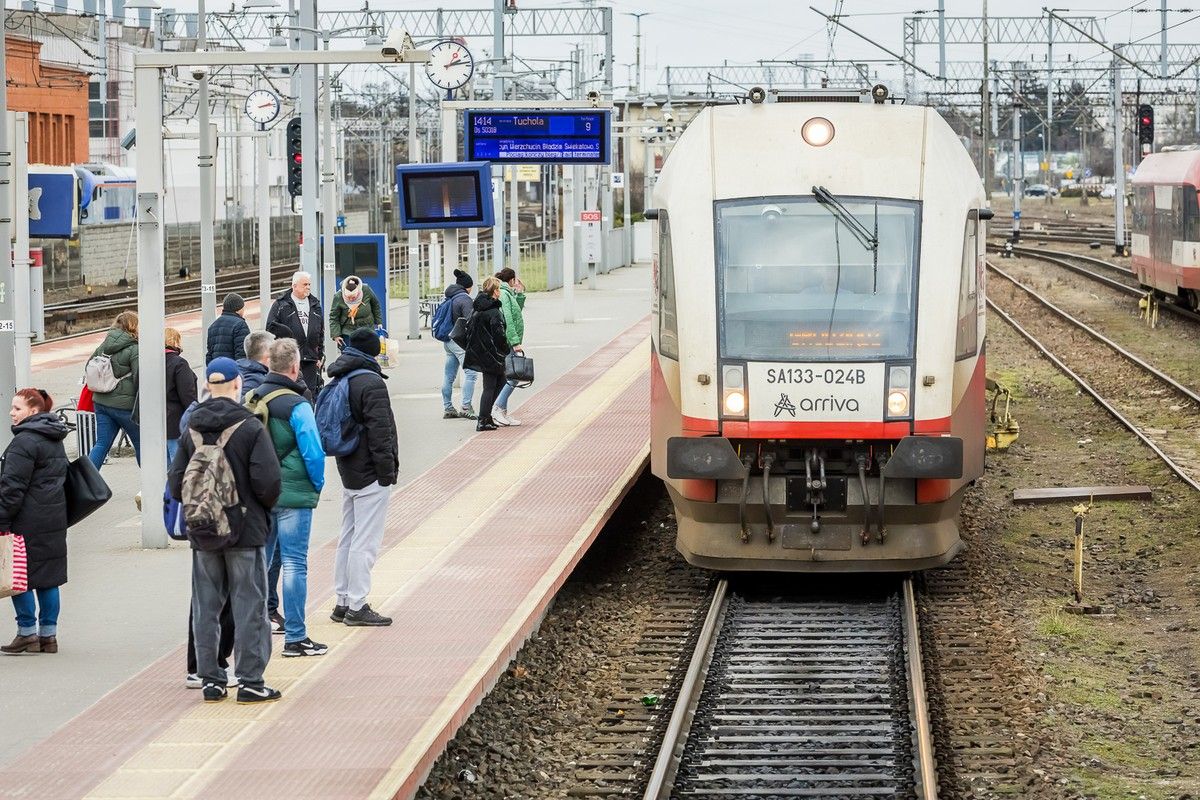
Arriva win two routes operation Brodnica–Rypin and Wierzchucin–Laskowice Pomorskie from 2026 to 2030.
Lineas has been awarded control over four additional areas—zones 3, 4, 5, and 6B—within the Port of Antwerp under the framework of the Railport tender.
The supplier is expected to complete delivery within 2.5 years of receiving advance payment—which includes certification procedures for the new generation wagons.