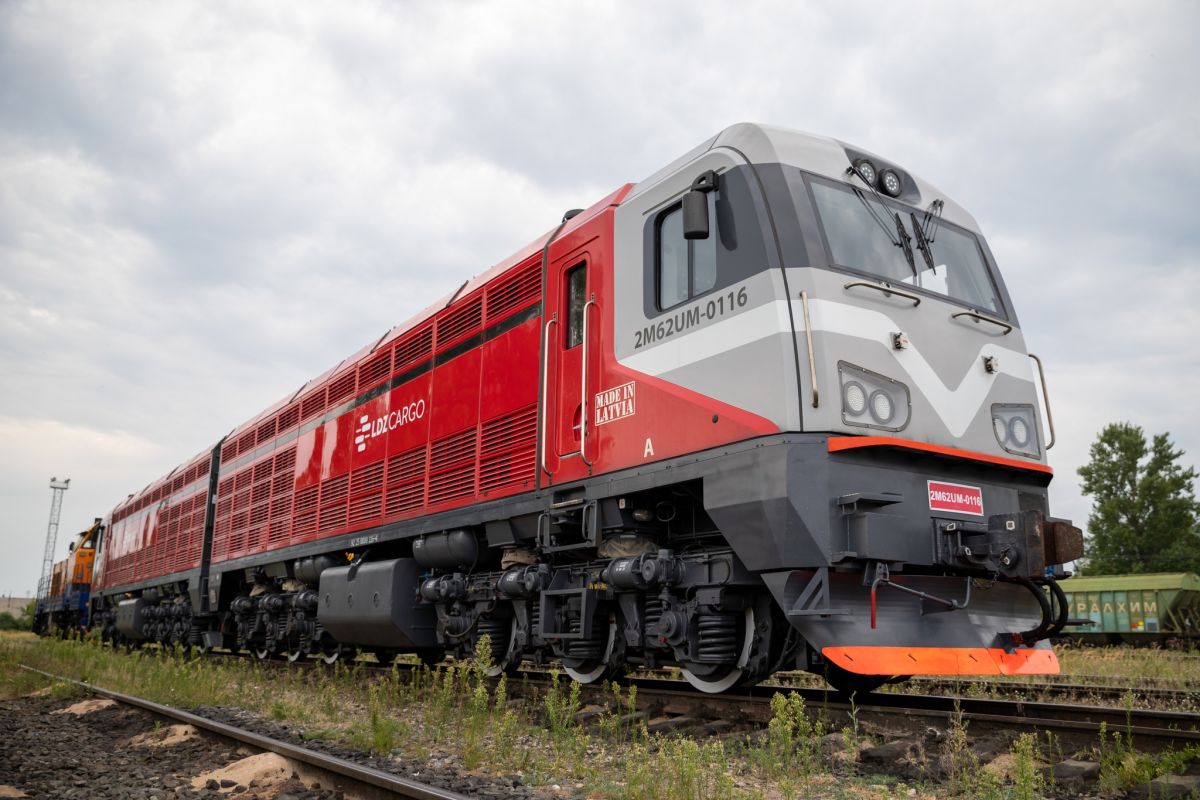

LDZ CARGO absorbs two LDz subsidiaries under structural reorganisation
As part of the process, LDz ritošā sastāva serviss and LDz Loģistika have been merged into LDZ CARGO.
The EMU is the first of seven trains ordered by the Italian regional railway, intended for use on the Altamura–Matera line in southern Italy.
The leasing of the Eamnos wagons follows feedback from customers in the construction materials sector.
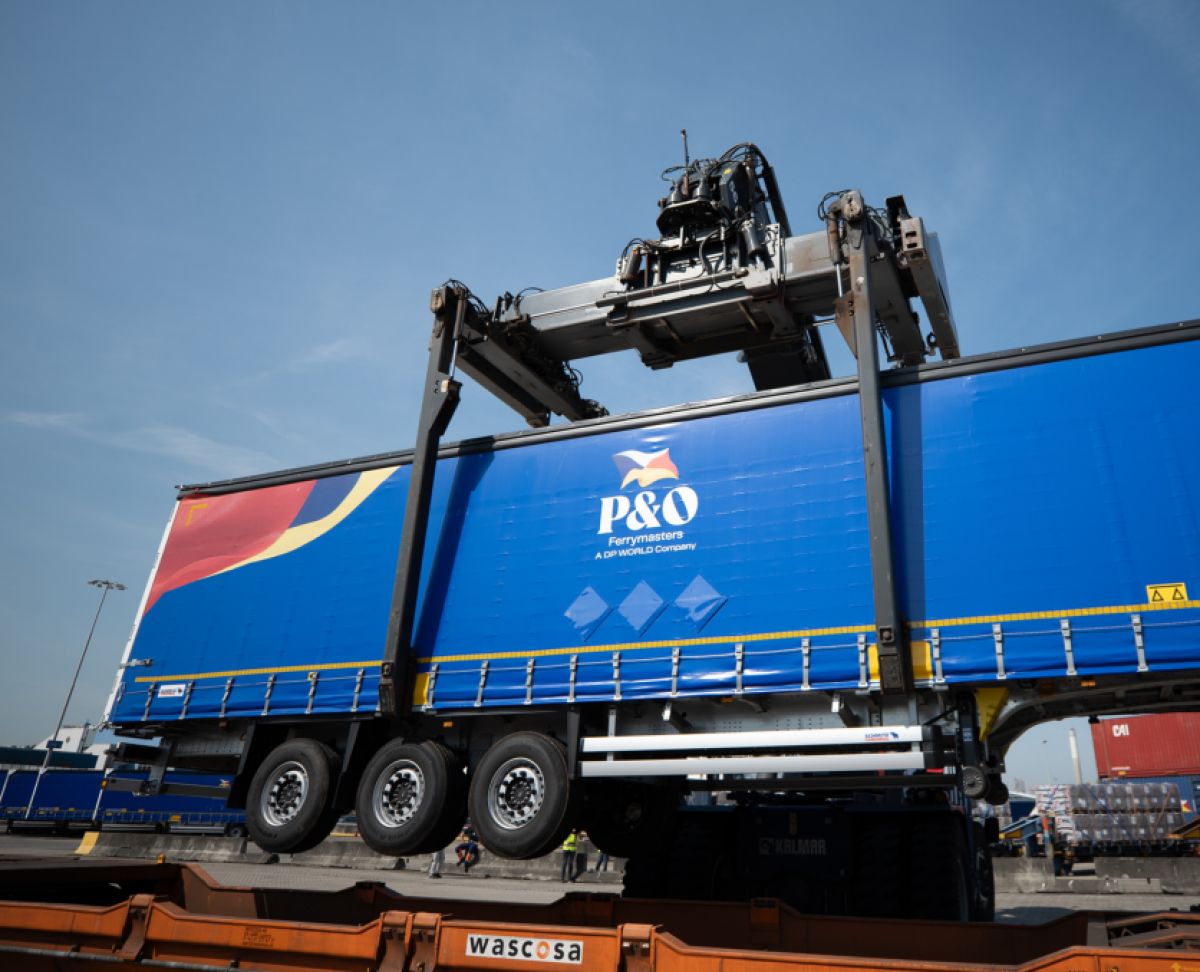
The system enables transhipment between truck and rail without the need for sidings, streamlining the process of transporting steel mill dust and plastic granulate between Linz, Duisburg, Freiberg, and Fürstenwalde.
The first commercial train will depart from Beograd Centar station and head to Subotica at a speed of 200 km/h.
The 526 km corridor is considered the backbone of the country’s railway revival initiative.
Once completed, the 111-kilometre new route between Karlovac and Tijani is expected to shorten the overall journey by 56 kilometres.
Expanded competition should involve routes connecting Madrid with Galicia, Asturias/Cantabria, and Cádiz/Huelva, with a combined total of up to 72 new daily paths.
The depot redevelopment supports the operator’s rollout of 36 five-car trains on West Coast Main Line routes to and from London Euston.
A new terminal for combined transport has officially opened at the Port of Straubing-Sand.
The Vectron Dual Mode aim to replace older diesel locomotives on non-electrified or partially electrified routes.
The terminal, previously located in central Sundsvall, is now situated within the logistics park adjacent to the newly developed container port.
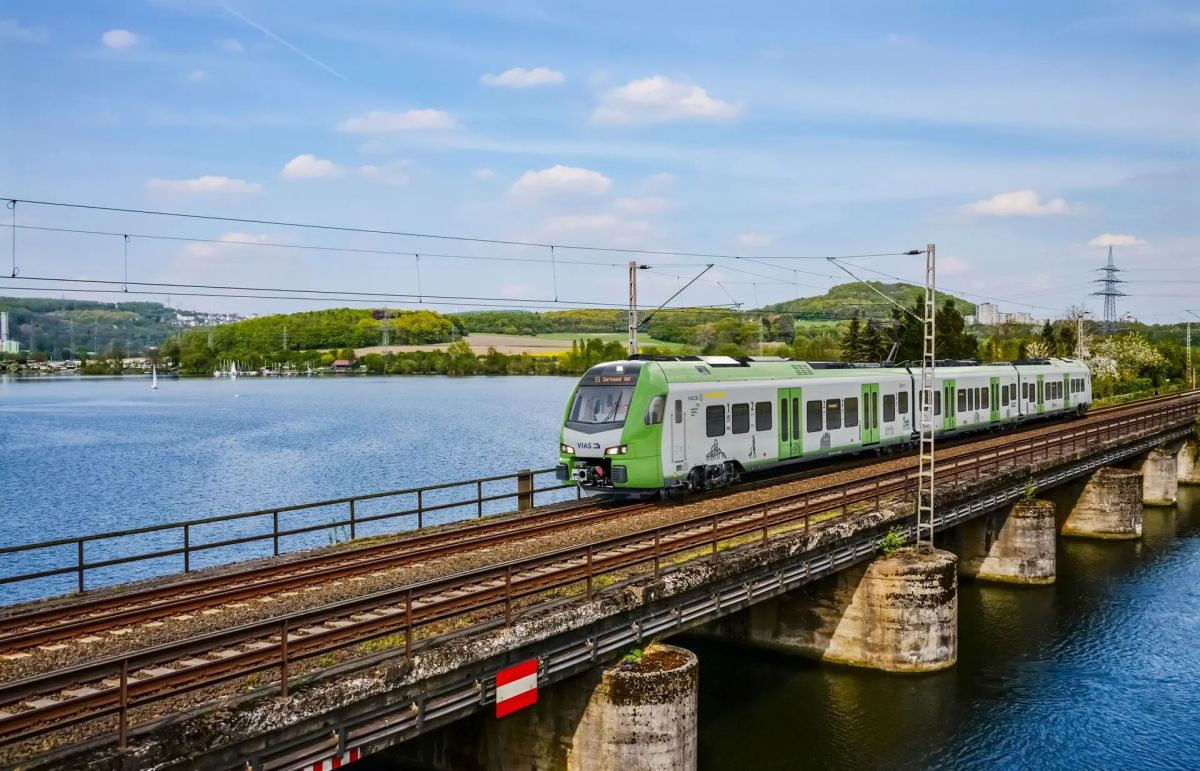
The FLIRT XL trains will be delivered in VRR's green and white livery and will be operated, maintained, and serviced by VIAS.
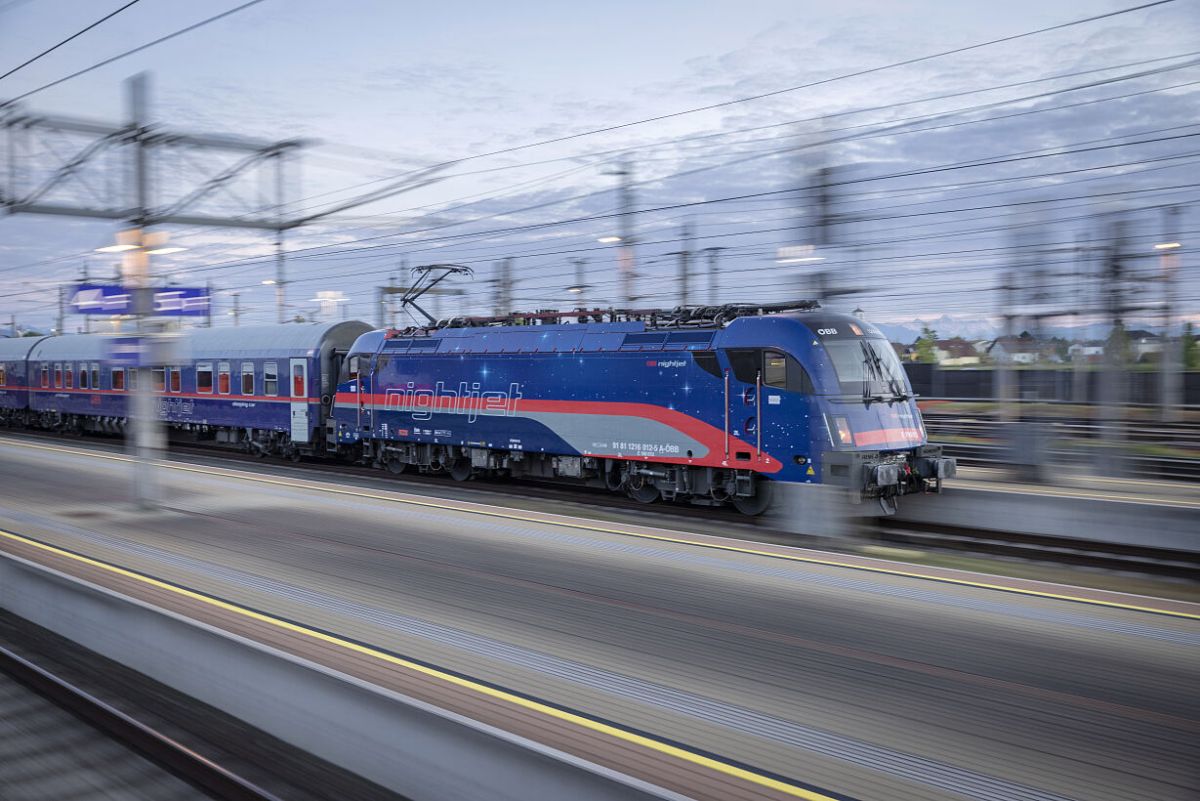
Deliveries are expected to begin at the end of 2027. The contract includes an option to acquire five additional Vectrons.
The change introduces an estimated 20% increase in seating capacity on the route.
The unveiling took place during the opening day of EXPO Ferroviaria 2025 in Milan.
This administrative step allows Talgo to begin official delivery of the fleet under the contract signed in 2019.
CEO and founder of Cargomon on why telematic sensors are becoming a standard freight wagons equipment and what direction does this technology go.
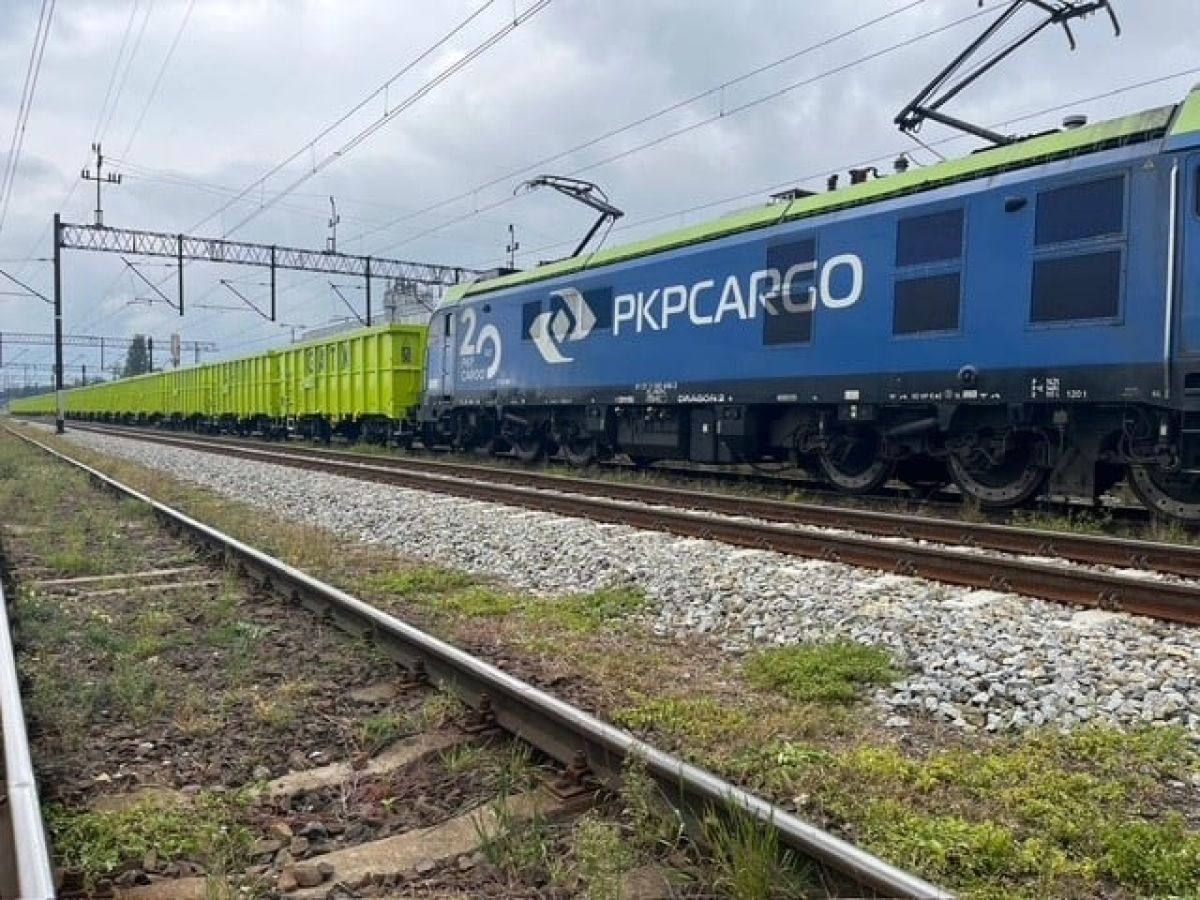
After a prolonged period of losses, PKP CARGO has posted a quarterly net profit, the first in several quarters, as the company pushes ahead with a broad restructuring programme.
The wagons are intended for transporting steel coils and will support Tata Steel’s rail logistics in Poland and beyond.
According to MEDWAY, each locomotive has the potential to replace around 50 heavy trucks from the road network.
The updated Frecciarossa 1000 fleet will include an option for ten more.
The 15 locomotives are designated for deployment in Germany and Austria, joining Alpha Trains’ existing roster of Vectron AC, MS, and Dual Mode units.
Stadler has submitted documentation to the European Union Agency for Railways (ERA) to extend the operational approval of the EuroDual locomotive type to Croatia and Slovenia.
An interview with Nicolae Alexandru, CEO of Ansett Logistics on how the company grew since 2005 into a European rail freight player.
The wagons will support rail services across the operator’s terminal network in Poland and abroad.
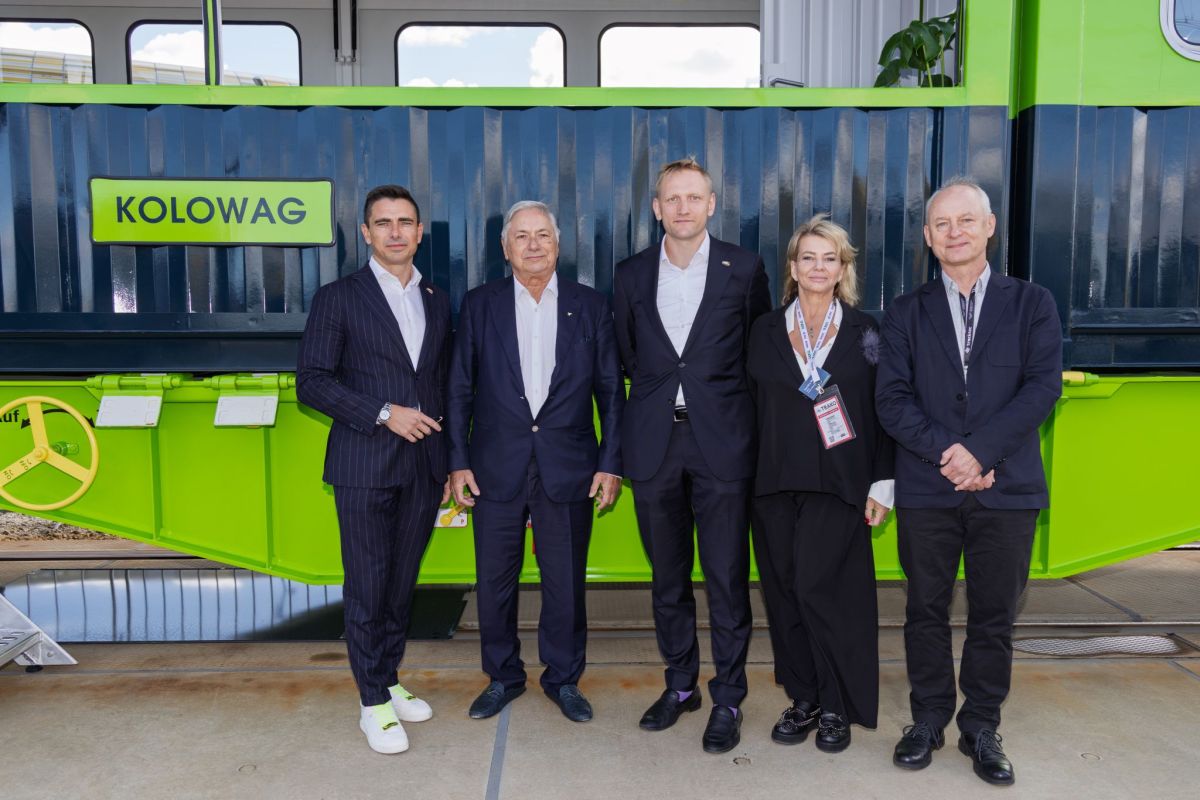
PESA has introduced its Gama 3.0 locomotive platform during the TRAKO 2025 trade fair in Gdańsk. The new development expands the existing Gama portfolio with a modular approach allowing for various traction configurations.
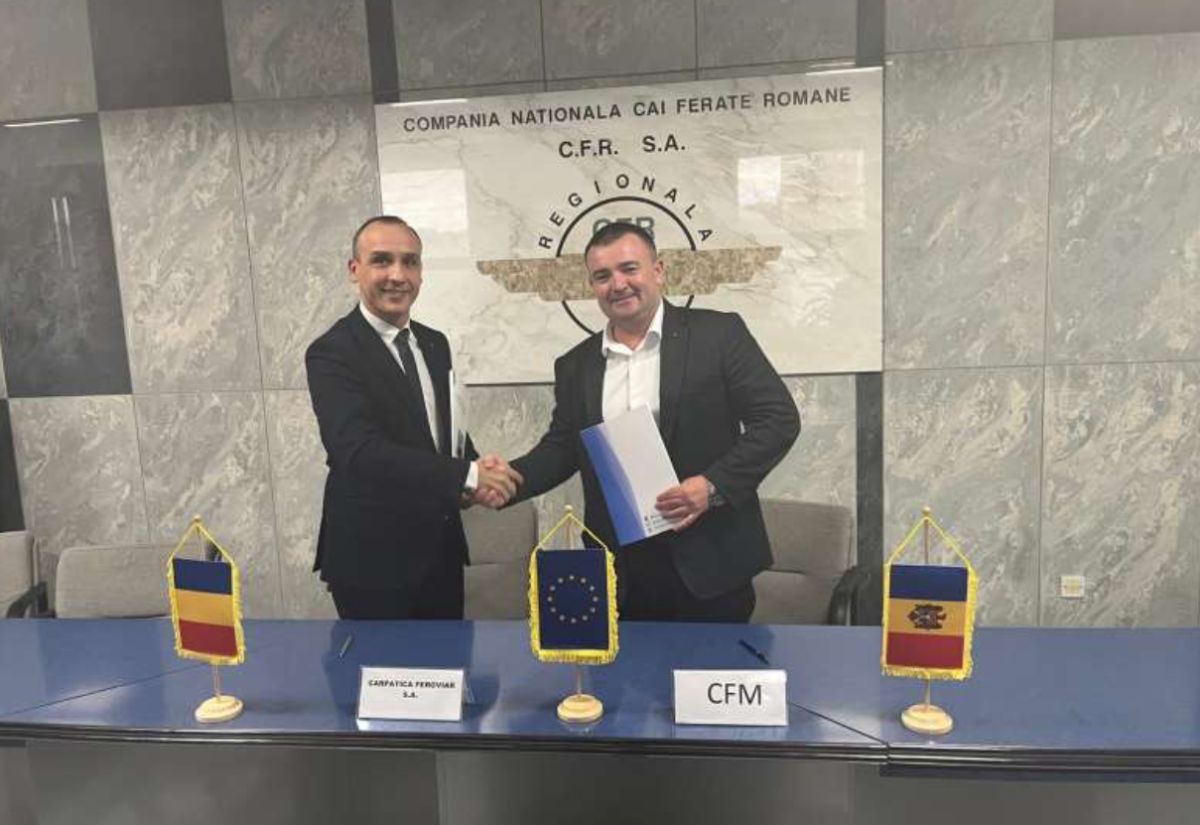
The agreement was concluded on 25 September 2025 during a working visit by the CFM delegation to Iași, Romania.
The company confirmed that its operating performance remains stable and continues to target full-year volume growth.
The decision follows the announcement by SNCF Voyageurs that French government support for these connections will not continue beyond this year.
The rollout is part of an AUD 350 million investment in low-emission traction aimed at reducing fleet-wide emissions by 6–10%.
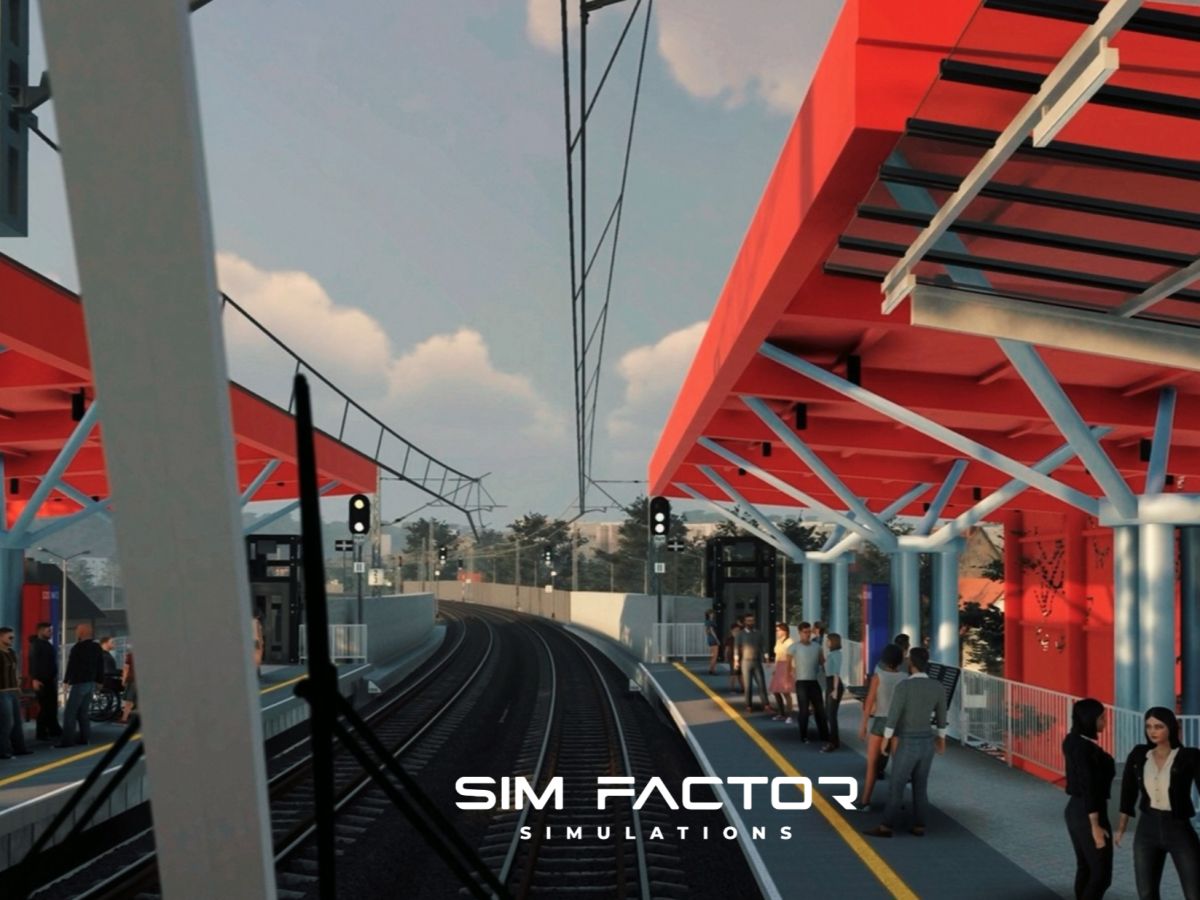
The upgraded graphics are integrated into the company’s railway simulators and support higher simulated speeds, up to 250 km/h, with future readiness claimed for 300–400 km/h operation.
The planned site is intended to support the growing fleet of Traxx Universal locomotives operating across Poland and the Eastern European corridor.
The service runs alongside the existing Zeebrugge–Dourges–Perpignan route, providing a daily option for shipments to and from Spain via the North Sea corridor.
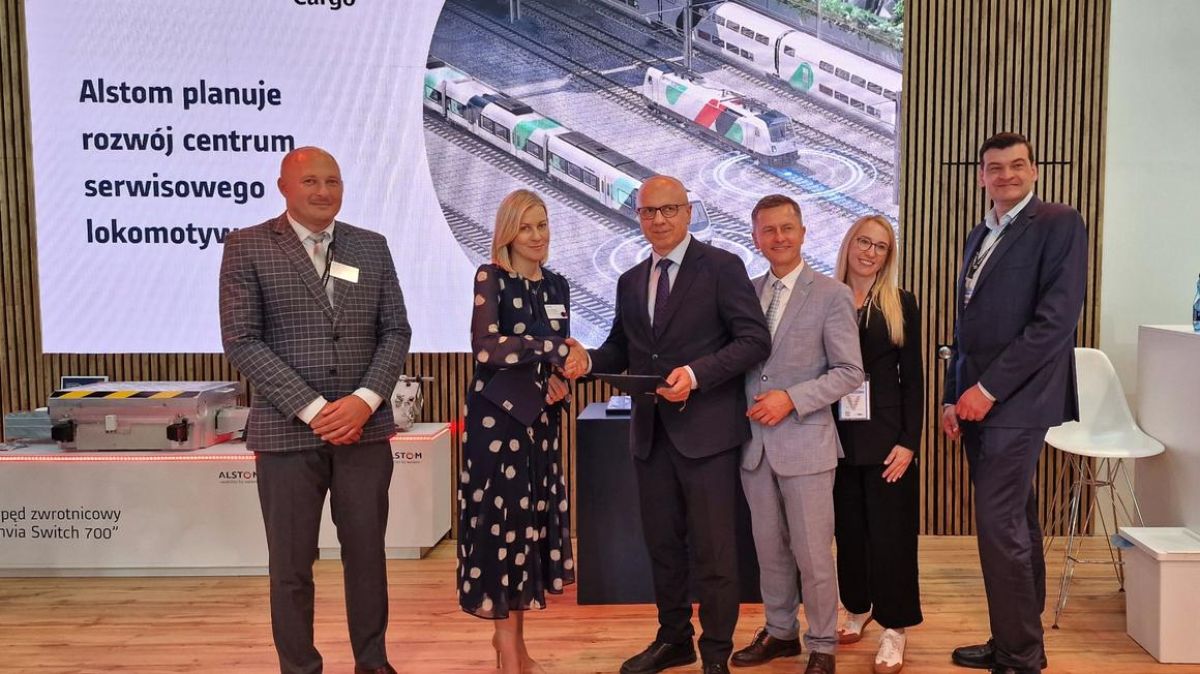
The agreement was finalised during the TRAKO trade fair in Gdańsk and will remain in effect for a period of two years.
Through this acquisition, Knorr-Bremse aims to strengthen its rail division by integrating duagon’s hardware and software portfolio into its existing offerings.
This agreement follows the termination of a previous maintenance contract for 80 trains of the 7000 series.
The handover on 19 September 2025 was preceded by its first hydrogen-powered run.
The initiative responds to increased demand for regional diesel rolling stock and was formally presented at the TRAKO 2025 trade fair in Gdańsk, where a 3-car Talent DMU was shown.
The new agreement runs until the end of 2028, covering a service that moves approximately 300,000 tonnes of aluminium annually, spread across 10,000 wagons per year.
The wagons will operate on the Kaunas–Duisburg intermodal route, which since June also includes a stop in Łódź, a key logistics hub in central Poland.
According to the operator, the vehicle in its current form does not meet the expected standards for comfort and quality.
The contract represents NWL’s largest single fleet renewal to date for regional rail transport.
Their introduction comes six months ahead of schedule.
The locomotive, produced by Newag in Poland, is being presented as part of Akiem’s ongoing expansion in the Central European market.
The trainset combines a Vectron locomotive with newly developed Vectouro passenger cars, configured for push-pull operation at speeds of up to 230 km/h.
The transaction is expected to be completed before the end of 2025, pending regulatory approvals.
The six modernised tracks at Bundel Mercator in the Port of Ghent are now operational.
The purpose of the run was to check load handling and route timing under diesel power.
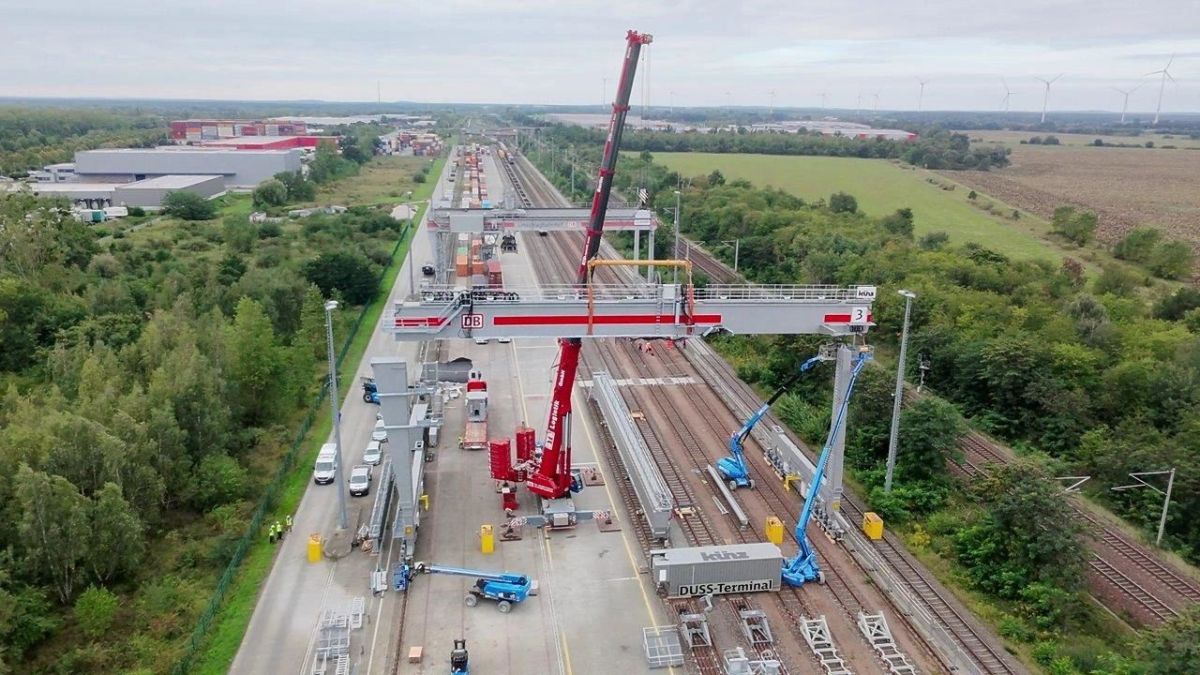
The crane was mounted as part of an ongoing expansion of handling capacity at the site, located just south of the German capital in the Güterverkehrszentrum (GVZ) Großbeeren.