
Rail freight market forecasts long-term growth to EUR 567.3 billion by 2035
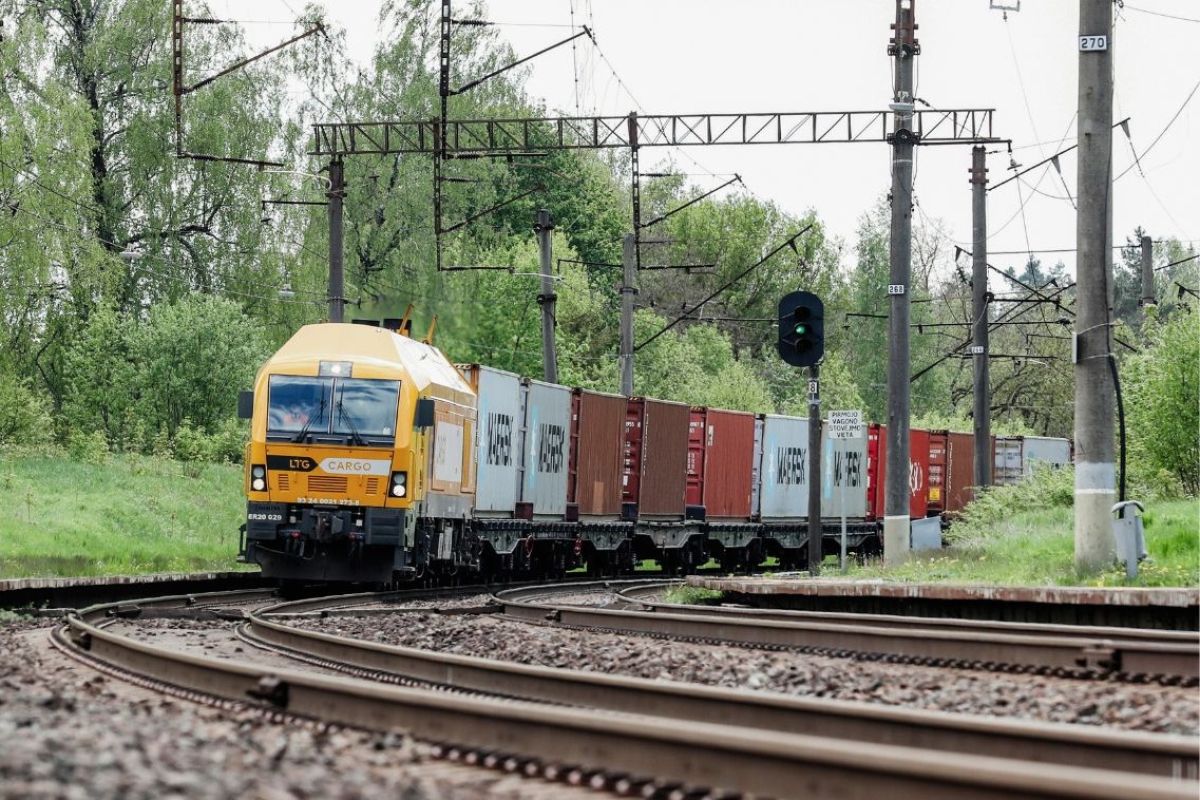
The global rail freight market is expected to grow steadily over the next decade, with forecasts pointing to a total value of EUR 567.3 billion (USD 602.7 billion) by 2035.
By closing the gap between processing and production, the new gypsum cycle introduces an additional long-distance rail movement into the building-materials supply chain and supports the shift from waste disposal to material reuse in the Austrian construction sector.
The scope includes comprehensive work on both entire vehicles (TUF) and individual high-value components (TUK), being the first such major overhaul for this fleet.
The line is part of the Atlantic Corridor within the Trans-European Transport Network (TEN-T).
The current frequency of the route will be increased to accommodate over 400 passengers per day.
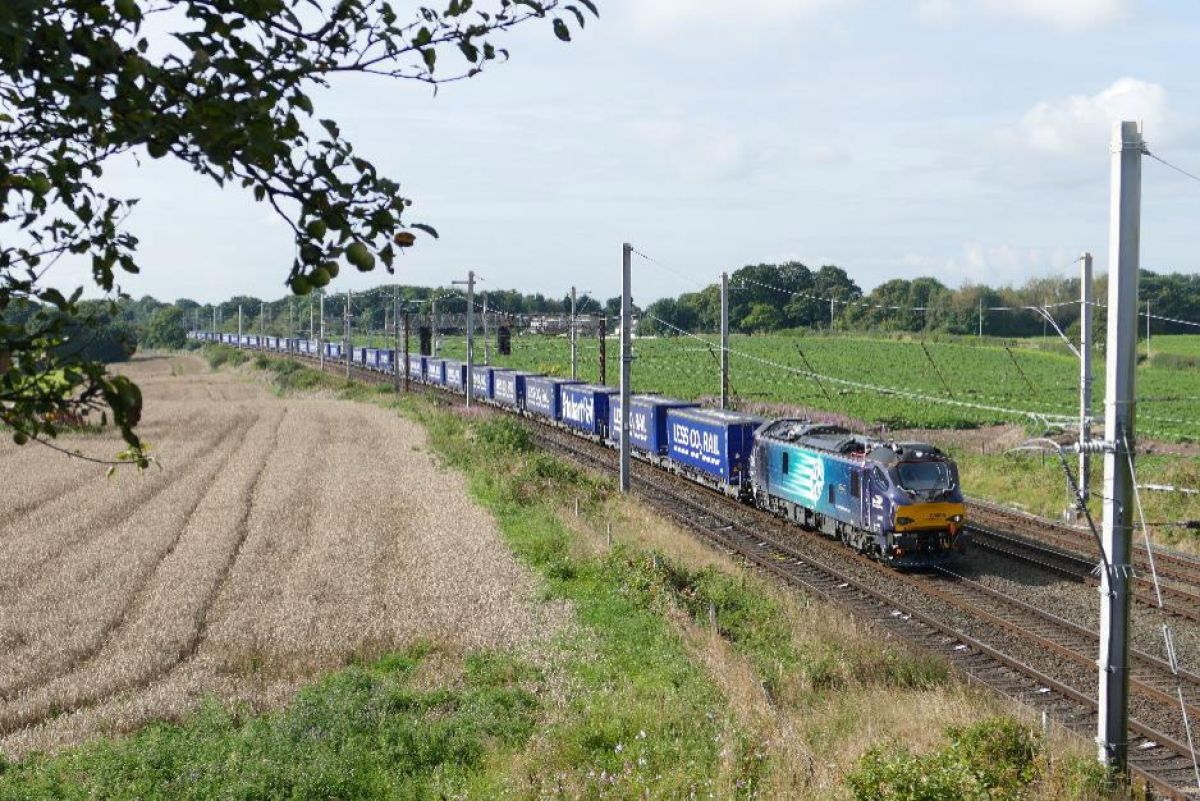
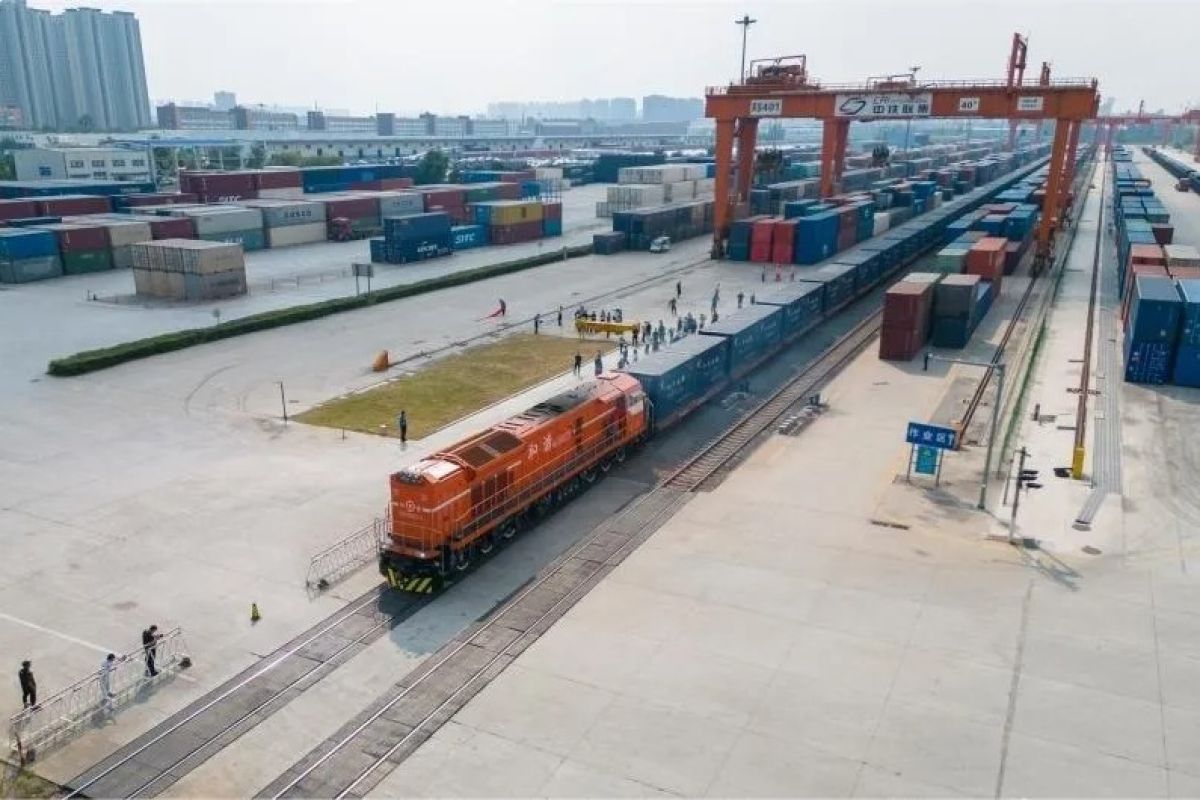
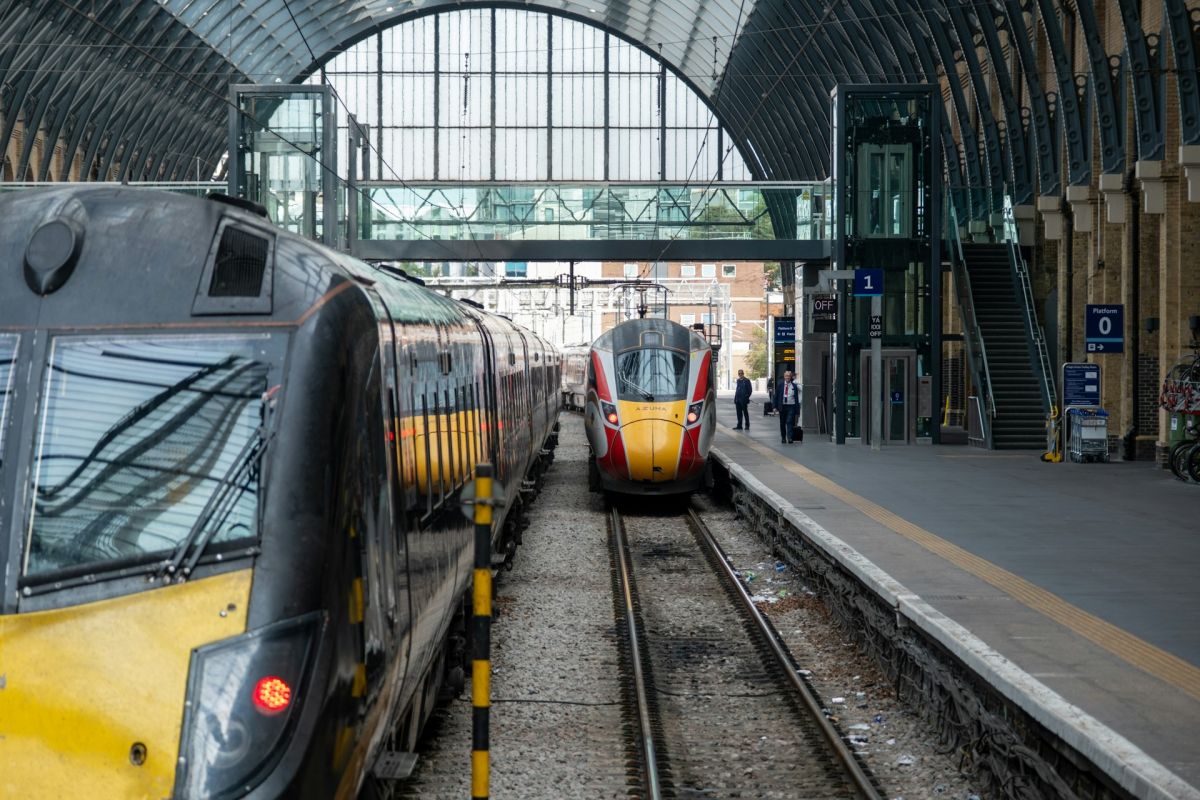
The 530-kilometre route will be operated using Class 88 electro-diesel locomotives, capable of running under electric power where available.
The step is tied to closer coordination between EUROGATE and the CMA CGM Group, one of the world’s largest container carriers.
According to the operator, projects are starting, stopping, or overlapping with little warning, leaving almost no route free of disruption.
The wagons will be used in domestic and cross-border container transport.
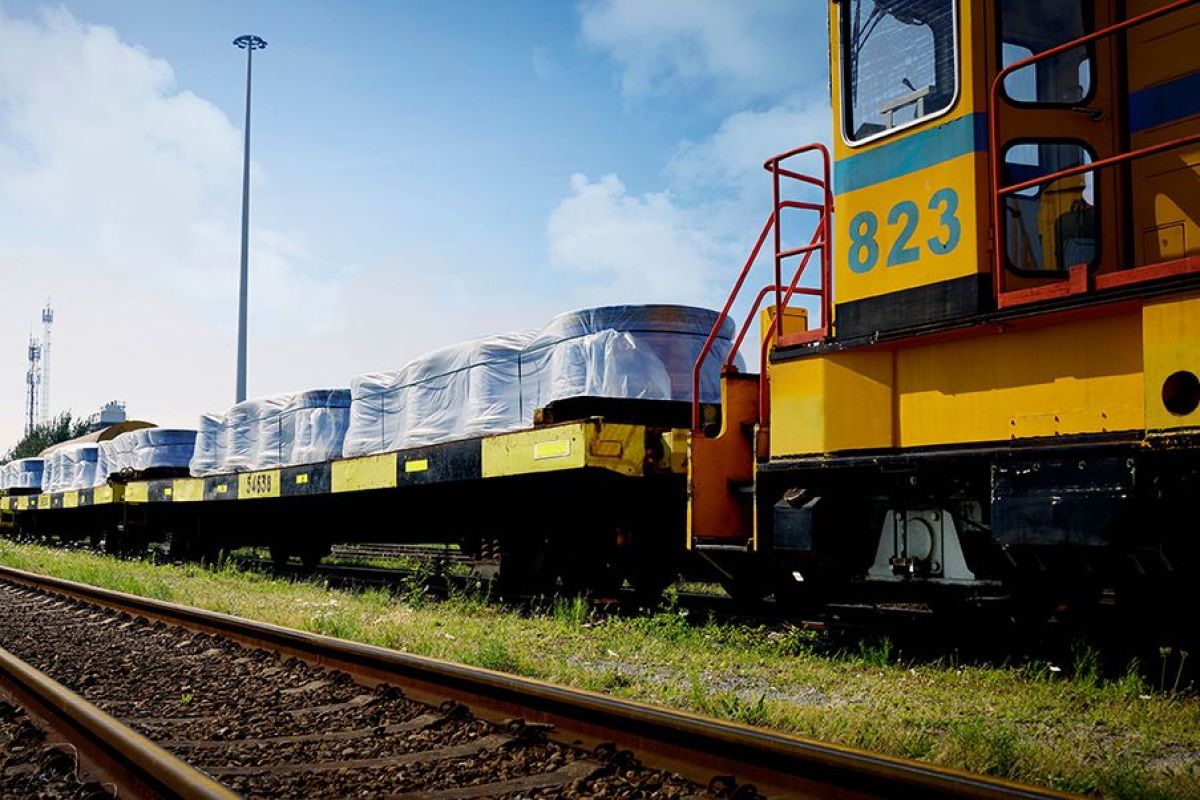
The company states that three coil trains will run every two weeks toward customer sites in Eastern Europe.
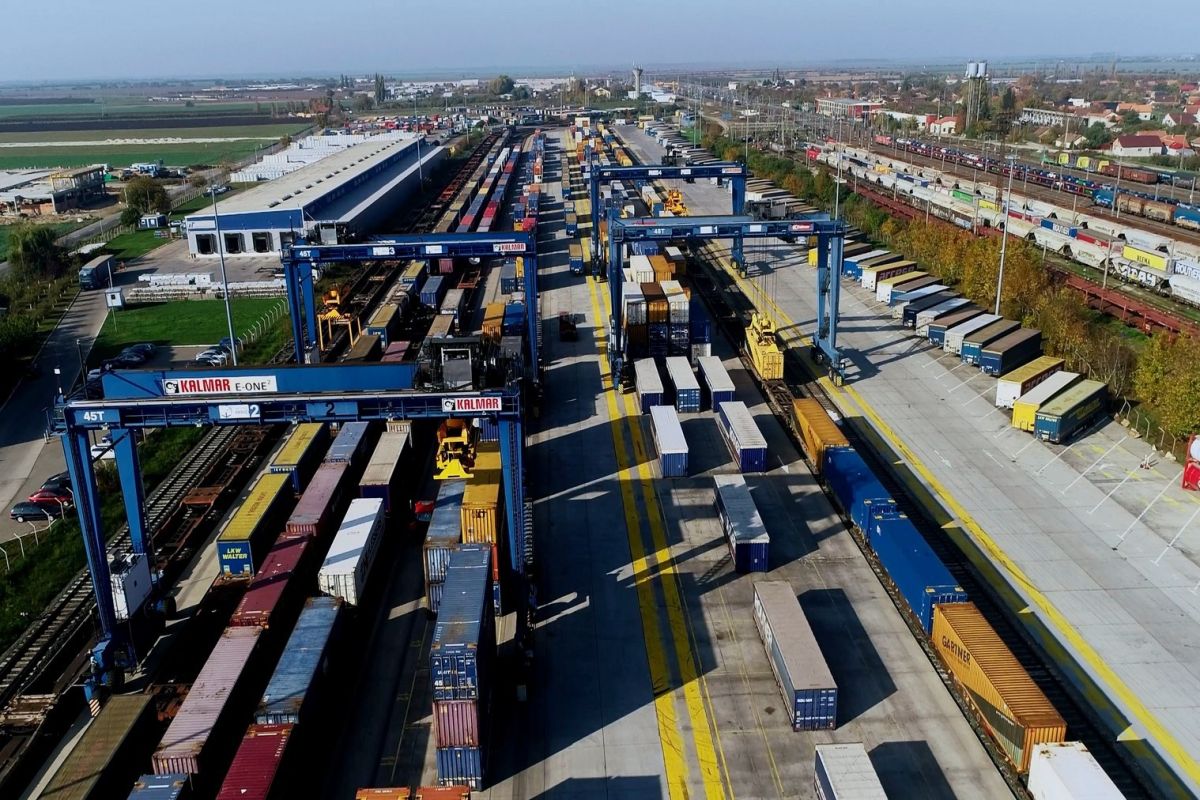
The service links the BILK terminal in Budapest with the Romanian hub of Curtici.
SŽ–VIT, the maintenance and traction services company of Slovenske železnice, continues to develop its role as a regional provider of railway vehicle maintenance.
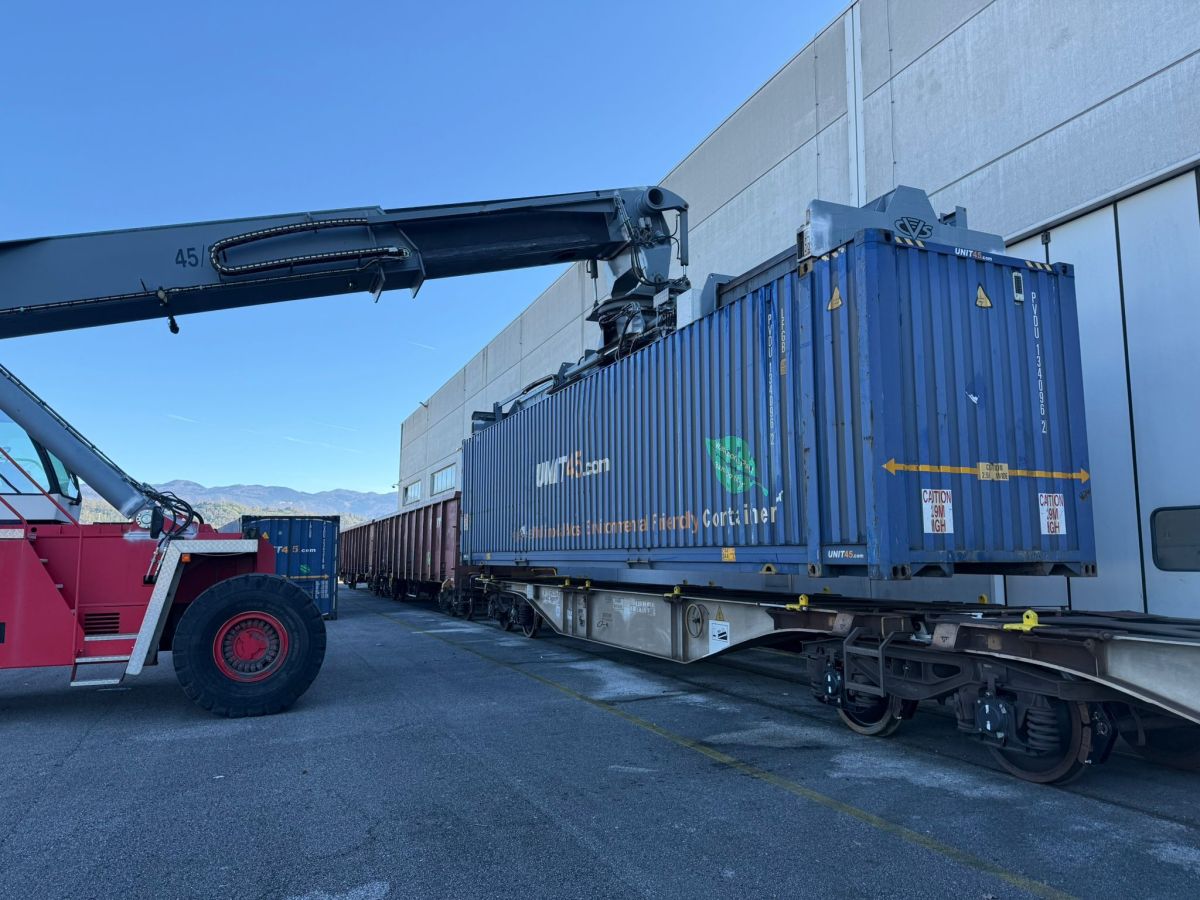
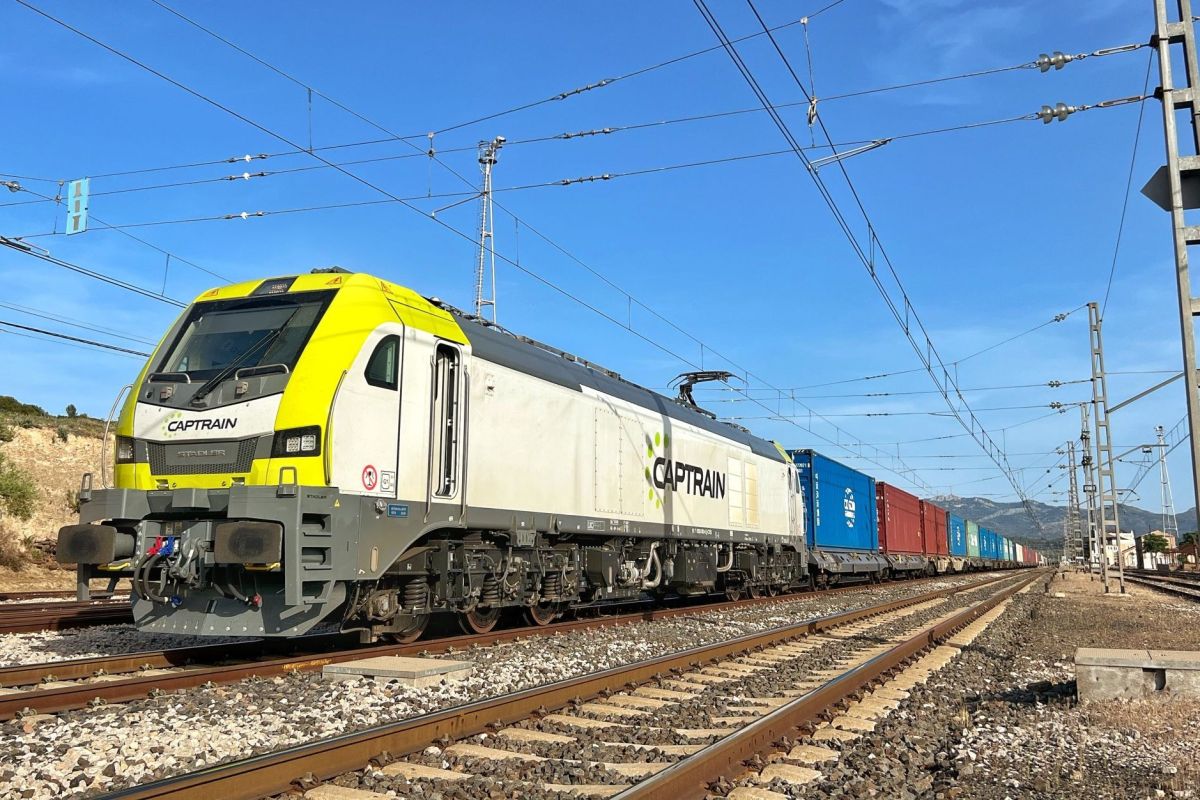
This trial is a preparatory phase for a planned commercial service connecting the port of Valencia in Spain to Entroncamento in Portugal, expected to start before the end of 2025.
Changes include new direct routes to Villach and Copenhagen, additional InterCity and EuroCity services, deployment of new rolling stock, and a group fare discount for online bookings.
The service is aimed at transporting intermodal units and other types of cargo.
European Sleeper has confirmed the launch date for its direct night train service between Paris and Berlin.
An option for 30 more units is part of the contract.
Dolomitas, a company with over six decades of experience in dolomite production, supplies washed crushed dolomite stone, fines, and mixed fractions from local sources.
The service offers a cross-border connection along the Atlantic axis, which until now lacked rail motorway access.
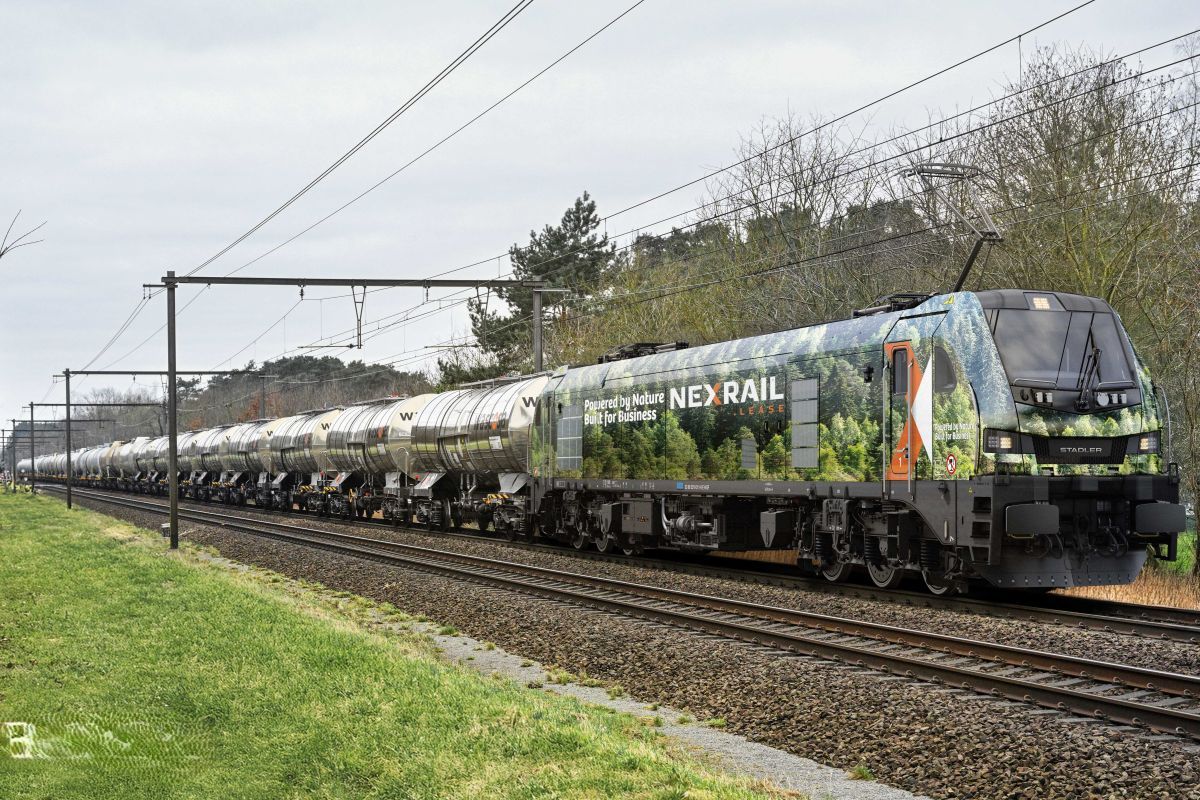
The newly configured EURO9000 integrates overhead and battery power sources, built on the existing Co’Co’ platform.
The facility is located within the Puerta Centro – Ciudad del Transporte logistics zone, a 4 million m² development situated near Guadalajara, approximately 70 kilometres northeast of Madrid.
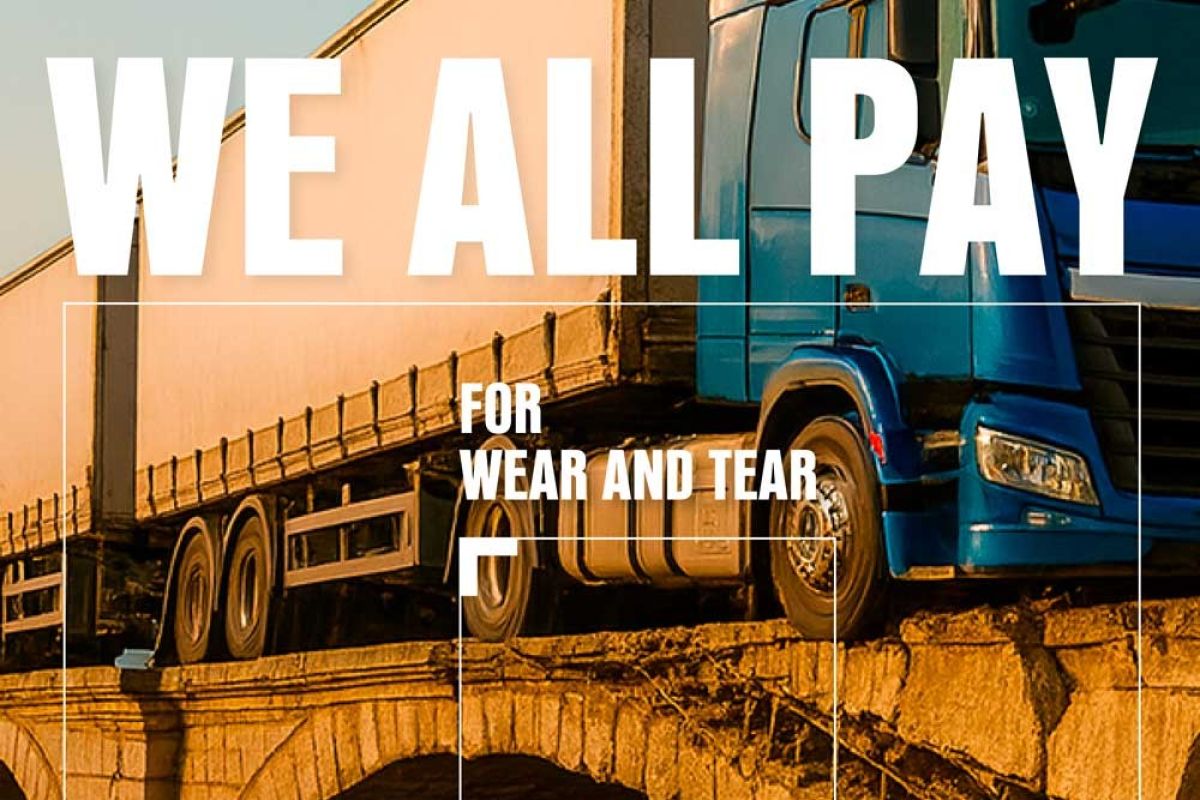
Rail Freight Forward (RFF) has launched a campaign opposing proposed EU regulations that would allow cross-border movement of longer and heavier vehicles (LHVs).
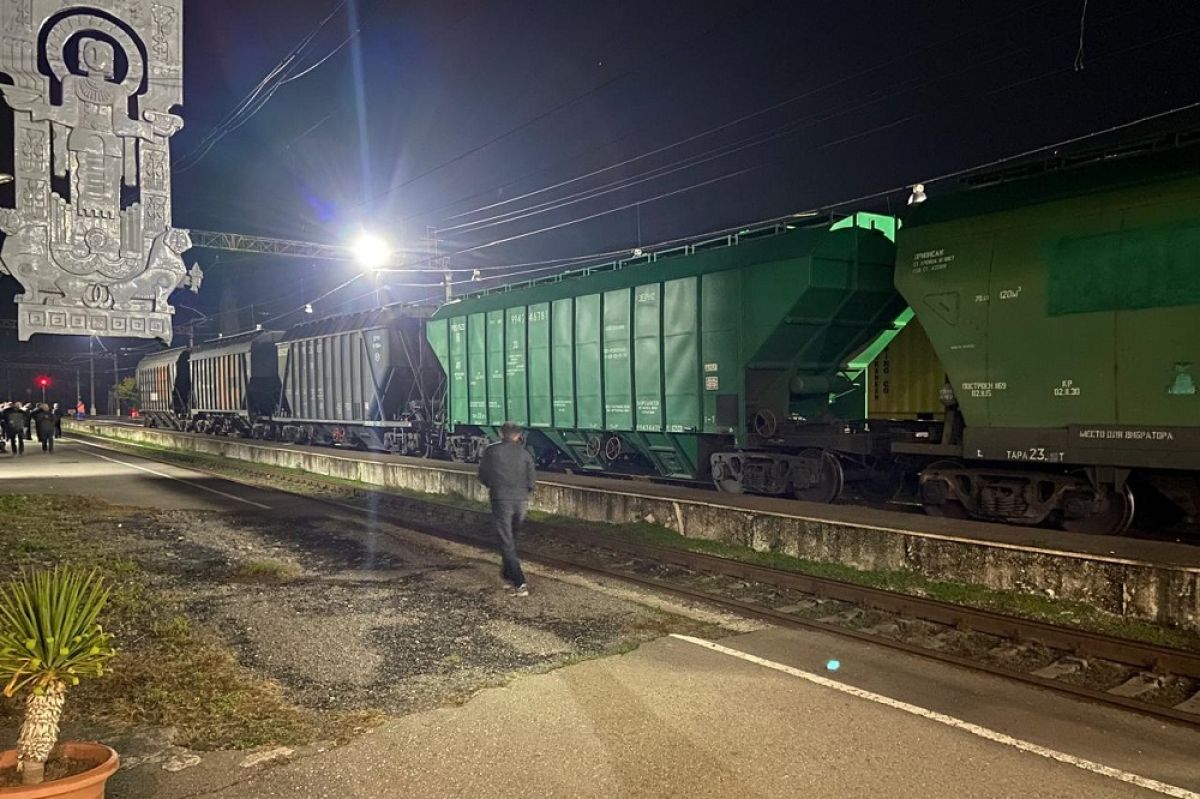
A rail shipment of Russian wheat has been delivered to Armenia using a transit route through Azerbaijan and Georgia.
The newly organised continental division, operating under the KONTImodal brand, focuses on stable terminal-to-terminal rail services across Germany and Europe.
From January to October alone, 2,790 trains were operated, marking a 49% year-on-year increase. On average, a train departed every 2.6 hours.
METRANS described the corridor as a gateway for “Silk Road” customers into Central and Eastern Europe via its network.
The forecasted increase follows a period of low growth between 2021 and 2023 and reflects ongoing adjustments in global trade flows.
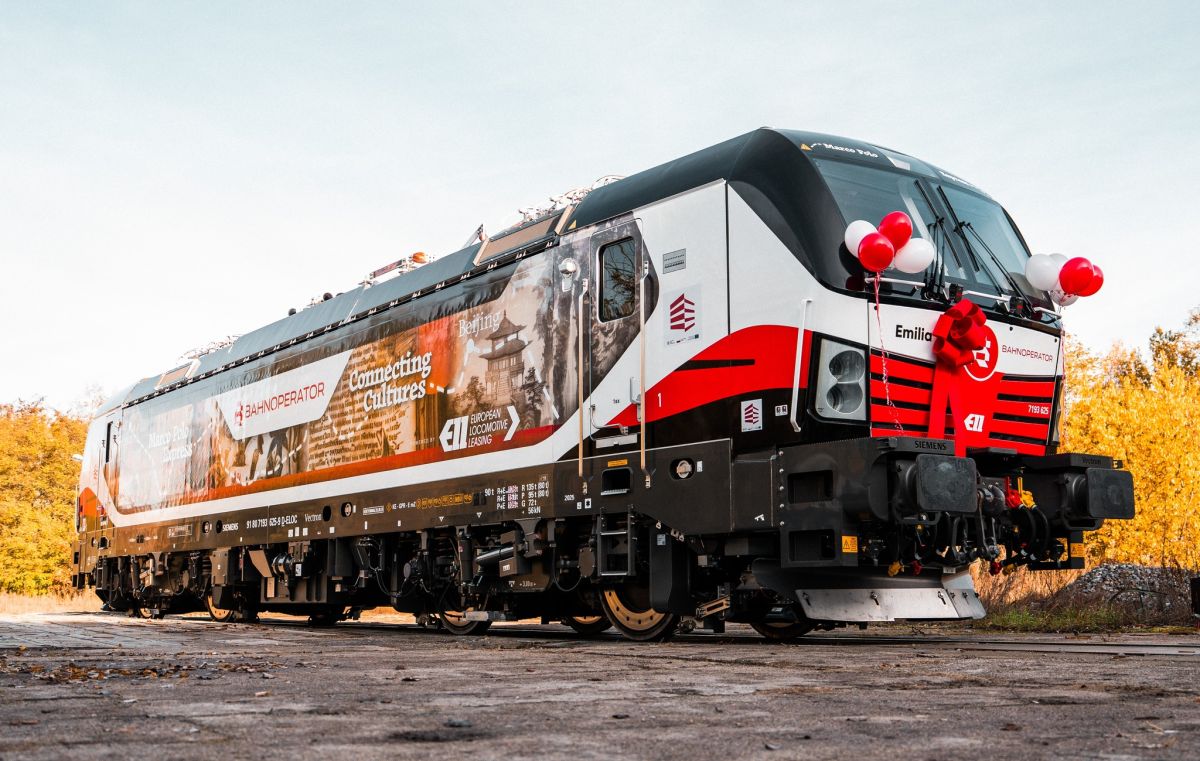
Vossloh Rolling Stock has presented the first Modula hybrid locomotive ordered by DB Cargo under a framework agreement for up to 250 locomotives.
European Commission issued grant agreements under the Connecting Europe Facility (CEF) for transport infrastructure projects in Poland, Slovakia, Romania, Ukraine and Moldova.
The deal, valued at approx. €2.1 billion, covers new trains for the Zurich S-Bahn and regional services in western Switzerland, with delivery expected to start in the 2030s.
Once both machines are operational, they will together expand Bane NOR’s capability to maintain rail operations in Nordic winter conditions.
With carbon capture and storage (CCS) gaining importance in Europe’s transition toward a low-emission economy, the transport of captured CO₂ is emerging as a crucial element of the industrial value chain.
Two passenger trains collided head-on on Sunday evening, 9 November 2025, on the main railway corridor between Pezinok and Svätý Jur, causing a complete shutdown of traffic in the section. The incident occurred shortly after 19:30.
This contract follows a previous seven-year cooperation between Alstom and SWR, which began in 2017.
Train services on the Arlberg line between Ötztal and Bludenz resumed on 3 November 2025 after a 29-day closure.
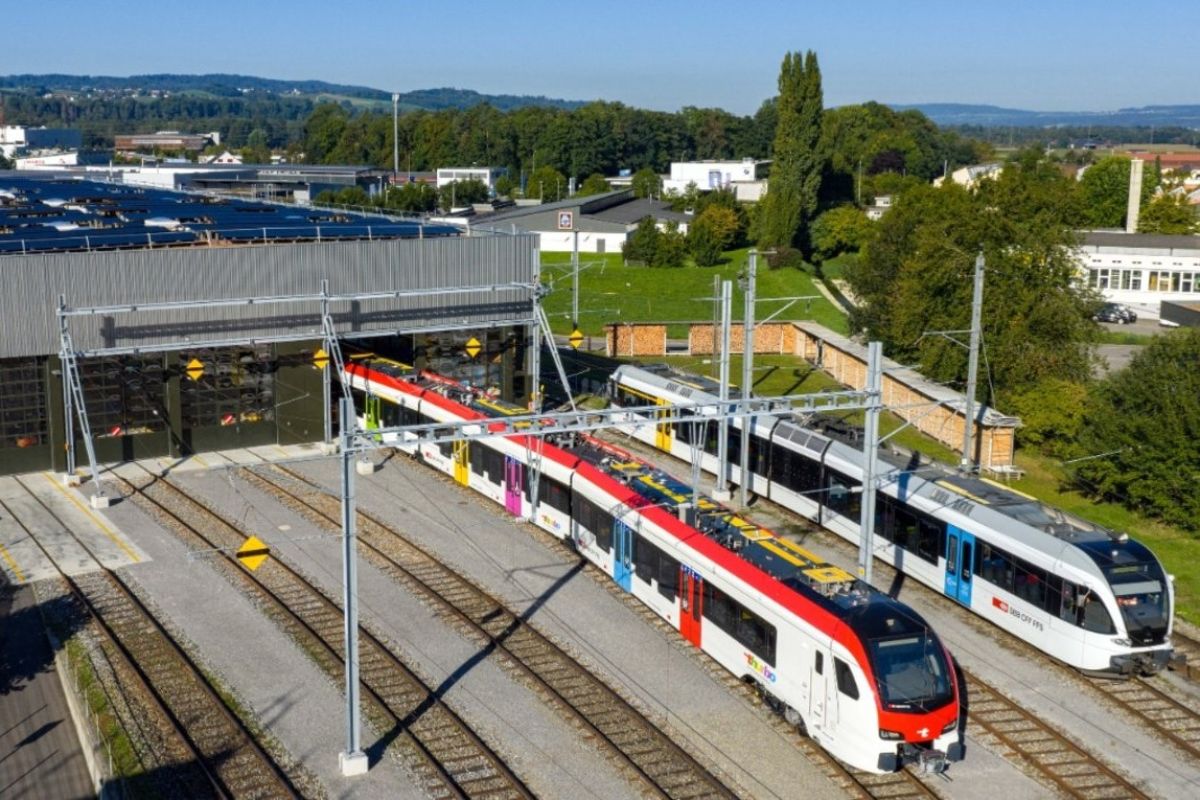
On 1 November 2025, Thurbo and SBB officially opened a modernised train service facility in Weinfelden, Switzerland.
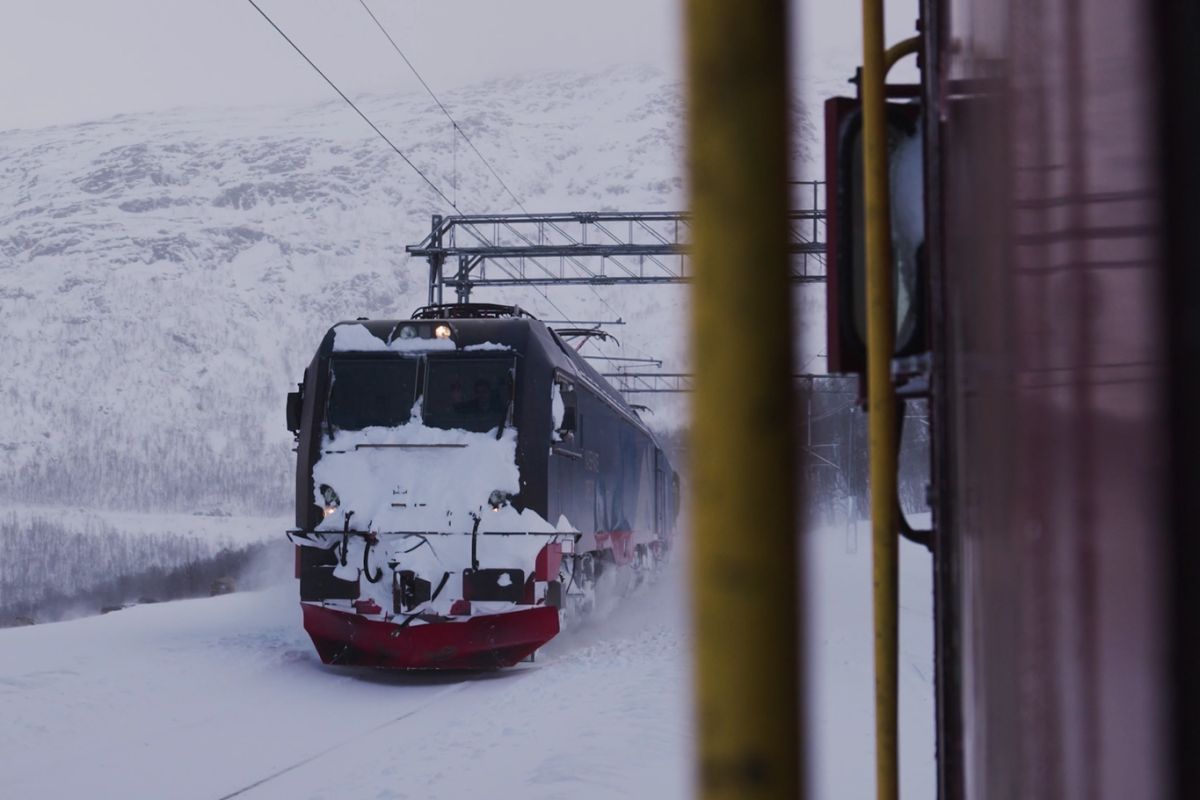
The cross-border rail corridor between Narvik and Luleå is now being positioned as a dedicated testing ground for railway technologies operating in extreme weather.
Renfe Mercancías and Captrain Spain lead the allocation of funds under the Spanish Ministry of Transport’s 2024 eco-incentive scheme, securing a combined total of over €28 million.
The contract scope has grown to include over 100 TRAXX locomotives operating across Western and Central Europe.
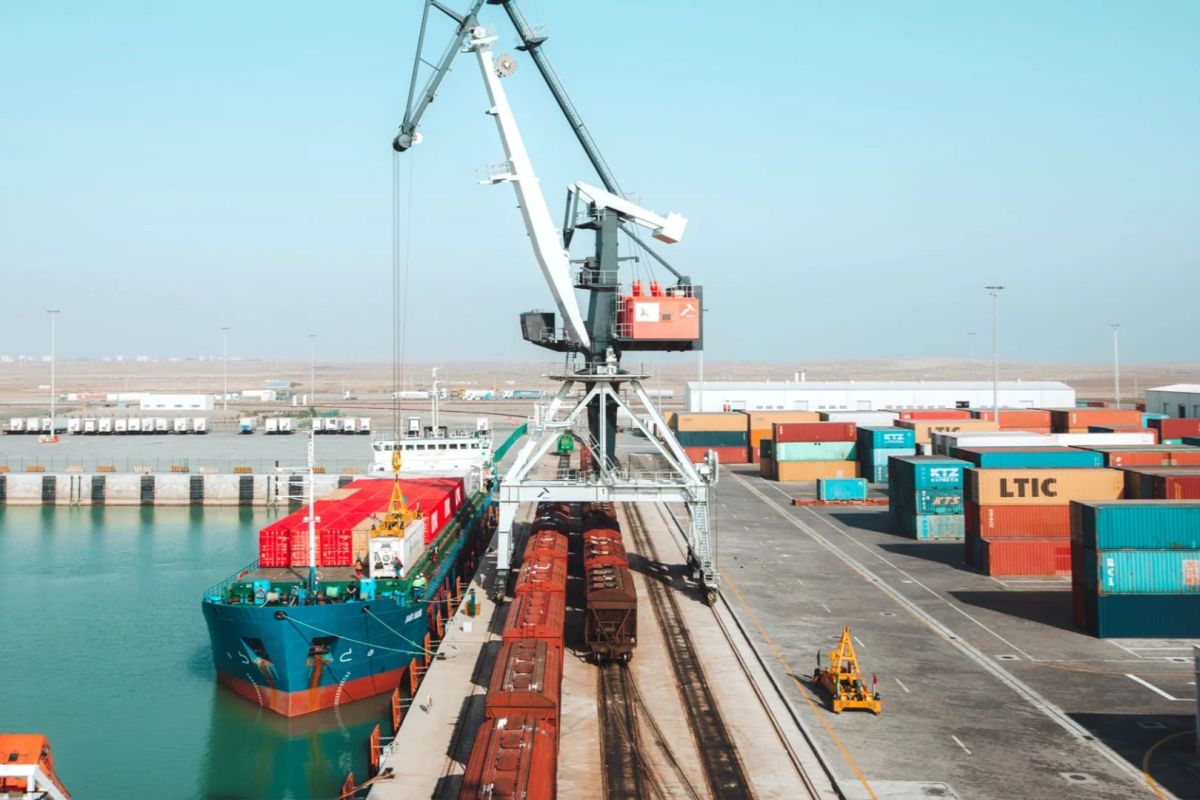
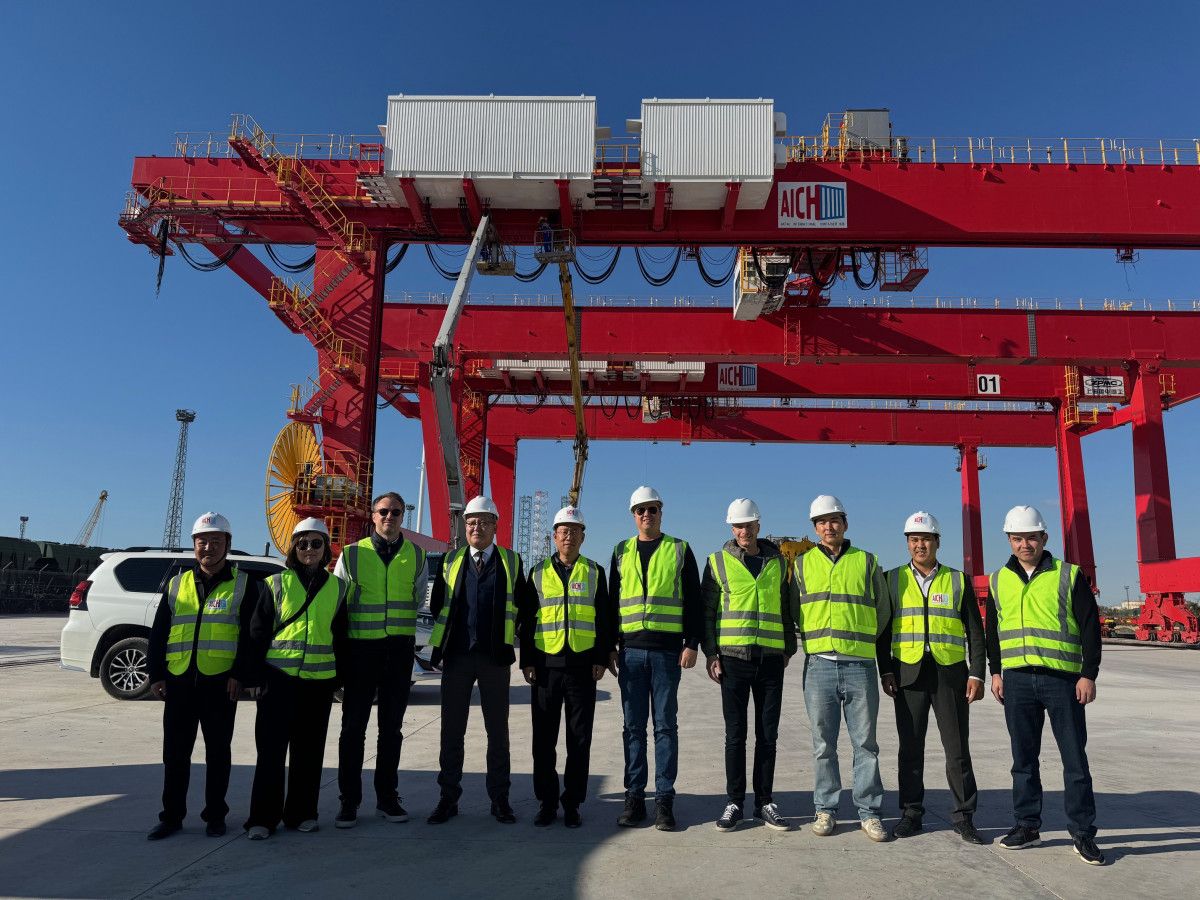
The facility is planned to function as the European endpoint of the Trans-Caspian International Transport Route (TITR), also known as the Middle Corridor.
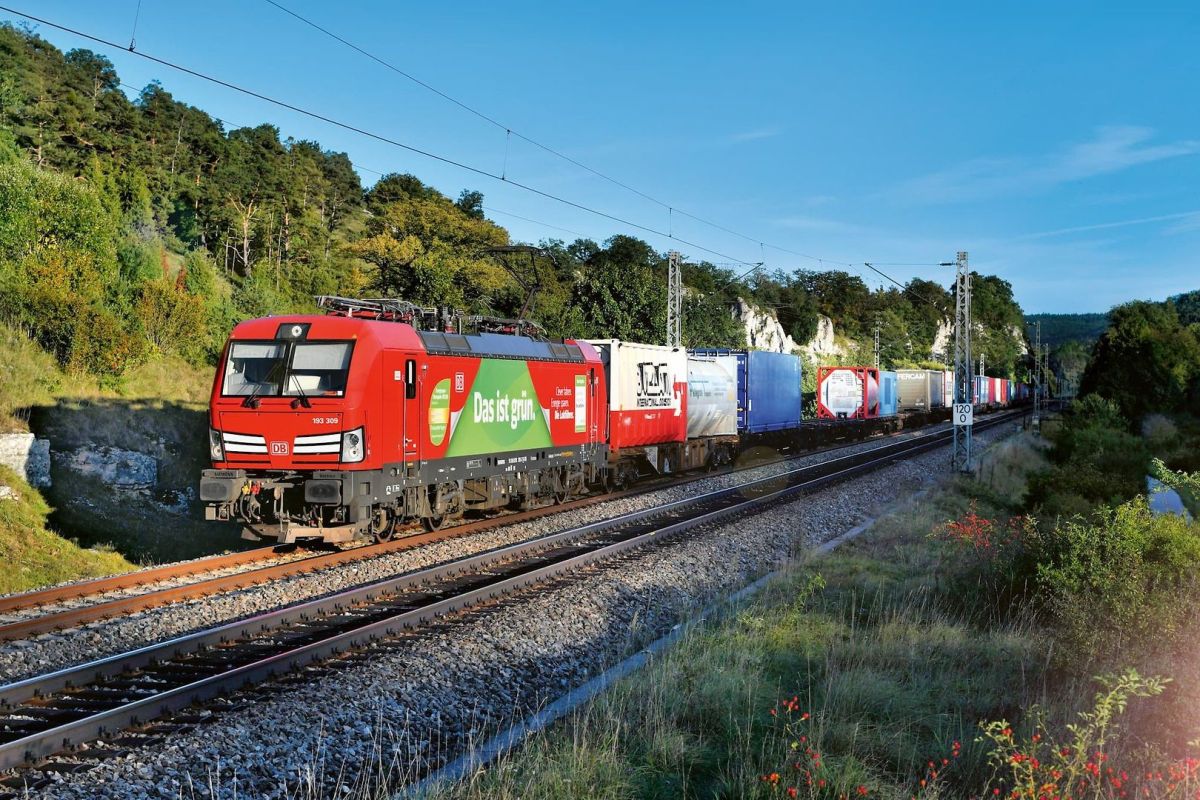
The trial is the first use of the tri-mode locomotive on an intermodal route with loaded containers.
The Board of Directors of GYSEV has appointed András Riegler as the new CEO of GYSEV CARGO, effective from 8 November 2025. He replaces János Boda, who is leaving the position after nearly four decades at the company.
Steffen Bobsien, Head of Locomotives and Coaches at Siemens Mobility, confirmed the information to RAILMARKET News.
According to the signatories, the current draft fails to support a shift to rail and may reinforce fragmentation in the European railway network.
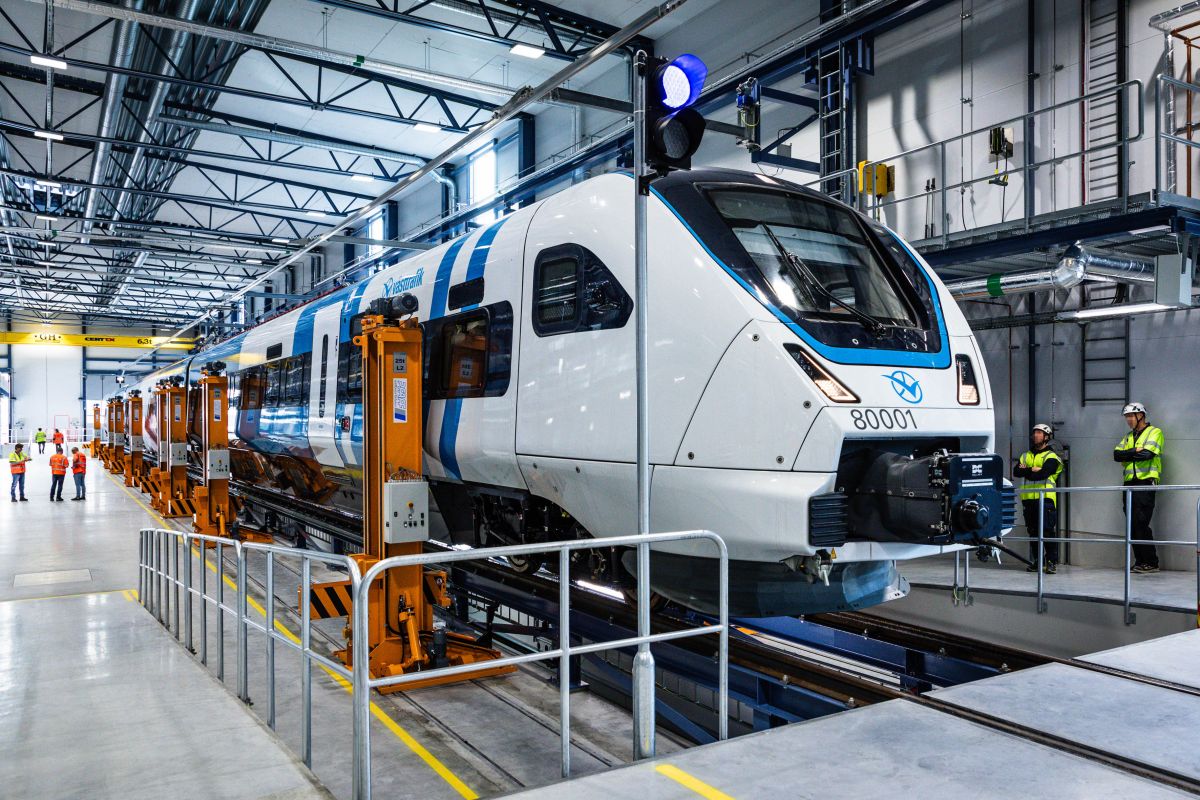
The new units will be of the same Avelia Stream Nordic X80 type as the 45 trains currently being delivered.
All four are established players in rolling stock leasing and were selected based on their financial capacity and compliance with technical requirements.
Additional activities include cooperation with DB Cargo in Germany and project preparation in Austria, Switzerland, and Croatia, where a country-specific locomotive design has been developed.
The bill reflects a wider structural shift away from the privatised and heavily segmented model that has governed Britain’s railways for the past three decades.
The handover took place in Sered, Slovakia, and involved a mix of newly built and previously used Sggrs(s) wagons.
The deployment of multi-country approved electric traction is expected to streamline cross-border freight flows without locomotive changes at borders.