
New board chair named at Lithuanian company LTG
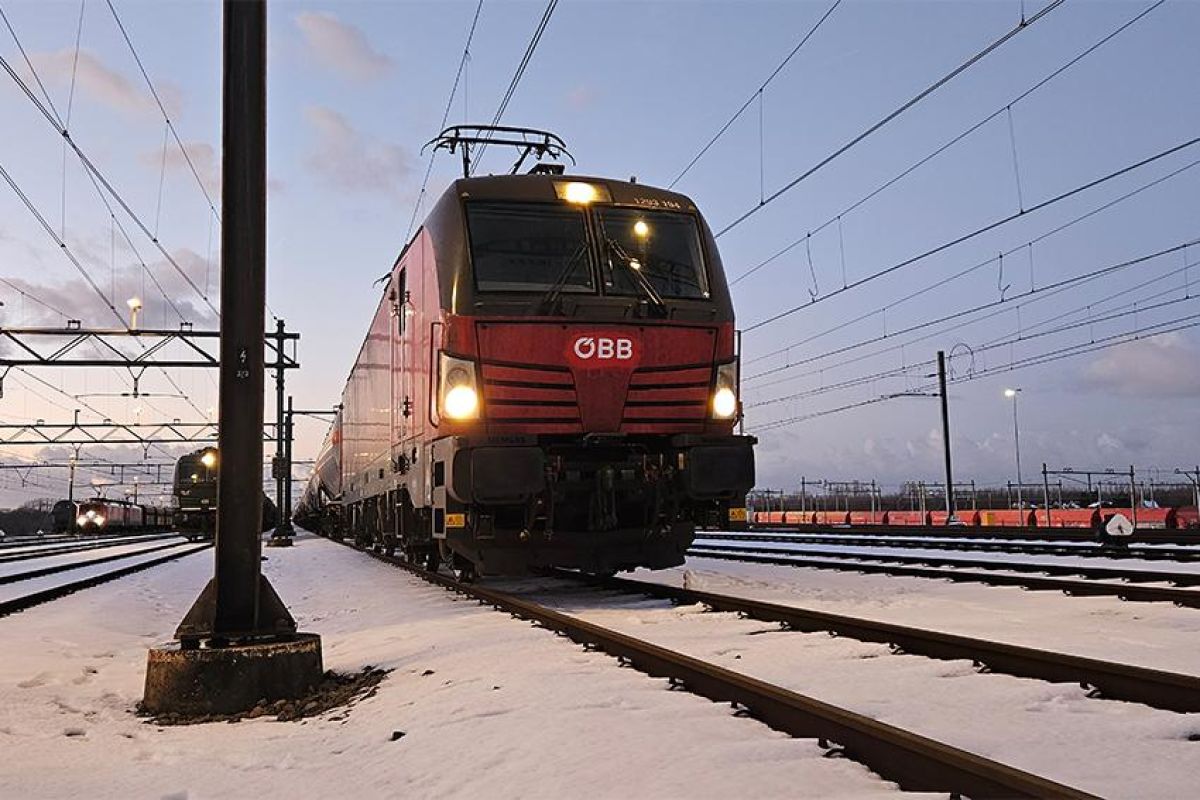
Lithuania’s state-owned rail group LTG Group has appointed Robertas Vyšniauskas as Chair of the Board. The move comes as the company advances major infrastructure and freight-related projects.
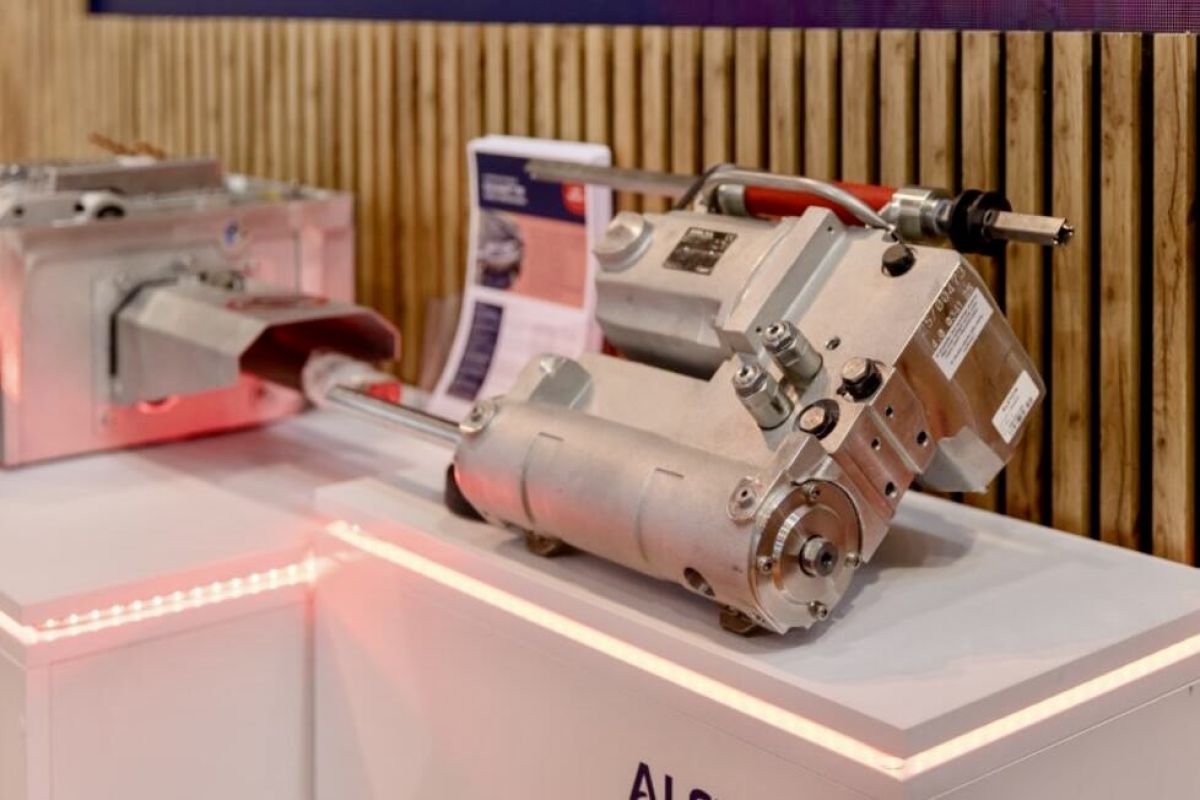
Alstom has signed a four-year agreement with Poland’s infrastructure manager PKP Polskie Linie Kolejowe to maintain and overhaul electric point machines across the national network. The contract covers nearly 3,500 units, with an option for a further 800.
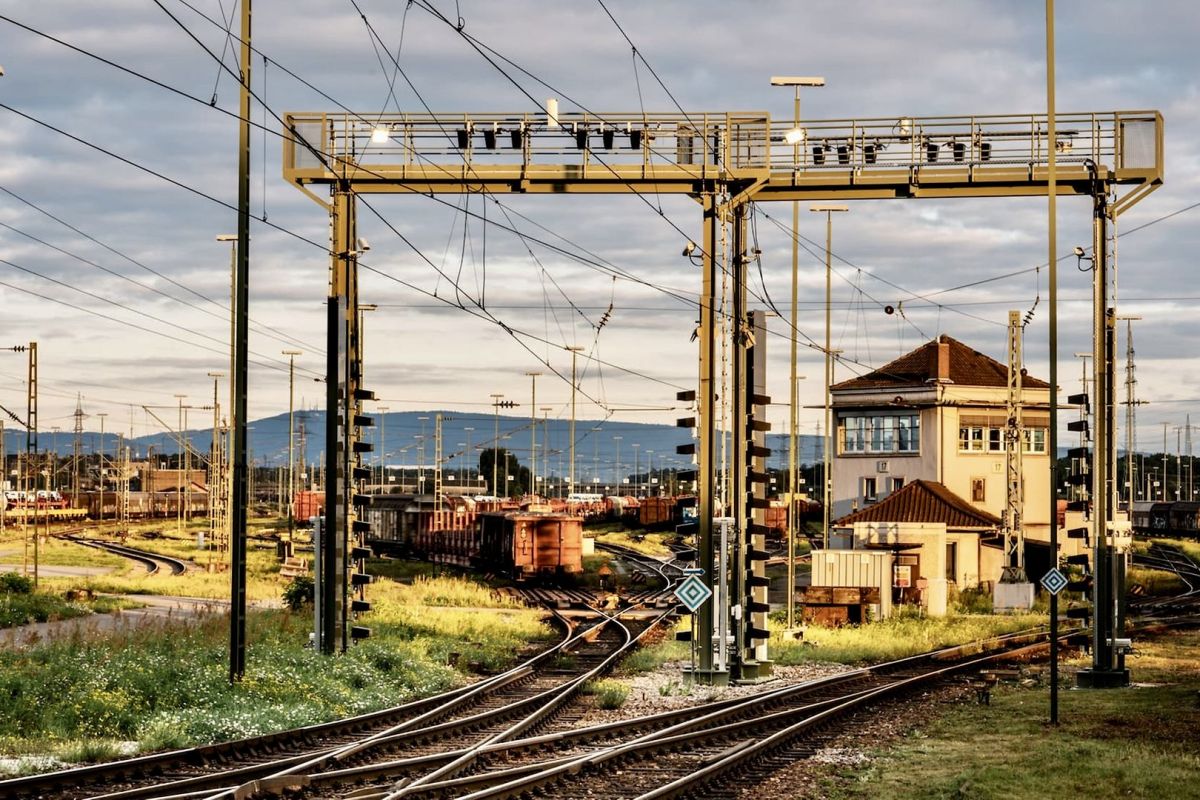
DB Cargo has rolled out artificial intelligence to speed up freight wagon inspections at major marshalling yards in Germany. The system analyses wagons while trains pass through camera gantries, reducing manual checks before departure.
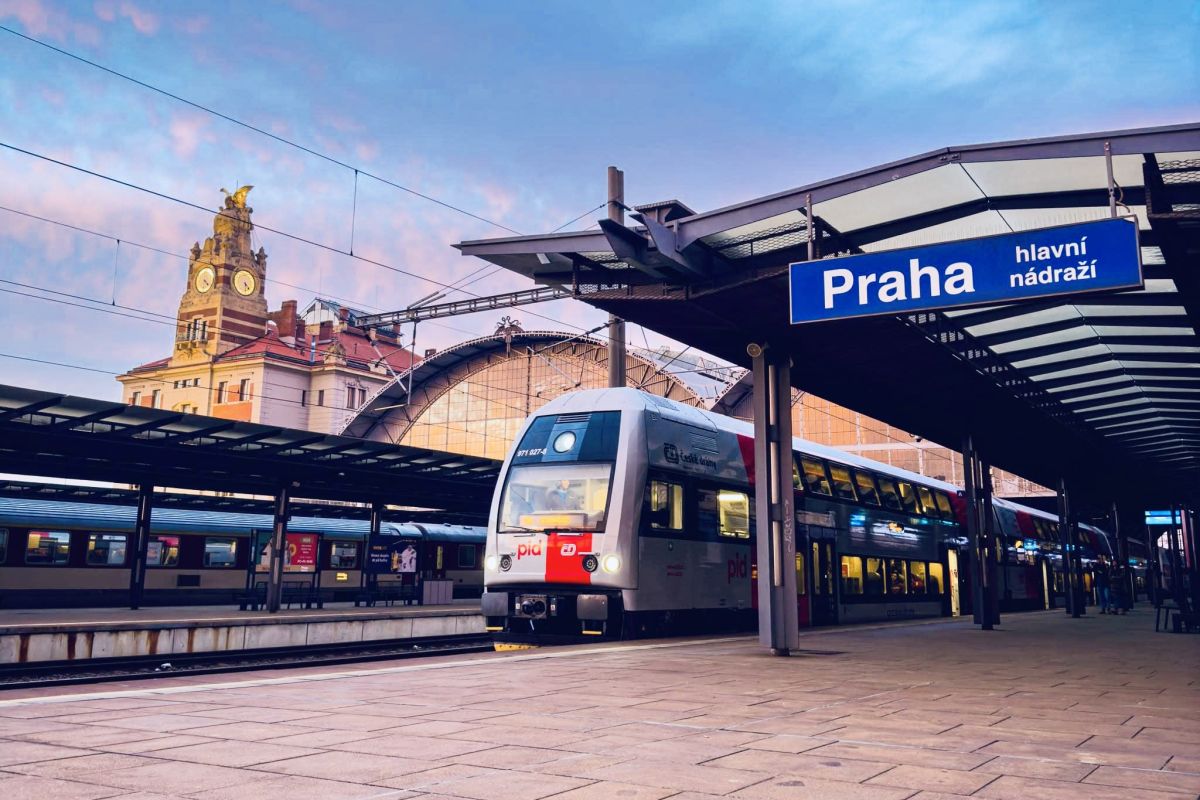
Passenger satisfaction at České dráhy increased again in 2025, driven mainly by fleet modernisation and service improvements. Data from the operator’s mobile app show a steady upward trend in customer ratings.
Streem Group has acquired the tank container fleet of VTG with effect from 1 February 2026. The assets will be managed under the Eurotainer and Raffles Lease brands.
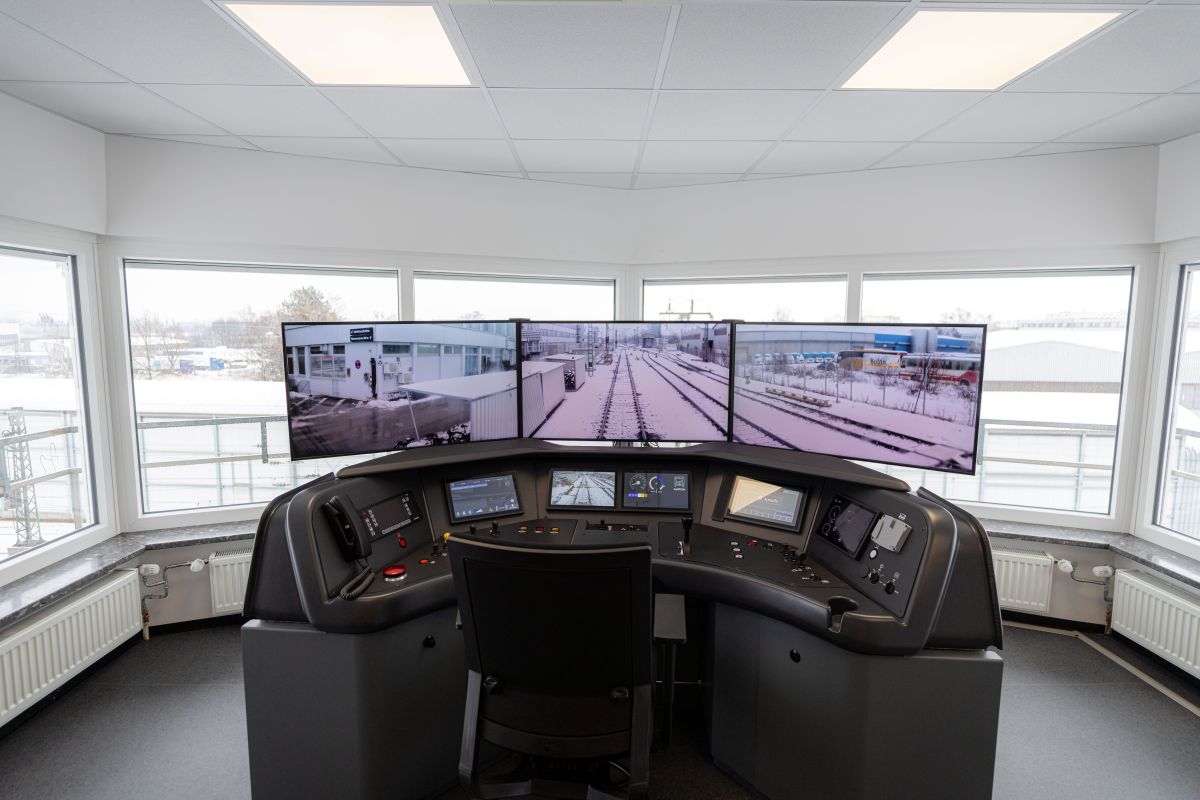
Deutsche Bahn and Alstom have completed a first test of remotely driven commuter trains in a depot environment in Munich. The trial focused on shunting movements controlled from a remote operation centre.
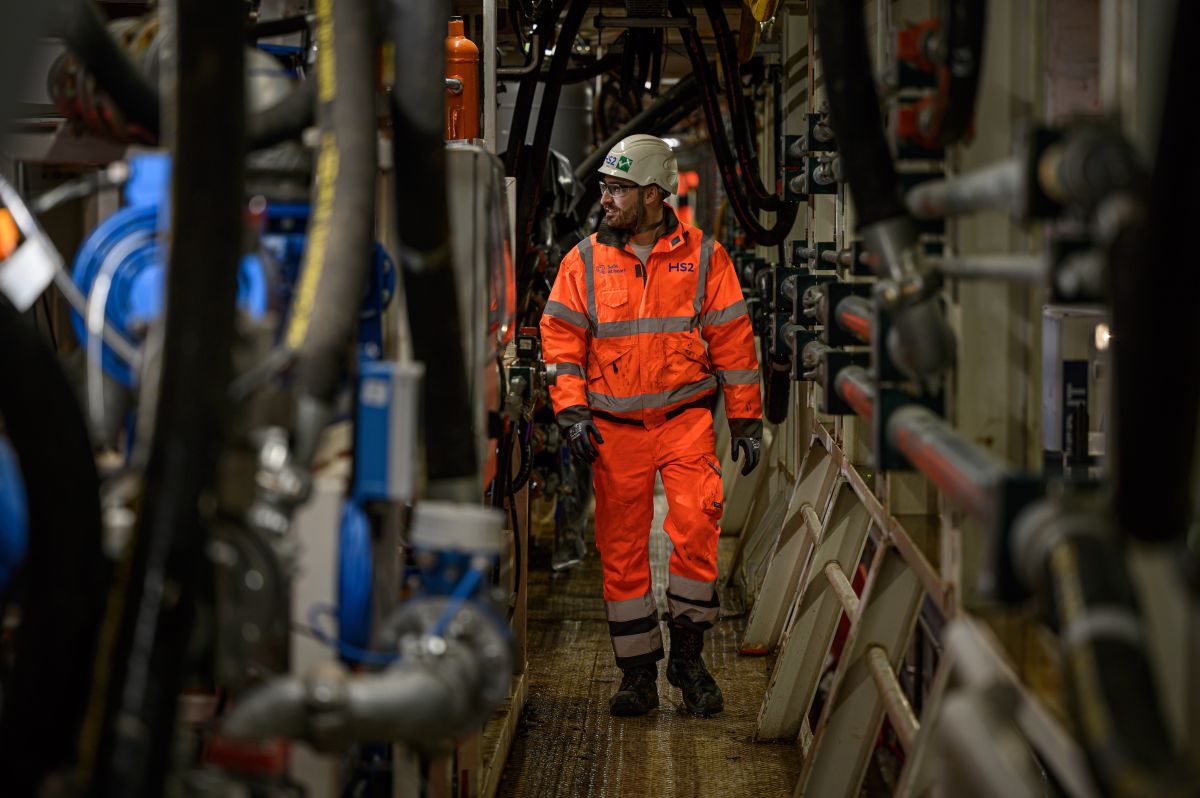
HS2 has begun tunnelling towards central London as the first tunnel boring machine started work on the 4.5-mile Euston Tunnel from Old Oak Common. The tunnel is the final deep-bore section on the high-speed route between London and Birmingham.
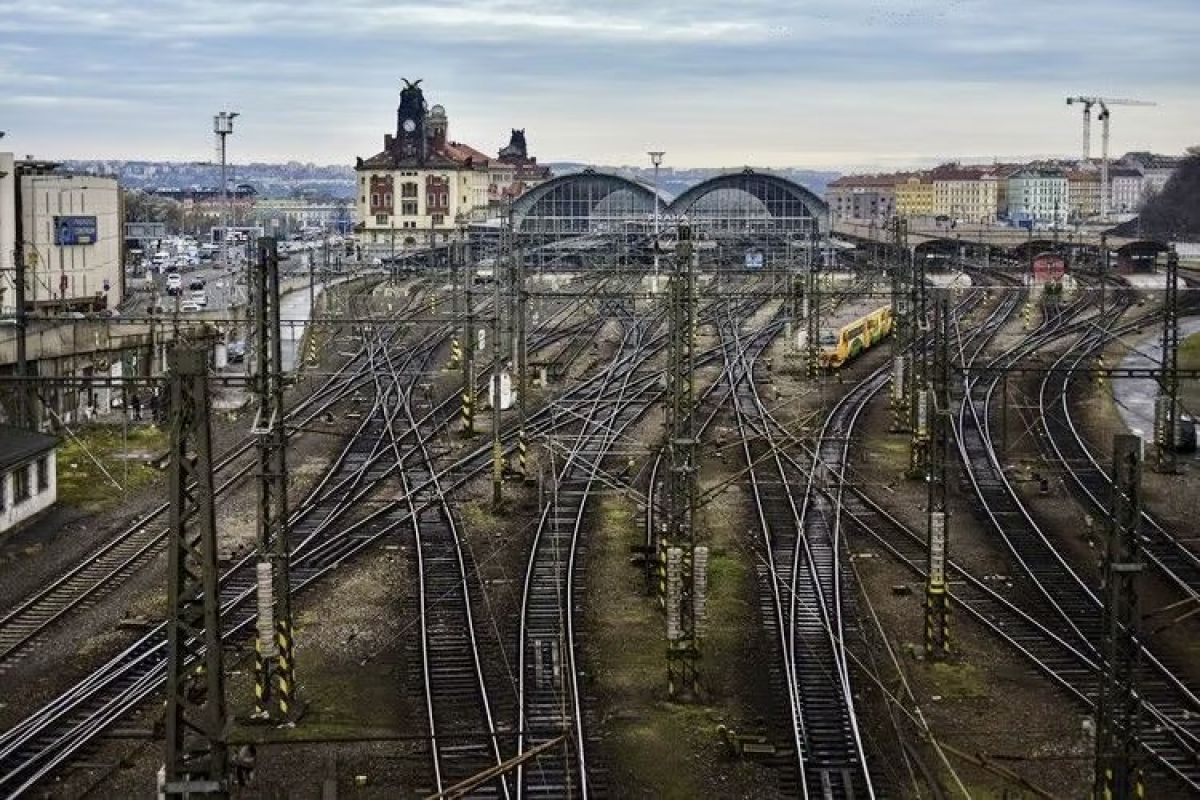
Czechia plans to invest a record €2.9 billion in its rail network this year, targeting maintenance, electrification and major capacity projects. The funding is aimed at improving daily operations and accelerating key corridor upgrades.
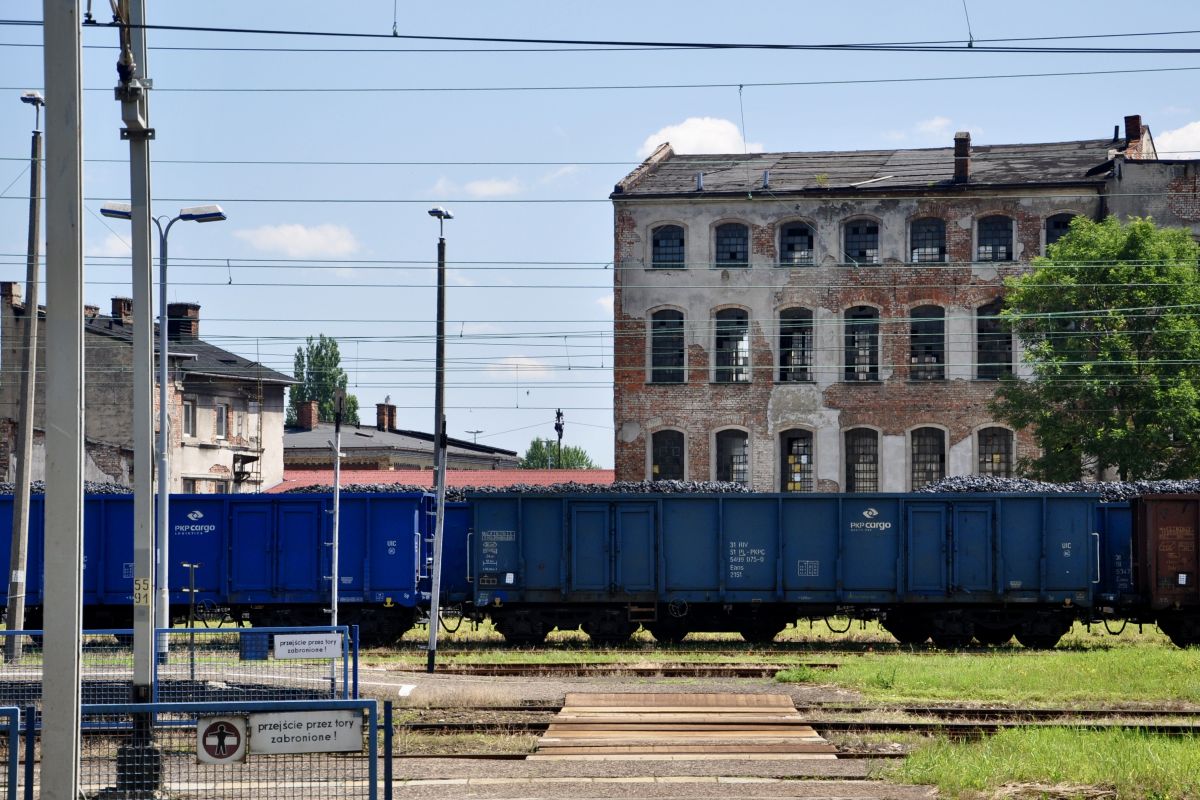
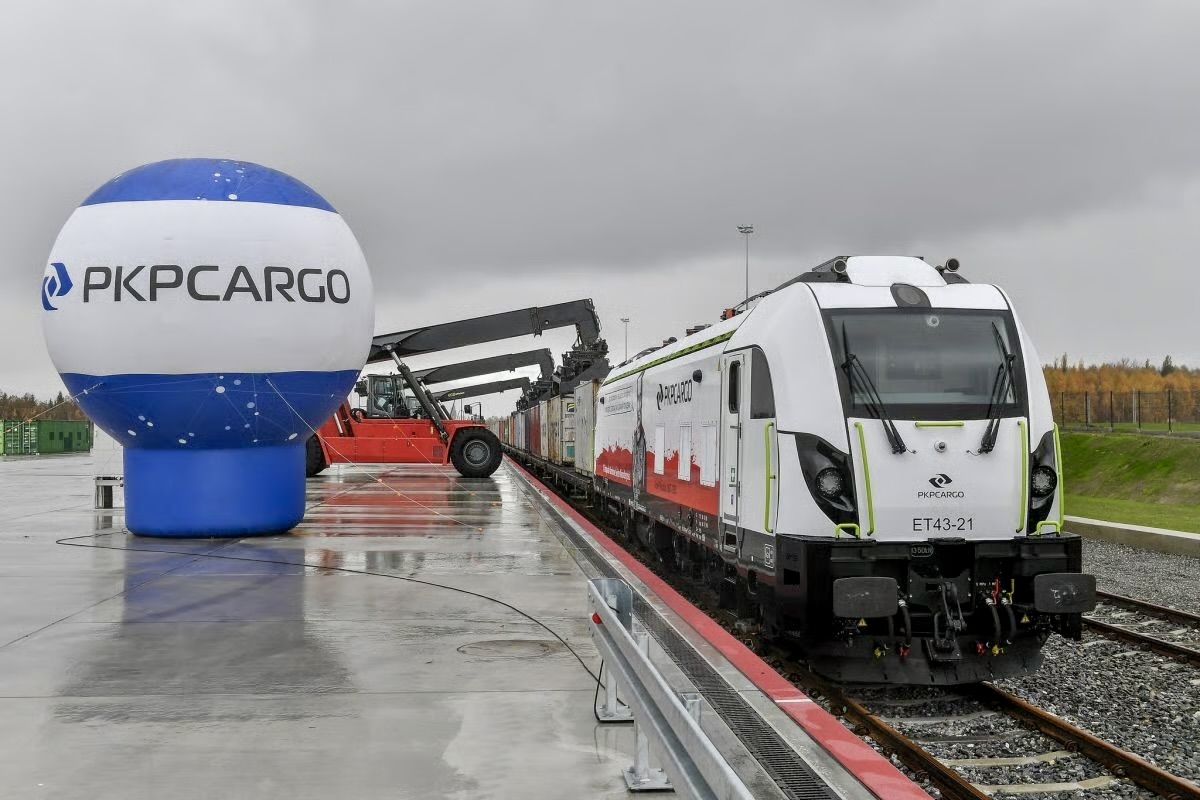
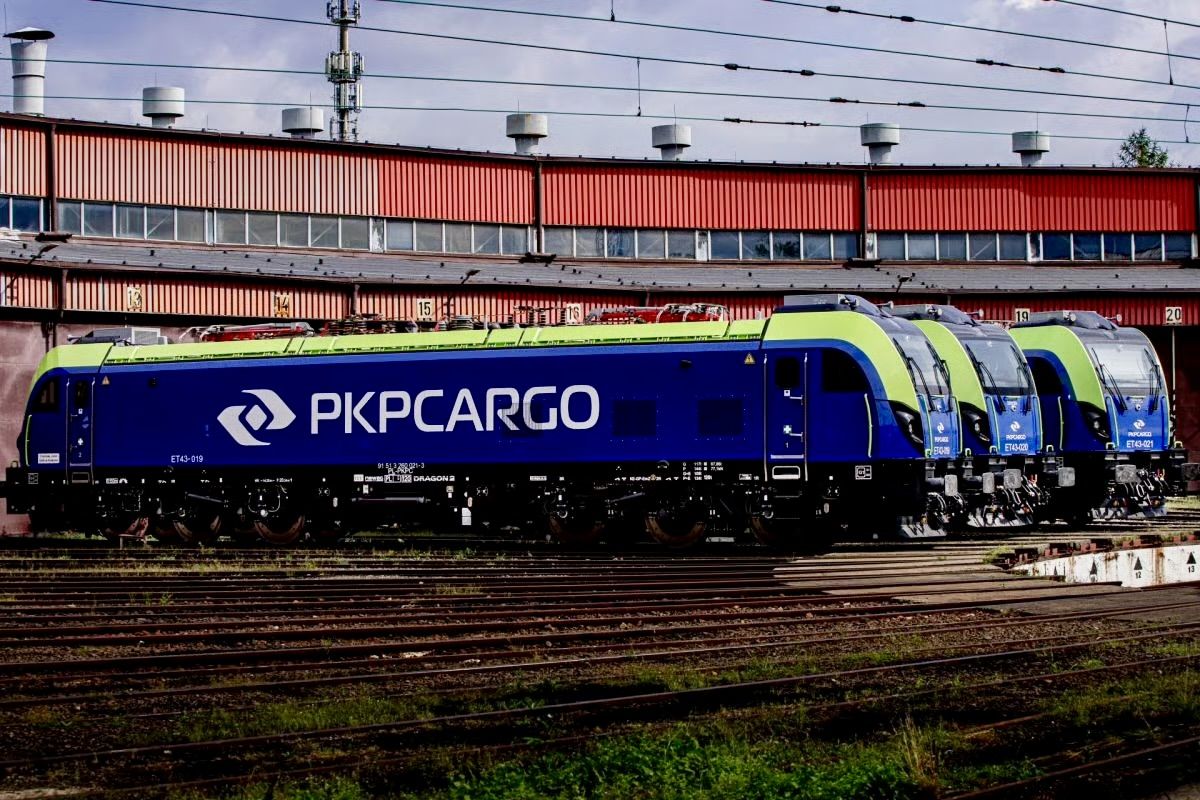
Polish rail freight operator PKP Cargo has appointed Zbigniew Prus as its new Chief Executive Officer as part of its ongoing restructuring process.
Poland’s rail freight sector recorded its weakest performance in more than a decade in 2025, while passenger traffic reached a 30-year high. New data from the national rail regulator highlight diverging trends between freight and passenger markets.
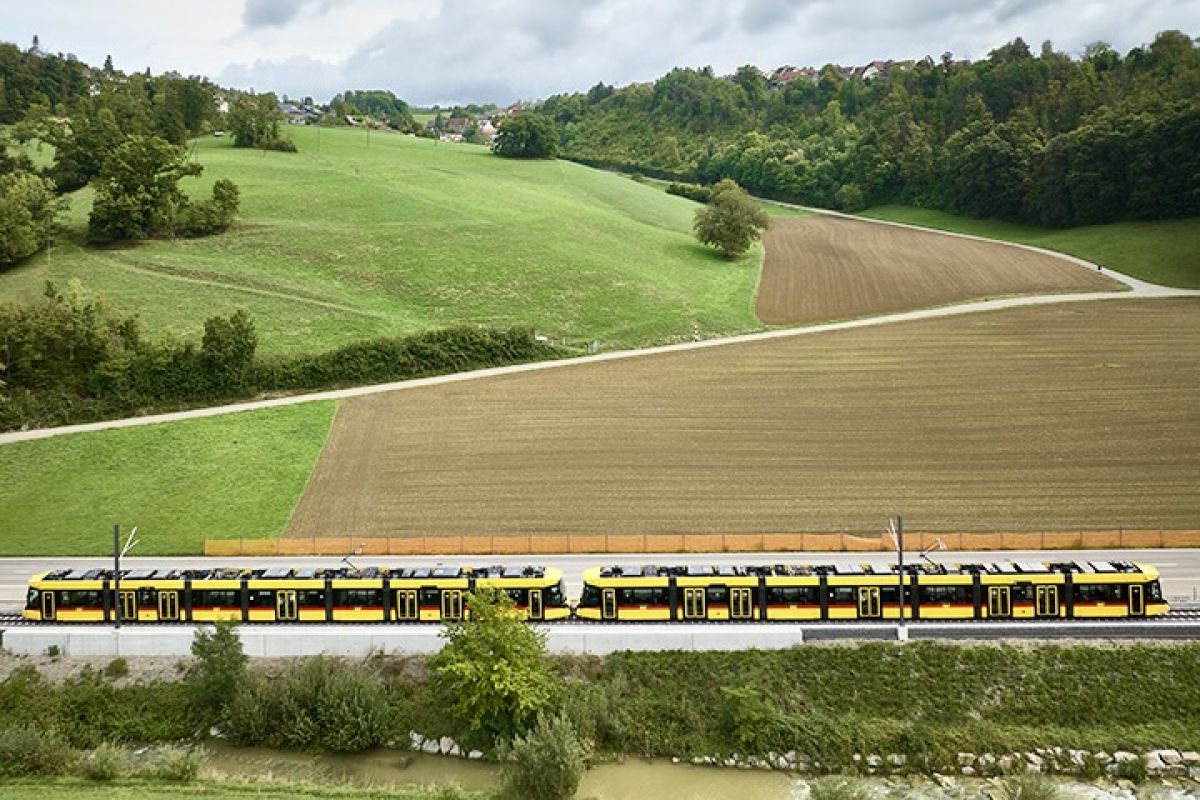
Switzerland has launched its first semi-automated rail operation (GoA2) on the Waldenburg railway line, following approval from the federal transport authority. The system is based on a new digital train control solution supplied by Stadler.
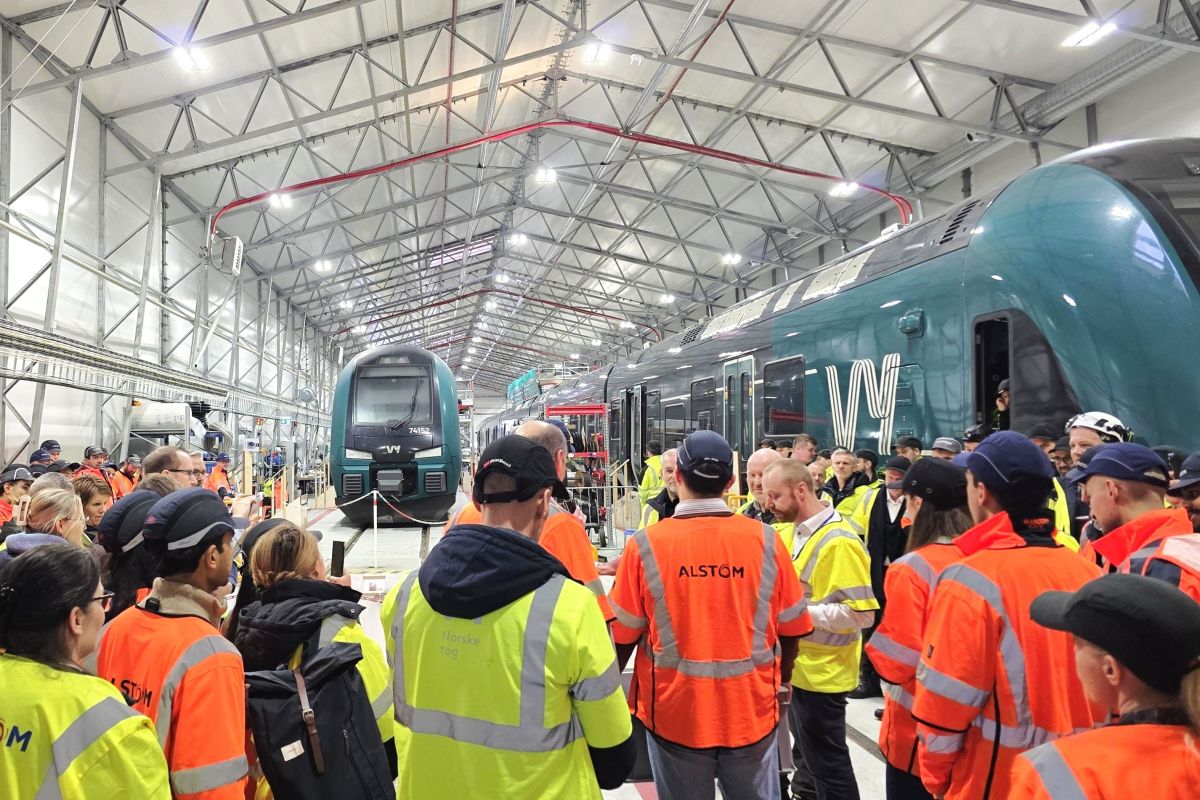
Norway has reached a milestone in its nationwide ERTMS rollout with the upgrade of the 100th train to digital signalling. The programme is part of a broader plan to equip more than 350 vehicles across the national fleet.
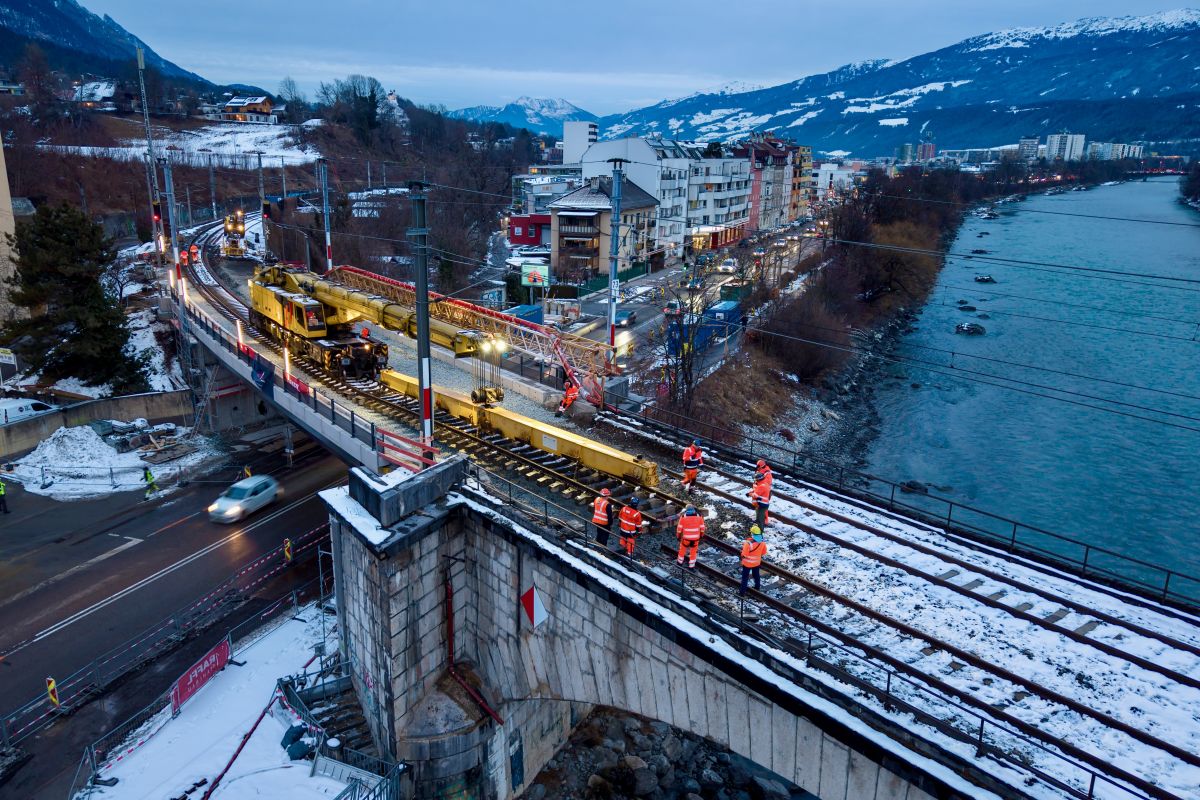
Rail traffic has resumed on one of Austria’s busiest rail sections after ÖBB completed the replacement of the Rauchmühl Bridge near Innsbruck. Around 270 trains per day are returning to the route between Hall in Tirol and Innsbruck main station.
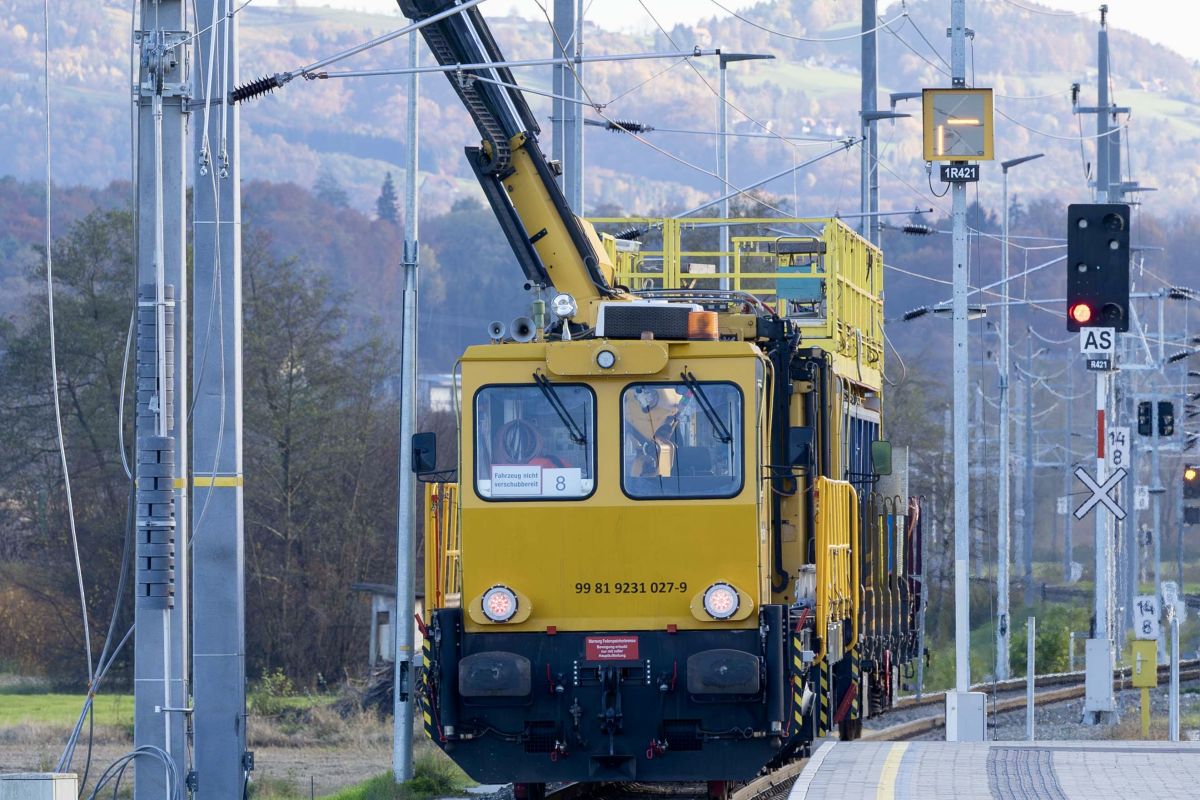
Austria has launched the second phase of the modernisation and electrification of the Styrian West Railway, following completion of the first section in 2025. The 91 km route between Graz and Köflach and towards Wies-Eibiswald is to be fully electrified by 2033.
Alstom has opened a new welding and fitter training centre at its Mátranovák site in Hungary to support production of railway bogie frames. The facility is aimed at securing skilled labour for rail manufacturing and improving production quality.
European combined transport association UIRR says insufficient terminal capacity remains a major barrier to shifting freight from road to rail. The assessment follows a new European Commission study and the updated TEN-T Regulation on multimodal terminals.
Czech investor Jaroslav Strnad and J&T investment group are close to acquiring a blocking stake in Polish port operator OT Logistics, according to Czech news website Seznam Zprávy. The move could strengthen rail-linked logistics corridors between the Baltic Sea and Central Europe.
Kazakhstan and China have reviewed rail freight results for 2025 and agreed on further cooperation for 2026, focusing on border operations, digitalisation and infrastructure capacity. The talks took place at Alashankou, the main rail gateway between the two countries.
Lithuanian passenger operator LTG Link carried 5.9 million passengers in 2025, up by around 350,000 compared with the previous year. Growth was driven mainly by domestic routes and rising international demand.
Hupac Group has announced that CEO Michail Stahlhut will step down from his role in May 2026 after eight years in charge. The company has started the process of selecting his successor.
Major infrastructure works by Germany’s Deutsche Bahn from February 2026 will disrupt rail traffic between Austria and Germany, affecting both passenger and freight services. Austrian operators are adjusting timetables and rerouting trains to maintain connectivity and industrial supply.
ÖBB Rail Cargo Group (RCG) has moved its Duisburg–Antwerp and Linz–Antwerp services to own traction, operating the routes with its own locomotives and crews. The operator has also increased frequencies on the Duisburg–Antwerp corridor.
Deutsche Bahn has highlighted Holocaust remembrance as part of its corporate responsibility as Germany’s state-owned rail group. The commitment was reiterated in a joint declaration issued on International Holocaust Remembrance Day.
The supervisory board of Správa železnic, the Czech rail infrastructure manager, is set to take on a stronger executive role in strategic and investment decisions. The change comes alongside board reshuffles and the planned appointment of a new director-general.
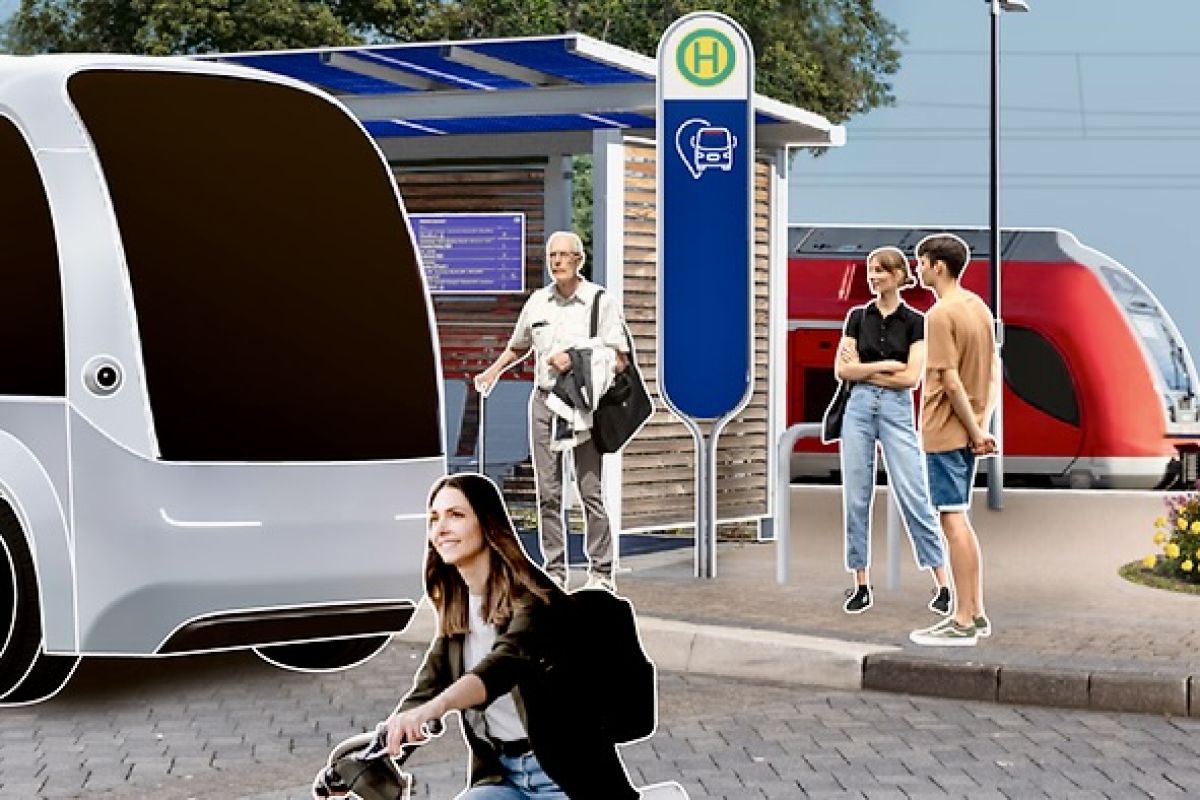
Autonomous shuttles and buses could significantly improve public transport performance in Germany if deployed as feeders to rail and integrated into an expanded network, according to a new study. The biggest gains are expected where automation supports train-based services rather than replacing them.
Around 250 representatives from politics, industry and the rail sector met in Hamburg for the 16th VPI Symposium to discuss the growing challenges facing rail freight. Topics ranged from European regulation and infrastructure policy to digitalisation and day-to-day operational constraints.
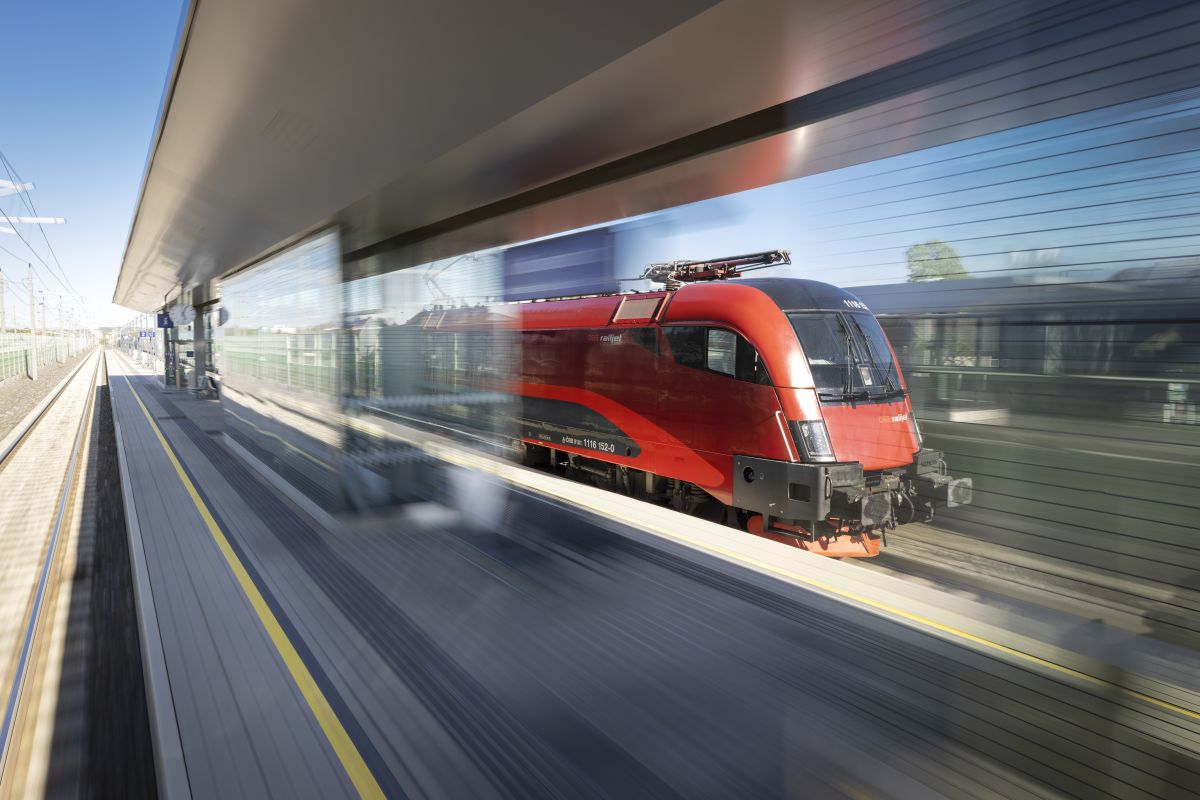
Vienna’s City Airport Train (CAT) will introduce new Stadler KISS double-deck trains from autumn 2027 on the route between Vienna Airport and the city centre. The operator has presented the exterior design of the new fleet ahead of its planned entry into service.
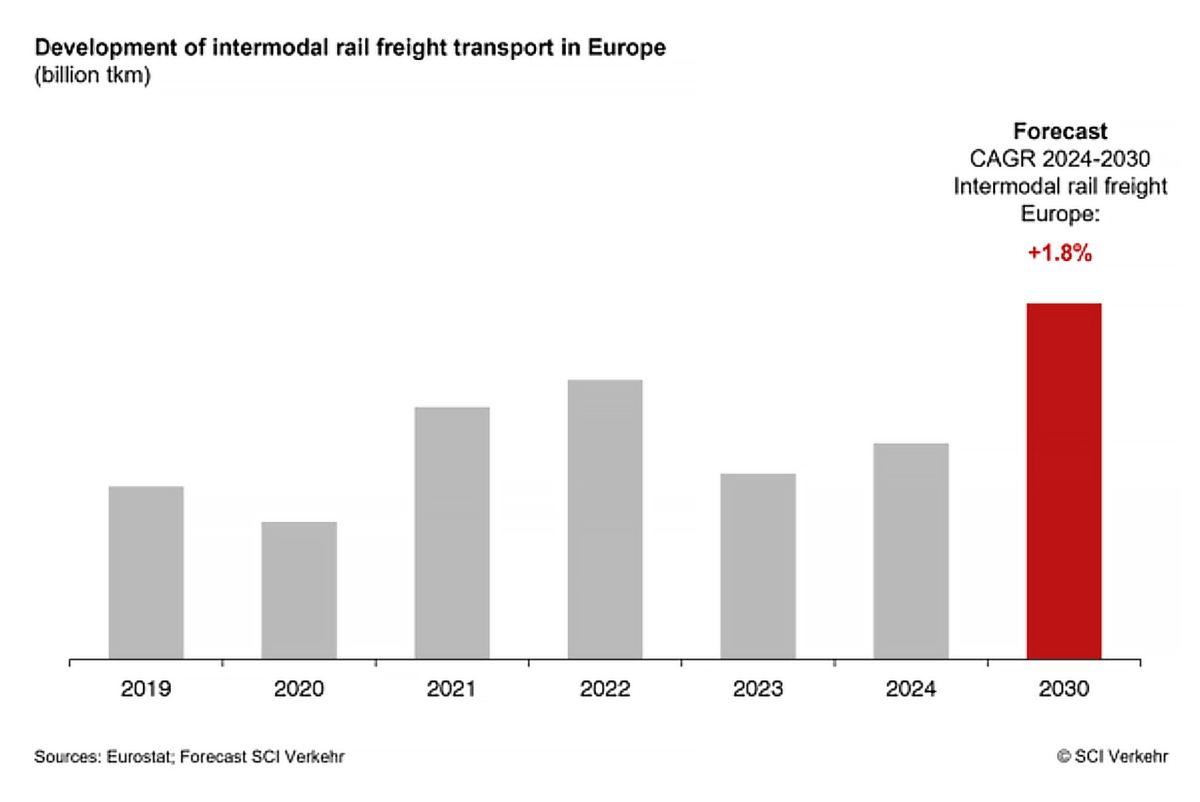
European intermodal rail freight remains a stabilising pillar of rail transport, but growth is no longer broad-based. New SCI Verkehr's market data show expansion concentrating on specific corridors, customers and business models.
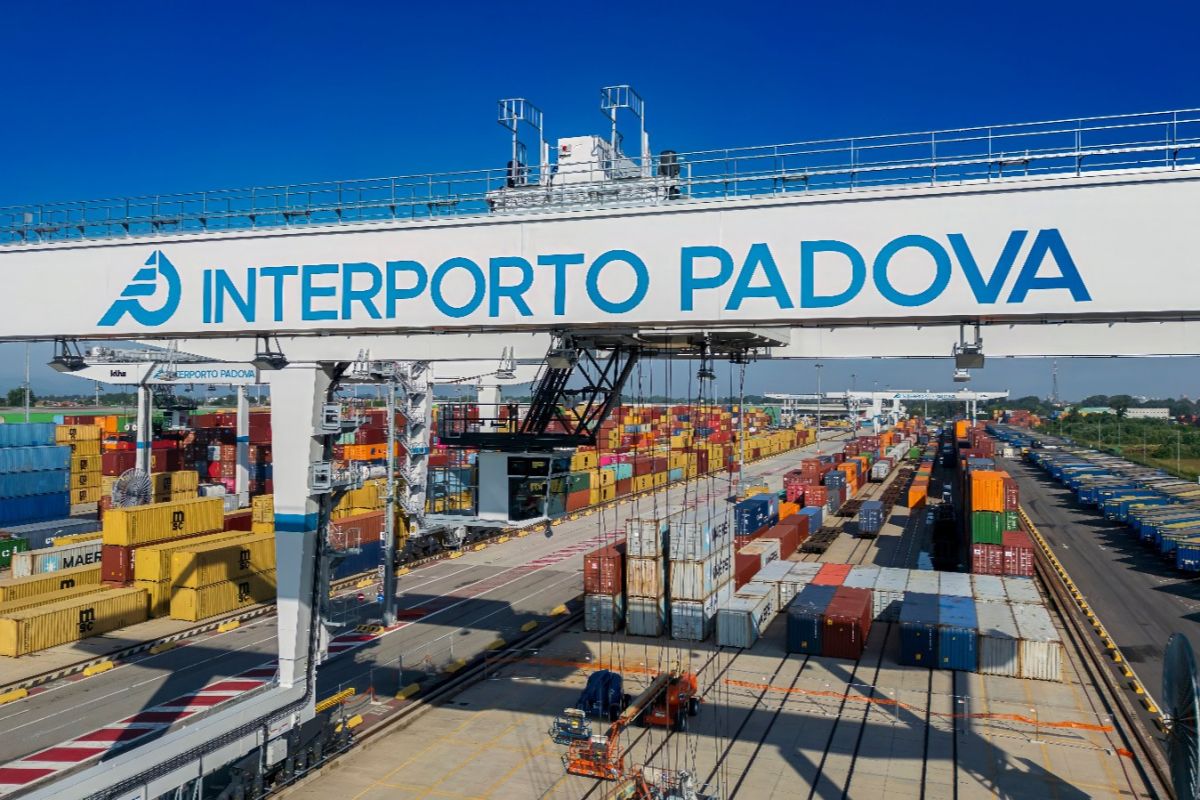
Under the tender conditions, a new company, Intermodal Terminal Padova, will be established and the terminal assets transferred to it.
Czech rail freight operator ČD Cargo has appointed Radim Ječný as Chairman of the Board, effective 1 February 2026. The move comes as European rail freight faces falling volumes, rising costs and structural pressure.
At least two dozens people were killed and several others injured when two high-speed passenger trains derailed and collided on Sunday evening near Adamuz in southern Spain. The crash forced the suspension of rail traffic between Madrid and Andalucía.
Czech national carrier České dráhy (ČD) has launched two public tenders for battery electric multiple units (BEMU), covering up to 120 trains for regional passenger services. The framework contracts aim to support zero-emission operation on partially electrified routes.
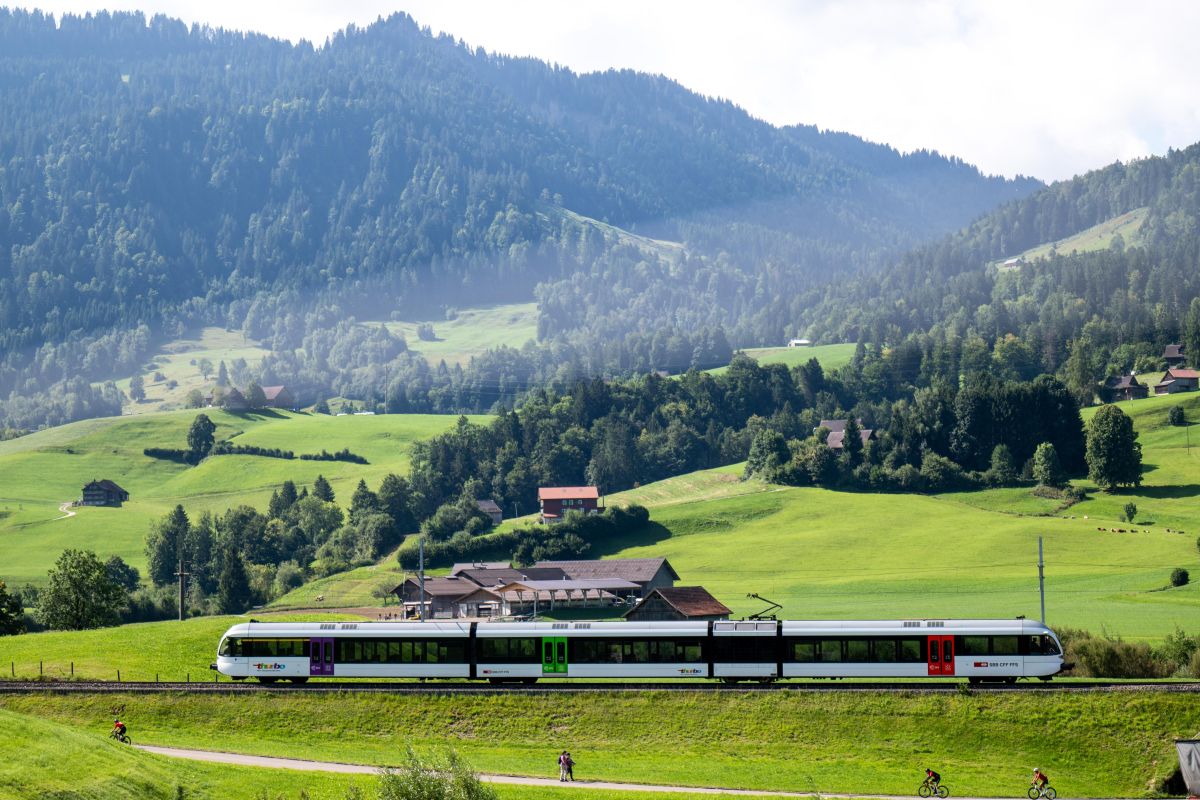
Stadler will modernise and resell 93 GTW multiple units from Swiss operator Thurbo to Hungarian State Railways (MÁV), providing 14,000 additional passenger seats. The project offers a faster alternative to new rolling stock procurement while extending the service life of existing trains.
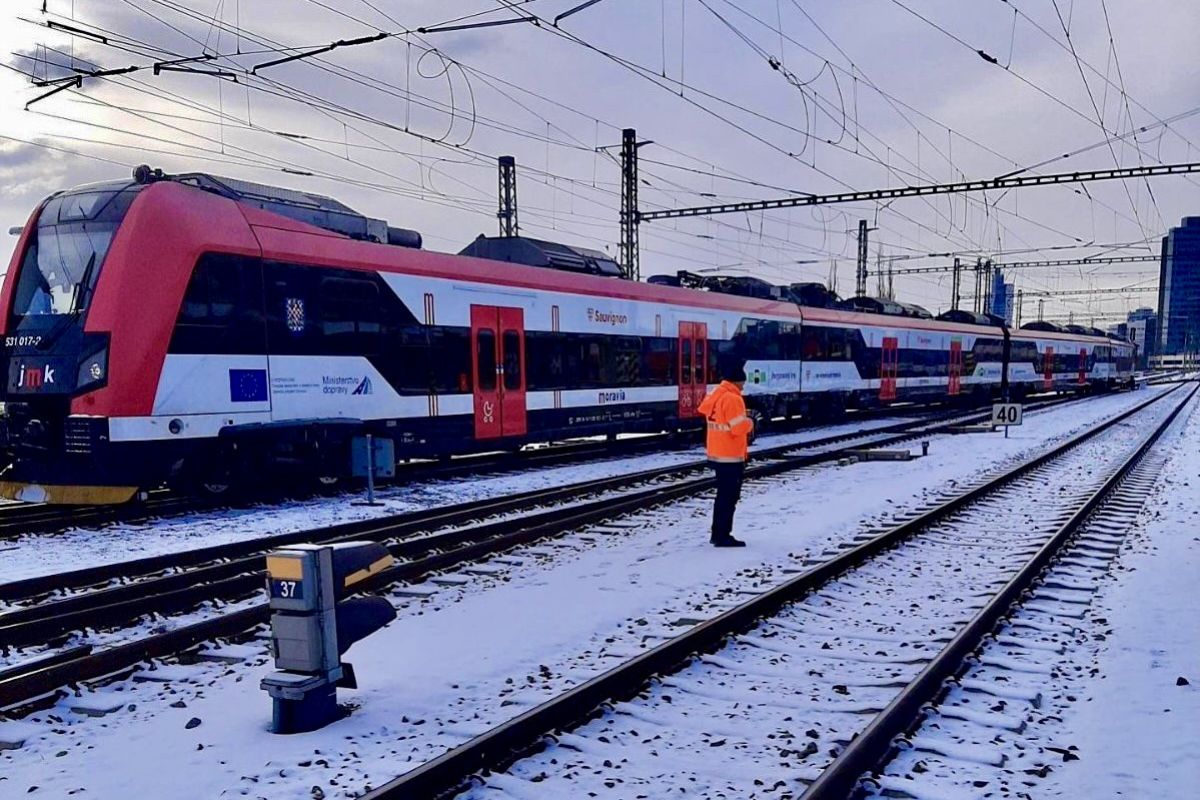
Two key Czech rail organisations are expected to appoint permanent leadership in the coming weeks, ending a prolonged power vacuum. The changes affect both rail infrastructure and state-owned freight operations.
CargoBeamer has launched a new intermodal rail connection between Liège in Belgium and Domodossola in northern Italy. The route strengthens transalpine rail capacity at a time of structural change in Alpine freight flows.
Severe icing has disrupted rail operations across large parts of the Czech Republic, causing delays and cancellations. The situation is affecting both domestic services and cross-border connections to Germany.
A new study on rail freight in North America highlights structural trends affecting the sector, from cost pressures to capacity management. While the analysis focuses on the US and Canada, many of the findings are increasingly relevant for European rail freight markets as well.
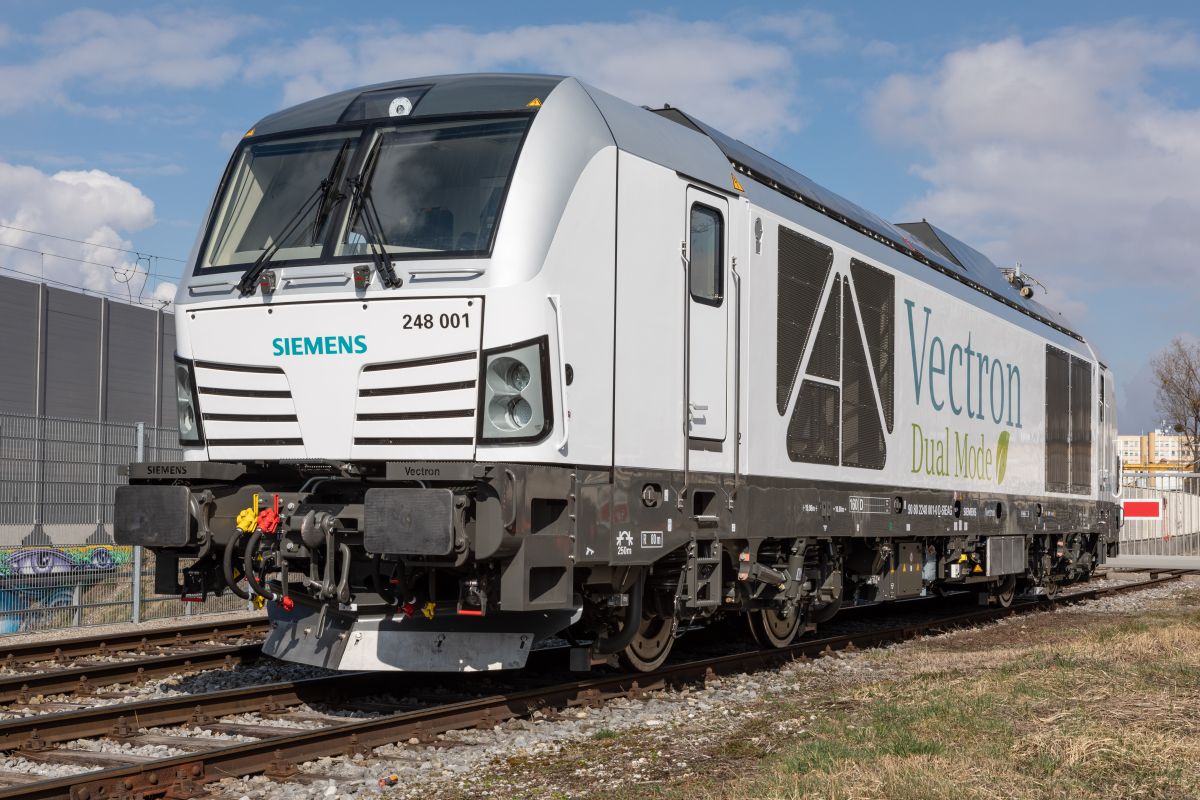
Siemens Mobility’s Vectron Dual Mode locomotive has received authorization for operation in Germany, Austria and cross-border services between the two countries. The approval enables seamless traction on partially electrified routes using ETCS Baseline 3.6.
A recent acquisition in the US cold-chain sector underlines the growing role of container-based logistics facilities in supporting intermodal rail freight flows linked to major ports. The move reflects broader shifts in how temperature-controlled cargo is integrated into rail-served supply chains.
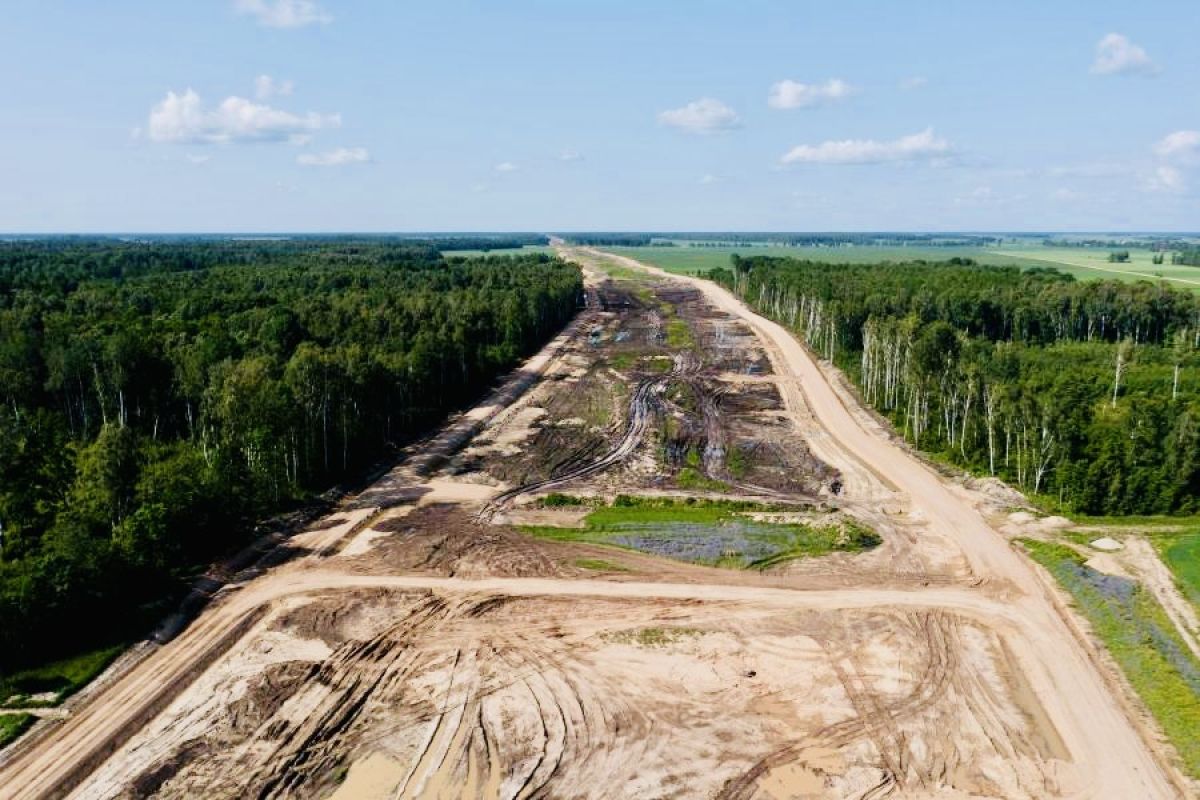
LTG Infra has launched an international tender for design services on the Rail Baltica section from Panevėžys to the Latvian border. The 54 km segment is the final missing link on the Lithuanian part of the corridor.
Intermodal rail operator CargoBeamer has appointed Julian Hagenschulte as its new Chief Digital Officer. The move underlines the growing importance of digital leadership in modern rail freight.
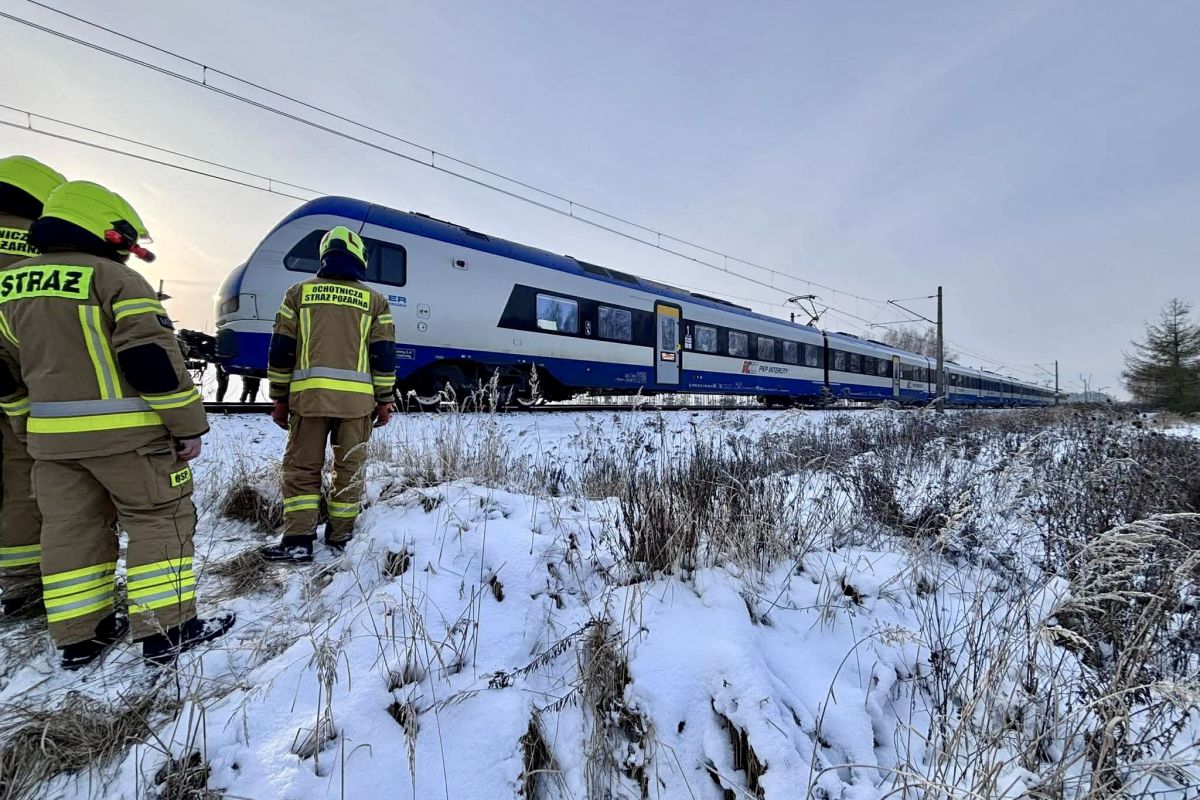
An emergency stop of an Intercity train on the Lublin-Szczecin route in the Łódź Province was the result of serious damage to the railway infrastructure. The driver noticed a gap in the rail over a metre long and immediately stopped the train. Railway services have ruled out sabotage – the most likely cause of the incident was severe frost.
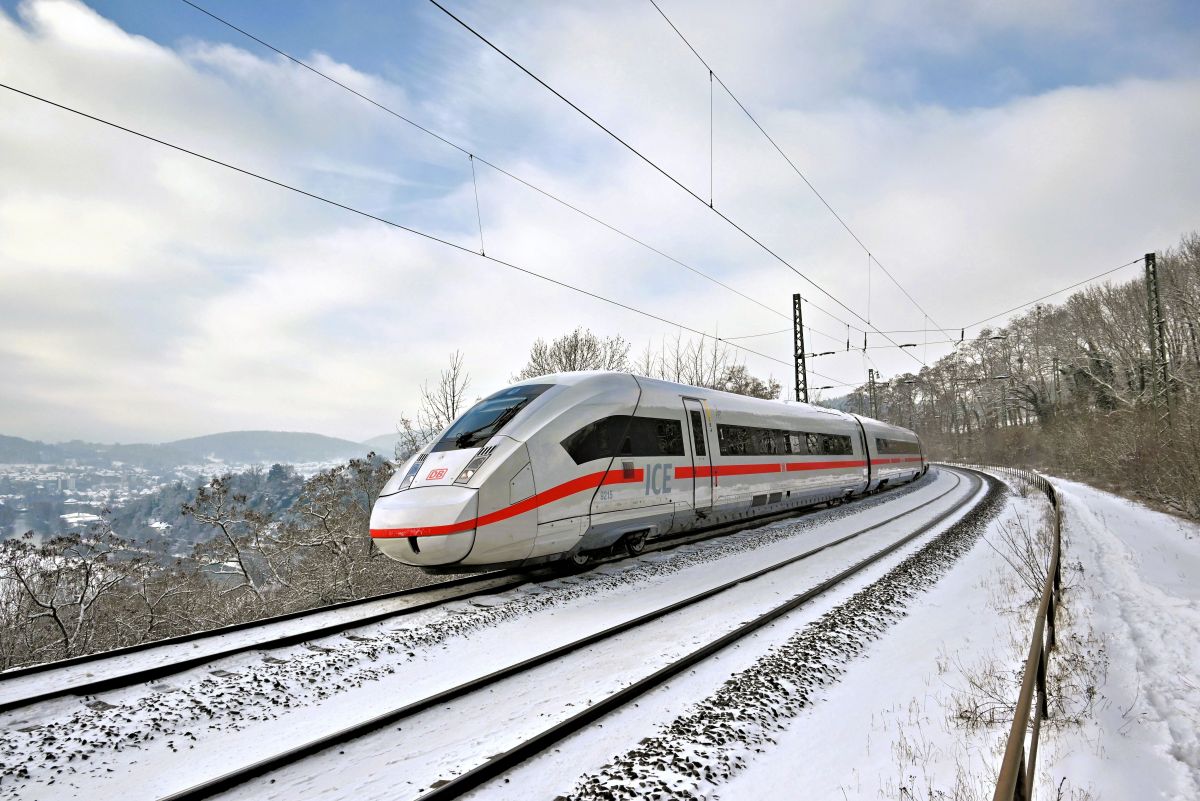
Germany’s long-distance rail services reached a historic low in punctuality in 2025. According to figures reported by BILD, only 60.1% of Deutsche Bahn’s long-distance trains arrived on time, marking the weakest annual result on record.
Network Rail has completed rail infrastructure upgrades at Mossend in North Lanarkshire, one of Scotland’s most important freight hubs. The works targeted reliability and performance for freight and passenger services.
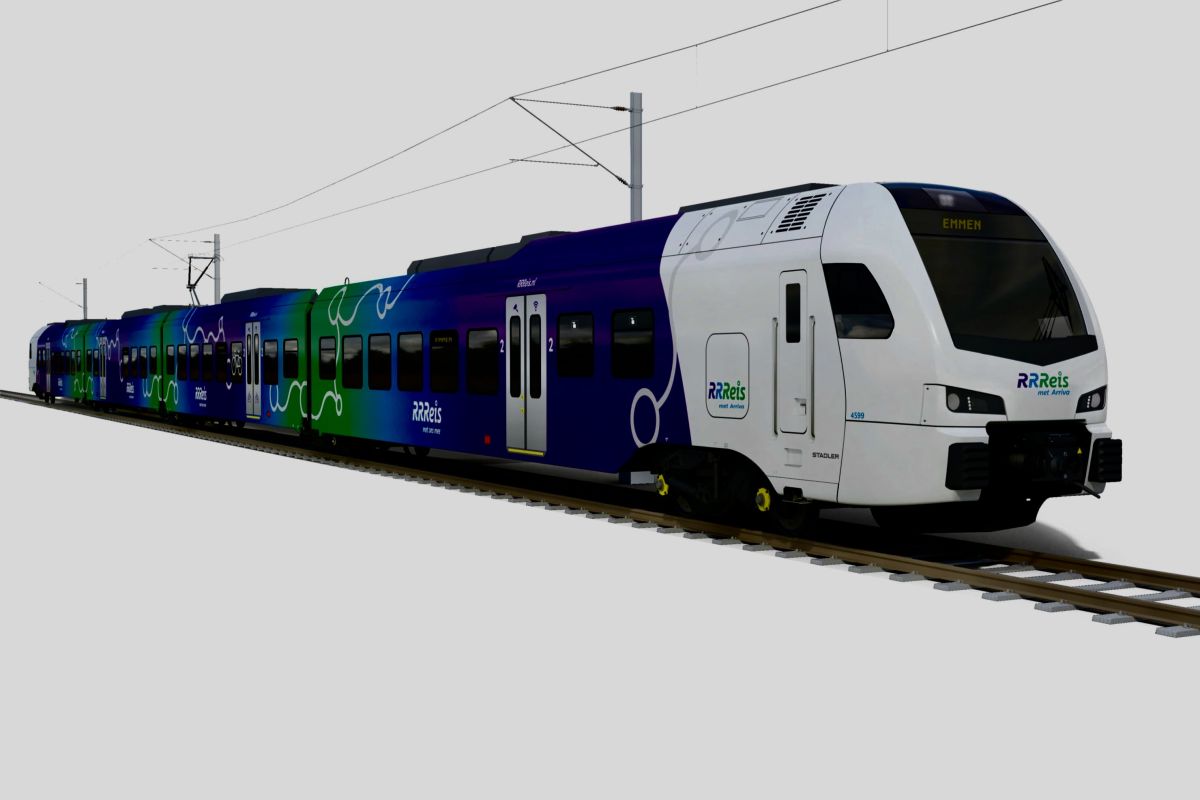
Arriva Nederland has placed an order with Stadler for five new FLIRT electric multiple units. The trains will be deployed on the Vechtdallijnen routes in the eastern Netherlands.
Poland’s intermodal rail freight recorded stable performance in the first three quarters of 2025, according to data from the national rail regulator UTK. While TEU volumes increased year-on-year, total tonnage and transport work slightly declined.
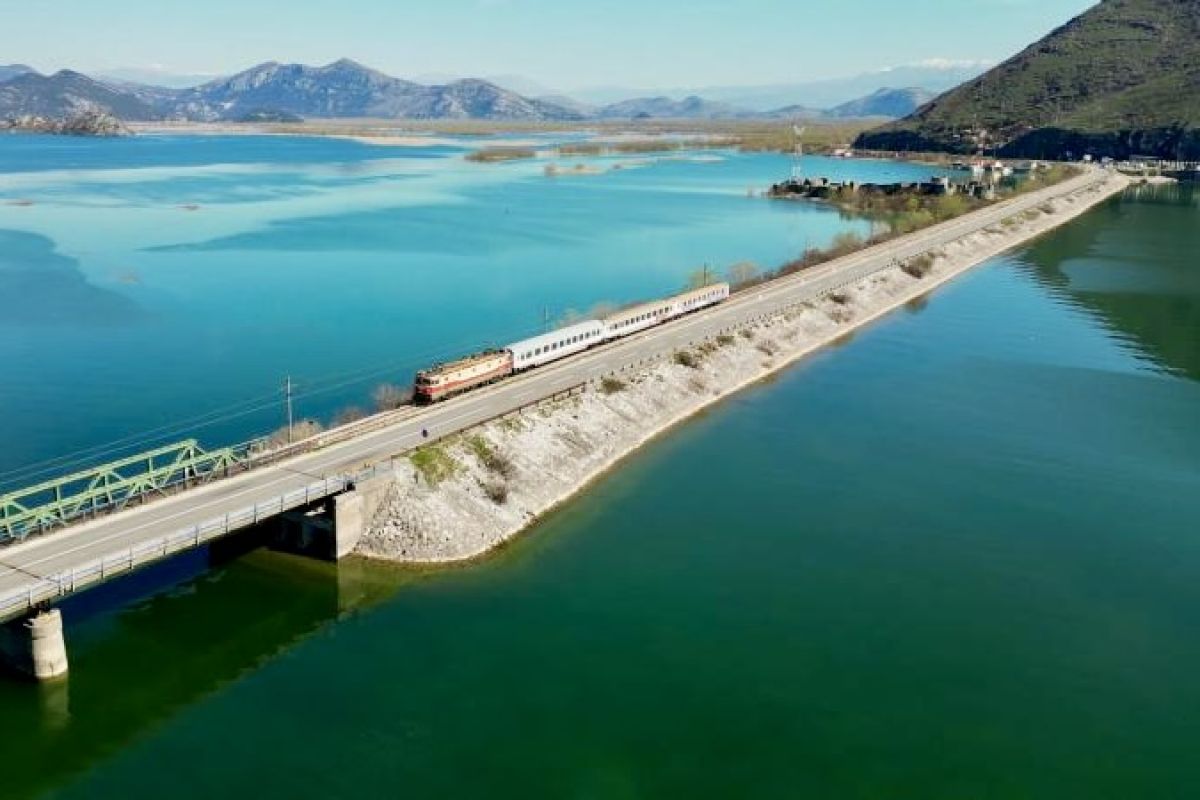
The European Union will invest €175 million to modernise the Bar–Golubovci railway line in Montenegro. The project targets higher speeds, improved capacity and better reliability on a key TEN-T corridor.
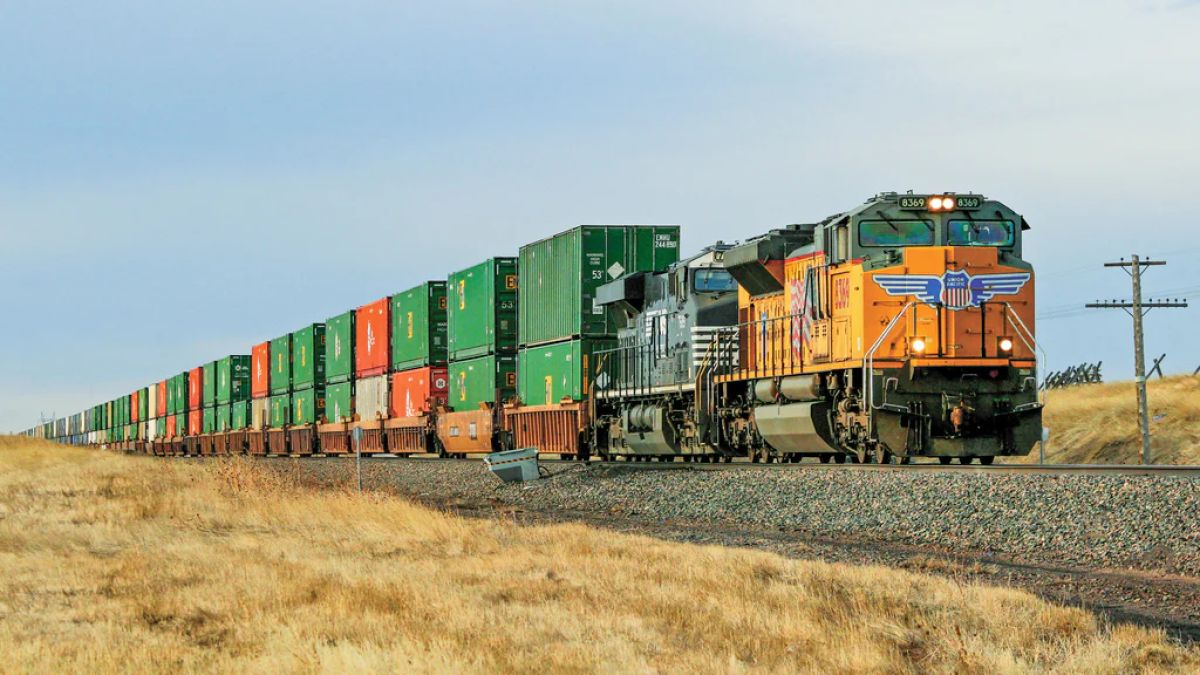
Union Pacific and Norfolk Southern have formally applied to merge their rail networks, seeking approval from the Surface Transportation Board. The proposed transaction would create the first coast-to-coast freight railroad in the United States.
PKP Cargo has sharply reduced its share capital as part of its ongoing restructuring. The move is aimed at covering accumulated losses and restoring balance-sheet flexibility.
Germany’s rail infrastructure manager DB InfraGO invested more than €19 billion in network renewal and modernisation in 2025. The year was marked by a high construction workload alongside ongoing rail operations.